Intrepid’s 2027 Not Hot List Names 10 Destinations Beyond the Crowds
Intrepid's 2027 Not Hot List highlights 10 lesser-visited destinations, backed by five new itineraries designed to spread tourism's benefits.
A situation where the number of visitors to a destination exceeds its capacity to manage them sustainably, leading to negative impacts on the environment, local communities, and visitor experience.
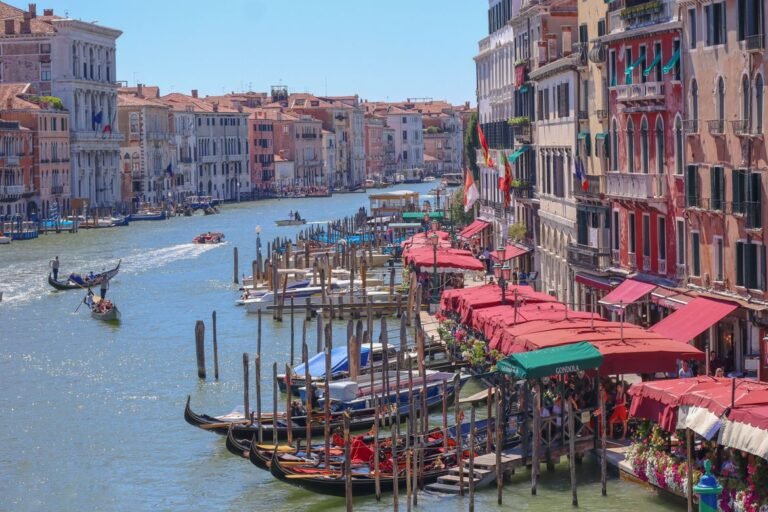
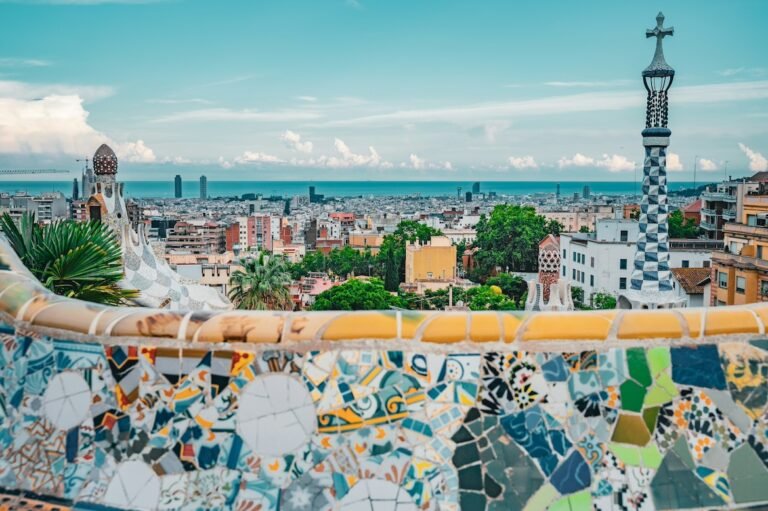
Overtourism refers to the excessive growth of tourism in a destination, resulting in strain on infrastructure, natural resources, and cultural heritage. It often manifests in overcrowded attractions, rising costs of living for residents, and environmental degradation. Cities like Venice, Barcelona, and Dubrovnik, as well as natural sites such as national parks, have become well-known examples. While tourism brings economic benefits, overtourism highlights the challenges of balancing visitor demand with sustainability and quality of life for local communities. Efforts to address overtourism include visitor caps, seasonal travel promotion, and the development of sustainable tourism policies.
Intrepid's 2027 Not Hot List highlights 10 lesser-visited destinations, backed by five new itineraries designed to spread tourism's benefits.
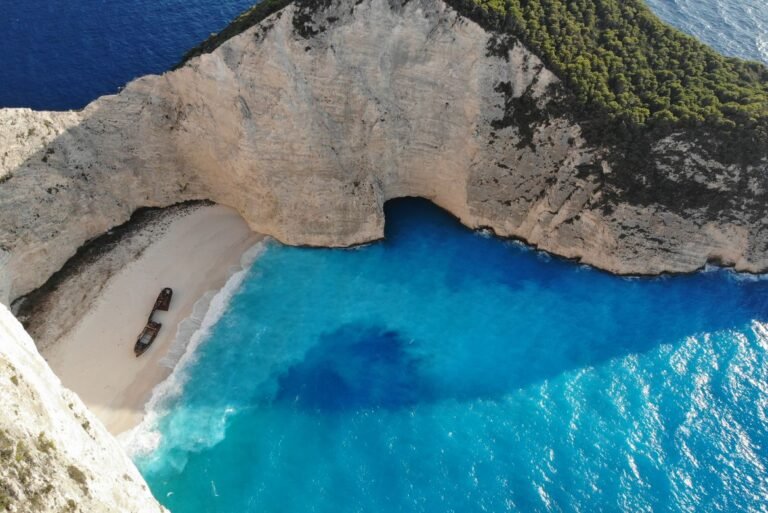
Greek authorities plan to extend Navagio Beach on Zakynthos by 30 meters to protect its famous shipwreck while the site remains closed over safety concerns.
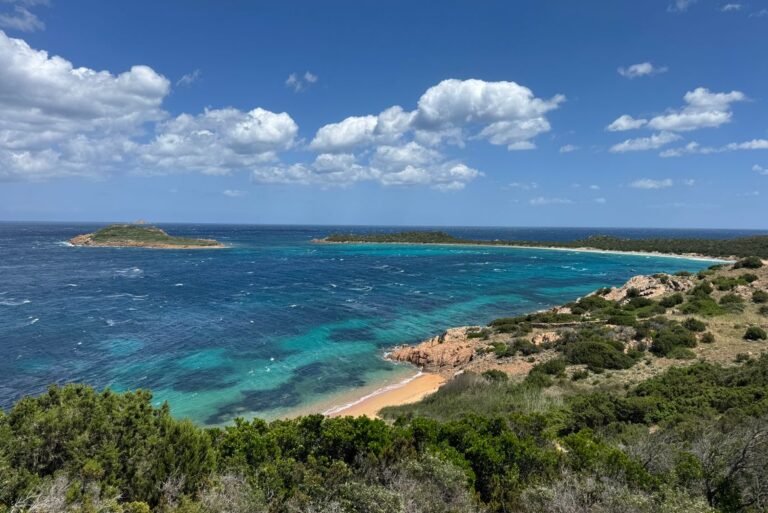
Popular beaches in Italy, especially in Sardinia, are using booking systems and visitor caps to manage overcrowding and protect fragile coastal landscapes.
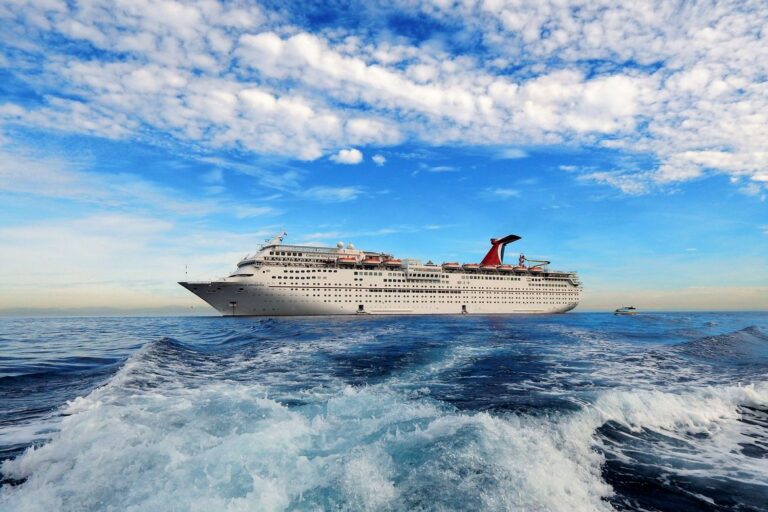
Cruise demand is climbing into summer 2026, with Europe standing out for fuller ships, higher prices and stronger interest in Mediterranean and Northern routes.
Venice is considering a major increase to its day-tripper entry fee, with officials weighing a sliding charge of up to €50 on the city’s busiest dates.
Spain welcomed 26.5 million international visitors in the first four months of the year, keeping the country on track for another record tourism season.
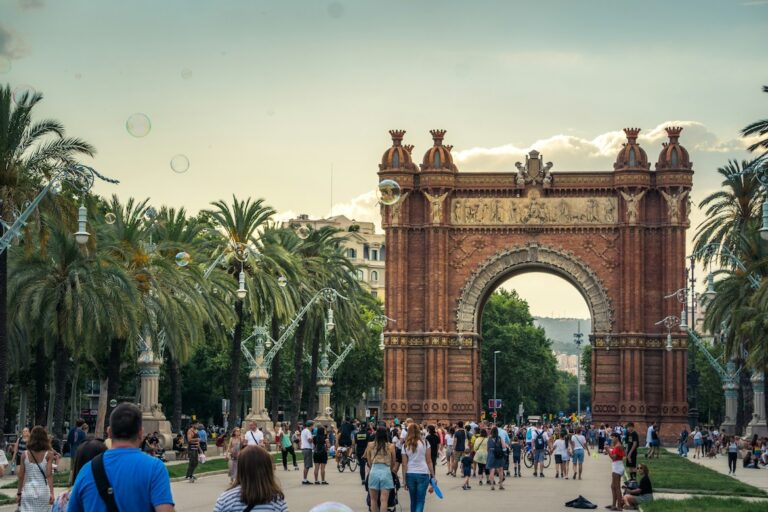
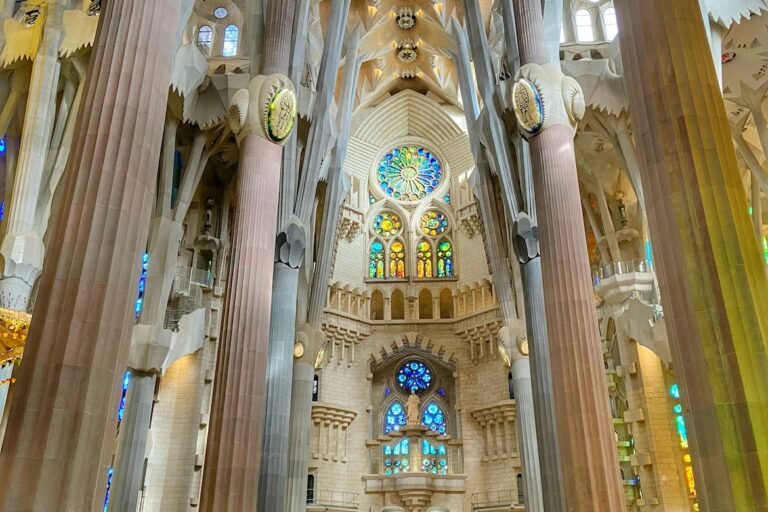
Barcelona’s Sagrada Familia has reached its final height with the Tower of Jesus Christ, drawing global attention while renewing debate over overtourism and local impact.
Intrepid Travel has launched new locally led day trips in Barcelona, Venice and Paris, designed to move visitors beyond overcrowded landmarks.
Travel in 2026 is being shaped by rising costs, climate concerns, major events and a stronger desire for flexible, meaningful trips.
Japan is adding and expanding local lodging taxes in 2026 as more destinations try to manage overtourism and fund infrastructure. The amounts are often modest outside Kyoto, but together they…