GCC Grand Tours Visa Nears Launch for Travel Across Six Gulf Countries
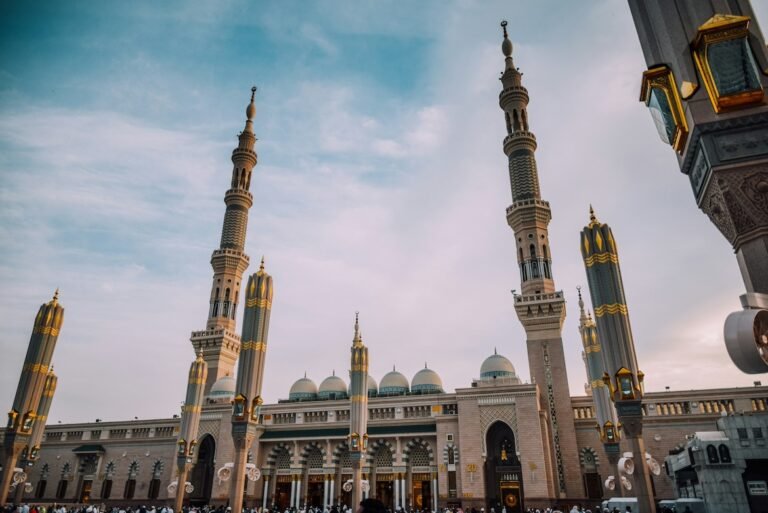
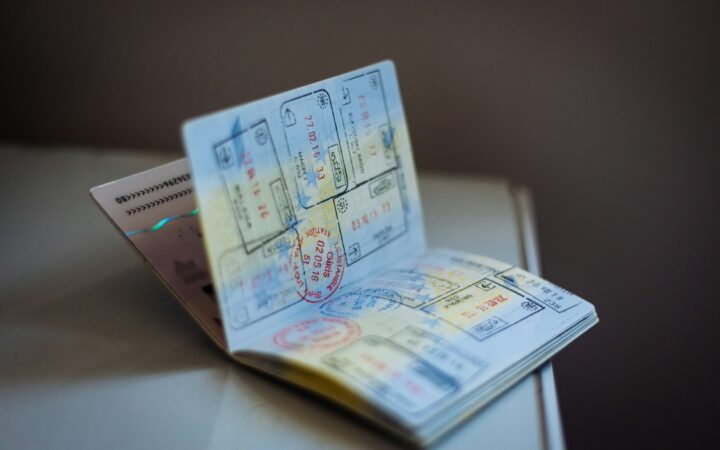
The GCC Grand Tours Visa is moving closer to launch, with the unified permit expected to let international visitors travel across six Gulf countries on a single visa.
The Saudi Red Sea Authority (SRSA) oversees and regulates tourism and marine activities along Saudi Arabia’s Red Sea coast.
The Saudi Red Sea Authority (SRSA) is a government body responsible for regulating and developing tourism activities along Saudi Arabia’s Red Sea coast. It oversees standards for coastal tourism, marine activities, and sustainable destination development. Travelers may encounter SRSA through regulated marinas, cruises, and water-based experiences in the region.
The GCC Grand Tours Visa is moving closer to launch, with the unified permit expected to let international visitors travel across six Gulf countries on a single visa.
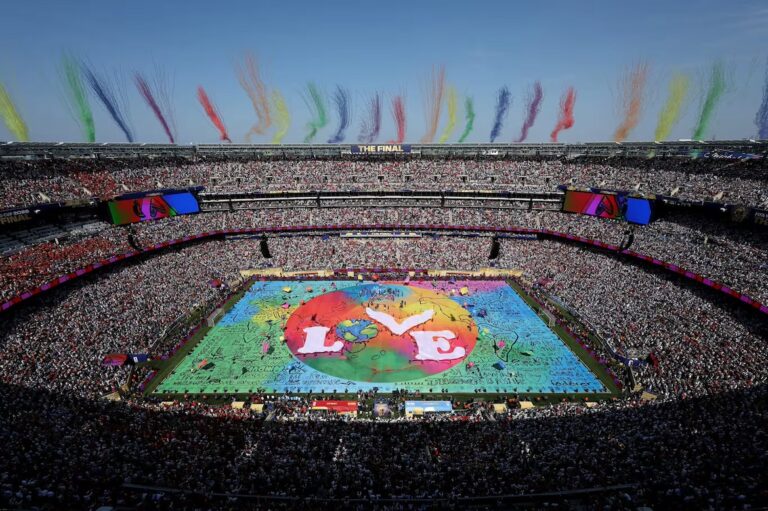
The 2030 and 2034 FIFA World Cups will push tournament travel into new territory, from six-country hosting to Saudi Arabia’s futuristic stadium plans.
Saudi Arabia has launched Package Visa, a digital initiative that integrates tourist visa applications directly into curated travel bookings.
Marriott International and Blacksand will develop 10 hotels across Saudi Arabia, adding more than 1,300 rooms under several major Marriott brands by 2030.
AlUla is targeting 1 million visitors by 2030, but the Saudi heritage destination must expand hotel capacity without weakening its luxury and conservation-led appeal.
Cyprus and Greece ranked among Europe’s top destinations for bathing water quality, reinforcing their appeal for summer beach travel.
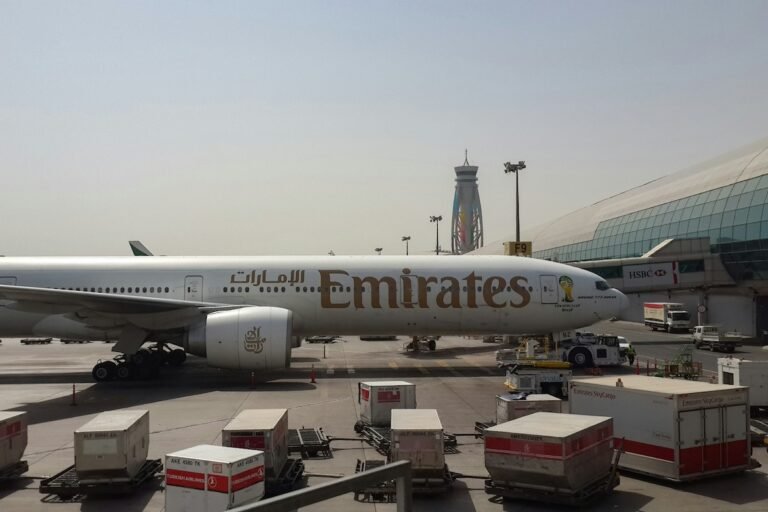
Dubai International has retained its title as the world’s busiest international airport, reinforcing Dubai’s role as a global aviation hub despite recent regional disruption.
Spain has received a record 794 Blue Flags for 2026, reinforcing its position as one of the world’s leading destinations for clean, safe and well-managed beach travel.
Saudia and adidas have launched the Made to Fly travel pack, a new collaboration that blends sportswear, aviation, and modern Saudi identity into a regional lifestyle play.
Saudi Arabia is reshaping its Vision 2030 strategy, cutting back state funding for some headline tourism megaprojects and shifting more attention toward AI, infrastructure, and projects with clearer near-term demand.