
Intrepid’s 2027 Not Hot List Names 10 Destinations Beyond the Crowds
Intrepid's 2027 Not Hot List highlights 10 lesser-visited destinations, backed by five new itineraries designed to spread tourism's benefits.
Overtourism refers to the negative impact of too many tourists visiting a destination at the same time. This phenomenon strains local infrastructure, damages the environment, disrupts communities, and reduces the overall quality of travel experiences. Learn how overtourism affects popular spots, how destinations are responding, and what responsible travel looks like in an overcrowded world.
Intrepid's 2027 Not Hot List highlights 10 lesser-visited destinations, backed by five new itineraries designed to spread tourism's benefits.
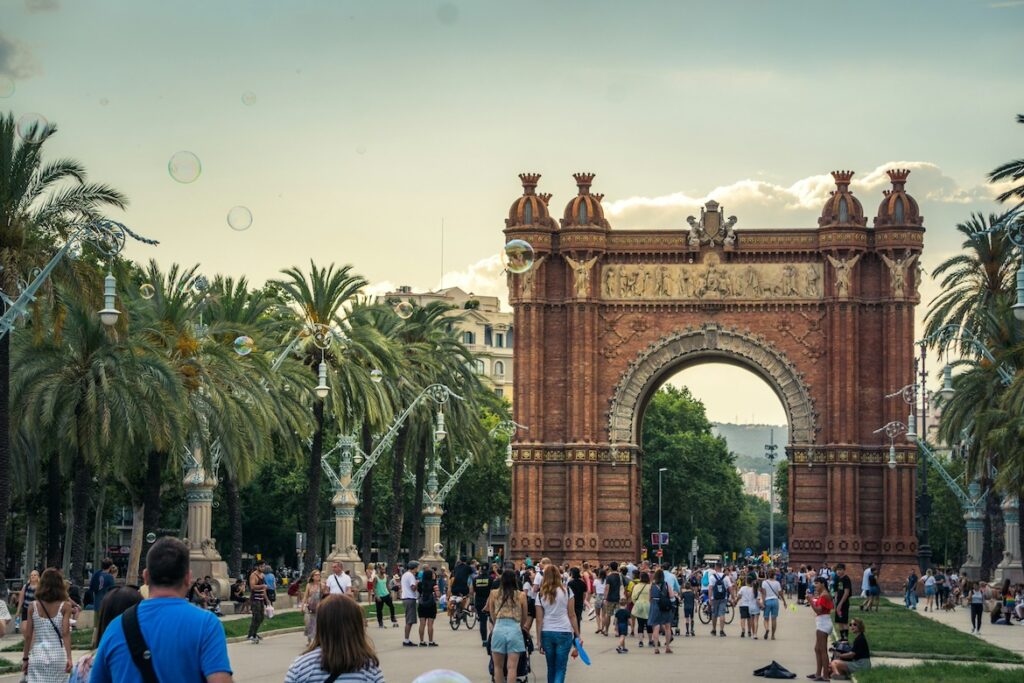
Barcelona is considering combined tourist taxes of up to €30 for short-stay cruise passengers as the city intensifies its overtourism…
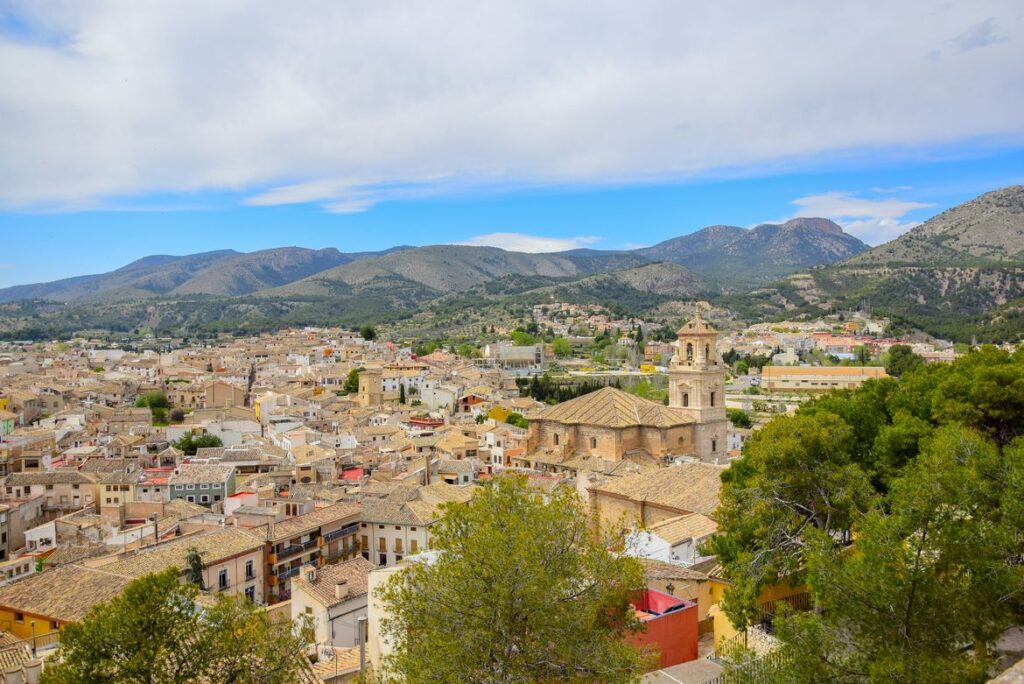
Spain expects a major tourism surge for the August 12 total solar eclipse, with rural Castile and Leon preparing for…
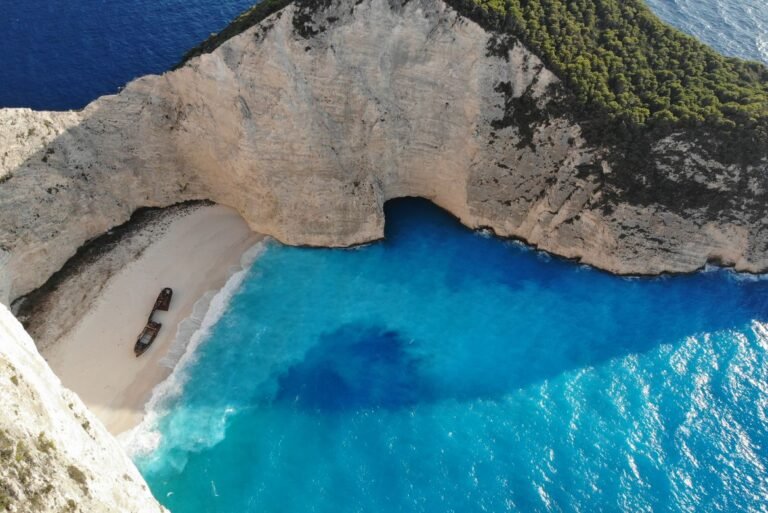
Greek authorities plan to extend Navagio Beach on Zakynthos by 30 meters to protect its famous shipwreck while the site remains closed over safety concerns.
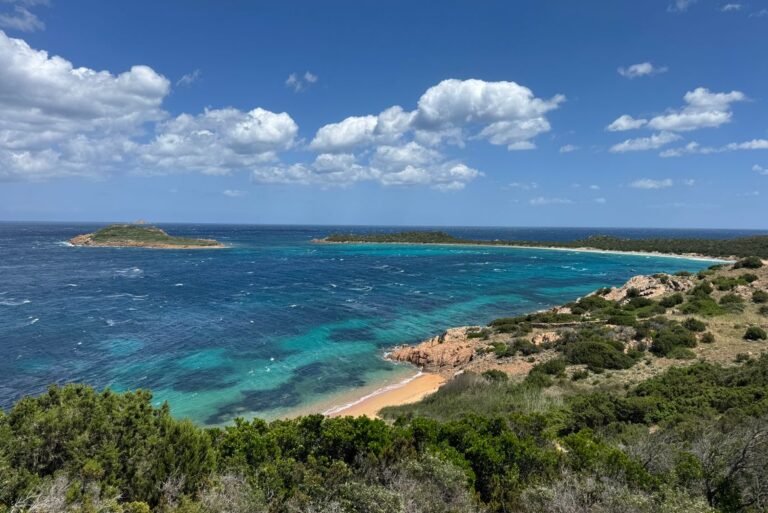
Popular beaches in Italy, especially in Sardinia, are using booking systems and visitor caps to manage overcrowding and protect fragile coastal landscapes.
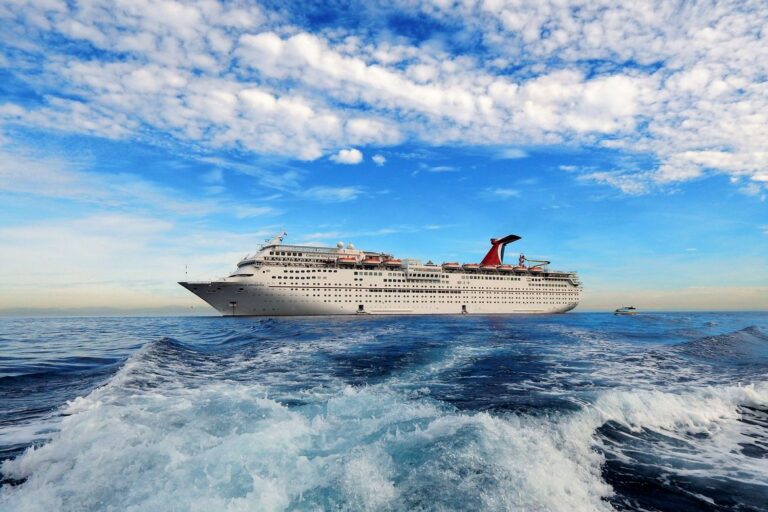
Cruise demand is climbing into summer 2026, with Europe standing out for fuller ships, higher prices and stronger interest in Mediterranean and Northern routes.
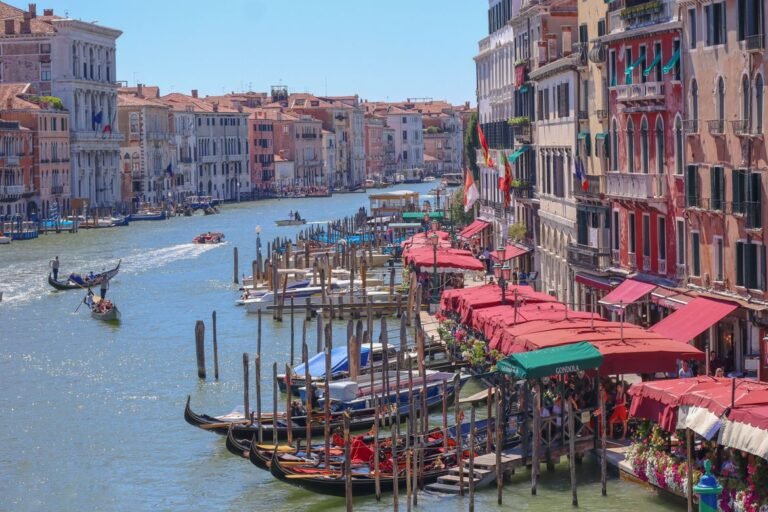
Venice is considering a major increase to its day-tripper entry fee, with officials weighing a sliding charge of up to €50 on the city’s busiest dates.
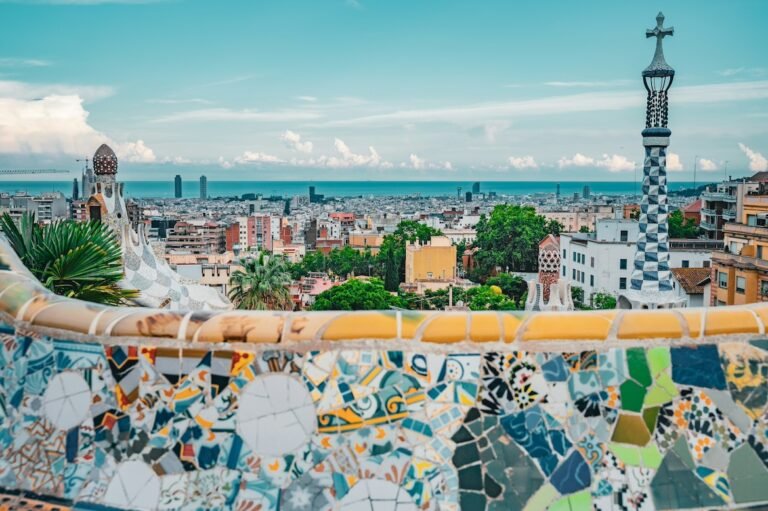
Spain welcomed 26.5 million international visitors in the first four months of the year, keeping the country on track for another record tourism season.
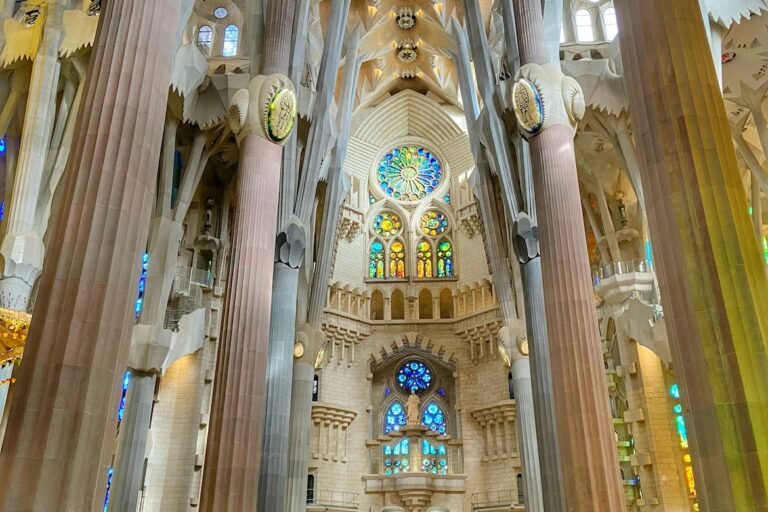
Barcelona’s Sagrada Familia has reached its final height with the Tower of Jesus Christ, drawing global attention while renewing debate over overtourism and local impact.
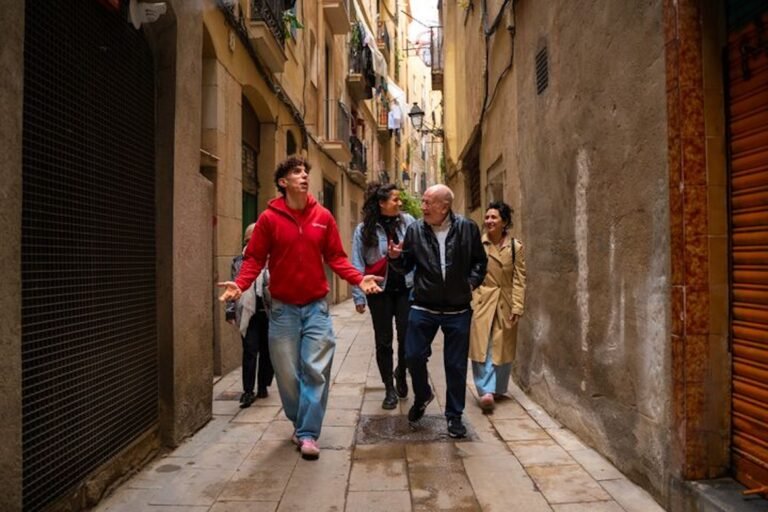
Intrepid Travel has launched new locally led day trips in Barcelona, Venice and Paris, designed to move visitors beyond overcrowded landmarks.