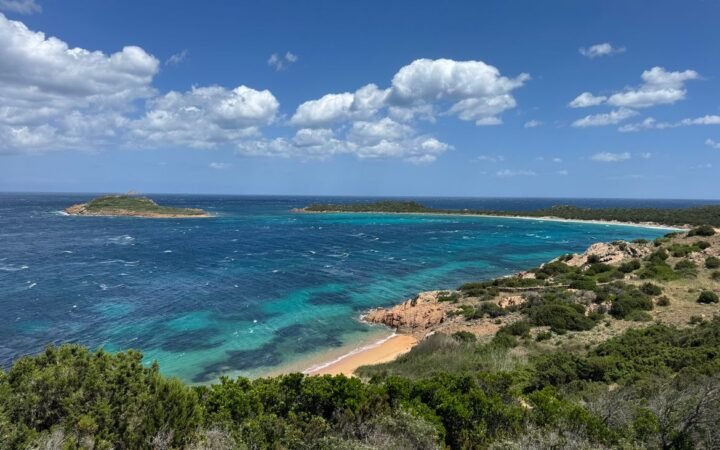
Italy’s beach holidays are becoming less spontaneous as some of the country’s most popular shores turn to reservation systems, visitor caps and digital QR codes to control overcrowding. The shift is especially visible in Sardinia, where small coves, fragile dunes and postcard-famous beaches are under growing pressure from summer tourism.
The timing is not accidental. Italy’s tourism sector continues to expand, with arrivals up 4.2% and overnight stays up 7.5% in the first quarter of 2026, according to national statistics. That demand is good news for hotels, restaurants and local economies, but it is also forcing destinations to rethink how many people fragile coastal areas can safely handle.
For travelers, the message is simple: showing up with a towel and hoping for space may no longer work at some headline beaches. A growing number of Italian beaches now require advance booking, small access fees or timed entry, especially during the high summer season.
Sardinia Is Leading the Reservation Push
La Pelosa, near Stintino in northwestern Sardinia, has become one of the clearest examples of the new system. The beach is known for its shallow turquoise water and white sand, but access is limited to 1,500 visitors per day between May and October. Reservations are required, cost €3.50 per person, and visitors receive a QR code for entry.
Regular advance availability for La Pelosa is currently sold out until mid-September, showing how quickly demand can outstrip access. Some last-minute daily slots may be released closer to the date, but travelers cannot rely on walking in during peak periods.
Other Sardinian beaches are following similar rules. Cala Goloritze, a UNESCO-protected cove on the island’s east coast, limits access to 250 people and charges €7 per adult. Cala Brigantina has a daily cap of 60 people, while Su Sirboni allows 786 visitors. Tuerredda Beach, Cala Brandinchi and Lu Impostu also require bookings during parts of the summer season.
The purpose is not only crowd control. Local authorities and environmental groups say the rules are meant to protect sand, dunes, water quality and coastal ecosystems. At beaches like La Pelosa, even sand removed unintentionally on towels can contribute to long-term damage.
Beach Trips Now Require More Planning
The new rules are changing how travelers plan beach days in Italy. Visitors need to check official booking platforms, understand local time windows, pay any required fee, and plan parking separately. Hotels and premium travel advisors may increasingly treat beach reservations like restaurant bookings or museum tickets.
The trend also reflects a wider European shift. Spain’s Praia das Catedrais requires reservations during peak periods, while France’s Calanque de Sugiton introduced a booking system after heavy foot traffic caused erosion. In Kent, Sandwich Bay operates as a paid-access private estate rather than an open public beach.
Not every beach in Italy requires a reservation, and many remain free to access. But travelers heading to famous Sardinian coves or heavily photographed beaches should now check rules before building an itinerary around them. The alternative is choosing less famous stretches of coast, traveling outside peak season or asking local hotels for quieter options.
For Italy, the challenge is balancing access with preservation. The sea remains central to the country’s travel identity, but the most beautiful beaches are not unlimited spaces. Reservation systems may feel frustrating, yet they also signal a new reality of European summer travel: the most desirable places increasingly need active management to survive their own popularity.
Disclaimer: TravelCapybara is an independent media brand owned and operated by NuvexMedia LLC, publishing travel news, destination guides, research, and insights. NuvexMedia LLC may invest in or collaborate with companies across the travel, hospitality, technology, and digital media sectors. These relationships do not influence TravelCapybara’s editorial coverage. While we strive for accuracy, travel requirements, prices, schedules, availability, and local conditions may change without notice. Readers should independently verify information before making travel or purchasing decisions. This content is for informational purposes only and does not constitute professional advice. © 2026 NuvexMedia LLC. All rights reserved.