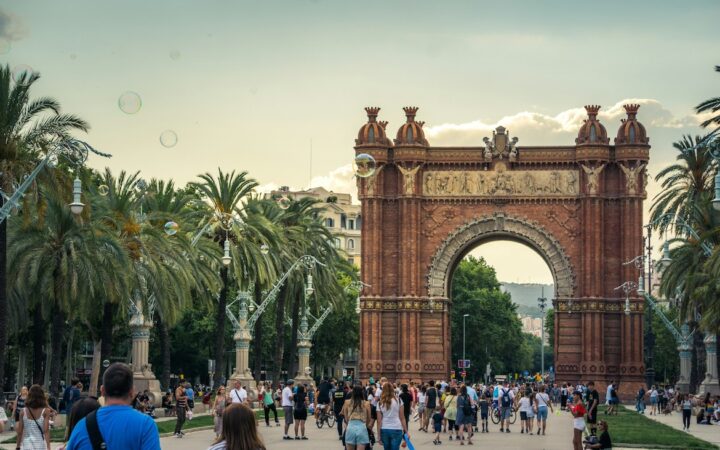
Barcelona is considering a sharp increase in tourist taxes that could leave short-stay cruise passengers paying as much as €30 to visit the city. The proposal is the latest sign that one of Europe’s busiest destinations is moving away from tourism growth and toward a deliberate cap on visitor numbers.
Cruise passengers spending fewer than 12 hours in Barcelona could face a combined charge of up to €30, including a municipal tax of as much as €24. City officials advanced the plan during a committee meeting on July 15, significantly increasing the previously discussed municipal rate.
The measure follows another major tax change introduced in April, when Barcelona nearly doubled the nightly charge paid by hotel guests. Depending on the type of accommodation, travelers now face tourism taxes of roughly €10 to €17 per person per night.
Barcelona’s commissioner for sustainable tourism, José Antonio Donaire, has said the city no longer wants visitor numbers to rise. Around 15.7 million tourists stayed in Barcelona in 2025, and officials see 16 million as the upper limit the city should accommodate.
The policy reflects growing frustration over crowded streets, pressure on public transport, rising housing costs and the conversion of residential properties into short-term rentals. Demonstrations against mass tourism have become increasingly visible, with residents arguing that entire neighborhoods are being reshaped around visitors rather than local life.
Cruise Passengers Are Becoming the Main Target
Short-stay cruise passengers have attracted particular attention because they can add large crowds to central neighborhoods without generating the same accommodation spending as overnight visitors. Barcelona is one of the Mediterranean’s leading cruise ports and welcomes around four million cruise passengers annually.
City officials argue that higher taxes could help manage crowding and ensure that visitors contribute more toward public services and infrastructure. Barcelona has already limited cruise activity, introduced a moratorium on new hotel construction and pledged to end licenses for thousands of short-term rental apartments by the end of the decade.
The World Travel & Tourism Council has warned that a steep cruise tax could put Barcelona at a competitive disadvantage compared with other Mediterranean ports. WTTC President and CEO Gloria Guevara said abrupt tax increases do not always reduce visitor pressure as intended and could instead redirect cruise itineraries elsewhere.
The organization also noted that passengers beginning or ending cruises in Barcelona spend an average of around €255 locally, supporting hotels, restaurants, transport providers and other businesses. Industry groups fear that aggressive taxation could reduce that contribution without solving the city’s deeper housing and infrastructure problems.
Barcelona officials insist the goal is not to eliminate tourism. Instead, the city wants to attract visitors who stay longer, spend more and travel for business, culture or meaningful local experiences. Authorities also want neighborhoods to retain everyday shops and services rather than becoming dominated by souvenir stores and tourist-oriented businesses.
For travelers, the proposed tax means a Barcelona visit could become noticeably more expensive, particularly for cruise passengers making brief port calls. The final structure has not yet been confirmed, but the direction is clear: Barcelona is no longer asking how many more tourists it can attract. It is asking how many the city can realistically handle.
Disclaimer: TravelCapybara is an independent media brand owned and operated by NuvexMedia LLC, publishing travel news, destination guides, research, and insights. NuvexMedia LLC may invest in or collaborate with companies across the travel, hospitality, technology, and digital media sectors. These relationships do not influence TravelCapybara’s editorial coverage. While we strive for accuracy, travel requirements, prices, schedules, availability, and local conditions may change without notice. Readers should independently verify information before making travel or purchasing decisions. This content is for informational purposes only and does not constitute professional advice. © 2026 NuvexMedia LLC. All rights reserved.