Iceland Overtakes Switzerland as World’s Most Expensive Country
Iceland has overtaken Switzerland as the world’s most expensive country, with tourism, housing and high service costs adding pressure to everyday prices.
Praia de Monte Clérigo in Portugal’s Algarve has been named Europe’s best beach for 2026, leading a ranking that also highlights Greece, Italy, Spain, Norway and Turkey.
Jamaica is moving ahead with new airline routes, a $5 billion hotel investment pipeline and stronger regional connectivity after a resilient start to 2026.
Spain has received a record 794 Blue Flags for 2026, reinforcing its position as one of the world’s leading destinations for clean, safe and well-managed beach travel.
Aman Sveti Stefan is preparing to reopen in Montenegro after a long closure tied to a beach access dispute, restoring one of the Adriatic’s most recognizable luxury resorts.
Toyota’s Woven City in Japan near Mount Fuji is emerging as one of the country’s most unusual new attractions, blending robotics, AI, and autonomous mobility into a real-world test city that could soon draw global curiosity.
Valletta has taken the top spot in a new ranking of Europe’s sunniest capitals, underlining Malta’s strong appeal for travelers chasing warm weather and year-round brightness.
Japan is adding and expanding local lodging taxes in 2026 as more destinations try to manage overtourism and fund infrastructure. The amounts are often modest outside Kyoto, but together they point to a broader shift in how the country plans to pay for rising visitor pressure.
Avanti Destinations is expanding its Europe product with new Insider Tours, a collection of small-group walking experiences in eight major cities. The move reflects rising demand for more flexible, lower-capacity city tours that still deliver local insight and guaranteed departures.
Venice is again charging day visitors to enter the historic city on selected peak dates from April through July. The system is now more practical than symbolic: register in advance, get a QR code, and pay more if you leave it too late.
Icelandair is offering a paid 10-day trip to Iceland for someone with no photography skills, turning bad photos into a tourism marketing angle. The campaign is a smart reminder that destinations are increasingly being sold through relatability, not polished perfection.
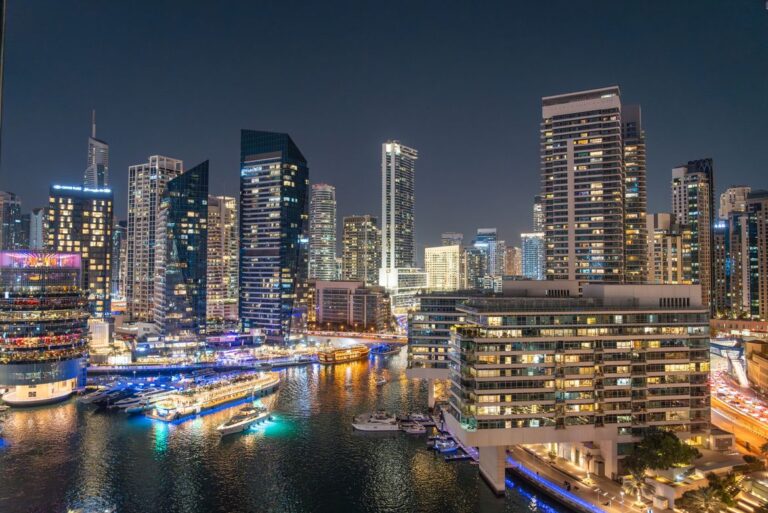
A new UAE restriction barring Iranian nationals from entering or transiting through Dubai adds another layer of disruption to Gulf travel. The move affects not only direct movement between Iran and the Emirates, but also a major regional hub used for onward international connections.
Dubrovnik has received one of the EU’s top tourism honors after years of trying to move beyond its overtourism image. The award matters because it recognizes a shift from promotion-led growth to tighter control over visitor flows, transport, and environmental pressure.
Spain is edging toward another tourism milestone as higher fuel costs and geopolitical instability push some travelers toward closer, lower-risk destinations. The upside is clear for hotels, airlines, and resort markets, but the growth also adds pressure to already crowded destinations.
Japan has approved a new tourism plan that expands overtourism controls while keeping aggressive visitor and spending targets in place through 2030. The policy signals a shift from simple volume growth toward tighter management of crowding, local disruption, and regional distribution.