UAE Oil Spill Closes Umm Al Quwain Beaches and Sharjah’s Al Hamriyah
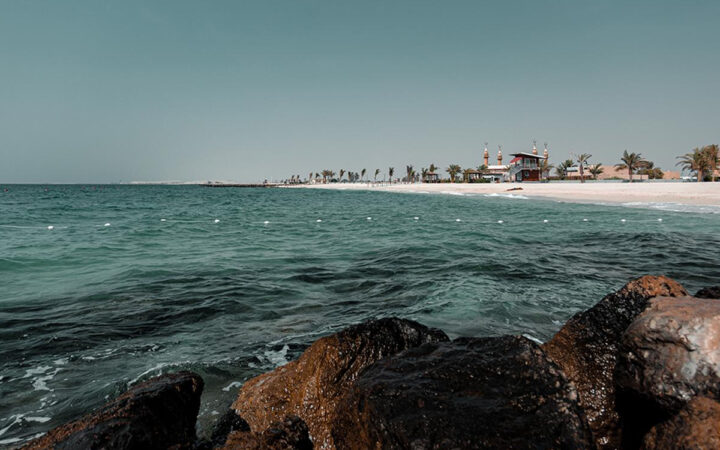
All Umm Al Quwain beaches are closed after a tanker oil spill, while Sharjah has shut Al Hamriyah Beach as a precaution. No reopening date has been announced.

All Umm Al Quwain beaches are closed after a tanker oil spill, while Sharjah has shut Al Hamriyah Beach as a precaution. No reopening date has been announced.
Italy and Spain will let their temporary air and sea border checks expire at the end of October 22, restoring normal Schengen arrangements for travelers.
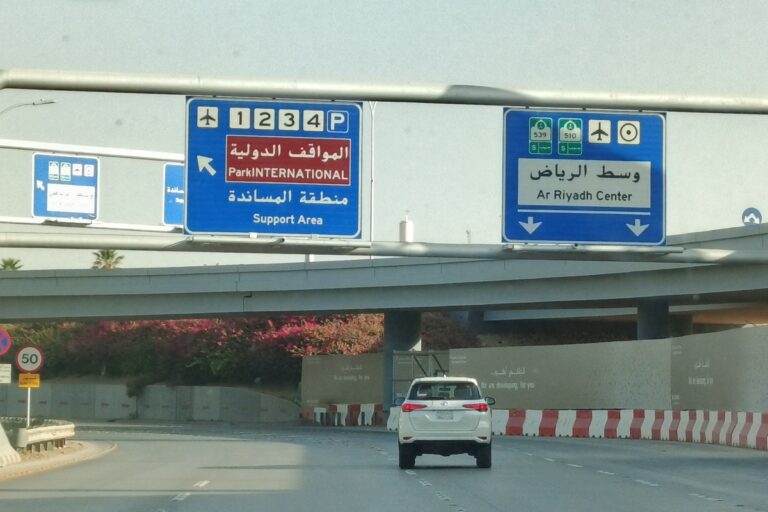
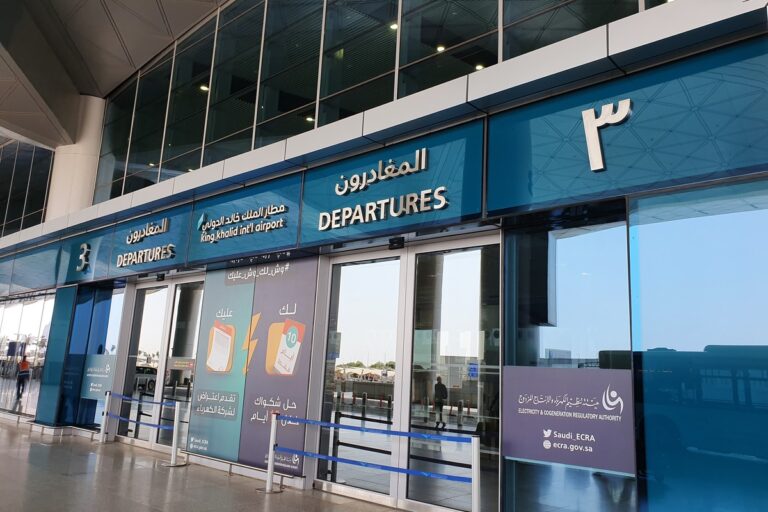
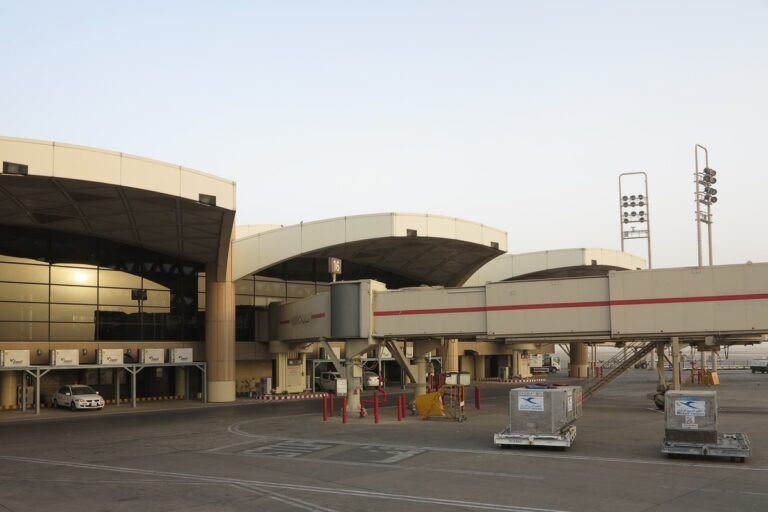
Riyadh airport has reopened, but airline suspensions extend from late October into 2027. Here is what travelers should check before flying.
Airlines are trying to protect aircraft worth up to $4 billion in Riyadh, while travelers face continuing cancellations and government warnings.
A US court sets a 30-day DV-2027 entry window and December 3 selection deadline. The $1 registration fee is confirmed, but applications are not yet open.
The UAE tops Arton Capital’s Passport Index with access to 182 destinations through visa-free entry and simplified arrangements. Here’s what the score means.
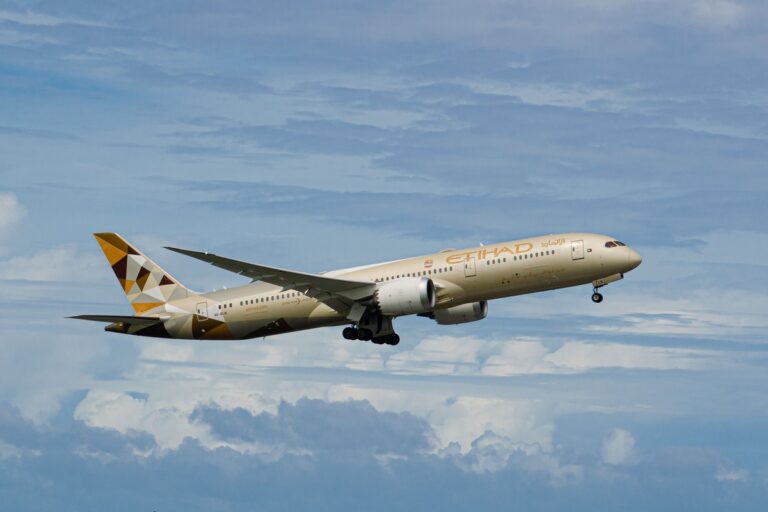
Etihad has cancelled all Abu Dhabi–Riyadh flights through October 19, with Dammam also affected and a different timetable for Jeddah.
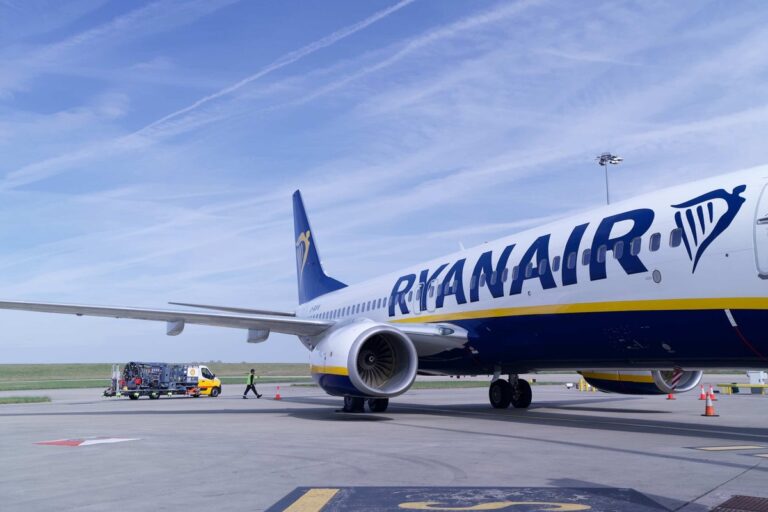
Ryanair will close airport check-in and bag drop 60 minutes before departure from November 10, 2026. Here’s what the change means for travellers flying from Poland.
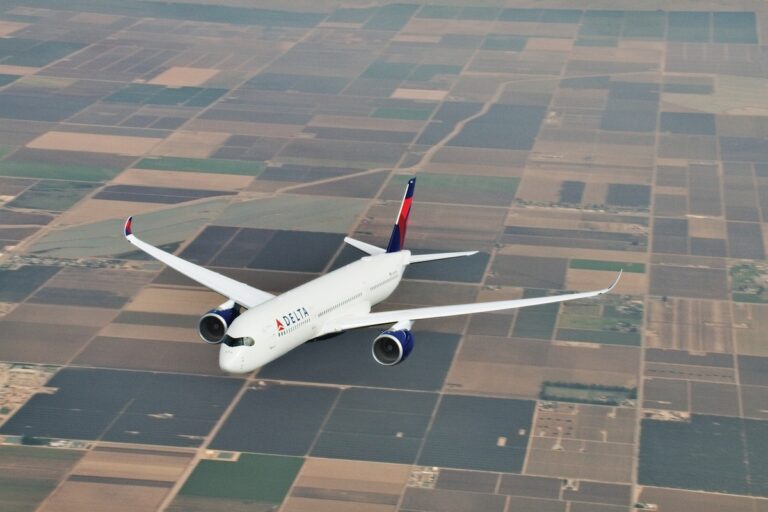
Delta has postponed its Saudi Arabia debut from October 23 to March 2027, with refunds and rebooking options for affected travellers.
Cancellations affect Saudi services from Dubai, Abu Dhabi and Sharjah as airlines revise schedules. Check the latest updates before travelling.
Riyadh airport’s closure was extended after deadly attacks, with Etihad cancellations on October 12–13 and stronger government travel warnings.
Riyadh’s King Khalid International Airport has resumed operations, but Etihad and flydubai cancellations continue into the weekend.
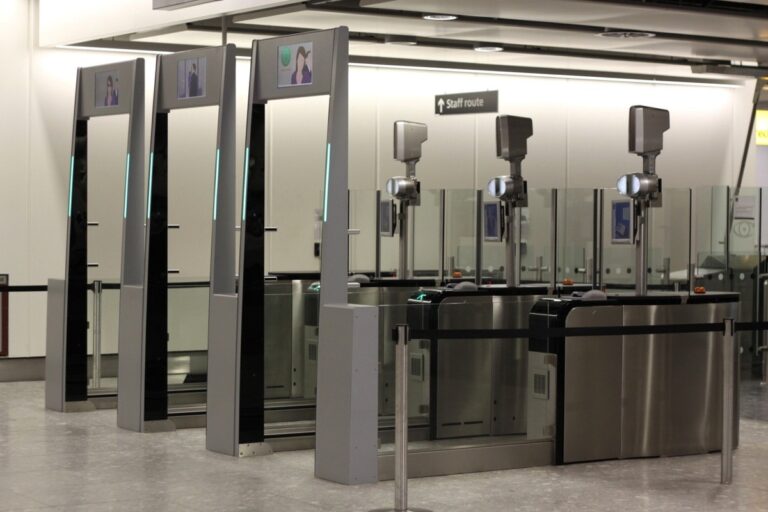
East Midlands Airport is first to offer contactless eGates for British citizens, with a wider rollout planned by early 2027. Travelers must still carry passports.