Spain is preparing for one of the most unusual tourism events of the summer: a total solar eclipse expected to draw hundreds of thousands of visitors to rural regions that are usually overlooked by international travelers. On August 12, 2026, the eclipse will sweep across northern Spain, marking the country’s first total solar eclipse since 1905.
The event itself will be brief. Totality is expected to last around 90 seconds in some areas, but the tourism impact could be much larger. Around 500,000 visitors are forecast to travel to Castile and Leon, including about 40,000 in Burgos alone. For a provincial city better known for its medieval cathedral than mass tourism, that would be a major influx.
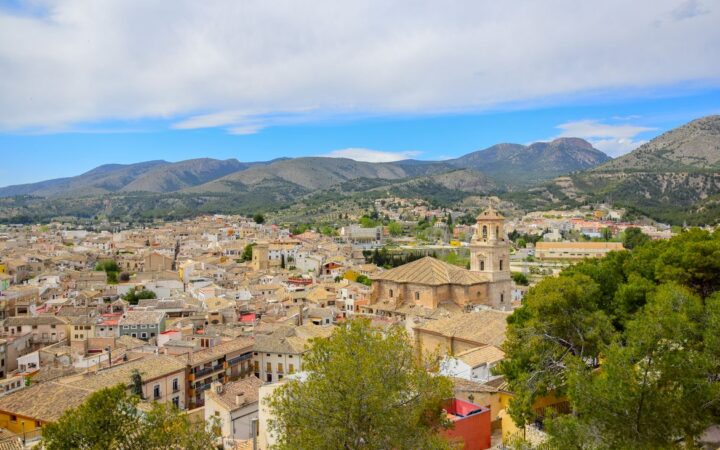
Spain is already the world’s second most visited country after France, but much of its tourism remains concentrated along the coast and in major urban centers. The eclipse gives inland destinations a rare chance to capture global attention, especially in areas sometimes described as “empty Spain” because of population decline and weaker tourism flows.
The Eclipse Is Turning Rural Spain Into a Travel Hotspot
The path of totality will cross a wide stretch of the country, from Galicia and northern Spain through central areas and toward the Mediterranean and the Balearic Islands. Cities such as A Coruña, Bilbao, Zaragoza and Valencia are expected to experience totality, while Madrid and Barcelona will see a near-total partial eclipse.
Burgos has emerged as one of the most in-demand viewing bases. Local hotels have seen strong international bookings from the United States, South America, Japan, China and other Asian markets. Some reservations reportedly began up to 18 months ahead of the event, and rare remaining rooms have been priced as high as 1,200 euros per night.
For local officials, the hope is that eclipse tourism creates more than a one-day spike. If visitors leave with a strong impression of Burgos, Castile and Leon and surrounding villages, the event could help diversify Spain’s tourism map beyond beaches, Barcelona and the usual summer circuit.
The timing also fits a broader national priority. Spain has been trying to spread visitors more evenly as crowded destinations face overtourism pressure. Another two eclipses are expected in 2027 and 2028, giving rural regions a multi-year opportunity to promote astronomy tourism, cultural travel and off-peak itineraries.
Crowds, Heat and Safety Are the Big Challenges
The excitement comes with logistical problems. Officials are preparing for road congestion, day-trippers from across Spain and caravans arriving from neighboring France. The prospect of large crowds standing in fields during August heat has raised concerns over emergency access, health risks and crowd control.
Authorities are creating designated observation points to manage visitors and reduce disruption. Coordination between local government, regional officials and emergency services will be crucial, especially in smaller communities that are not used to handling major event crowds.
Eye safety is another major concern. Experts warn that people should not look directly at the sun during the eclipse without certified eclipse glasses that meet proper safety standards. Ordinary sunglasses are not enough, and eye damage can happen without immediate pain.
For travelers, the best plan is to book early, choose an official viewing area, prepare for heat and bring approved eclipse glasses. The reward could be one of Spain’s most memorable travel moments of the decade: a brief twilight over rural landscapes that suddenly find themselves at the center of the world’s attention.
Disclaimer: TravelCapybara is an independent media brand owned and operated by NuvexMedia LLC, publishing travel news, destination guides, research, and insights. NuvexMedia LLC may invest in or collaborate with companies across the travel, hospitality, technology, and digital media sectors. These relationships do not influence TravelCapybara’s editorial coverage. While we strive for accuracy, travel requirements, prices, schedules, availability, and local conditions may change without notice. Readers should independently verify information before making travel or purchasing decisions. This content is for informational purposes only and does not constitute professional advice. © 2026 NuvexMedia LLC. All rights reserved.