Spain is moving closer to the symbolic threshold of 100 million international tourists in a single year after a stronger-than-expected spring rebound. The country welcomed 26.5 million foreign visitors between January and April, up 3.4% from the same period last year, according to data from Spain’s National Statistics Institute.
April marked the turning point. Spain received 9.1 million international tourists during the month, a 5.2% year-over-year increase and the strongest annual growth rate recorded in the past 12 months. The figures suggest that demand recovered after a slower start to the year and that the country’s peak summer season may again test capacity across major destinations.
The United Kingdom remained Spain’s largest source market, sending almost 1.7 million visitors in April, up 2.7% from a year earlier. France followed with around 1.3 million arrivals, while Germany, traditionally one of Spain’s most important travel markets, declined 9.1% to about 1.2 million visitors.
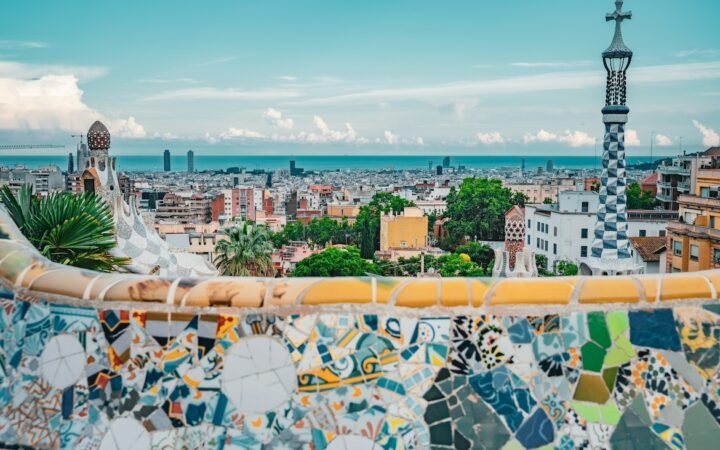
Catalonia was the leading destination for international tourists in April, accounting for 20.8% of arrivals. Andalusia and the Valencian Community also attracted high visitor numbers, reinforcing the continued strength of Spain’s coastal, city and cultural travel mix.
The figures also build on Spain’s wider summer appeal. As we reported earlier, the country entered the season with another strong signal for coastal tourism, reinforcing the appeal of its beach destinations just as international arrivals accelerate.
The rebound comes as international travel patterns are being shaped by broader geopolitical uncertainty. Analysts have pointed to the recovery of long-haul travel, especially from the Americas, stronger business travel and rising demand for destinations perceived as stable. In that environment, Spain appears to be benefiting from its position as a familiar, accessible and well-connected European destination.
Spain’s performance is also notable because it is already one of the world’s largest tourism markets. The country welcomed 96.8 million foreign tourists last year, keeping its position as the second most visited country globally after France, which received about 105 million visitors. If current demand holds through the summer, Spain could come close to or potentially surpass the 100 million visitor mark.
That would be a major milestone for the national tourism industry, but it also raises familiar questions. Spain has spent years balancing record arrivals with pressure on housing, public services, local communities and popular urban and coastal areas. The latest figures will strengthen the sector’s economic outlook, but they may also intensify debate over how to manage growth.
Tourism leaders have increasingly emphasized that the goal is not only higher visitor numbers. Profitability, visitor spending, seasonality and destination management are becoming more important as Spain looks for a more sustainable model. Attracting travelers with greater spending power and spreading demand beyond the busiest months and locations will be central to that effort.
For now, Spain’s spring rebound shows that international demand remains resilient. With summer bookings still ahead, the country is entering its most important travel period with momentum and with the 100 million visitor threshold within reach.
Disclaimer: TravelCapybara is an independent media brand owned and operated by NuvexMedia LLC, publishing travel news, destination guides, research, and insights. NuvexMedia LLC may invest in or collaborate with companies across the travel, hospitality, technology, and digital media sectors. These relationships do not influence TravelCapybara’s editorial coverage. While we strive for accuracy, travel requirements, prices, schedules, availability, and local conditions may change without notice. Readers should independently verify information before making travel or purchasing decisions. This content is for informational purposes only and does not constitute professional advice. © 2026 NuvexMedia LLC. All rights reserved.