Intrepid’s 2027 Not Hot List Names 10 Destinations Beyond the Crowds
Intrepid's 2027 Not Hot List highlights 10 lesser-visited destinations, backed by five new itineraries designed to spread tourism's benefits.
Disneyfication refers to the transformation of real places, cultures, or experiences into simplified, sanitized, and tourist-friendly versions, often prioritizing entertainment and consumption over authenticity.
Disneyfication is a cultural and urban phenomenon where authentic locations, traditions, or cultural elements are reshaped to appeal to mass tourism in a way that resembles a theme park experience. The term originates from the influence of Disney theme parks, where environments are carefully curated, idealized, and commercialized. In tourism, Disneyfication often means stripping away complexity, controversy, or cultural depth and replacing it with easily digestible, aesthetically pleasing, and marketable versions.
Examples include historic districts turned into commercial zones with souvenir shops, cultural performances adapted for tourists rather than local communities, or cities that redesign spaces to mimic idealized versions of themselves. While Disneyfication can boost tourism and local economies, critics argue it erodes cultural authenticity, homogenizes experiences, and prioritizes spectacle over substance.
Intrepid's 2027 Not Hot List highlights 10 lesser-visited destinations, backed by five new itineraries designed to spread tourism's benefits.
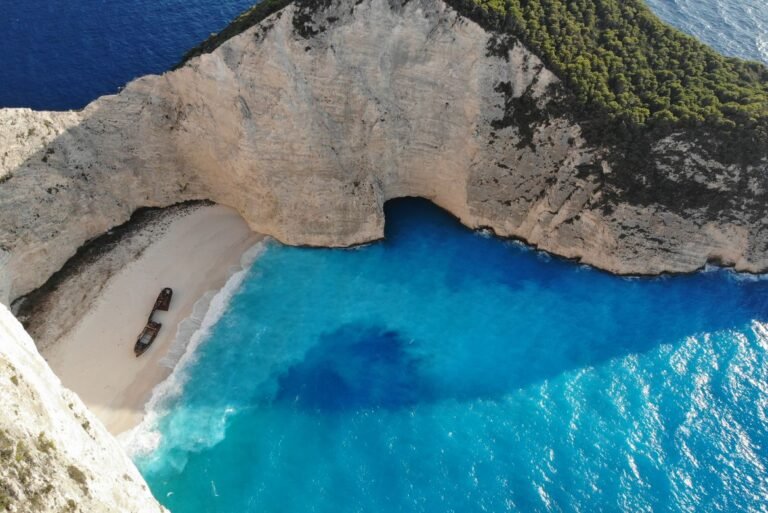
Greek authorities plan to extend Navagio Beach on Zakynthos by 30 meters to protect its famous shipwreck while the site remains closed over safety concerns.
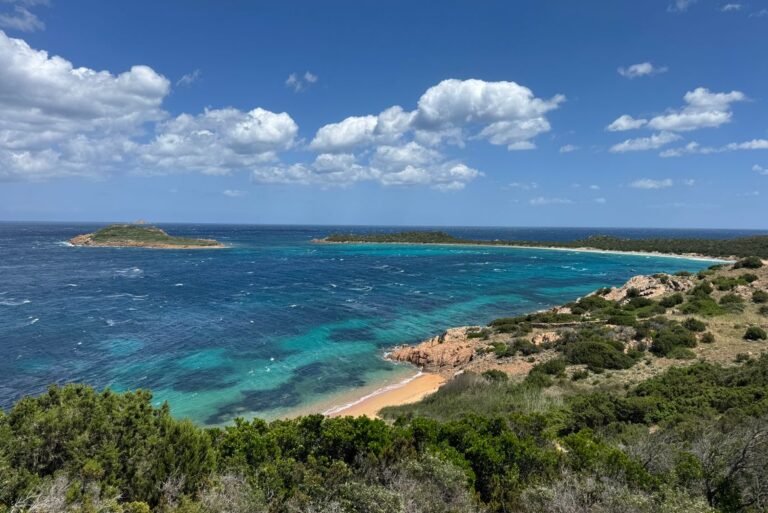
Popular beaches in Italy, especially in Sardinia, are using booking systems and visitor caps to manage overcrowding and protect fragile coastal landscapes.
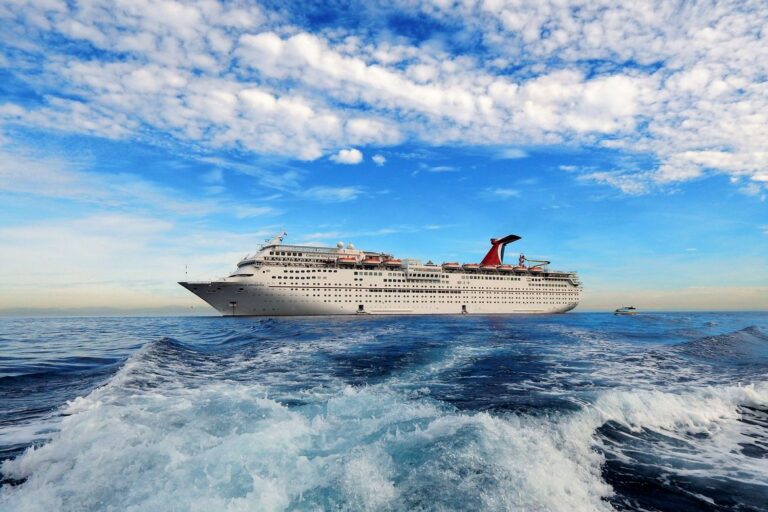
Cruise demand is climbing into summer 2026, with Europe standing out for fuller ships, higher prices and stronger interest in Mediterranean and Northern routes.
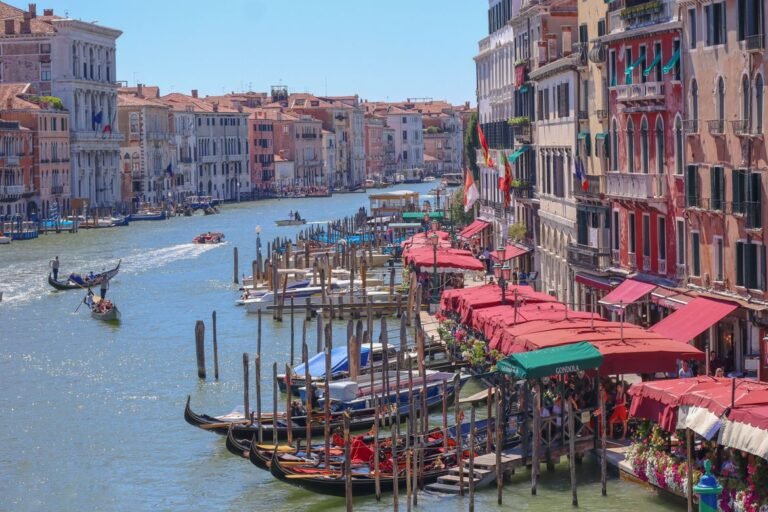
Venice is considering a major increase to its day-tripper entry fee, with officials weighing a sliding charge of up to €50 on the city’s busiest dates.
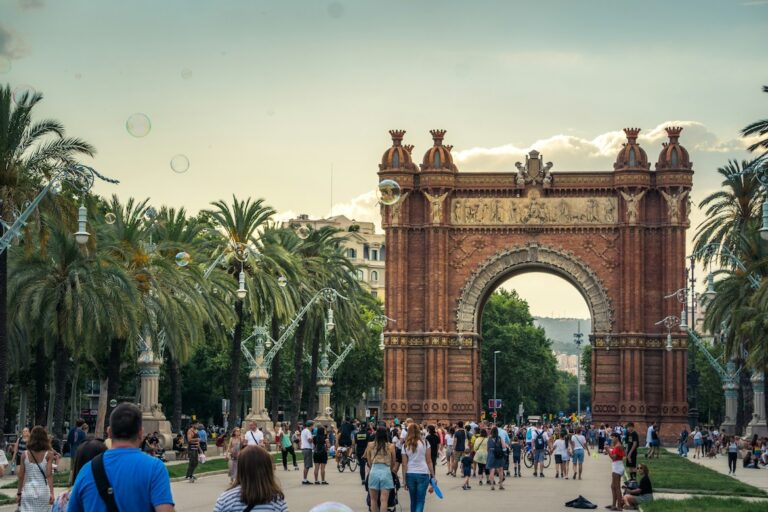
Spain welcomed 26.5 million international visitors in the first four months of the year, keeping the country on track for another record tourism season.
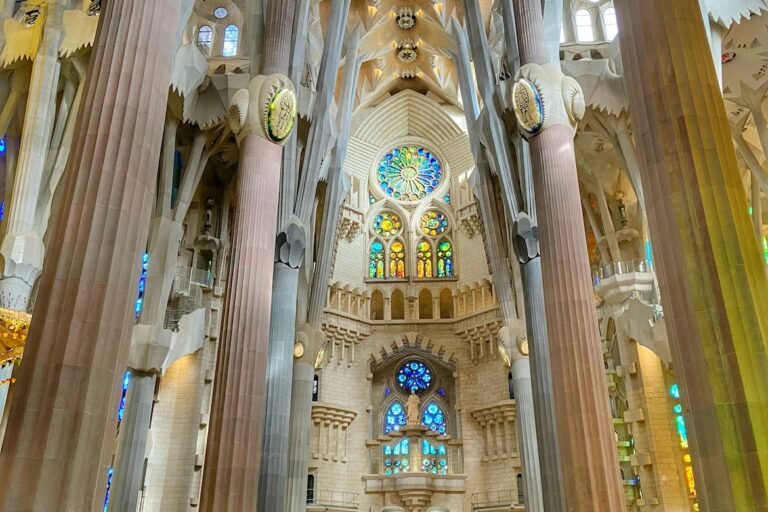
Barcelona’s Sagrada Familia has reached its final height with the Tower of Jesus Christ, drawing global attention while renewing debate over overtourism and local impact.
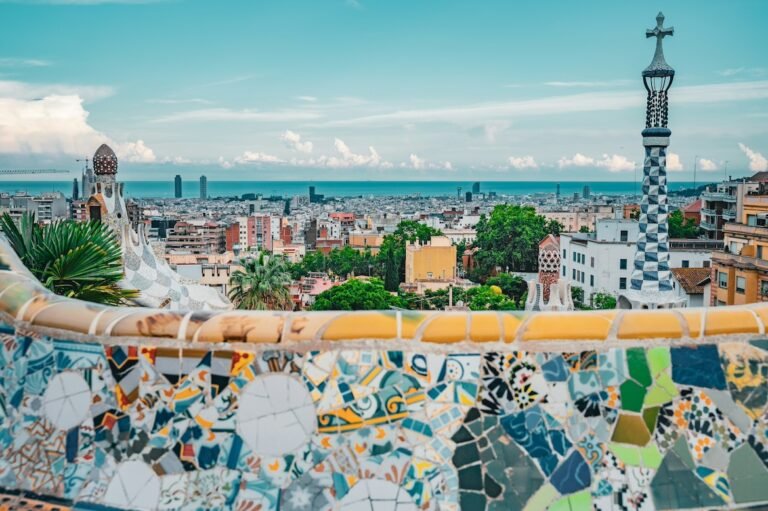
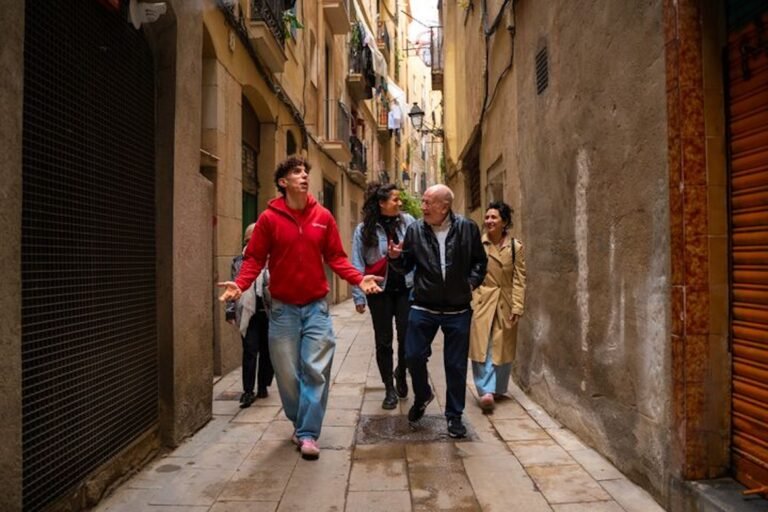
Intrepid Travel has launched new locally led day trips in Barcelona, Venice and Paris, designed to move visitors beyond overcrowded landmarks.
Travel in 2026 is being shaped by rising costs, climate concerns, major events and a stronger desire for flexible, meaningful trips.
Japan is adding and expanding local lodging taxes in 2026 as more destinations try to manage overtourism and fund infrastructure. The amounts are often modest outside Kyoto, but together they…