12 Best European Cities for a Weekend Break
From Lisbon and Prague to Copenhagen, Valencia, and Edinburgh, these European cities deliver the right mix of culture, food, walkability, and easy weekend appeal.

A great weekend break needs more than famous landmarks. The best European cities for a short trip are compact enough to enjoy in two or three days, but layered enough to make the visit feel complete. They offer walkable neighborhoods, strong public transport, reliable hotels, good food, cultural depth, and a sense that travelers can see a lot without turning the weekend into a race.
This list focuses on 12 cities that work especially well for a European weekend break. Some are classic capitals with museums, architecture, and grand boulevards. Others are coastal cities where beaches, markets, and old towns add a lighter rhythm to the trip.
Together, they show why city breaks remain one of Europe’s most flexible travel formats: easy to plan, rich in experiences, and ideal for travelers who want a quick change of scene without committing to a long itinerary.
Lisbon, Portugal
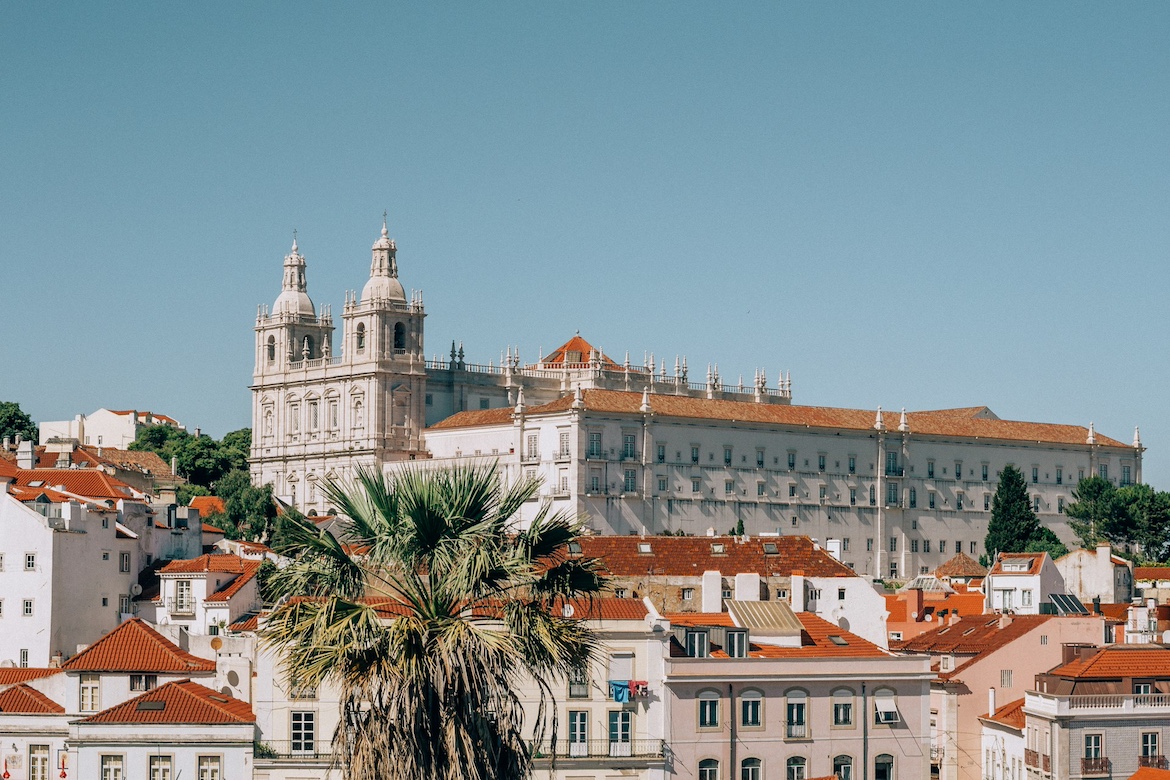
Lisbon is one of Europe’s strongest weekend-break cities because it combines atmosphere, weather, food, viewpoints, and waterfront neighborhoods in a compact but varied setting. The Portuguese capital feels relaxed without being sleepy, historic without feeling frozen, and lively without the pressure of a much larger city. For a two- or three-day trip, that balance matters.
The best first visit usually starts with Alfama, Baixa, Chiado, and Bairro Alto. These central districts give travelers tiled facades, steep streets, miradouros, tram views, shops, cafés, and restaurants within a walkable area. Belém adds another layer, with riverside monuments, museums, gardens, and pastéis de nata stops that make it easy to build a full half-day outside the old center.
Lisbon also works well because it does not rely on one headline attraction. The appeal is in the rhythm: coffee in the morning, a viewpoint walk, seafood or petiscos at lunch, the Tagus River in the afternoon, and a late dinner in a neighborhood restaurant. For travelers who want culture, warmth, and a strong food scene in one short trip, Lisbon remains one of Europe’s most reliable choices.
Prague, Czech Republic
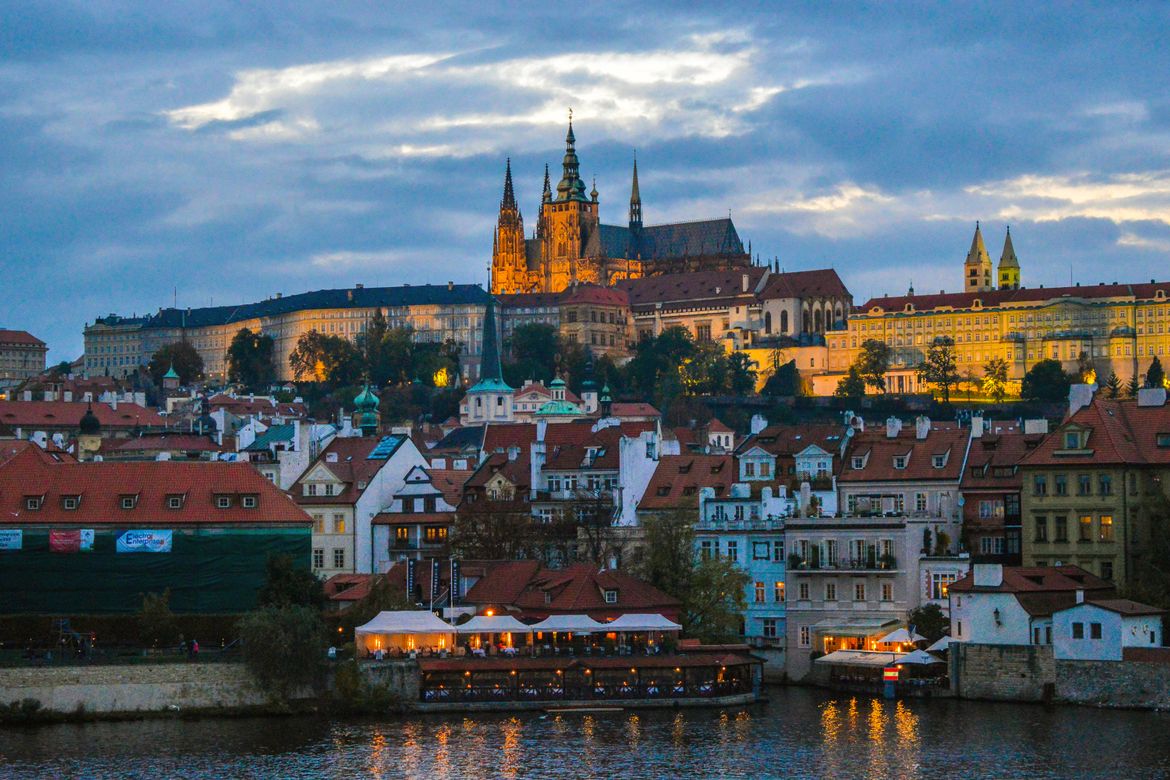
Prague is almost built for a weekend break. Its historic core is compact, dramatic, and easy to explore on foot, with Gothic towers, Baroque churches, cobbled lanes, river views, and one of Europe’s most recognizable castle districts. Even a short visit can feel visually rich because so many of the city’s landmarks sit close together.
The classic route moves from Old Town Square to Charles Bridge, then across the Vltava River toward Malá Strana and Prague Castle. That route can be busy, but it still gives first-time visitors an excellent introduction to the city’s architecture and history. Early mornings and evenings are often the best times to experience the most famous areas without feeling overwhelmed.
Prague also has a strong second layer for travelers who have already seen the main sights. Vinohrady, Letná, Holešovice, and Karlín bring cafés, parks, galleries, beer halls, and more local restaurants into the trip. That makes Prague useful for repeat weekends as well as first visits. It is beautiful enough for the postcard version of Europe, but varied enough to reward slower wandering.
Copenhagen, Denmark
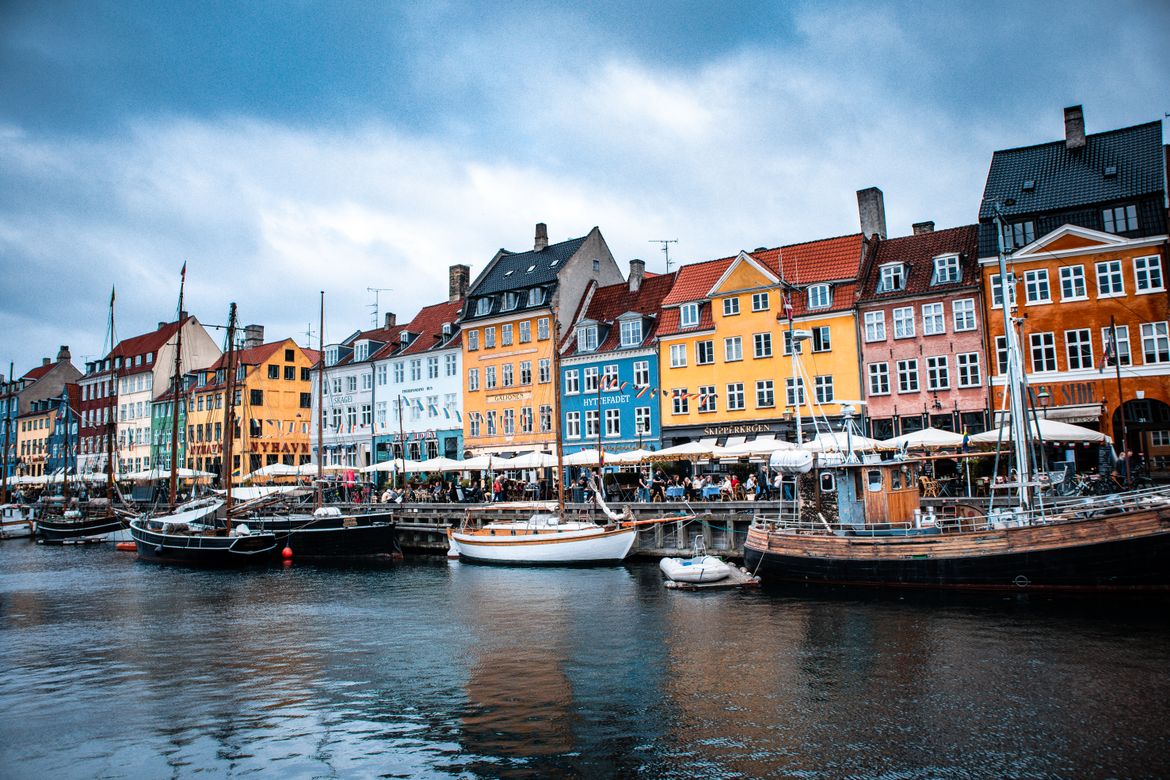
Copenhagen is a strong weekend choice for travelers who value design, food, cycling, water, and a calm urban rhythm. The Danish capital often feels easier to navigate than many larger European cities, with neighborhoods linked by bikes, metro lines, harbor paths, and walkable streets.
A first weekend can combine Nyhavn, Christianshavn, the harbor baths, Rosenborg Castle, the Designmuseum Danmark area, and a food stop at Torvehallerne. Tivoli Gardens adds a classic city-break landmark, especially for first-time visitors or families. The city’s waterfront also gives Copenhagen a lighter summer feel, with swimming, boat tours, and public spaces that make local life part of the attraction.
The best Copenhagen weekends are not overplanned. The city rewards simple movement: cycling across bridges, walking through Nørrebro, eating in a bakery, visiting a museum, or sitting by the water. It is not Europe’s cheapest city, but its ease, safety, food culture, and design sensibility make it one of the most satisfying short-trip destinations in Northern Europe.
Vienna, Austria
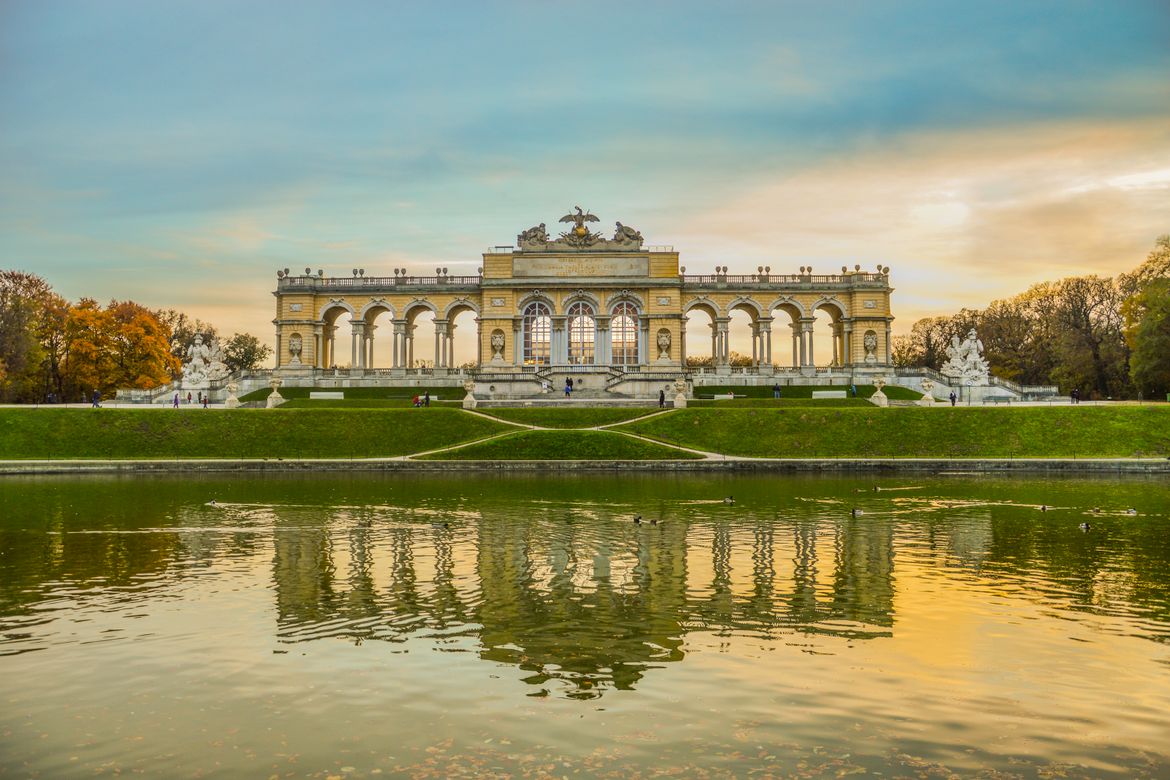
Vienna is one of Europe’s best cities for travelers who want a refined weekend with museums, music, coffeehouses, imperial architecture, and efficient public transport. It feels grand without being chaotic, and its main cultural attractions are easy to combine over two or three days.
The Ringstrasse gives first-time visitors a natural route through Vienna’s cultural core. The Vienna State Opera, Hofburg, Kunsthistorisches Museum, Rathaus, and Parliament area can all anchor a short itinerary. Schönbrunn Palace requires more time but is still manageable on a weekend, especially for travelers who want the full imperial-city experience.
Vienna’s best quality may be how easily it lets travelers slow down. A weekend can include major museums and palaces, but it should also leave room for coffeehouses, markets, parks, and tram rides. The city’s structure makes planning simple, while its cultural depth makes even a short trip feel substantial.
Valencia, Spain
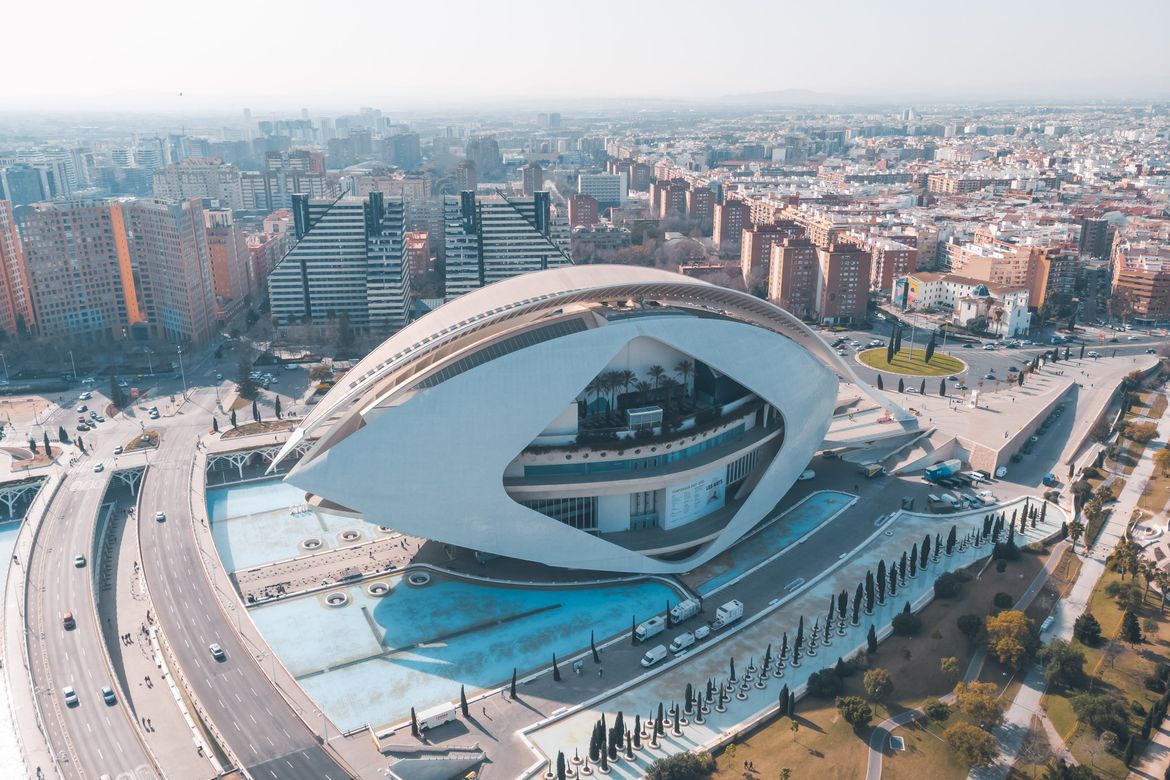
Valencia is one of Spain’s most underrated city-break options because it offers a rare combination: historic streets, modern architecture, beach access, excellent food, and a sunny Mediterranean climate. It is large enough to feel energetic but easier to manage than Madrid or Barcelona, which makes it ideal for a weekend.
The old town brings together the cathedral, Central Market, silk exchange, plazas, towers, and narrow lanes that are easy to explore on foot. The City of Arts and Sciences adds a completely different visual identity, with futuristic architecture set in the former Turia riverbed. That contrast between old Valencia and contemporary Valencia gives the city more range than many short-break destinations.
Valencia is also one of the best European city breaks for travelers who want food to shape the trip. This is the home of paella, but the wider dining scene includes markets, tapas bars, seafood restaurants, horchata stops, and relaxed terrace meals. Add Malvarrosa Beach and the Turia Gardens, and Valencia becomes a city where culture and leisure fit naturally into one weekend.
Edinburgh, Scotland
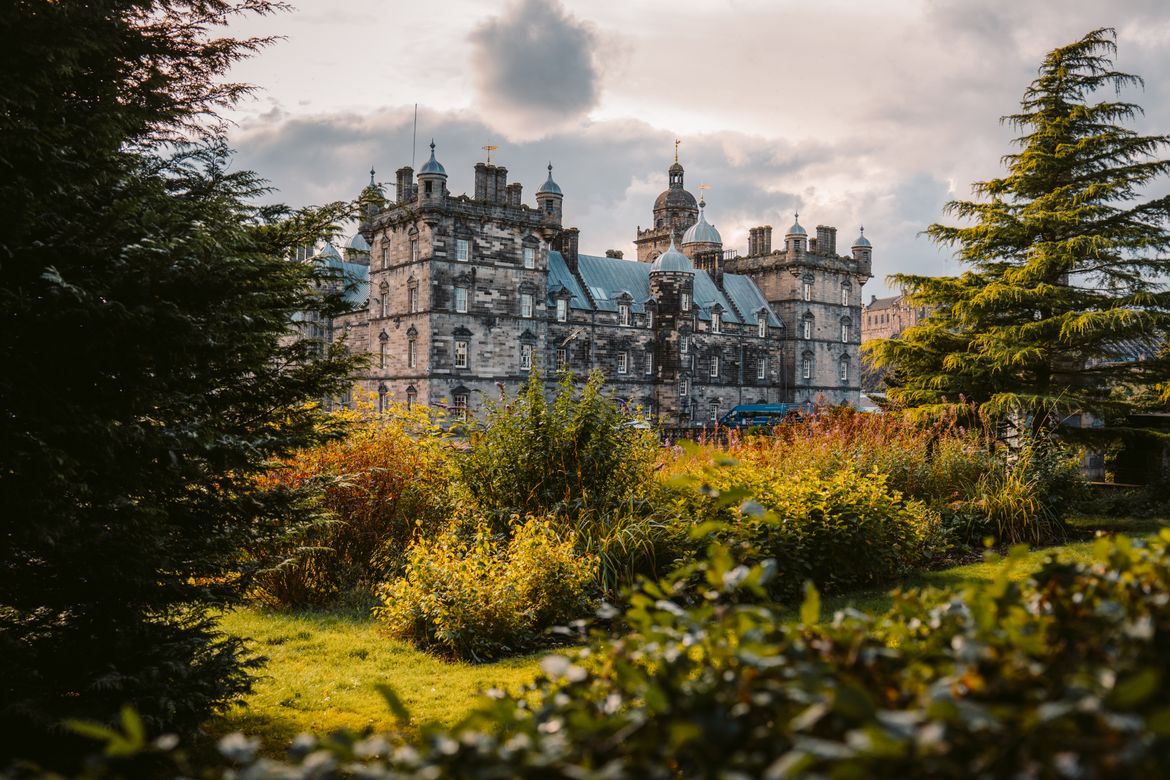
Edinburgh is one of Europe’s most atmospheric weekend cities, with a dramatic setting that immediately separates it from flatter capitals. The Old Town and New Town create two distinct urban worlds: medieval closes, stone stairways, and castle views on one side; Georgian streets, gardens, and elegant squares on the other. For a short break, the city offers strong impact without needing long transfers between sights.
The Royal Mile, Edinburgh Castle, St Giles’ Cathedral, Princes Street Gardens, Calton Hill, and Arthur’s Seat can all shape a first-time itinerary. What makes Edinburgh especially memorable is the sense of verticality. The city rises and drops constantly, giving travelers viewpoints, hidden passages, and unexpected angles across rooftops and hills.
Edinburgh also works outside festival season. Summer brings major events and long evenings, but autumn, winter, and spring offer quieter streets, cozy pubs, museums, and literary atmosphere. It is a strong choice for travelers who want history, scenery, walkability, and a city that feels distinctive from the first hour.
Amsterdam, Netherlands
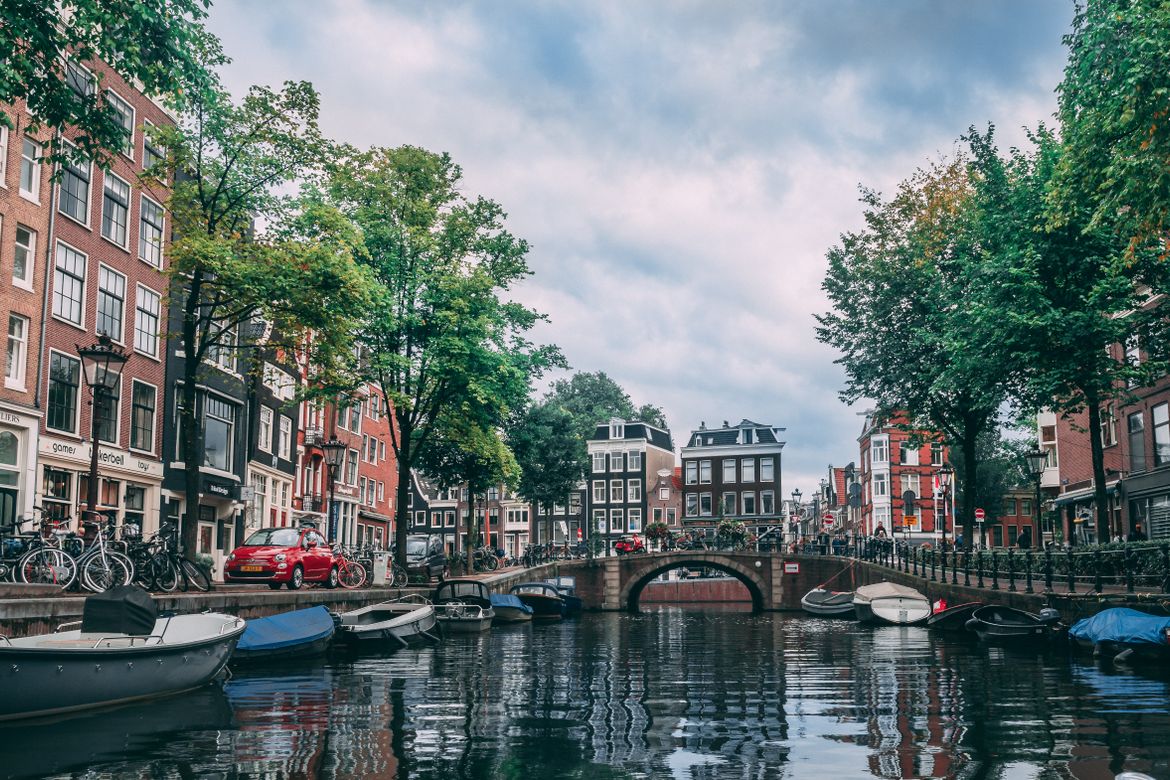
Amsterdam remains one of Europe’s most dependable weekend breaks because it is compact, scenic, and culturally dense. The canals provide the city’s structure, but the best visits go beyond the postcard view. Museums, neighborhood cafés, markets, parks, design shops, and waterfront districts make Amsterdam feel varied even during a short trip.
A first weekend often includes the Rijksmuseum, Van Gogh Museum, Anne Frank House area, Jordaan, the Nine Streets, and a canal walk or boat ride. These are popular for good reason, but Amsterdam is also a city where walking without a strict plan can be just as rewarding. The canal belt makes orientation easy, while the scale keeps the trip manageable.
The city does face overtourism pressures, so the best approach is thoughtful planning. Staying outside the busiest nightlife zones, booking major museums ahead, and spending time in neighborhoods such as De Pijp, Oud-West, or Amsterdam Noord can make the weekend feel more local. Amsterdam still works beautifully as a city break, especially when treated as a living city rather than a checklist.
Barcelona, Spain
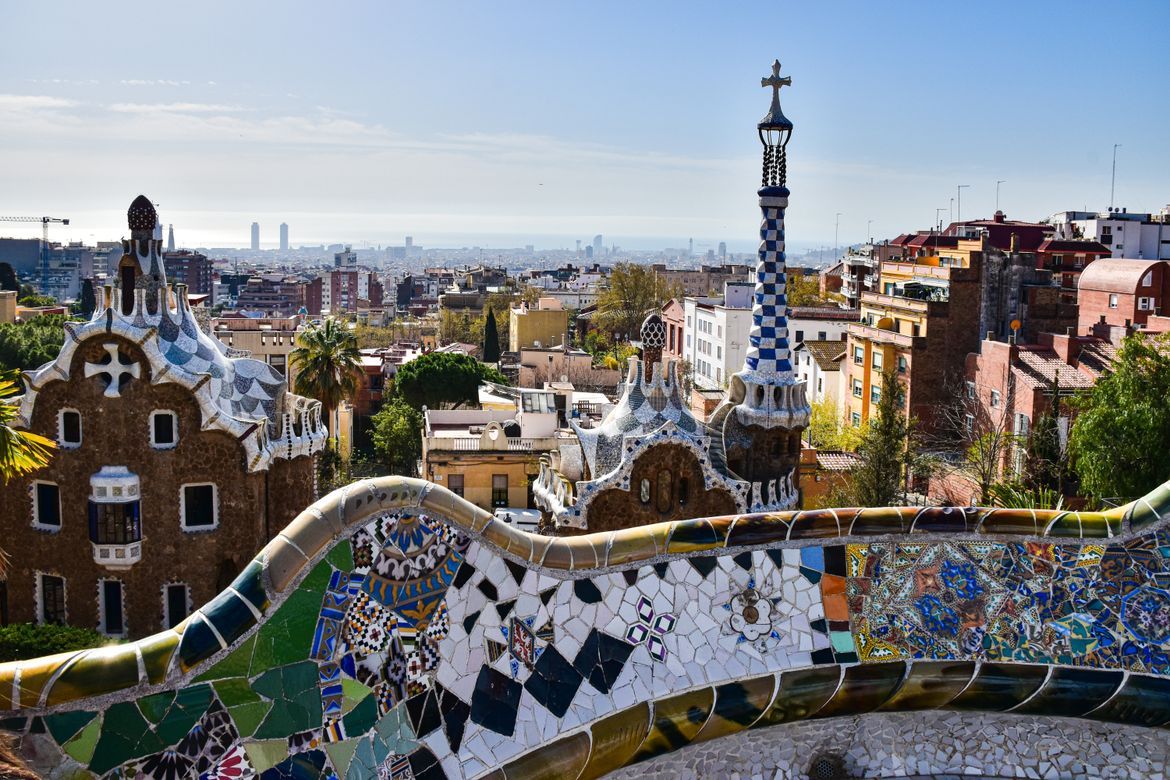
Barcelona is a classic weekend-break city because it combines architecture, food, beaches, nightlife, museums, markets, and Mediterranean energy. It can be crowded, especially in summer, but its appeal remains strong because few European cities offer so many travel moods in one place.
Gaudí’s architecture gives Barcelona its most recognizable identity. The Sagrada Família, Park Güell, Casa Batlló, and La Pedrera can easily fill a weekend, but the city should not be reduced to those landmarks. The Gothic Quarter, El Born, Gràcia, Montjuïc, and the waterfront each offer a different pace and texture.
Barcelona is best for travelers who want an active weekend rather than a quiet one. It rewards early starts, restaurant planning, and neighborhood-based wandering. A strong itinerary might include a major architectural site, a market lunch, a beach walk, a museum or viewpoint, and dinner away from the busiest tourist streets. Done well, Barcelona still feels like one of Europe’s most complete short trips.
Budapest, Hungary
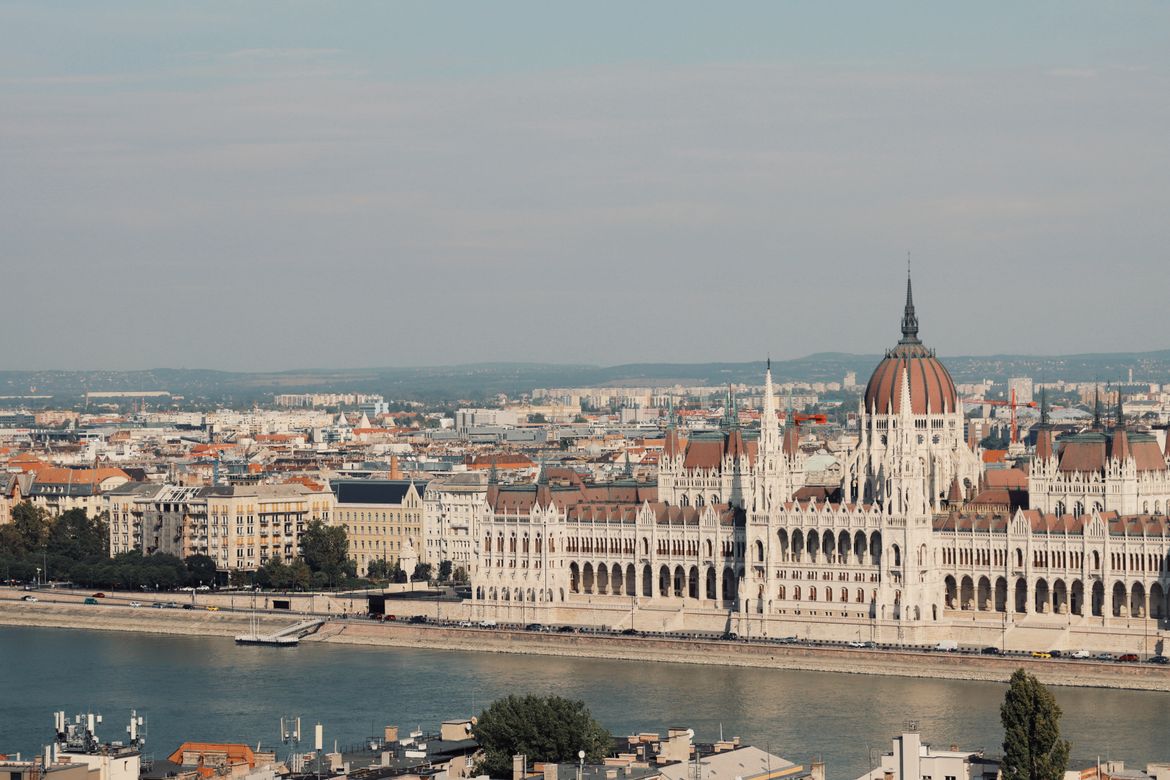
Budapest is one of Europe’s best-value weekend breaks, but its appeal goes far beyond price. The city has grand architecture, thermal baths, river views, cafés, ruin bars, markets, and a dramatic split between Buda and Pest. For travelers who want scale and beauty without the costs of Western European capitals, Budapest is a strong choice.
The Danube gives the city its central drama. Buda Castle, Fisherman’s Bastion, the Hungarian Parliament Building, Chain Bridge, and Gellért Hill create some of Europe’s most memorable urban views. On the Pest side, boulevards, cafés, the Great Market Hall, and the Jewish Quarter bring more energy and nightlife into the weekend.
Thermal baths are Budapest’s signature short-break experience. Széchenyi and Gellért are the best-known, but the city’s wider bathing culture adds a distinctive rhythm to the trip. A weekend in Budapest can feel full without being exhausting: morning architecture, afternoon baths, evening river views, and late-night food or drinks in the city’s livelier districts.
Krakow, Poland
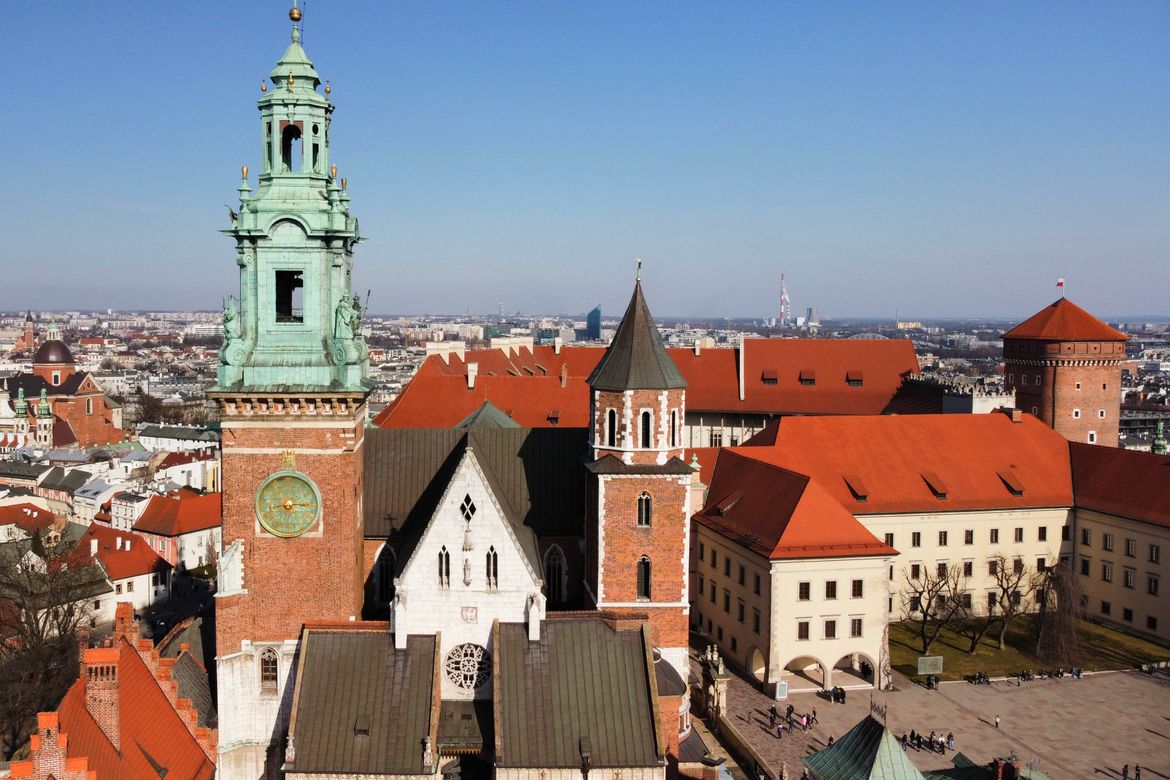
Krakow is one of Central Europe’s strongest weekend cities because its old town is compact, beautiful, and easy to explore without complicated planning. The Main Market Square, Wawel Castle, Planty Park, Kazimierz, and the Vistula River can all fit naturally into a two- or three-day visit. It is atmospheric, walkable, and more manageable than many larger capitals.
The city’s historic center gives first-time travelers an immediate sense of place. St. Mary’s Basilica, Cloth Hall, university streets, courtyards, churches, and cellar restaurants create a dense cultural core. Kazimierz adds another layer, with Jewish heritage, cafés, bars, galleries, and a more relaxed evening atmosphere.
Krakow also works well for travelers who want a short trip with optional depth. Some visitors keep the weekend focused entirely on the city, while others add trips to Wieliczka Salt Mine or Auschwitz-Birkenau. For a pure city break, Krakow offers history, food, architecture, and affordability in a format that is easy to enjoy without rushing.
Porto, Portugal
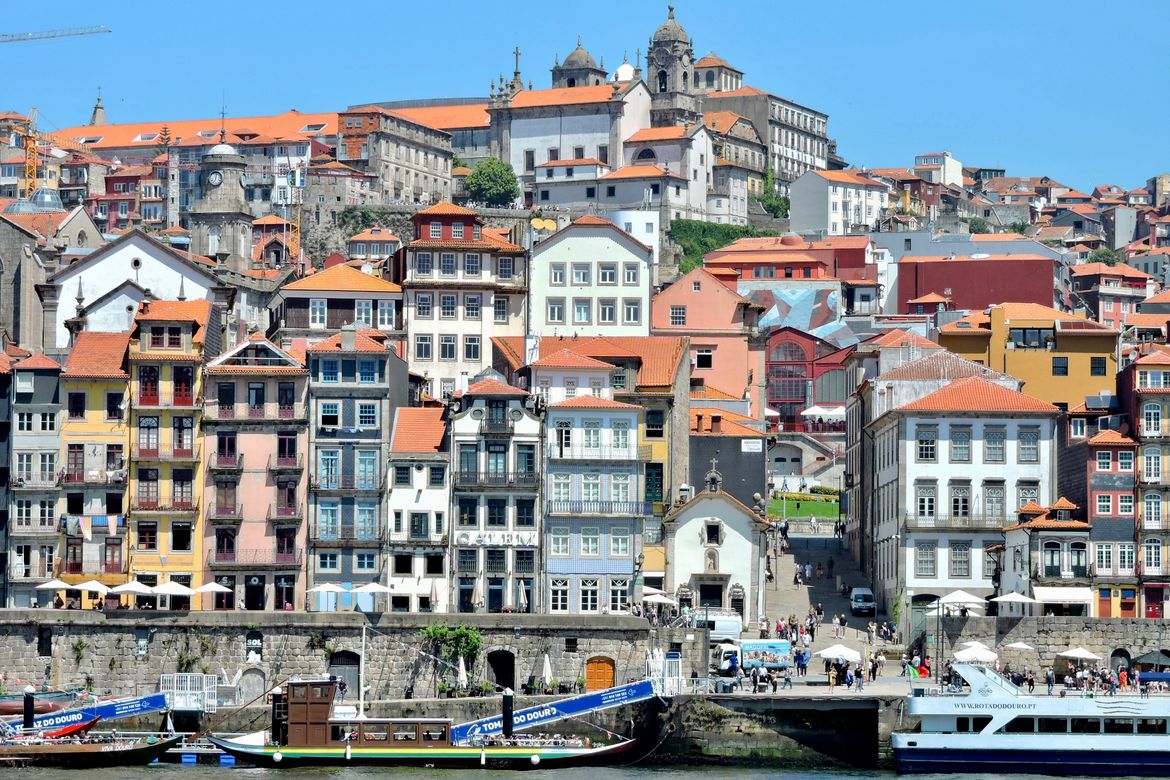
Porto is smaller and moodier than Lisbon, which makes it especially good for a weekend. The city is built on slopes above the Douro River, with tiled churches, narrow streets, bridges, wine lodges, viewpoints, and a strong sense of place. It is compact enough for a short trip but rich enough to feel memorable.
The Ribeira district, Dom Luís I Bridge, São Bento station, Clérigos Tower, Livraria Lello area, and riverfront wine cellars can all anchor a first visit. The city is best experienced on foot, though the hills make comfortable shoes essential. Porto’s visual character comes from its texture: blue-and-white tiles, weathered facades, river light, and steep streets opening onto sudden views.
Food and wine are central to the weekend. Port tastings in Vila Nova de Gaia are the obvious experience, but Porto’s restaurants, bakeries, markets, and casual taverns are just as important. For travelers who want a romantic, compact, slightly less polished city break, Porto is one of Europe’s strongest options.
Florence, Italy
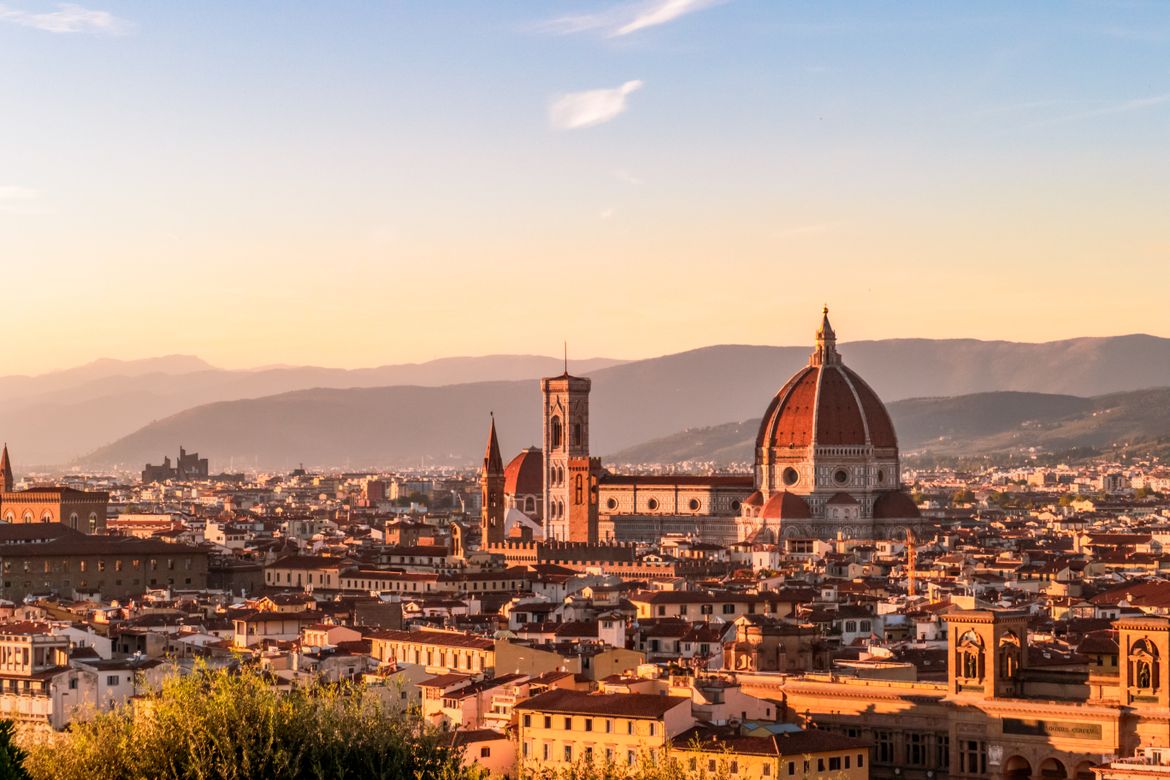
Florence is one of Europe’s great art cities and one of the best choices for a culture-focused weekend. Its historic center is compact, dense, and extraordinarily rich, allowing travelers to move between churches, museums, piazzas, bridges, and restaurants without losing time in transit. For a short trip, that concentration is a major advantage.
The Duomo, Uffizi Gallery, Accademia, Ponte Vecchio, Palazzo Vecchio, Santa Croce, and Boboli Gardens can easily overwhelm a weekend if travelers try to see everything. The smarter approach is to choose two or three major anchors and leave time for wandering. Florence is at its best when art, architecture, shopping streets, and simple meals blur into one rhythm.
The city is busy and often crowded, but it remains deeply rewarding. Early mornings, advance museum bookings, and walks across the Arno toward Oltrarno help create a better experience. For travelers who want Renaissance art, Tuscan food, historic streets, and an easy-to-understand city layout, Florence is one of Europe’s most satisfying weekend breaks.
Disclaimer: TravelCapybara is an independent media brand owned and operated by NuvexMedia LLC, publishing travel news, destination guides, research, and insights. NuvexMedia LLC may invest in or collaborate with companies across the travel, hospitality, technology, and digital media sectors. These relationships do not influence TravelCapybara’s editorial coverage. While we strive for accuracy, travel requirements, prices, schedules, availability, and local conditions may change without notice. Readers should independently verify information before making travel or purchasing decisions. This content is for informational purposes only and does not constitute professional advice. © 2026 NuvexMedia LLC. All rights reserved.