Five European Food Markets Worth Building a Weekend Around
Make the market the plan: five European cities where a morning of food stalls, small purchases and an unhurried lunch can shape a memorable weekend.
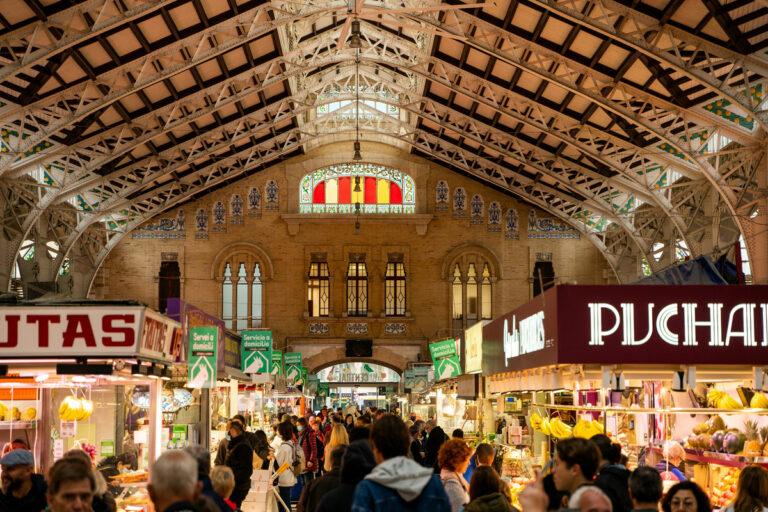
Key Notes
- Plan the market visit before the rest of the weekend because several halls close early or on Sundays.
- Produce stalls and prepared-food halls can have different hours even within the same building.
- A few small purchases and one unhurried meal leave more room to explore the surrounding city.
A good food market can give a city break its starting point. You arrive with little more than an appetite, notice an ingredient you do not recognise and leave with a few things you did not plan to buy. There is architecture to look at, a neighbourhood outside and, if you have left enough room, lunch.
That is the kind of weekend we have in mind here. These five European markets offer different experiences, from London’s produce and street-food stalls to a morning in Valencia and a warm indoor pause beside Helsinki’s waterfront. They are not interchangeable, and they are not all late-opening food halls.
The most useful planning decision is often when to go. Several markets are a poor fit for a Sunday arrival, while some produce stalls finish well before dinner. Set the visit in the diary first, then arrange the rest of the weekend around it. There is no need to spend every meal in the same building.
1. Borough Market, London: Make Room for More Than Lunch
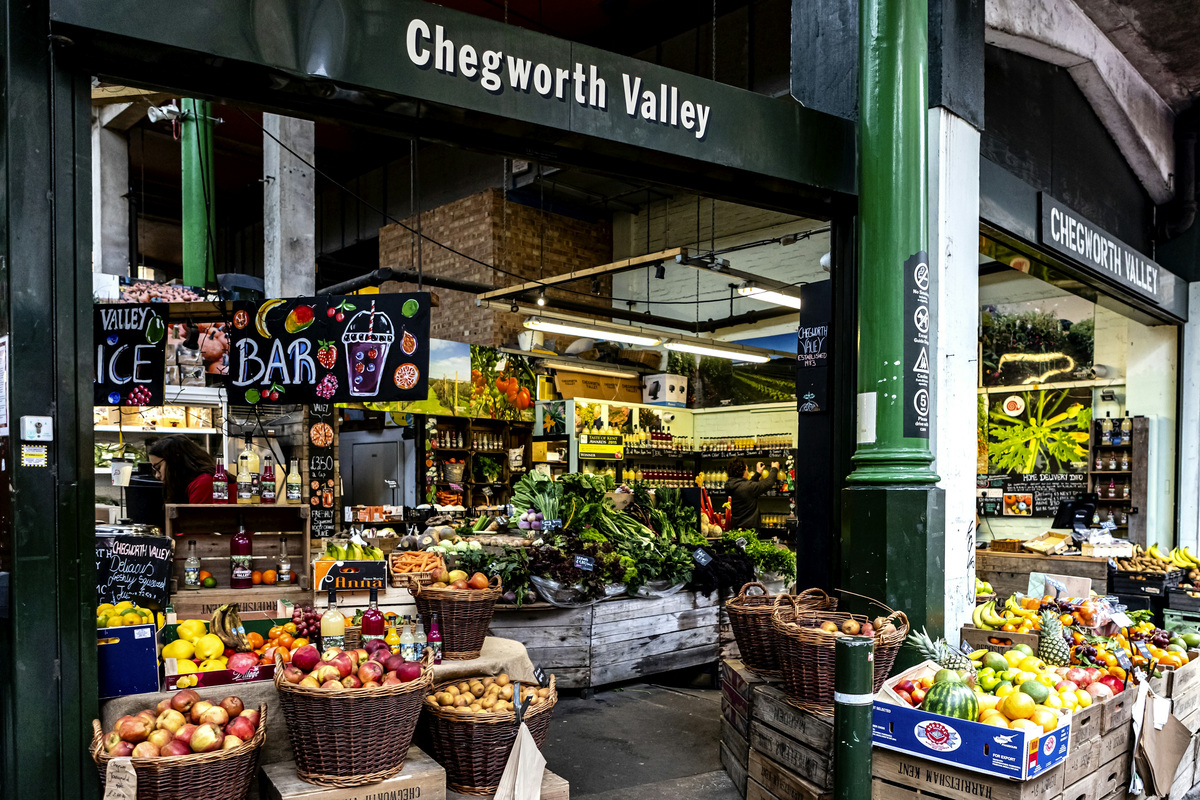
Borough suits a traveller who wants to browse as well as eat. It has specialist produce traders, larger merchants and a street-food area, so the visit need not become a single queue followed by a quick meal. Give yourself time to see what is being sold before deciding what to order.
The market sits beside London Bridge station. Its visitor guide lists regular hours of 10am to 5pm Tuesday to Friday, 9am to 5pm on Saturday and 10am to 4pm on Sunday, with Monday normally closed. The operator specifically flags busy Saturday afternoons. If browsing is the priority, arriving earlier gives the day a little more breathing room.
We would start with a lap of the produce stalls, buy something small, then choose a meal once we had seen the options. That keeps the visit from being dictated by the first popular counter. If you are staying in a hotel without a fridge, be realistic about what you can store; a beautiful ingredient is only a good purchase if you can use it.
Afterwards, a walk along the Thames gives the food time to settle and makes the market part of a wider London day. Keep one other appointment rather than filling every hour. A museum, a neighbourhood walk or an evening performance can sit around the market without competing with it.
For a Christmas trip, use the separate festive hours. In 2026, seven-day opening starts on November 30, but Christmas closures still apply. Do not assume a market that opens on a December Monday will also be open over the holiday itself.
2. Mercat Central, Valencia: Build the Day Around the Morning
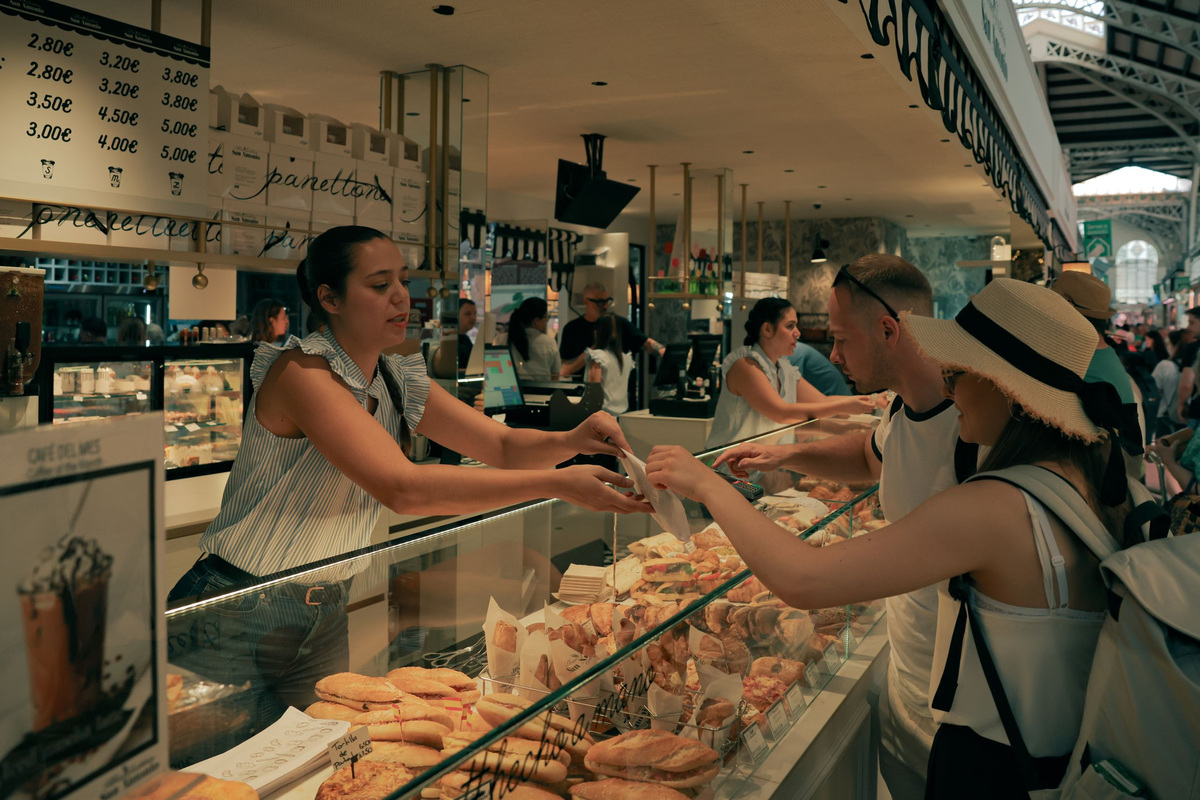
Valencia’s Central Market rewards an early start. The food is the reason to come, but the building helps make an ordinary shopping morning feel like a city-break occasion. Look up from the counters as well as into them, then leave time for the streets outside.
The market’s opening information gives hours of 7:30am to 3pm, Monday to Saturday. This is the crucial detail for a weekend: Saturday morning works; a late-afternoon or Sunday visit should not be the basis of your plan. Check holiday exceptions close to departure.
Its stall directory is a useful starting point if there is something you particularly want to find. The mix includes fruit and vegetables, fish, meat, cheese, baked goods and other food shops. Think of the hall as a place to explore ingredients and make a few purchases, rather than assuming every counter offers a sit-down meal.
A simple plan is breakfast nearby, a relaxed circuit of the market and lunch afterwards. Buying one or two things that you can actually enjoy during the trip is more satisfying than carrying an ambitious picnic around for the next six hours. Ask before photographing a stall at close range, and step aside when shoppers are being served.
Keep Sunday for the city beyond the market. That gives the weekend two different rhythms and avoids trying to squeeze every attraction into Saturday. For more help choosing a base for this kind of trip, see our guide to European city breaks.
3. Mercato Centrale, Florence: Two Floors, Two Different Visits
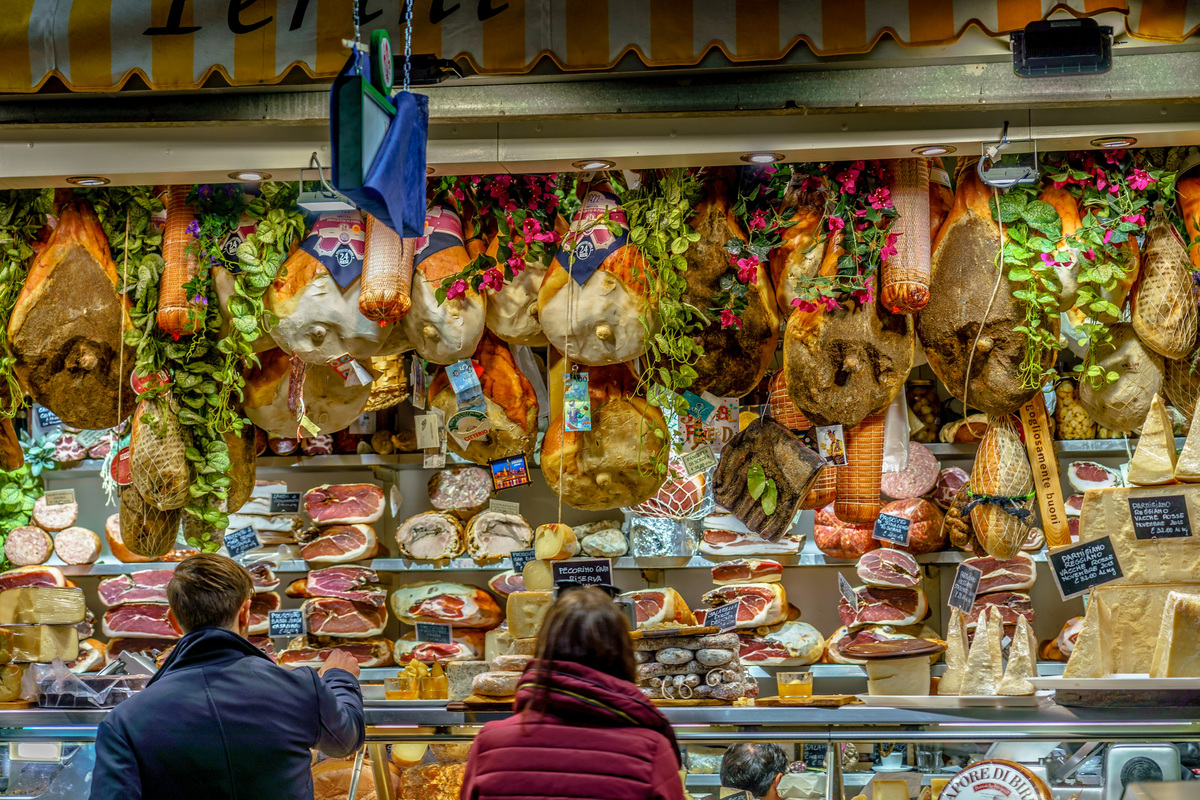
Florence is the one where a small distinction can save a disappointing arrival. The traditional ground-floor food market and the upstairs Mercato Centrale food hall share a setting in San Lorenzo, but they are different experiences. Decide whether you want shopping and ingredients, a prepared meal or both.
The city’s market guide describes ground-floor butchers, bakers, fishmongers, grocers and delicatessens, with restaurants and food workshops above. The outdoor San Lorenzo stalls selling leather goods, clothing and souvenirs are another part of the area again. An open street stall does not tell you whether the food counter you came for is trading.
The upstairs operator currently lists food hall hours of 9am to 11pm daily. Those hours should not be applied to the traditional stalls downstairs. For a combined visit, make the food shopping a morning activity and confirm any particular trader’s hours before going.
This is also a place to be curious about Florence’s own food. The local tourism board points visitors towards lampredotto, the city’s traditional offal sandwich, sold by specialist trippai in and around the market. It will not suit every appetite, but it is a more specific starting point than trying to find every famous Italian dish in one lunch.
We would keep the visit compact enough to leave an afternoon for walking. A food market does not need to replace the rest of Florence, and a short break becomes tiring when every meal is treated as a research project. Choose one thing you are curious about, enjoy it and let the next street decide the pace for a while.
4. Great Market Hall, Budapest: Come on Saturday, Not Sunday
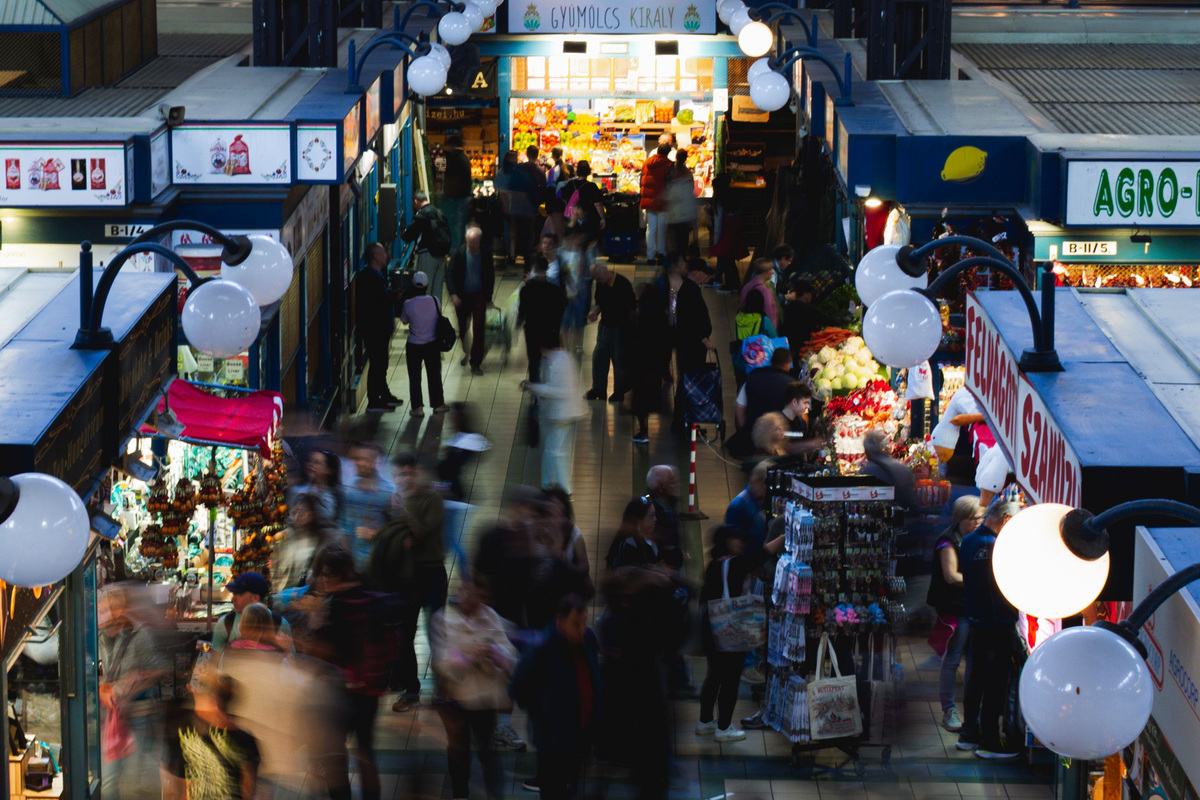
Budapest’s Great Market Hall is a good fit for a weekend that combines food shopping with time on foot. It stands on the Pest side of Liberty Bridge, so the setting makes it easy to think beyond a meal and plan a walk before or after the visit.
The city’s market overview places paprika, salami, honey, cheese and Tokaji among the ground-floor finds. Upstairs, food stalls include Hungarian dishes such as goulash, pörkölt and lángos, alongside craft and souvenir shopping. Browse first, then choose what sounds appealing rather than ordering several substantial dishes simply to tick them off.
According to the market operator’s opening hours, the hall opens from 6am to 5pm on Monday, until 6pm Tuesday to Friday, and until 3pm on Saturday. It is closed on Sundays and public holidays. A Saturday visit should therefore be part of the morning or early lunch plan, not something left until after a long afternoon elsewhere.
For something to take home, compare pack sizes and choose an ingredient you expect to cook with. Check customs rules for your onward destination before buying meat or dairy, particularly if you will be leaving the EU. A small, permitted purchase is more useful than a heavy bag of food that cannot travel with you.
After the hall, leave room for the river and another side of the city. If the weather turns, an indoor afternoon can work just as well. Our thermal spa guide has ideas for pairing a food-focused break with time in warm water, without making the entire weekend a restaurant itinerary.
5. Old Market Hall, Helsinki: A Warm Pause by the Waterfront
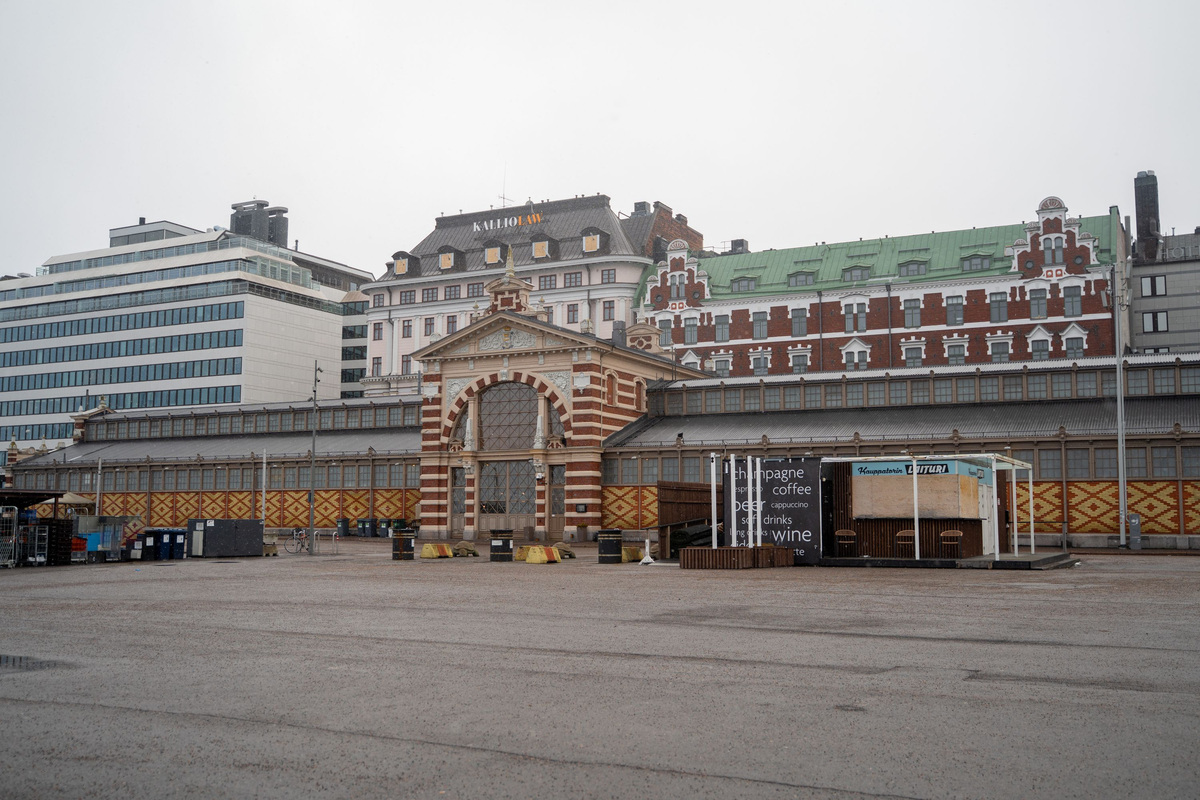
Helsinki’s Old Market Hall offers a smaller-scale way to build a food stop into a city break. The red-and-pale brick building stands beside Market Square, but it is an indoor hall with its own traders and timetable. Do not confuse it with the outdoor market next door.
The hall’s website lists opening from 8am to 6pm Monday to Saturday and notes that individual businesses can keep different hours. Plan around those published days rather than relying on a Sunday visit. If there is a particular café or food shop you want, check it separately.
The city’s visitor listing describes a market serving customers since 1889, with merchants selling fish and shellfish, cheese, vegetables, fruit, cakes, coffee and tea. That gives a visit plenty of possible shapes: a few ingredients, a café pause or something to eat, depending on the trader and the time.
In the cooler months, the appeal is the contrast between a waterfront walk and time indoors. Keep the hall visit within the middle of the day, when you can combine it with a little daylight outside. If conditions are wet or windy, shorten the walk rather than making a fixed outdoor route the test of whether the day has succeeded.
This is a good choice for someone who enjoys a market as part of a neighbourhood, not only as a place to find a famous dish. Look at what is on the counters, ask a question when the trader has time and let the visit be modest. Not every memorable travel meal needs a reservation made weeks ahead.
A Few Small Choices That Make a Market Weekend Better
Book the city break around the opening day, not the other way round. Saturday morning works for several of these halls; Sunday needs more care. Recheck hours for public holidays and remember that a building’s opening time may be longer than an individual stall’s trading day.
Bring a small reusable bag, keep an alternative payment method and check prices before ordering. Tell the trader about any allergies before buying prepared food. For purchases to take home, think about storage and border rules before the appeal of a full counter takes over.
Most of all, leave room for an ordinary meal and the city outside. The market can be the reason to choose the weekend without being the only thing you do. One satisfying lunch, a few useful discoveries and an afternoon with no urgent booking can be plenty.
Disclaimer: TravelCapybara is an independent media brand owned and operated by NuvexMedia LLC, publishing travel news, destination guides, research, and insights. NuvexMedia LLC may invest in or collaborate with companies across the travel, hospitality, technology, and digital media sectors. These relationships do not influence TravelCapybara’s editorial coverage. While we strive for accuracy, travel requirements, prices, schedules, availability, and local conditions may change without notice. Readers should independently verify information before making travel or purchasing decisions. This content is for informational purposes only and does not constitute professional advice. © 2026 NuvexMedia LLC. All rights reserved.