Winter Sun in Europe: 7 Places for a Brighter Break
Tenerife’s beaches, Madeira’s walks and Valletta’s waterfront offer different kinds of winter sun. Find the right trip, with realistic weather and booking advice.
Key Notes
- Tenerife and Lanzarote offer some of the warmer options in this selection, while mainland coastal breaks suit walking and sightseeing.
- Madeira works well for scenery and walks, with classified trail access, reservations and weather to check before setting out.
- Choose a base and hotel facilities that fit your dates, and confirm pool heating if daily swimming matters to the trip.
A winter-sun holiday does not have to mean a week of tropical heat. Sometimes the thing you want is smaller: breakfast outside, a walk without frozen hands, a blue horizon at the end of a city street. Southern Europe and its Atlantic islands offer several versions of that trip, and choosing the right one matters more than choosing the warmest-looking photograph.
Tenerife and Lanzarote are strong starting points if beach time is the priority. Madeira makes more sense for gardens and walks, while Málaga and Valletta give you museums and places to eat when the clouds arrive. The Algarve and Paphos offer another pace, with coastal scenery and time to linger.
Our selection focuses on December to February. We include Spain’s Canary Islands and Portugal’s Madeira, both Atlantic archipelagos off the African coast, alongside mainland and Mediterranean destinations. Think of these as seven different holidays, rather than a ranking in which every place promises the same weather.
Tenerife: For a Relaxed Week by the Sea
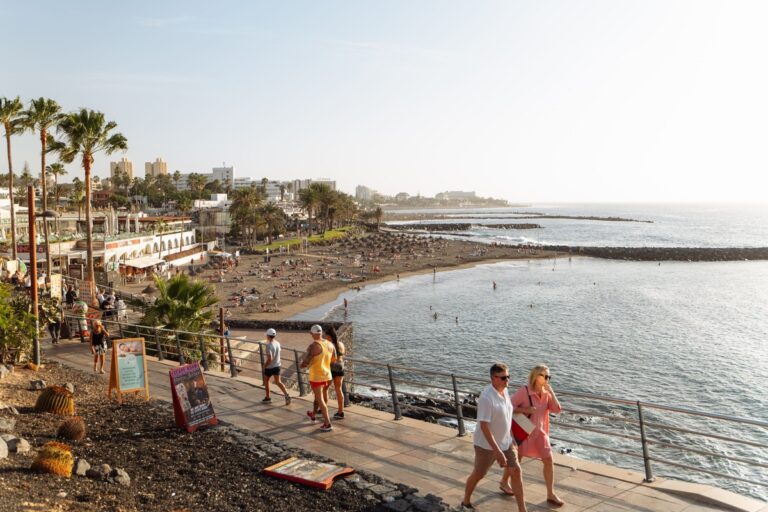
If your ideal day starts with a seaside walk and leaves the afternoon open for a sunbed, we would begin with southern Tenerife. Los Cristianos or Costa Adeje give you a straightforward base for a stay built around the coast, rather than an itinerary that sends you driving across the island every morning.
The weather advantage is meaningful. At Tenerife South Airport, January’s average daily high is about 22°C, according to AEMET’s climate figures. That is a useful guide to the season, not a guarantee that every afternoon will be sunny. Tenerife’s tourism board also explains the island’s climate contrasts: a coastal forecast should never stand in for one covering the mountains.
We would give this trip five to seven nights and resist filling all of them with excursions. Choose accommodation within an easy walk of the places you will actually use. If swimming is central to the holiday, confirm that the pool is heated during your dates; warm air does not automatically mean a comfortable ocean swim.
Choose it for: a relaxed seaside week and one of the warmer options in this selection. Pack a layer for evenings and check the forecast separately for any higher-altitude day out.
Lanzarote: For Volcanic Landscapes and Design
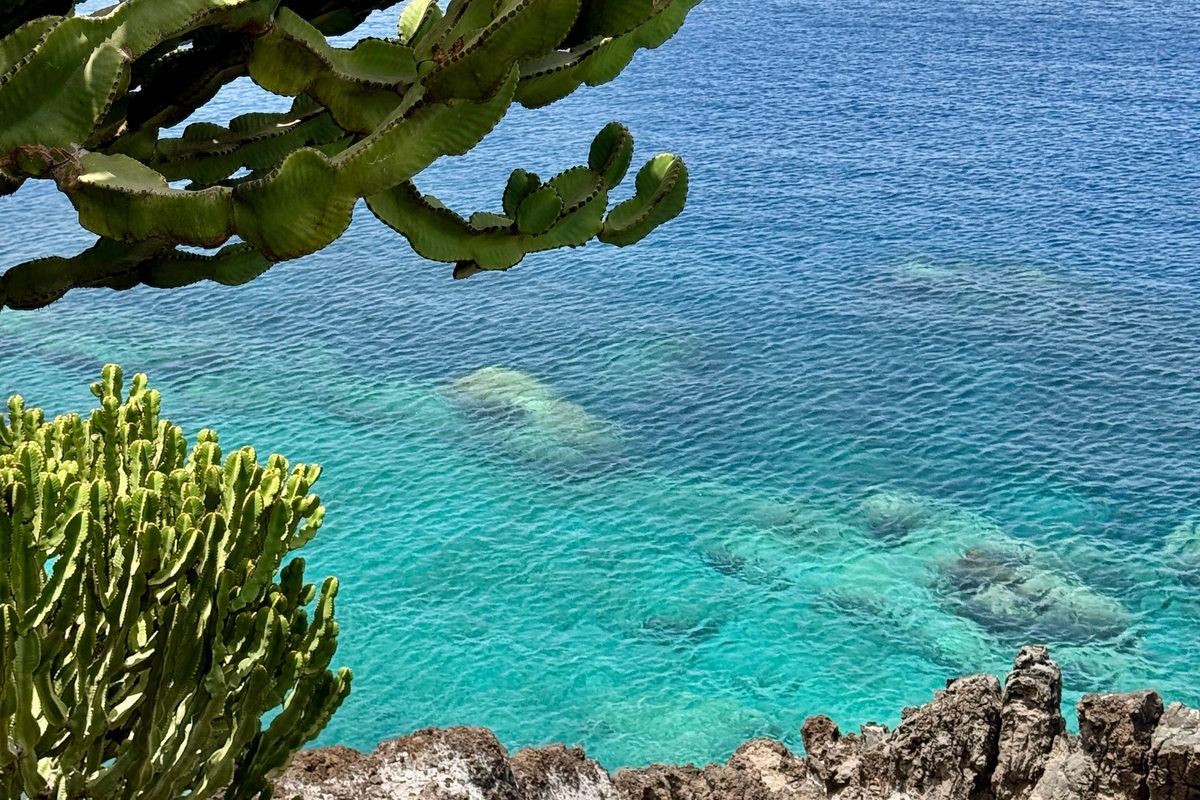
Lanzarote suits travelers who want their winter break to have a landscape of its own. White buildings, dark volcanic ground and the Atlantic give it a different character from a conventional Mediterranean resort stay. You can keep the beach in the plan without making it the only reason to leave the hotel.
Pick a coastal base such as Playa Blanca if you want a resort rhythm, then reserve a day for the island’s architecture and art. Around Teguise and Tahíche, Manrique’s legacy gives an excursion a clear focus, including the foundation in the artist’s former home and the Cactus Garden. Check individual opening times rather than trying to fit every site into one circuit.
AEMET’s Lanzarote normals put January’s average daily high at about 21°C. Wind can make an exposed beach feel different from a sheltered terrace, so choose your spot on the day. A light windproof jacket earns its place in the bag even when the forecast looks promising.
Choose it for: a five-to-seven-night mix of coast, unusual scenery and design. It is a particularly good match if you like exploring for part of the day and returning to the same comfortable base.
Madeira: For Greenery, Ocean Views and Walks
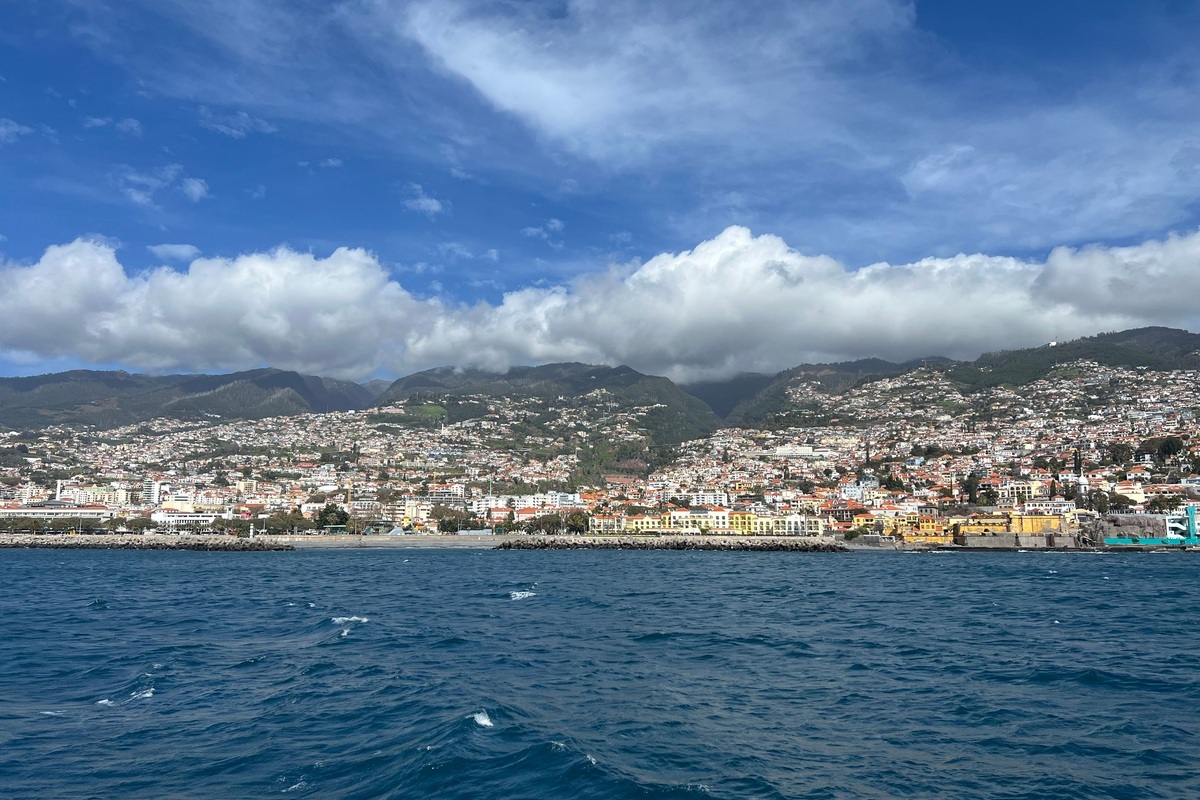
Madeira is the choice we would make when the word “sun” really means being outside again. Stay in Funchal, leave time for gardens and waterfront walks, and use suitable weather for an excursion beyond the city. The appeal is the contrast between green slopes, built-up hillsides and a wide Atlantic horizon.
Funchal’s January average daily high is 20°C in IPMA’s climate normal. Conditions on the coast and in the mountains can be very different. A mild morning at your hotel is a reason to enjoy breakfast outside, not evidence that a high-level trail will be clear and calm.
For walking, use the official trail information to check access status, reservations and fees. Madeira introduced new access rules for classified trails in 2026, so advice from an older walking guide may no longer cover the booking process. Keep a second plan in Funchal for a day when the route you hoped to walk is closed or the forecast changes.
Choose it for: five to seven nights of scenery, gardens and carefully chosen walks. We would not make it the first pick for a holiday whose main requirement is a sandy beach outside the room.
Málaga: For Art, Food and Lunch Outside
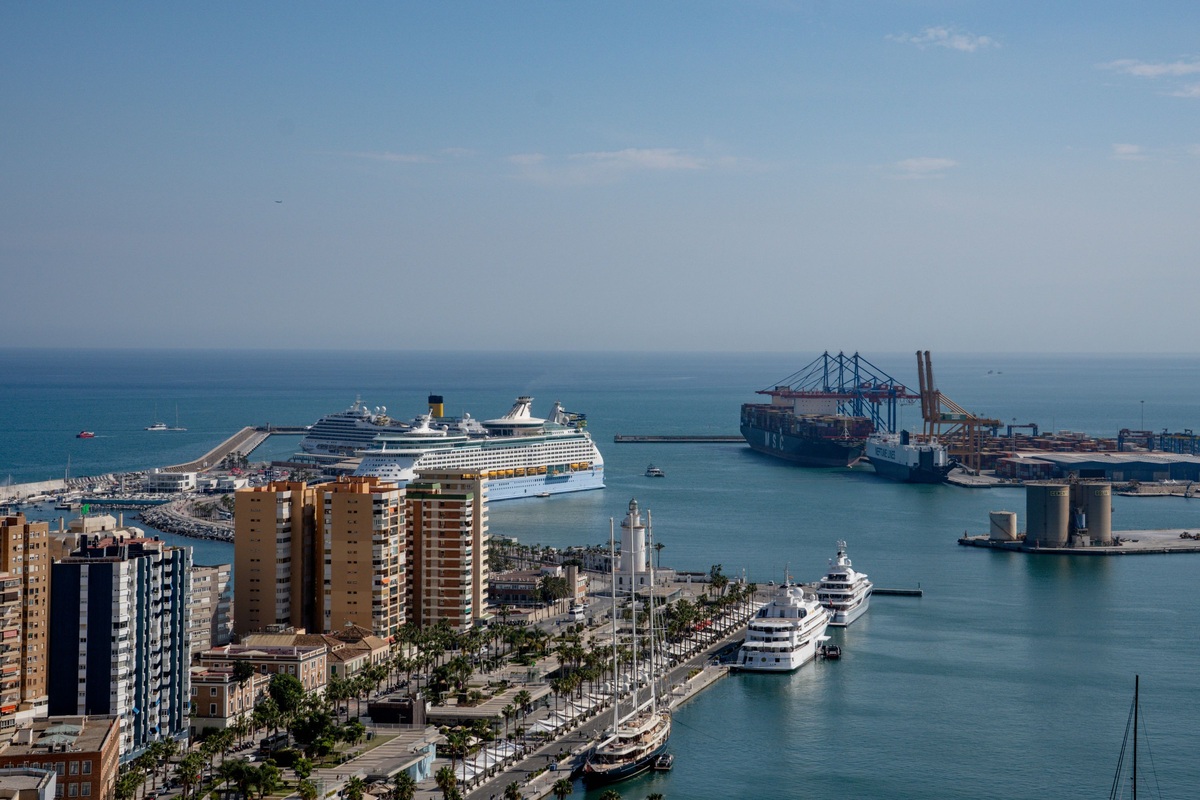
Málaga works because the holiday does not fall apart when it rains. You can spend a clear morning between the old center, the waterfront and the Alcazaba, then make time for art, cafés and dinner. It feels like a city you are visiting, with the sea as part of the day.
Spain’s official city guide brings together the Picasso Museum, Carmen Thyssen Museum, Roman Theatre and Alcazaba. Choose a few that interest you instead of turning a short break into a museum endurance test. An unhurried lunch and a walk back through the center deserve room in the itinerary too.
January’s average daily high at Málaga Airport is about 17°C, using AEMET’s station data. That helps explain the appeal for walking and sightseeing, but it is a different proposition from the warmer Canary Islands. A sunny lunch can be lovely while the same street feels chilly after dark.
Choose it for: three or four nights, especially when you want food, art and a compact itinerary. We would stay near the center or within a comfortable walk of it before considering a distant coastal hotel for this particular trip.
The Algarve: For Coastal Space and a Slower Week
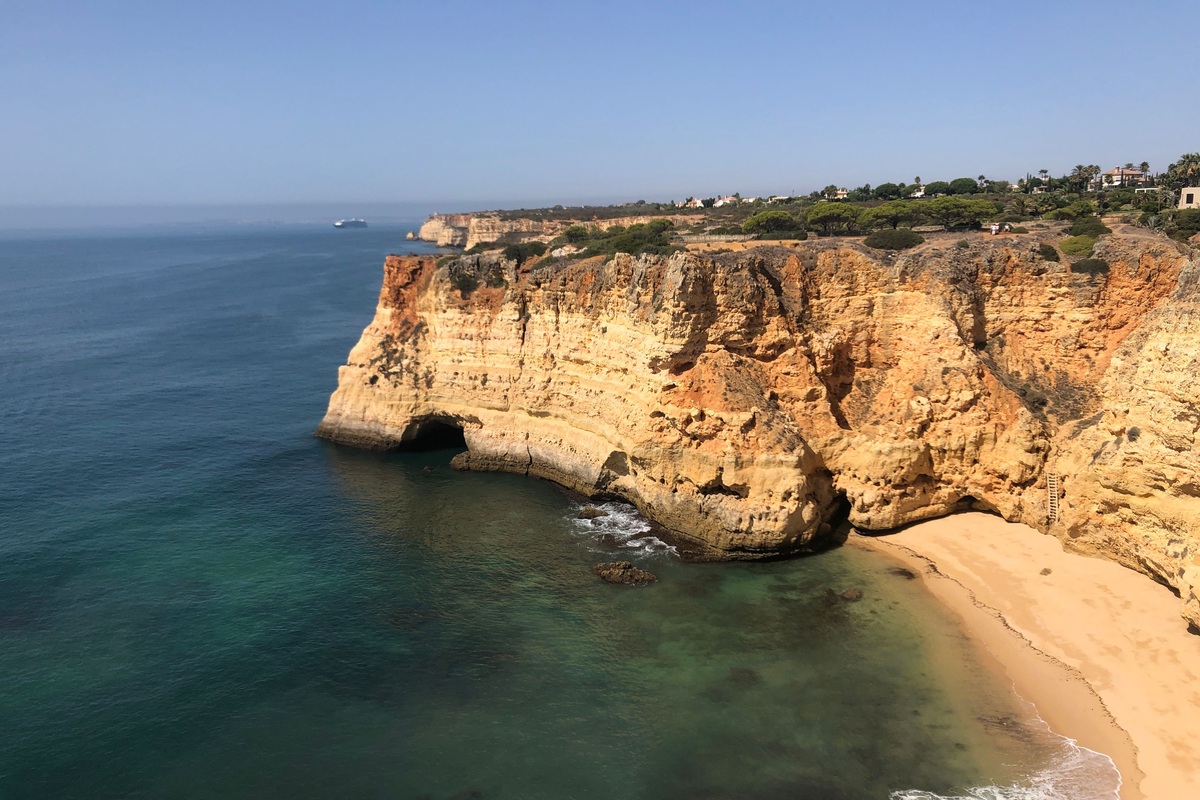
The Algarve can be a lovely winter choice if your plans involve walking, reading and eating well rather than checking beach clubs off a list. The coast remains the attraction, but the season changes how you use it. A long view across the water can be the point of the outing, without a swim at the end.
Choose the part of the region that matches the scenery you want. Lagos gives you a western base for exploring the coast; Tavira offers an eastern alternative with the Ria Formosa landscape nearby. The region’s familiar cliff-backed coves and its eastern lagoon-and-island coast are different settings, so check where a photograph was taken before booking a hotel to be “near the Algarve beaches.”
IPMA’s Faro normal gives a January average daily high of about 16°C, with nights much cooler. Think of a walking holiday by the Atlantic. Check restaurant openings around the accommodation, and confirm winter boat schedules if an island outing is important to you.
Choose it for: four to seven nights with plenty of unplanned time. On cliff walks, follow local notices and marked routes, and keep boat excursions flexible around sea conditions. A good room with proper heating is as useful as a balcony.
Malta: For Harbor Views and Historic Streets
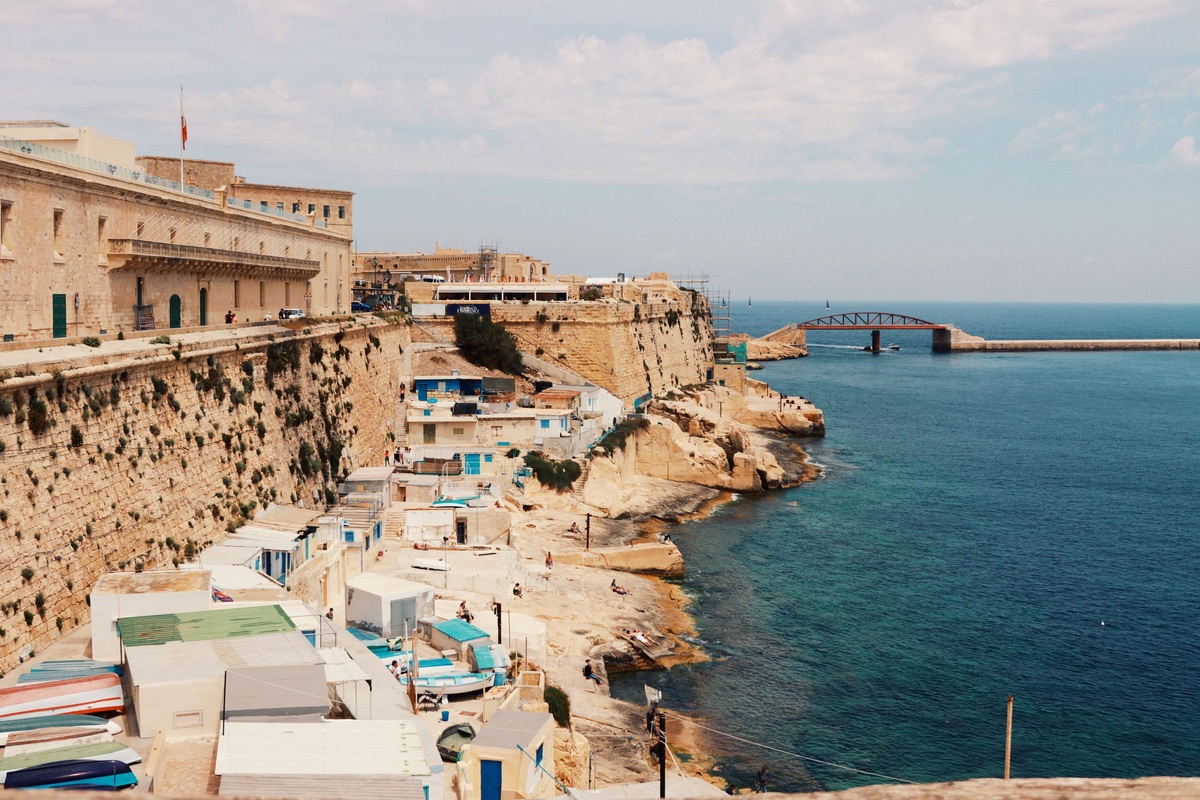
In Malta, we would build the winter holiday around Valletta’s architecture and the harbor rather than the promise of a beach day. The pleasure is in the sequence: stone streets in the morning light, a long look across the water, a museum or church interior, then somewhere inviting for lunch.
A central Valletta stay lets you spend more of a short trip on foot. Sliema is another option if a waterfront hotel appeals, but check the transport connection you intend to use, particularly if you expect to rely on ferries. Keep a land-based alternative for days when the water crossing does not suit your plans.
Make St John’s Co-Cathedral one deliberate visit rather than a hurried stop between photographs. Its visitor schedule currently runs Monday-Saturday, with Sundays and public holidays closed to sightseeing. That is worth knowing when you are booking a long weekend around one or two major attractions.
Choose it for: three to five nights of culture, food and coastal views. Bring a jacket and a wet-weather plan. The right question here is whether you would enjoy exploring in mild winter conditions, rather than whether the beach will feel like August.
Paphos: For Archaeology and Days by the Sea
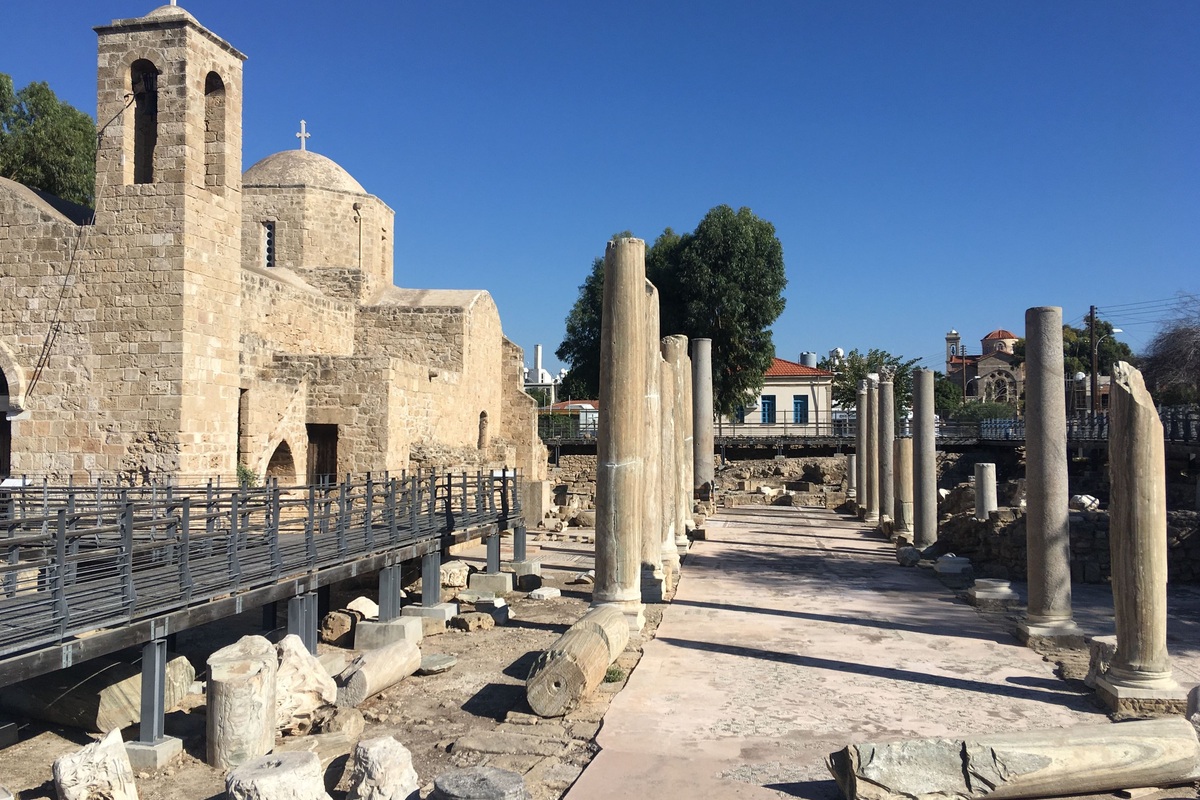
Paphos makes sense when you want a coastal base with something substantial to visit nearby. A harbor walk can take one part of the day, while the archaeological park gives another part a focus. Its Roman mosaics reward time and attention rather than a quick photo before heading back to the hotel.
Cyprus’s official weather guide describes December and January as winter months with possible rain, while outdoor excursions remain part of the appeal. February can also bring changeable weather and cold evenings. Choose this trip because the combination of history and coast appeals, then treat a warm terrace afternoon as part of the pleasure.
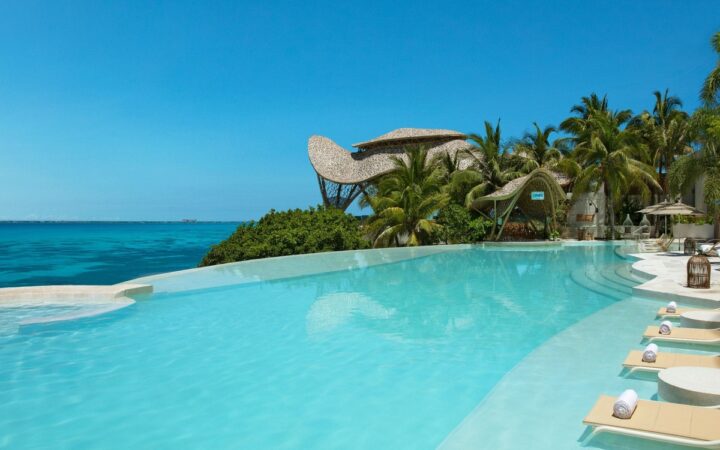
For four or five nights, we would look at the actual walk between the hotel, the harbor and the places you want to eat. A lower room rate farther away may mean more transport than you want. Ask which facilities are open during your stay, especially if the property’s summer photographs give the pool a starring role.
Choose it for: a relaxed mix of ancient sites, seaside walks and time at the hotel. Confirm site opening hours and keep a layer handy for the walk home after sunset.
Match the Booking to the Holiday You Actually Want
If swimming every day would make or break the trip, start with southern Tenerife or Lanzarote and a hotel that confirms a heated pool. If you want a short break full of things to do between sunny spells, compare Málaga and Valletta. For scenery and walks, look at Madeira; for slower coastal days, consider the Algarve or Paphos.
December, January and February also bring different calendars. Christmas, New Year and school holidays can change demand, so winter is not automatically the cheapest season everywhere. Compare the full cost for your dates, including luggage, transfers, parking and the meals you expect to eat away from the hotel. A convenient location can be worth more than a modestly lower room price.
Before paying, confirm the practical detail that matters most to your version of the trip: pool heating, restaurant openings, a direct flight, trail access or the last return connection. Then leave some room to move an outing to the clearest day. A light waterproof, an evening layer and comfortable shoes will be more useful across this selection than packing only for the beach.
If you decide that warmth matters more than sunshine, our thermal spa guide offers a different way to plan a cold-season holiday. For a shorter urban trip, our European city breaks are another place to start.
Climate note: the January figures above are rounded average daily maximum temperatures, not all-day averages or forecasts. Spanish figures use AEMET’s published 1981-2010 normals; Funchal and Faro use IPMA’s 1991-2020 normals. They describe the named stations, not every part of an island or region. Sources and visitor information were checked on November 3, 2026. Photographs illustrate the destinations and are not current weather reports.
Disclaimer: TravelCapybara is an independent media brand owned and operated by NuvexMedia LLC, publishing travel news, destination guides, research, and insights. NuvexMedia LLC may invest in or collaborate with companies across the travel, hospitality, technology, and digital media sectors. These relationships do not influence TravelCapybara’s editorial coverage. While we strive for accuracy, travel requirements, prices, schedules, availability, and local conditions may change without notice. Readers should independently verify information before making travel or purchasing decisions. This content is for informational purposes only and does not constitute professional advice. © 2026 NuvexMedia LLC. All rights reserved.