Uber’s attempt to make wildlife excursions bookable through its app is facing resistance in Kenya, with local guides opposing the service and travelers encountering unavailable rides a year after its launch. The difficulties highlight the challenges of adapting a ride-hailing platform to a tourism business that depends on specialist expertise and cooperation with local operators.
The Wall Street Journal reported that Uber removed its branding from safari vehicles after concerns about potential retaliation. Uber East Africa general manager Imran Manji said the decision was intended to protect drivers, guides and passengers. The reporting describes a struggling operation, rather than a confirmed closure.
Guide Opposition Complicates the Rollout
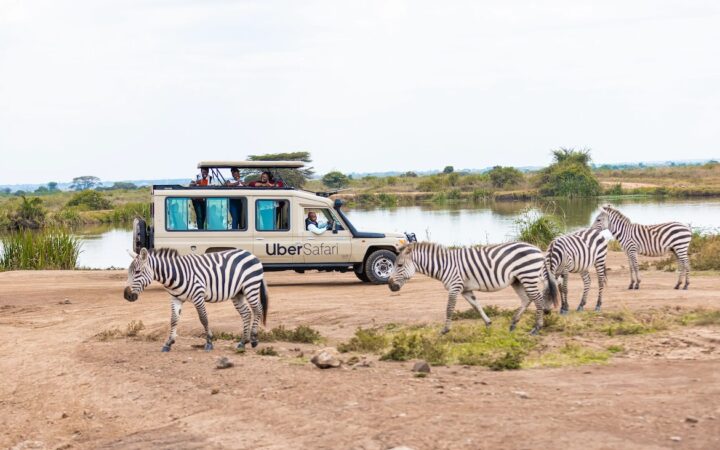
Uber Safari was designed for tourists, business travelers and local residents seeking excursions in Nairobi National Park. The company announced the service in September 2025, promising guided visits with licensed professionals and vehicles, plus pickup arrangements made through its familiar booking interface.
Some early opposition stemmed from the belief that ordinary city drivers would be sent into the park without suitable vehicles or wildlife knowledge. According to the Journal reporting summarized by Yahoo Finance, Kenya’s tourism regulator subsequently clarified that the service would use licensed guides and approved vehicles.
That clarification did not eliminate resistance. Felix Migoya, chairman of the East Africa Tour Guides and Drivers Association, which represents about 1,000 guides in Nairobi, said members had warned one another against joining the platform. His account suggests that removing vehicle logos addressed a visible point of friction without resolving the underlying dispute.
For established guides, the disagreement concerns how a large technology platform enters a trade built around local knowledge. Guide Wilson Kuria, who organized a petition against Uber Safari, argued that the company’s prospects depend on taking operators’ opinions into account.
Booking Problems Undercut the Convenience Pitch
The reported booking failures were particularly notable in August, during the tourism high season. Attempts to arrange park visits sometimes involved waits of around half an hour before the app indicated that no drivers were available. Further attempts in September also failed, according to the reporting.
Manji described operational challenges beyond the dispute with guides, including maintaining connectivity in remote parts of the park and handling the requirements of night excursions. Those issues complicate the promise of a straightforward app-based reservation: the service still depends on available professionals, suitable equipment and workable arrangements on the ground.
Uber’s original launch materials also described an advance-booking product, with separate park admission charges, rather than an ordinary on-demand ride. Travelers should confirm availability and the full inclusions before building an itinerary around it.
The episode offers a practical test of Uber’s broader expansion into bookable travel experiences. A familiar app can make an excursion easier to find, but consistent delivery requires the participation of the people who operate it.
Disclaimer: TravelCapybara is an independent media brand owned and operated by NuvexMedia LLC, publishing travel news, destination guides, research, and insights. NuvexMedia LLC may invest in or collaborate with companies across the travel, hospitality, technology, and digital media sectors. These relationships do not influence TravelCapybara’s editorial coverage. While we strive for accuracy, travel requirements, prices, schedules, availability, and local conditions may change without notice. Readers should independently verify information before making travel or purchasing decisions. This content is for informational purposes only and does not constitute professional advice. © 2026 NuvexMedia LLC. All rights reserved.