
Airbnb Is Tapping Tripadvisor’s 425,000 Experiences to Scale Beyond Homes
Airbnb will add selected Tripadvisor Group tours and activities to its platform as it accelerates expansion of its Experiences business beyond accommodation.

Uber operates a global mobility platform connecting riders with drivers while also supporting delivery, freight, and business transportation services.
Uber operates a global mobility platform connecting riders with drivers while also supporting delivery, freight, and business transportation services. Based in San Francisco, California, United States, it belongs to the mobility, delivery, and logistics technology sector. The company’s role is best understood through the complete system around its customer offer: the brand, distribution, operations, technology, partners, and support processes that turn a travel need into a usable service.
The company’s development provides context for its present position. Uber began in 2009 with the idea of requesting a ride from a phone. It expanded from a premium-car experiment in San Francisco into a multi-sided platform that coordinates transportation, delivery, merchants, couriers, and logistics. That history matters because established distribution, operating knowledge, supplier relationships, and customer habits do not appear overnight. At the same time, the organization has had to adapt its original proposition to digital channels, changing traveler expectations, new competitors, and a travel economy that can shift quickly when confidence, capacity, regulation, or technology changes.
Today, its principal products and services include Ride-hailing, taxi booking, food and grocery delivery, business travel, freight brokerage, memberships, advertising. The mobility business spans everyday rides, taxis, scheduled trips, premium vehicles, airport transfers, and corporate travel, while adjacent businesses cover restaurant delivery, grocery, freight, membership, and advertising. These offerings are not isolated items: they share customer identity, marketing, payments, inventory, service, and data. The breadth of the portfolio can make the company relevant at several points in a journey, although availability and specific terms vary by market. Travelers should always review the current product page and conditions before buying or relying on a service.
The organization serves a multi-sided customer base. Riders seek convenient local transport, drivers use the marketplace to find earning opportunities, businesses manage employee travel, and cities and transport operators connect with digital demand. This mix shapes product decisions because the needs of the traveler are only one part of a successful travel platform or operator. Suppliers, employees, regulators, distribution partners, local communities, and financial partners also influence whether the service is available, reliable, fairly priced, and sustainable over time. Balancing those groups is a recurring management task rather than a one-time product decision.
Its revenue model is based on marketplace service fees, delivery fees, subscriptions, advertising, and logistics services. Uber generally keeps a service fee from transactions arranged through its marketplaces and also earns from subscriptions, advertising, enterprise programs, and logistics activity. For readers comparing companies, the revenue model explains important behavior: who pays, when revenue is recognized, whether the company owns physical capacity, how much transaction risk it carries, and whether growth depends mainly on volume, price, subscriptions, advertising, or long-term partner contracts. Those distinctions can make two companies in the same vertical economically very different.
At an operating level, The platform operates across thousands of cities and more than 70 countries, adapting product availability, payments, safety processes, and relationships to local regulations and transport systems. Scale can improve selection, coverage, brand awareness, purchasing power, and the amount of data available for planning. It can also raise the cost of coordination. Local rules, currencies, languages, consumer protections, accessibility requirements, taxes, and service expectations must be handled consistently without ignoring the characteristics of each destination. The quality of that execution is often more important to travelers than the company’s headline size.
Technology is part of the operating model rather than a separate feature. Mapping, matching, estimated arrival times, dynamic pricing, identity checks, fraud detection, payments, route data, and support automation coordinate millions of time-sensitive marketplace decisions. The company’s platform and tools include Rider, driver, courier, merchant, and shipper apps; marketplace pricing; maps; payments; safety systems; APIs. These systems must remain available during demand spikes and disruptions, protect personal and payment data, communicate changes clearly, and give employees or partners enough context to solve exceptions. Automation creates the most value when it removes repetitive work while preserving a practical path to human support.
Within Ground Transportation, the company occupies a recognizable competitive position. Its scale creates a liquidity advantage: more riders can attract more drivers, and better availability can attract more riders, although the strength of that effect varies by city. Competitors may challenge it through lower prices, specialized inventory, stronger local knowledge, a different ownership model, more flexible technology, or better service. The company therefore has to defend both sides of its proposition: a reason for customers to return and a reason for suppliers or partners to keep participating on attractive terms.
From the traveler’s perspective, the service should be evaluated as part of the whole trip. For travelers, Uber can bridge airports, stations, hotels, meetings, and attractions, but pickup rules, local coverage, surge pricing, vehicle standards, and accessibility differ by destination. A smooth purchase can still lead to a poor outcome if the underlying conditions are unclear or support is difficult to reach. Conversely, transparent information and effective disruption handling can create loyalty even when travel does not go to plan. Reviews, official notices, accessibility details, and current cancellation policies are useful checks before commitment.
Like every large travel business, Uber faces structural and day-to-day risks. Worker classification, licensing, safety, insurance, competition, privacy, accessibility, autonomous vehicles, and local political decisions remain significant operational and reputational issues. Travel demand is exposed to economic cycles and unexpected events, while reputation can change rapidly when service failures spread through social and review platforms. Long-term resilience depends on financial discipline, secure technology, capable people, dependable partners, regulatory engagement, and honest communication with customers when operations are under pressure.
Looking ahead, Uber’s next phase links more transport modes and autonomous fleets to its demand network while improving affordability, driver economics, safety, membership value, and cross-use between mobility and delivery. The strongest opportunity is to use the organization’s existing reach and knowledge to make travel simpler without obscuring price, responsibility, or choice. This profile should be read as an editorial company overview rather than a promise of current availability or investment advice. Leadership, employee counts, products, market values, and policies can change, so the official links remain the appropriate source for live booking, support, and corporate information.
On-demand urban mobility, local delivery, logistics, and marketplace technology
Rider, driver, courier, merchant, and shipper apps; marketplace pricing; maps; payments; safety systems; APIs
Marketplace service fees, delivery fees, subscriptions, advertising, and logistics services
Airbnb will add selected Tripadvisor Group tours and activities to its platform as it accelerates expansion of its Experiences business beyond accommodation.
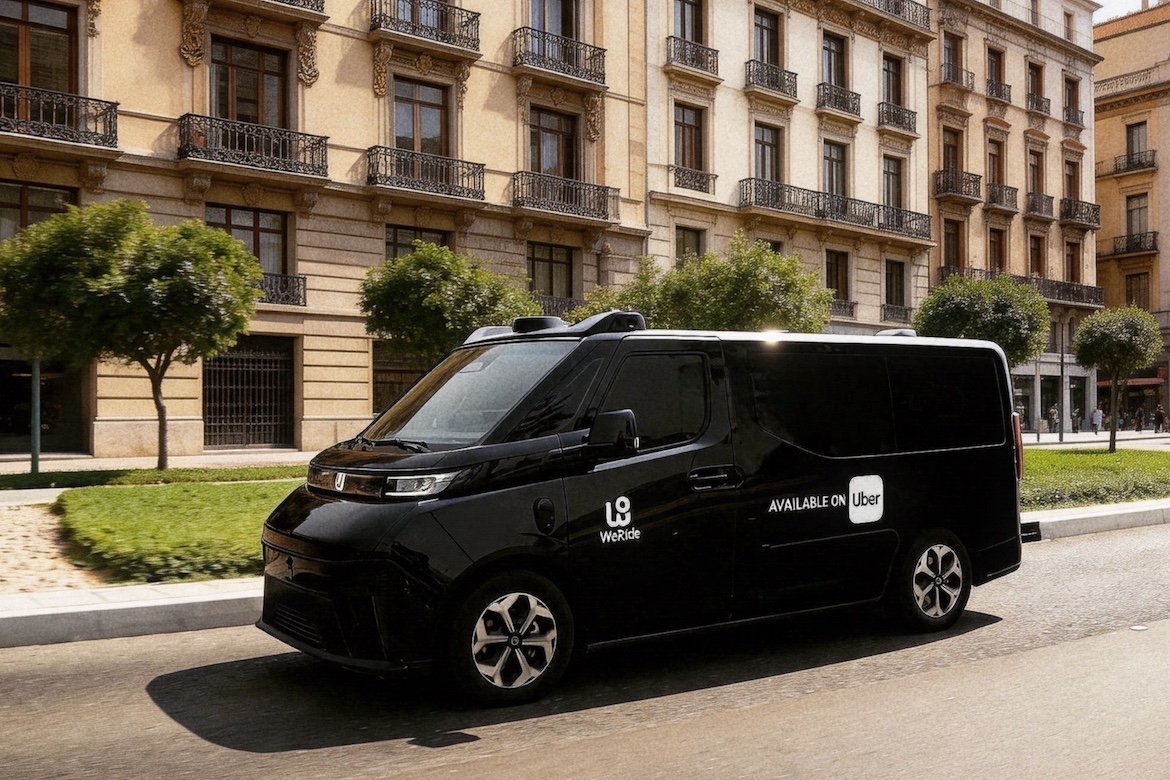
Uber, WeRide and AVOMO plan to launch Spain’s first commercial robotaxi pilot in Madrid, bringing autonomous rides to Europe through the Uber app.

Uber is launching Uber Drift in Tokyo, a limited travel experience that lets visitors ride shotgun with professional drivers at Japan’s Mobara Twin Circuit.
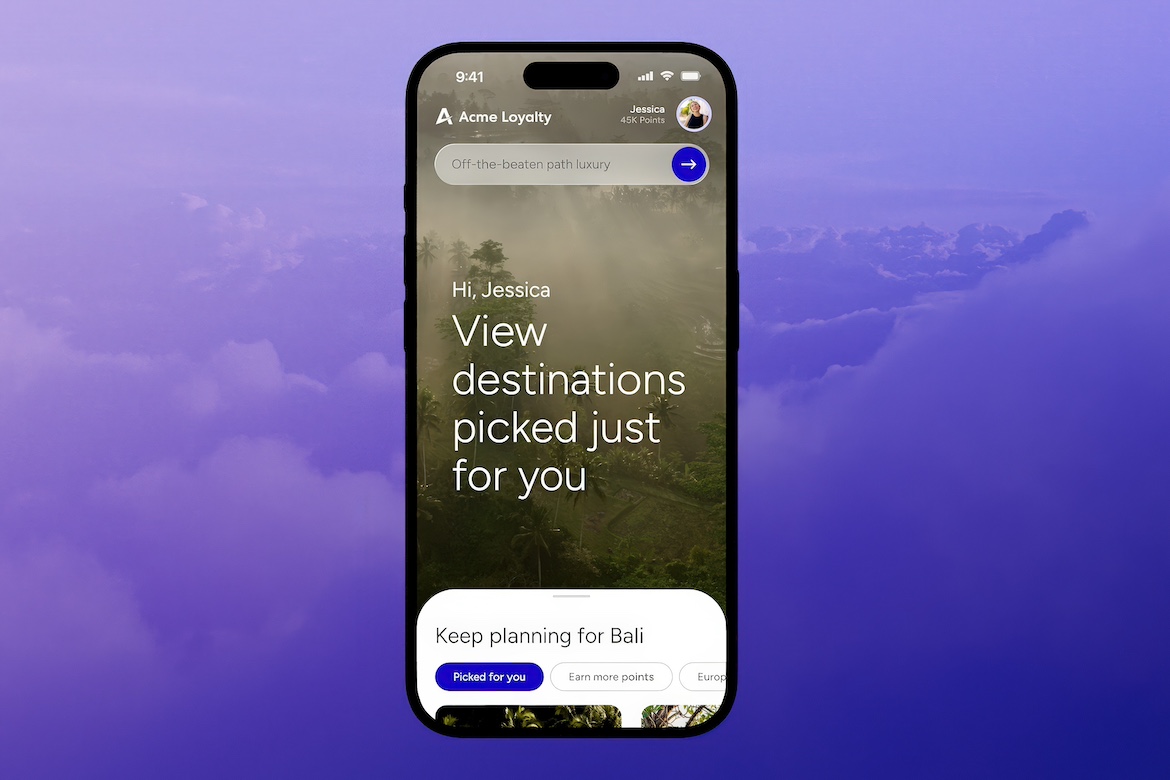
Expedia Group is preparing new AI tools for B2B partners, including agentic connections to travel inventory, expanded mobility services and social trip planning.
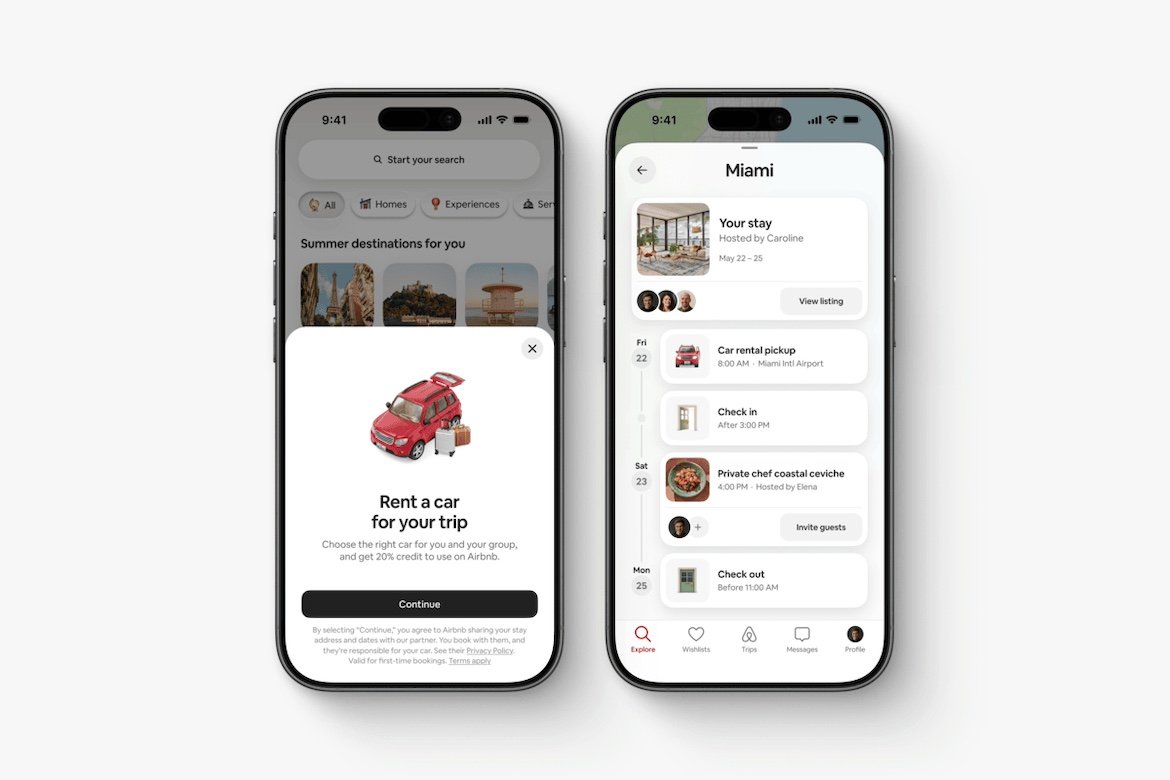
Airbnb is expanding beyond home rentals with boutique hotels, rental cars, grocery delivery, luggage storage and new AI tools for guests and hosts.

Uber and Click&Boat are partnering to offer skippered boat rentals across Mediterranean destinations, making day trips on the water easier to book through the Uber app.

Uber is adding hotel bookings, vacation rentals, travel planning tools, and new in-app services as it pushes deeper into travel and strengthens the case for Uber One membership.
Uber announces new products and features at its annual GO–GET product event, including hotel bookings and new travel tools.

Uber’s planned acquisition of Blacklane shows how ground transport is splitting into clearer service tiers. The deal gives Uber a stronger foothold in chauffeur and executive travel, where reliability and pre-booked service…
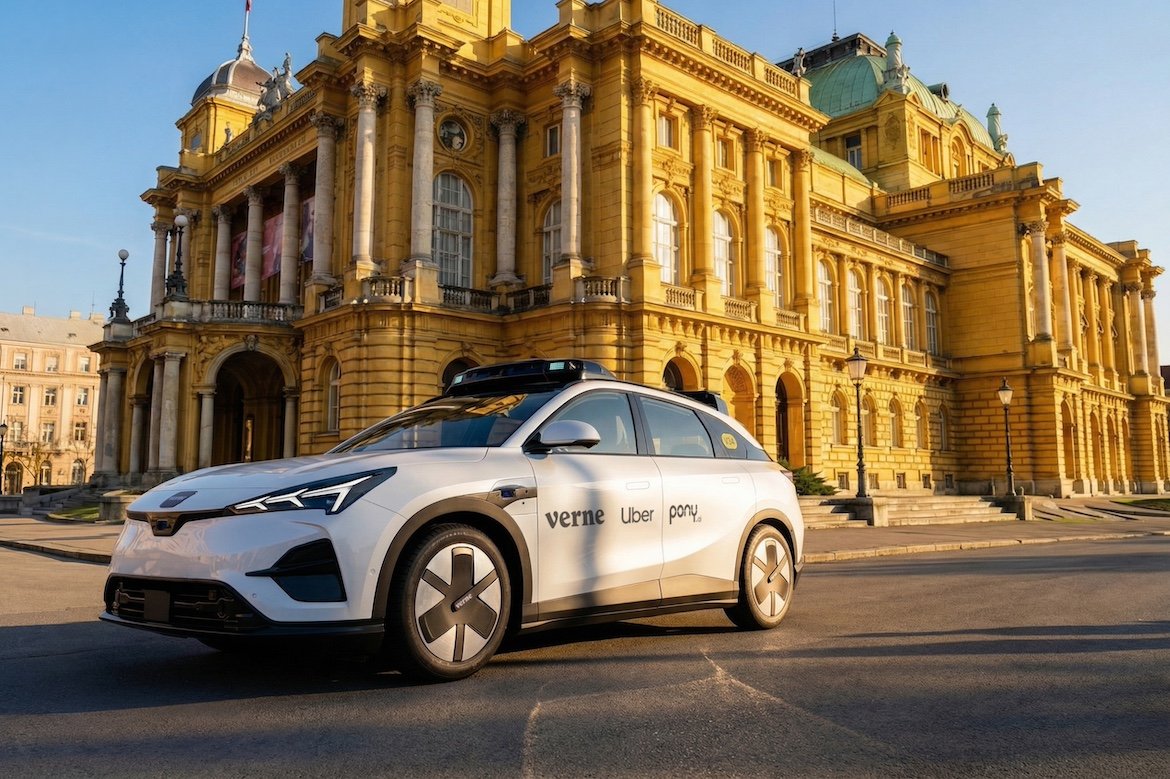
Uber’s latest autonomous partnership is less about a single city launch than about testing whether its marketplace model can work in Europe’s tighter regulatory environment. Starting in Zagreb gives the group a…