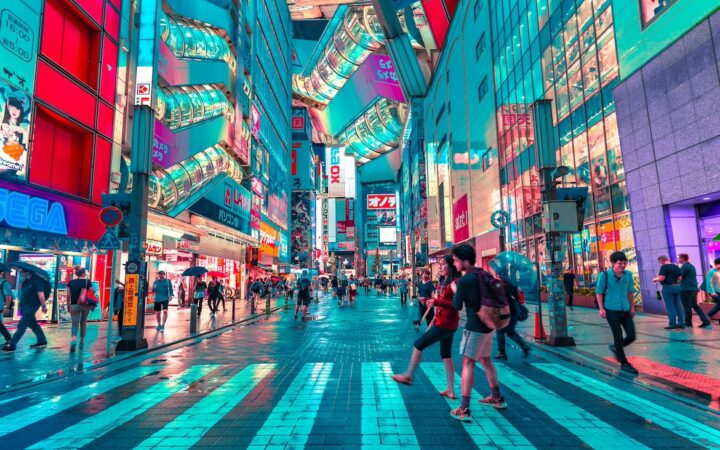
Tokyo has been named the world’s best city for Gen Z in 2026, replacing last year’s winner Bangkok at the top of Time Out’s annual ranking of the places where under-30s are happiest living.
The ranking was created from Time Out’s wider global city survey, with responses filtered to include only people under 30 and only the highest-scoring city from each country. Factors included nightlife, culture, affordability, walkability, transport, green space, community and how easy it is to meet new people.
Tokyo’s biggest advantage was happiness. Every Gen Z resident surveyed said they found joy in everyday experiences in the Japanese capital. The city also performed strongly for public transportation, walkability, culture and nightlife, with 89% of respondents rating its after-dark scene positively.
Affordability remains a weakness, particularly for nightlife, but Tokyo compensates with an enormous range of experiences. Karaoke, late-night bathhouses, listening bars, clubs, museums and indoor sports centers give young residents options far beyond conventional bars and restaurants.
Portugal’s Porto finished second and received a perfect score for community feel. It also performed unusually well for affordability, with 93% of Gen Z respondents describing the city as affordable, particularly for dining, drinks, art and culture.
Melbourne ranked third, helped by a 100% approval rating for restaurants and strong scores for culture and neighborhood life. Edinburgh took fourth place, combining walkability, green space and a distinctive nightlife scene, while Shanghai ranked fifth thanks to safety, social life and comparatively affordable everyday entertainment.
The complete Time Out Best Cities for Gen Z 2026 ranking is:
1. Tokyo, Japan
2. Porto, Portugal
3. Melbourne, Australia
4. Edinburgh, Scotland
5. Shanghai, China
6. New York, United States
7. Copenhagen, Denmark
8. Berlin, Germany
9. Valencia, Spain
10. Bangkok, Thailand
New York reached sixth place despite its famously high living costs. Gen Z respondents praised its walkability, cultural access and constant activity. Copenhagen followed in seventh, supported by cycling infrastructure, public transport and quality of life.
Berlin took eighth place, with nightlife, green space and its ability to help newcomers find communities remaining important strengths. Valencia placed ninth after scoring particularly well for happiness, sunshine and community, while Bangkok slipped from first to tenth but retained high ratings for restaurants, nightlife and affordability.
The ranking suggests Gen Z is not simply chasing the biggest nightlife scenes or cheapest cities. The strongest destinations combine social connection, culture, mobility and everyday quality of life.
Tokyo’s victory reflects that balance. It may not be the cheapest city on the list, but for younger residents, convenience, variety and the ability to enjoy ordinary daily life appear to matter just as much as price.
Disclaimer: TravelCapybara is an independent media brand owned and operated by NuvexMedia LLC, publishing travel news, destination guides, research, and insights. NuvexMedia LLC may invest in or collaborate with companies across the travel, hospitality, technology, and digital media sectors. These relationships do not influence TravelCapybara’s editorial coverage. While we strive for accuracy, travel requirements, prices, schedules, availability, and local conditions may change without notice. Readers should independently verify information before making travel or purchasing decisions. This content is for informational purposes only and does not constitute professional advice. © 2026 NuvexMedia LLC. All rights reserved.