Key Notes
- Chief executive Jasmin Bajić will leave Croatia Airlines on December 5 after nine years leading the company, with a new management board expected within a month.
- Passenger numbers rose 7% to 1,656,468 in the first nine months of 2026, while the net loss widened to €64.7 million.
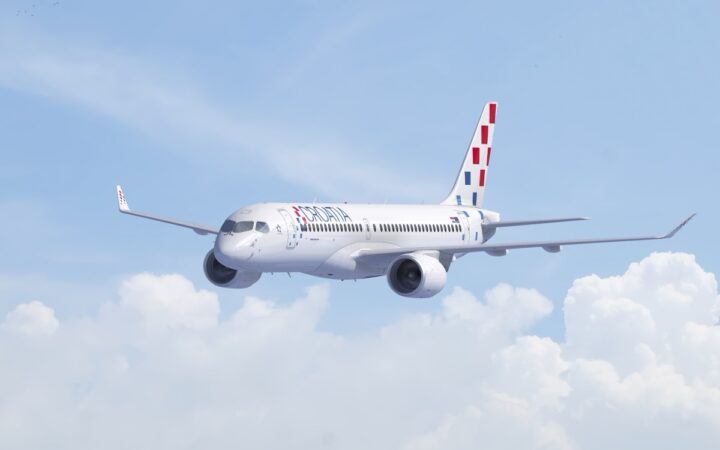
- The carrier had received 13 of its planned 15 Airbus A220s by the end of October, with the final aircraft expected in early 2027.
Croatia Airlines is preparing for its first leadership change in nine years, with chief executive Jasmin Bajić due to leave on December 5. His successor will inherit a Zagreb-based airline carrying more passengers but reporting substantially wider losses as it completes a major fleet renewal.
Bajić submitted his resignation on November 4, citing health reasons and retirement, according to the company’s stock-exchange announcement reported by Croatian public broadcaster HRT. A new management board is expected to be appointed within a month.
A Handover After Nine Years
Bajić has led the national carrier since 2017 and joined the company in January 1995. His earlier responsibilities included corporate planning, strategy, fleet and network planning, finance and controlling.
The departure falls near the end of Croatia Airlines’ transition to Airbus A220 aircraft. The incoming team’s immediate challenge will be to turn that investment into stronger financial performance while deciding how to deploy the new fleet across a highly seasonal travel market.
Passenger Growth Has Not Prevented Deeper Losses
The airline’s nine-month report records 1,656,468 passengers between January and September 2026, an increase of 7%. It served 28 international and eight domestic destinations, while its passenger load factor rose to 67.5%.
Despite that growth, the net loss reached €64.7 million, compared with €20.9 million a year earlier. The operating loss was €49.3 million. Financing costs increased as a stronger US dollar generated adverse exchange-rate movements and interest expenses rose on long-term aircraft leases.
The contrast shows why a fuller cabin is only part of the turnaround. Revenue earned from the traffic also has to cover the cost of providing the flights, financing the fleet and maintaining operations through quieter periods.
The A220 Fleet Is Almost Complete
Croatia Airlines had received 13 of its planned 15 A220s by the end of October, with another due before year-end and the final aircraft expected in the first quarter of 2027, according to EX-YU Aviation’s delivery update. The two remaining A319s are currently scheduled to make their last flights on November 27.
The fleet renewal began with the first A220-300 delivery in July 2024. The overall program comprises 13 A220-300s and two smaller A220-100s, replacing a mixed fleet with one aircraft family.
Competition Remains a Test for the Next Management
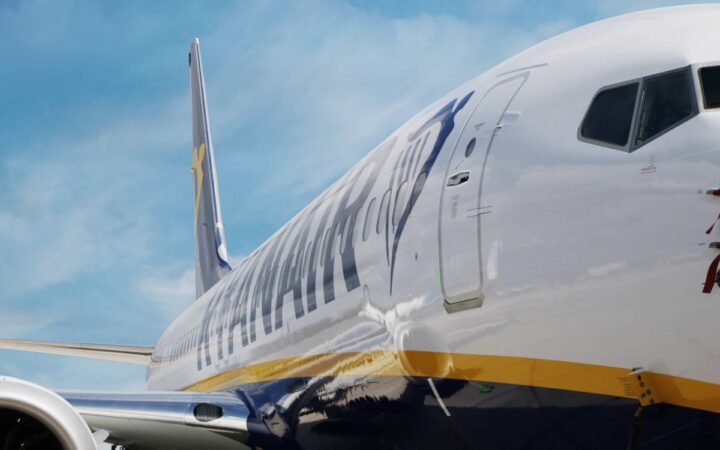
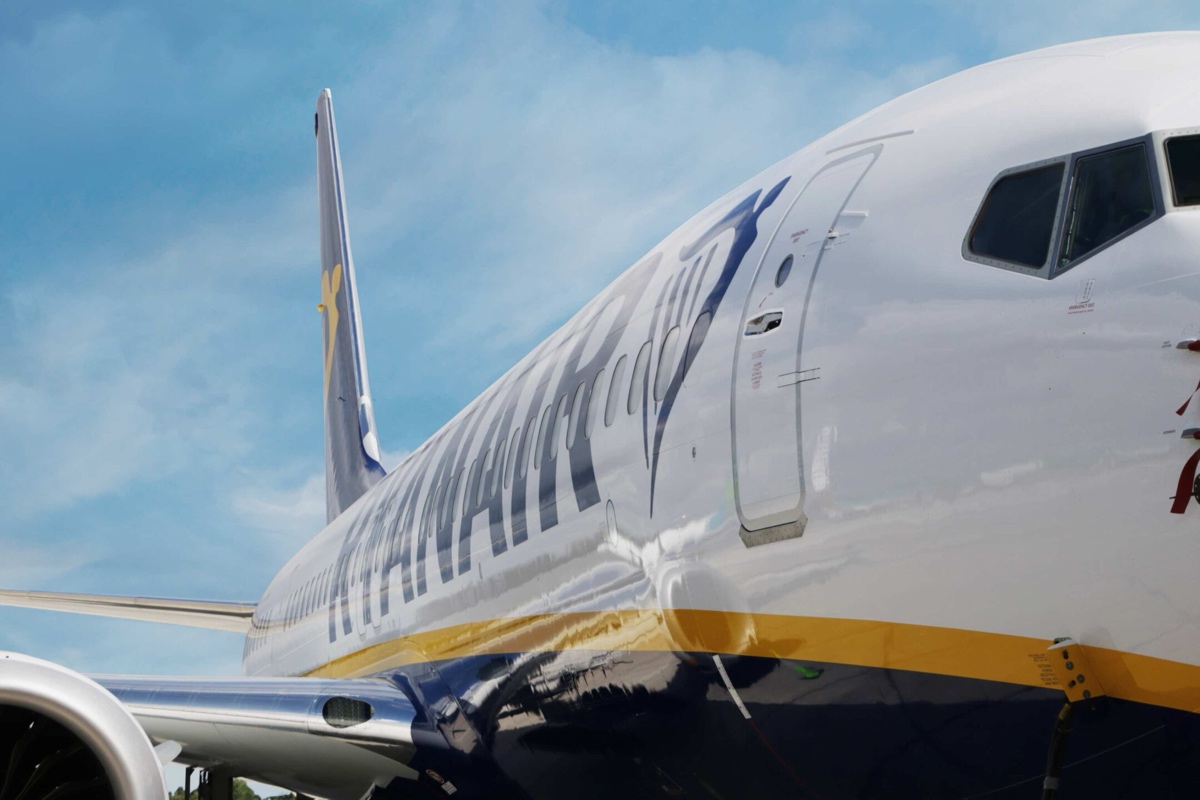
Modern aircraft alone will not settle the carrier’s competitive position. Ryanair handled close to 4.1 million passengers in Croatia in 2025, compared with Croatia Airlines’ 2.04 million, according to EX-YU Aviation.
The next summer season will provide an early test of the new leadership’s choices. With passenger demand already growing, the task is to build a network and cost structure that can convert that demand into a more sustainable business.
Disclaimer: TravelCapybara is an independent media brand owned and operated by NuvexMedia LLC, publishing travel news, destination guides, research, and insights. NuvexMedia LLC may invest in or collaborate with companies across the travel, hospitality, technology, and digital media sectors. These relationships do not influence TravelCapybara’s editorial coverage. While we strive for accuracy, travel requirements, prices, schedules, availability, and local conditions may change without notice. Readers should independently verify information before making travel or purchasing decisions. This content is for informational purposes only and does not constitute professional advice. © 2026 NuvexMedia LLC. All rights reserved.