Airbnb Tests Lower Host Fees for Bookings Brought Directly to Its Platform
Airbnb is testing reduced host fees for bookings generated through unique links shared by hosts, a move aimed at keeping more reservations on its platform.

Airbnb is testing reduced host fees for bookings generated through unique links shared by hosts, a move aimed at keeping more reservations on its platform.
Dubai ranked seventh among the world’s most welcoming cities for expats, supported by strong safety scores, infrastructure and a large international community.
Vrbo is piloting sponsored listings for vacation rentals, adding a paid visibility tool that could reshape how hosts compete for traveler attention.
YouTrip has launched a family travel card in Singapore, giving children aged 7 to 18 their own card while parents manage spending, alerts and security.
Airbnb has led a $58 million Series C round for WeRoad, backing the Italian group travel startup as it prepares to expand into the U.S. market.
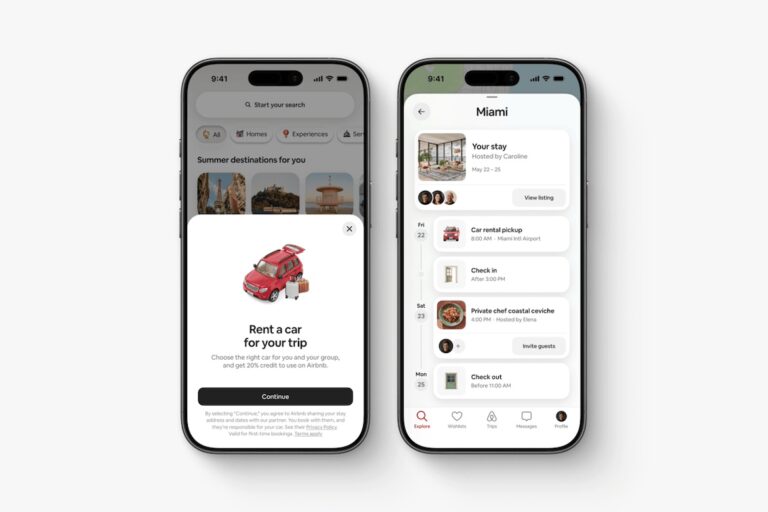
Airbnb is expanding beyond home rentals with boutique hotels, rental cars, grocery delivery, luggage storage and new AI tools for guests and hosts.
Uber and Click&Boat are partnering to offer skippered boat rentals across Mediterranean destinations, making day trips on the water easier to book through the Uber app.
HBX Group has agreed to acquire Bridgify, an AI-native travel technology company, as it expands beyond hotels and pushes deeper into experiences distribution.
Intrepid Travel has completed its biggest acquisition yet, buying France’s Altaï Group as it pushes deeper into Europe’s non-English-speaking adventure travel markets.
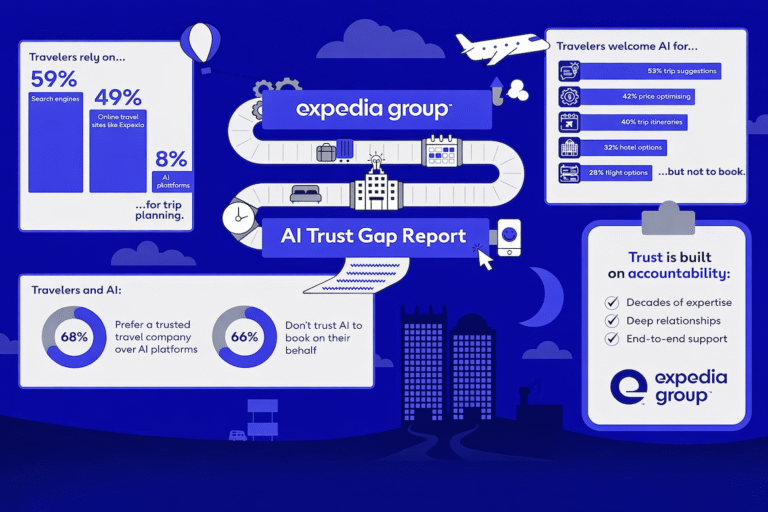
Expedia Group’s new AI Trust Gap report suggests that travelers are increasingly open to using AI for discovery and planning, but remain cautious when money, booking control, and post-trip support…
Booking.com has warned some customers that unauthorized parties may have accessed reservation-related personal information. The company says payment data was not taken from its systems, but the incident is likely…
Minor Hotels is building a new global data and AI platform as hotel groups race to own more of the guest relationship directly. The project is less about adding another…
Meta’s new Muse Spark model may matter to travel less as a standalone AI launch than as an ecosystem move. If its multimodal and reasoning features spread across Instagram, WhatsApp,…