Italy Brings Back Spain Border Checks – Here’s What Travelers Need to Know
Italy has temporarily restored checks for some travelers arriving from Spain after the Ceuta migration crisis raised concerns about movement within Europe.
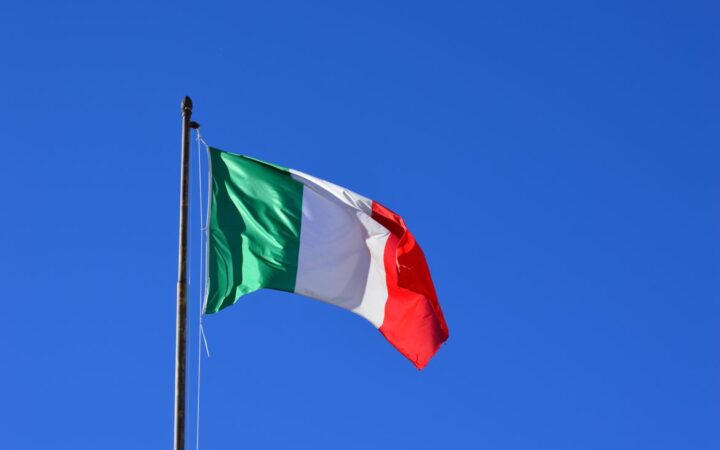
Italy has temporarily reintroduced border checks for travelers arriving from Spain, responding to concerns that the migration crisis in Ceuta could lead to secondary movements across Europe. The measure applies from August 1 through September 1 and covers air and sea arrivals because Italy and Spain do not share a land border.
Despite political descriptions of the decision as a suspension of Schengen, the practical impact is narrower. Spanish citizens and other European Union nationals remain entitled to move between the two countries, while Italian authorities will conduct targeted checks on non-EU travelers arriving from Spain.
The controls follow the arrival of tens of thousands of migrants in Ceuta, Spain’s enclave on the North African coast, after border management with Morocco broke down. Most of those who entered later returned voluntarily to Morocco, but the scale of the incident triggered a wider dispute over responsibility for protecting the European Union’s external borders.
Italian Prime Minister Giorgia Meloni described the checks as an extraordinary security measure. Her government said it would try to limit disruption during the peak summer season, when flights and ferries between Spain and Italy carry large numbers of leisure travelers.
What the New Checks Mean for Travelers
EU citizens should still be able to travel normally, but passengers may encounter additional identity checks after arriving in Italy from Spain. Travelers should carry a valid passport or national identity card even when moving within the Schengen Area, where routine internal border controls are normally absent.
Non-EU nationals are more likely to face document checks, including verification of passports, visas, residence permits and permitted length of stay. This could increase processing times at airports and ferry terminals, particularly on busy routes connecting destinations such as Barcelona, Madrid and the Balearic Islands with Rome, Milan, Naples and other Italian gateways.
The move does not cancel flights, close ports or prohibit travel between Spain and Italy. However, airlines and ferry operators may advise passengers to arrive earlier, while travelers with tight onward connections should allow more time for possible inspections.
Italy has also coordinated with France to reinforce monitoring along the Franco-Italian border. France already operates temporary internal controls covering several neighboring countries, including Spain and Italy, for wider security and migration reasons.
Spain reacted sharply to Italy’s decision. Prime Minister Pedro Sánchez argued that European treaties and confirmed data should guide the response, while Foreign Minister José Manuel Albares summoned the Italian ambassador after senior Italian officials called for stronger restrictions.
The European Commission has emphasized that Ceuta and Melilla are subject to special Schengen provisions and that checks already apply to people departing the enclaves for mainland Spain. European officials also said there was no evidence of large-scale movement from Ceuta toward other EU states.
Under the Schengen Borders Code, countries may temporarily restore internal controls when they identify a serious threat to public policy or security. Such measures are intended to be exceptional, proportionate and limited to the minimum period necessary.
For summer travelers, the immediate message is straightforward: routes between Spain and Italy remain open, but passport-free travel may no longer mean inspection-free travel. Carrying the correct documents and allowing extra time will be the safest approach until the controls are scheduled to end on September 1.
Disclaimer: TravelCapybara is an independent media brand owned and operated by NuvexMedia LLC, publishing travel news, destination guides, research, and insights. NuvexMedia LLC may invest in or collaborate with companies across the travel, hospitality, technology, and digital media sectors. These relationships do not influence TravelCapybara’s editorial coverage. While we strive for accuracy, travel requirements, prices, schedules, availability, and local conditions may change without notice. Readers should independently verify information before making travel or purchasing decisions. This content is for informational purposes only and does not constitute professional advice. © 2026 NuvexMedia LLC. All rights reserved.