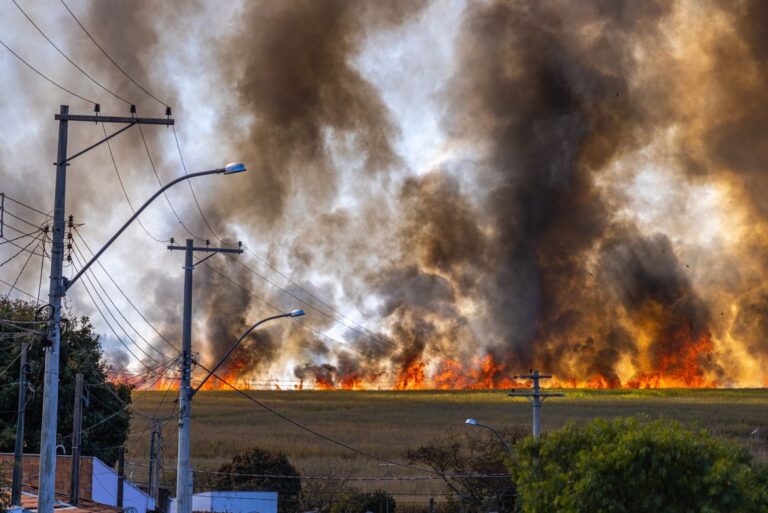
France and Spain Wildfires Trigger Mass Evacuations as Heatwave Threatens Travel Plans
Wildfires in France and Spain have forced mass evacuations, disrupted communities near Bordeaux, Madrid and Valencia, and raised fresh travel safety concerns.
TravelCapybara’s Tourism section takes you around the world with the latest updates, trends, and insights from the global tourism industry. From destination spotlights and seasonal travel guides to tourism board campaigns and cultural highlights, we connect you with the people, places, and experiences that make travel unforgettable. Whether you’re uncovering hidden gems or planning your next big adventure, this is your gateway to discovering the world’s most inspiring destinations.
Wildfires in France and Spain have forced mass evacuations, disrupted communities near Bordeaux, Madrid and Valencia, and raised fresh travel safety concerns.

Christopher Nolan’s The Odyssey is driving new travel demand for Greece, with tour operators launching itineraries tied to Homer, filming locations and mythology.
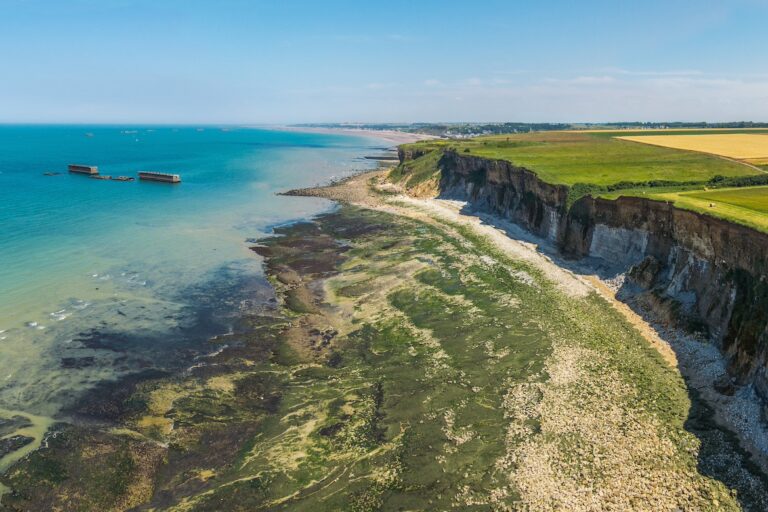
UNESCO has added Normandy’s D-Day beaches and Greece’s Mount Olympus to the World Heritage List, while also expanding its danger list.

New Zealand has raised travel advice for several Middle East countries, warning that airspace closures and flight disruption could strand travelers.

Spain expects a major tourism surge for the August 12 total solar eclipse, with rural Castile and Leon preparing for up to 500,000 visitors.

The 2030 and 2034 FIFA World Cups will push tournament travel into new territory, from six-country hosting to Saudi Arabia’s futuristic stadium plans.

Globus is expanding its 2027 Asia and Africa portfolio with new small-group tours, deeper destination extensions and more safari combinations.

Geneva is positioning itself as a summer coolcation escape, combining lake swimming, vineyard e-bike routes and easy access to Alpine scenery.

Two powerful earthquakes have struck Venezuela, causing damage in Caracas and nearby regions and making nonessential travel risky while rescue operations continue.

Japan will raise visa fees for foreign visitors for the first time since 1978, as the country adjusts charges amid inflation, yen weakness and record tourism…
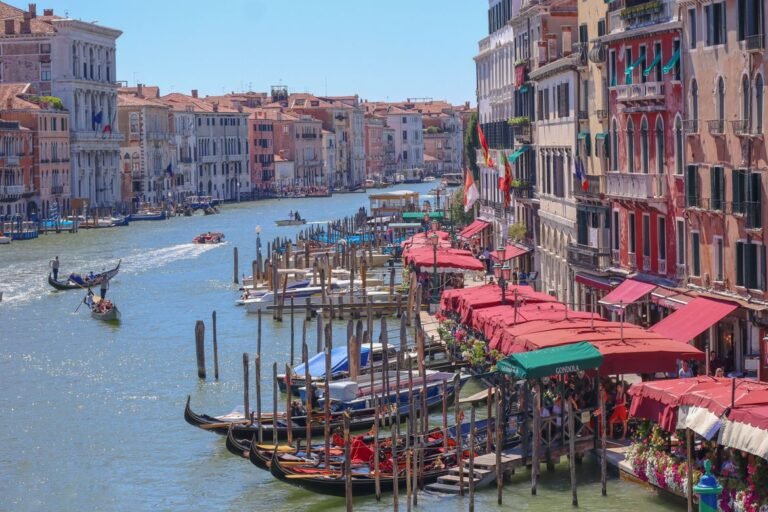
Venice is considering a major increase to its day-tripper entry fee, with officials weighing a sliding charge of up to €50 on the city’s busiest dates.

AAA expects a record 72.2 million Americans to travel during the July 4 holiday period, with cruising, trains and buses showing the fastest growth.