Japan will raise visa fees for foreign visitors from July 1, marking the first increase in nearly five decades as the government adjusts travel-related charges amid inflation and a weaker yen. The change will lift the cost of a single-entry visa from 3,000 yen to 15,000 yen, while multiple-entry visa fees will rise from 6,000 yen to 30,000 yen.
The revision is significant because Japan has not changed these visa fees since 1978. Government officials say the increase is intended to reflect inflation, exchange-rate changes and the need to bring Japan’s fees closer to those charged by other Group of Seven economies. Foreign Minister Toshimitsu Motegi said the government does not expect the change to have an immediate impact on inbound tourism.
For travelers who need a visa to visit Japan, the rise will add a higher upfront cost to trip planning. Even after the increase, the fee remains in line with visa charges in several major economies, but the fivefold jump may still be noticeable for families, group travelers and repeat visitors who rely on multiple-entry documents.
The change comes at a time when Japan is experiencing one of the strongest tourism rebounds in the world. A weak yen has made the country more affordable for many foreign visitors, while pent-up post-pandemic demand has pushed arrivals to record levels. Japan welcomed 42.7 million international tourists last year, setting a new high and reinforcing its position as one of Asia’s most in-demand destinations.
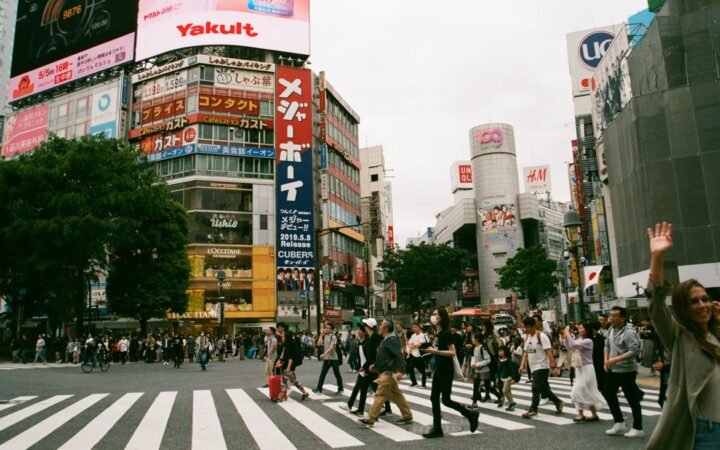
That growth has brought clear economic benefits, especially for hotels, airlines, rail operators, restaurants and retail districts. But it has also created pressure in popular areas such as Tokyo, Kyoto, Osaka and major heritage sites, where crowding, transport congestion and local concerns over visitor behavior have become more visible.
The visa fee increase is not being framed as an overtourism measure. Instead, it sits within a broader government effort to update fees connected to foreign visitors and residents. Japan has also approved changes that could sharply raise the upper limits on certain residency-related fees, including permanent residency applications, changes of status and extensions of stay.
For the travel industry, the immediate effect is likely to be limited. Many visitors from key source markets can enter Japan visa-free, so the increase will not affect every traveler. For those who do need a visa, Japan’s strong appeal, improved air access and favorable currency conditions may outweigh the higher administrative cost.
Still, the move is a reminder that international travel costs are increasingly being adjusted after years of inflation and shifting currency values. As Japan continues to balance record visitor numbers with infrastructure, staffing and destination management pressures, travel-related fees are becoming part of the wider conversation about how the country funds and manages its tourism boom.
Disclaimer: TravelCapybara is an independent media brand owned and operated by NuvexMedia LLC, publishing travel news, destination guides, research, and insights. NuvexMedia LLC may invest in or collaborate with companies across the travel, hospitality, technology, and digital media sectors. These relationships do not influence TravelCapybara’s editorial coverage. While we strive for accuracy, travel requirements, prices, schedules, availability, and local conditions may change without notice. Readers should independently verify information before making travel or purchasing decisions. This content is for informational purposes only and does not constitute professional advice. © 2026 NuvexMedia LLC. All rights reserved.