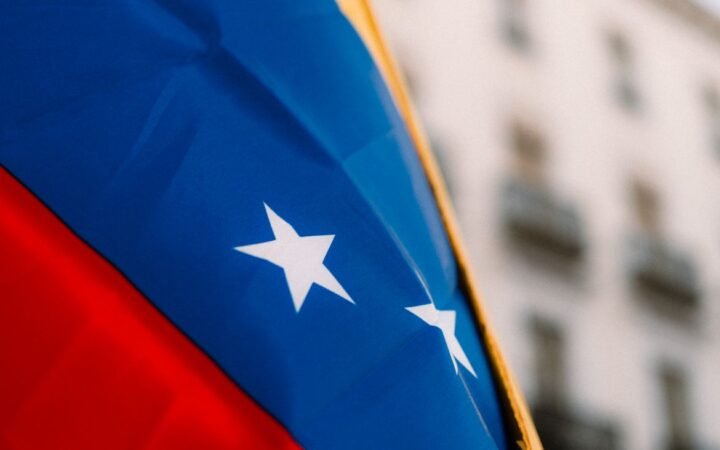
Travelers should avoid nonessential trips to Venezuela after two powerful earthquakes struck the country on June 24, causing severe damage in and around Caracas and raising concerns about transport disruption, damaged buildings and continuing aftershocks. The quakes hit west of the capital in quick succession, with reported magnitudes above 7.0, making them among the strongest earthquakes to affect Venezuela in more than a century.
Early official figures reported dozens of deaths and hundreds of injuries, while rescue teams continued searching through collapsed buildings. The full scale of the disaster may take time to assess because damage has been reported across several areas, including Caracas, La Guaira and other north-central regions. For visitors, that means the situation remains unstable and could change quickly.
The immediate travel risk is not limited to the quake itself. Large earthquakes can damage airports, roads, bridges, hotels, apartment buildings, hospitals and power systems. Even buildings that remain standing may be unsafe until engineers inspect them. Aftershocks can also cause further collapses, especially in structures already weakened by the first tremors.
Caracas Travel Is Now a High-Risk Choice
Caracas is one of the main areas affected, and travelers should not treat the city as a normal destination while emergency work is underway. Reports from the ground described collapsed buildings, people evacuating into streets, damaged infrastructure and search-and-rescue operations continuing into the night.
For anyone currently in Venezuela, the priority should be personal safety rather than sightseeing or movement between regions. Visitors should follow instructions from local authorities, avoid damaged buildings, stay away from glass, power lines and unstable facades, and keep emergency supplies close. Hotels may need to relocate guests or restrict access to certain areas if structural checks are required.
Travelers with upcoming plans should contact airlines, hotels, tour operators and travel insurers before departure. Even if a flight is technically operating, airport damage, road closures, limited ground transport and pressure on emergency services can make travel unsafe or impractical. Visitors should also check whether their travel insurance covers natural disasters, trip interruption, hotel disruption and medical evacuation.
The risk extends beyond Caracas. Earthquakes can disrupt travel corridors, fuel access, medical services and communications across a wider area than the visible damage zone. Coastal regions also briefly faced tsunami-related alerts, showing how quickly regional travel conditions can shift after a major seismic event.
Trips Should Be Postponed Until Conditions Stabilize
For leisure travelers, there is little reason to visit Venezuela right now. Beaches, city breaks, business trips and adventure travel plans should be postponed until authorities finish damage assessments and transport systems return to reliable operation. Travel during the rescue phase can also add pressure to hotels, roads and emergency services that are needed for residents.
Tour operators and independent travelers should be especially cautious about multi-stop itineraries involving Caracas, La Guaira, coastal areas or internal road travel. Infrastructure that appears open may still be vulnerable, and access to hospitals or emergency care could be limited if local services are overwhelmed.
The situation is also a reminder that travel planning increasingly requires real-time safety checks. A destination can change from feasible to high-risk in minutes after an earthquake, hurricane, wildfire or political crisis. For Venezuela, the correct approach now is to wait, monitor official updates and avoid unnecessary movement until the country has a clearer picture of the damage.
Venezuela may eventually reopen safely to visitors, but this is not that moment. Until aftershocks, infrastructure checks and emergency operations are under control, travelers should stay away from affected areas and give recovery teams space to work.
Disclaimer: TravelCapybara is an independent media brand owned and operated by NuvexMedia LLC, publishing travel news, destination guides, research, and insights. NuvexMedia LLC may invest in or collaborate with companies across the travel, hospitality, technology, and digital media sectors. These relationships do not influence TravelCapybara’s editorial coverage. While we strive for accuracy, travel requirements, prices, schedules, availability, and local conditions may change without notice. Readers should independently verify information before making travel or purchasing decisions. This content is for informational purposes only and does not constitute professional advice. © 2026 NuvexMedia LLC. All rights reserved.