Hobby Holidays: 7 Trips Built Around What You Love
From painting in Cornwall to pasta-making in Bologna and tango in Buenos Aires, seven hobby holidays that put an experience at the heart of the trip.

Key Notes
- New 2027 travel forecasts highlight holidays built around hobbies, shared interests and learning experiences.
- Seven ideas range from painting and pasta-making to textile workshops, birdwatching, stargazing and tango.
- Confirm class dates, teaching language, group requirements and collection or transport arrangements before booking the rest of the trip.
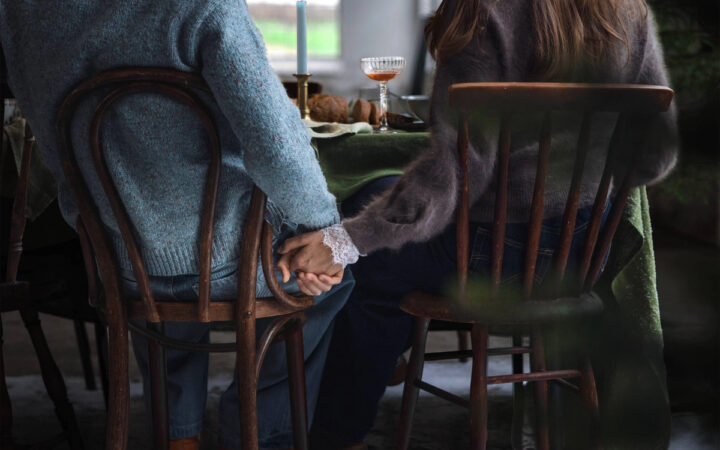
The best thing you bring home from a trip might be a pasta recipe you can actually make, a sketchbook you have finally opened or the confidence to join a dance floor. Planning around a hobby gives the days a little shape. There is a class to look forward to, a reason to pay attention and something to try again when you get home.
The idea is appearing in the latest travel forecasts. Expedia’s Unpack ’27 report includes “Hobby Hubs,” with rental homes becoming bases for interests such as birdwatching and shared games. Hilton’s 2027 forecast also points to trips that help people discover a hobby or a different way of cooking. Our seven choices below turn that broader idea into holidays you can plan, from an afternoon’s introduction to several days of practice.
You can begin with something you already love, or something you have never quite found time to start. One well-chosen session can anchor a city break. A longer course can give you a reason to stay in the same place for a week.
1. Paint by the Sea in St Ives, Cornwall
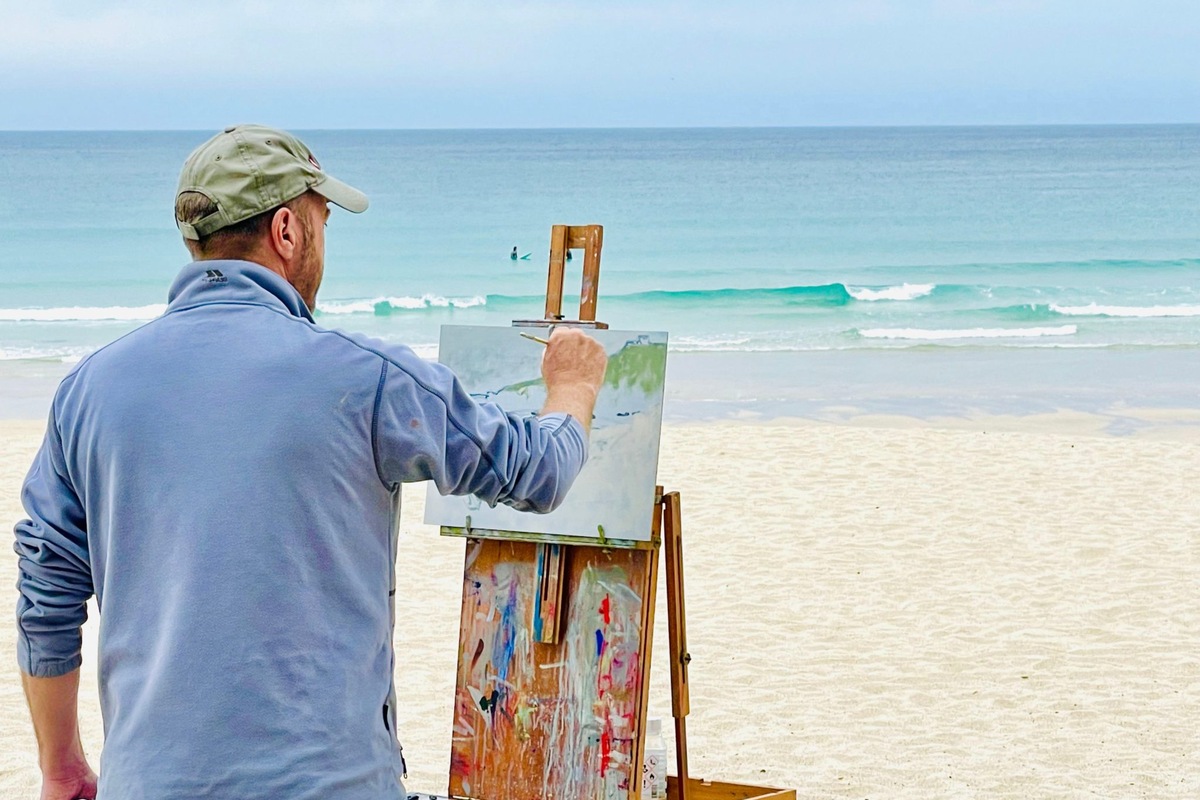
St Ives makes sense for anyone who has ever packed a sketchbook and brought it home untouched. With a class in the diary, the first page becomes someone else’s problem to help you solve. The sea, the rooftops and the changing light provide plenty to look at once you have started.
The painting school runs small-group courses from studios overlooking Porthmeor Beach. Its program covers different media and levels, including options for complete beginners. Read the individual course description carefully: a watercolor introduction and a course for experienced oil painters will produce very different weekends.
Book the course first and arrange a room around its actual dates. A stay of several nights leaves time for the harbor, galleries and a walk between sessions. Ask what materials are supplied, what you need to bring and how you will carry finished work home. Choose a medium you are curious about, then give yourself permission to enjoy being a beginner.
2. Learn to Make Pasta in Bologna

Bologna is a good place to turn an interest in food into something you can do with your hands. A cooking lesson gives the market stalls and restaurant menus another layer of meaning. After trying to roll dough or shape a filling yourself, you are likely to look more closely at what arrives on the plate.
The city’s tourism office lists Bologna Gourmet, where English-language classes introduce fresh pasta and local cooking. Sessions are arranged by appointment and the listing specifies a minimum of two participants. A solo traveler should ask about joining an existing group before booking a trip around it.
Make the class one part of a three-night food break, with time to revisit a market and order something you have learned about. Check the menu, dietary arrangements and whether the session includes eating what you make. Bring a notebook, or ask whether recipes are provided. The useful souvenir is a method you can repeat in your own kitchen.
3. Paint Portuguese Tiles in Porto

Porto’s azulejos give a city walk a pleasing distraction: you start noticing borders, repeated shapes and the small differences between façades. A tile-painting workshop lets you spend longer with those details. It also makes a rainy afternoon feel like part of the holiday rather than a gap to fill.
At Gazete Azulejos, the English-language workshop introduces traditional decoration techniques. Participants paint two glazed ceramic tiles during a session of around two hours, with materials and firing included. Previous experience is not required. The studio’s wider work documents and reproduces historic tile designs, giving the patterns a context beyond the souvenir shelf.
The important detail comes afterward: the tiles are fired overnight and are listed for collection the next day between 4 and 5 pm. Book early enough in your stay for that to work. Shipping may be possible by arrangement, at an additional cost. A three-night Porto visit gives the workshop, the collection and the rest of the city room to fit together.
4. Try Shibori Dyeing in Kyoto

A textile workshop is a welcome change of pace during a Kyoto trip. After several days of looking at beautiful things, there is real pleasure in learning how one is made. Shibori uses ways of folding, binding or otherwise resisting dye to create patterns in cloth, and the moment the fabric opens is part of the appeal.
The Kyoto Shibori Museum offers classes using scarves and other textiles, with different techniques and durations. Its published information says courses are available in English, museum admission is included and finished work can be taken home the same day. Reservations are recommended.
Choose the technique and fabric before comparing prices, since the courses are not identical. This is an easy experience to fit into a longer Kyoto stay, with the museum close to Nijō Castle. Keep the rest of the day light enough to look around the exhibition afterward. Ask how the finished fabric should be washed and cared for, so it remains something you use when the trip is over.
5. Spend a Few Days Birdwatching on the Norfolk Coast
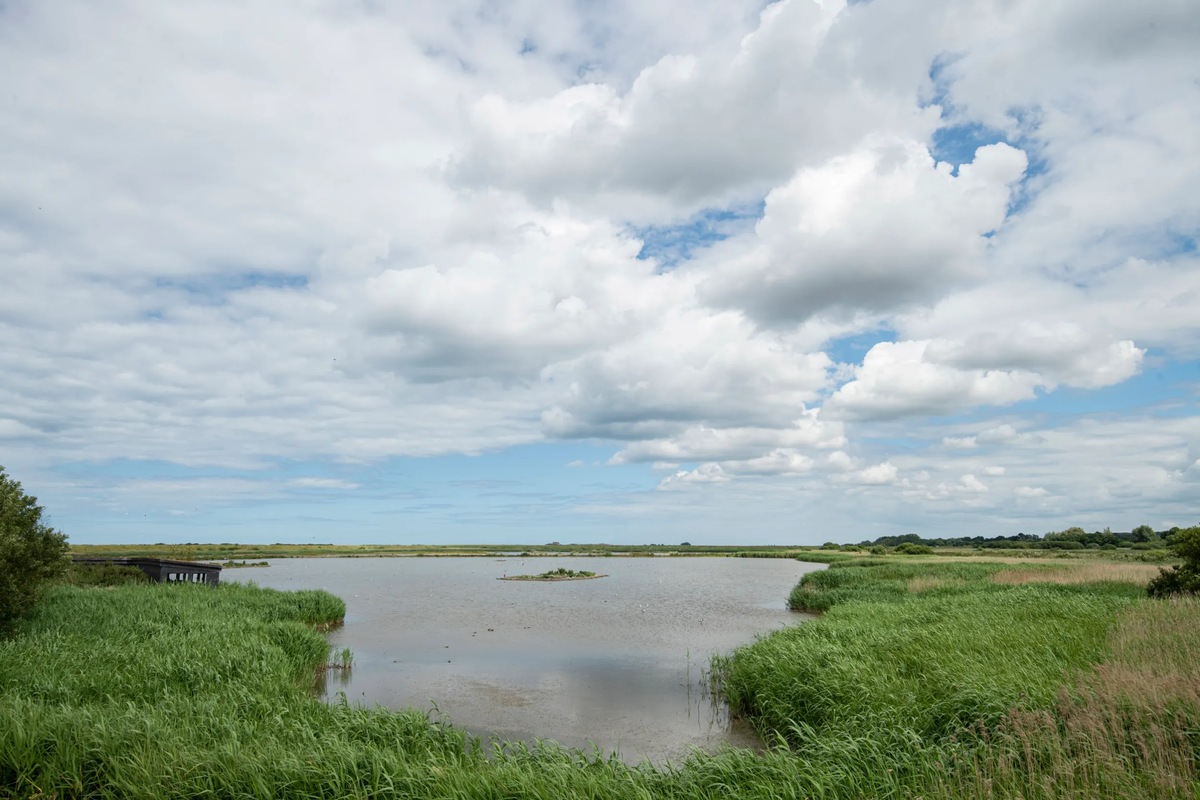
Birdwatching changes the pace of a coastal holiday. You stop because something has moved, then stay because you want to work out what it was. Even a familiar stretch of reeds or water becomes more interesting once you have a little help knowing where to look.
At Titchwell Marsh, paths lead through a mix of reedbeds, lagoons and saltmarsh toward the beach. The RSPB lists guided walks and visitor facilities, making it a useful starting point for someone who would rather learn with a guide than identify everything alone. Check the current events program and ask about optics hire when planning your visit.
Stay nearby for a few nights and leave more than one morning available. Weather and wildlife have their own timetable, and a particular sighting is never guaranteed. Bring warm, wind-resistant clothing and something to write in. A short list of birds you can now recognize is a satisfying result. There is plenty of pleasure in a quiet hour looking, even when the rarest visitor fails to appear.
6. Learn Your Way Around the Night Sky on La Palma
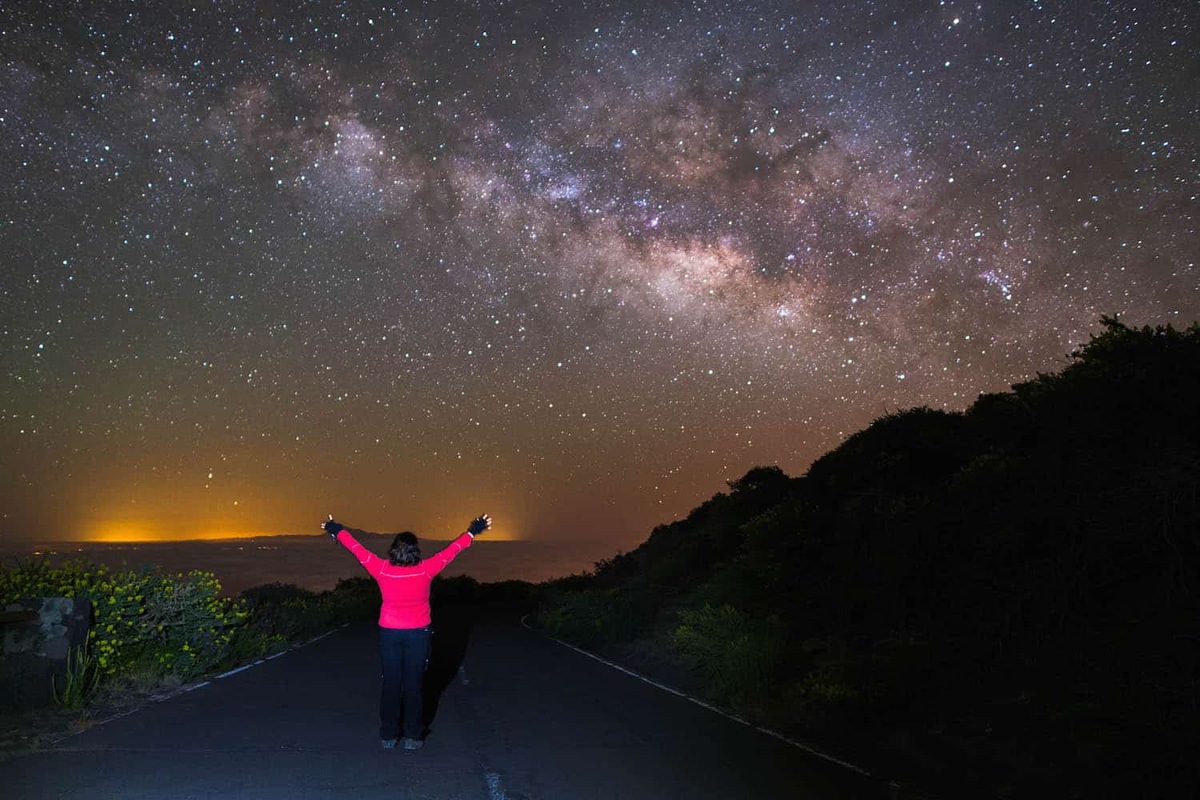
La Palma offers a holiday with a different evening routine. Dinner can be followed by a drive toward an observing site, layers of warm clothing and the gradual realization that the sky contains rather more than you normally notice. A guide helps turn a beautiful view into something you begin to understand.
AstroLaPalma’s guidance explains how observing locations are selected according to the conditions that night. Stargazing experiences generally last around two hours, plus travel time, with details varying by booking. Ask about transport, the meeting point and what happens if clouds or wind prevent the session going ahead.
Put the activity early in a stay of several nights if you can, leaving some room to rearrange it. Pack warmer layers than a coastal forecast might suggest; observing sites can be much colder after sunset. For a first visit, a guided session is a sensible way to discover whether astronomy is an interest you want to pursue. A night-photography course is a separate choice, with its own equipment requirements.
7. Take Your First Tango Lessons in Buenos Aires
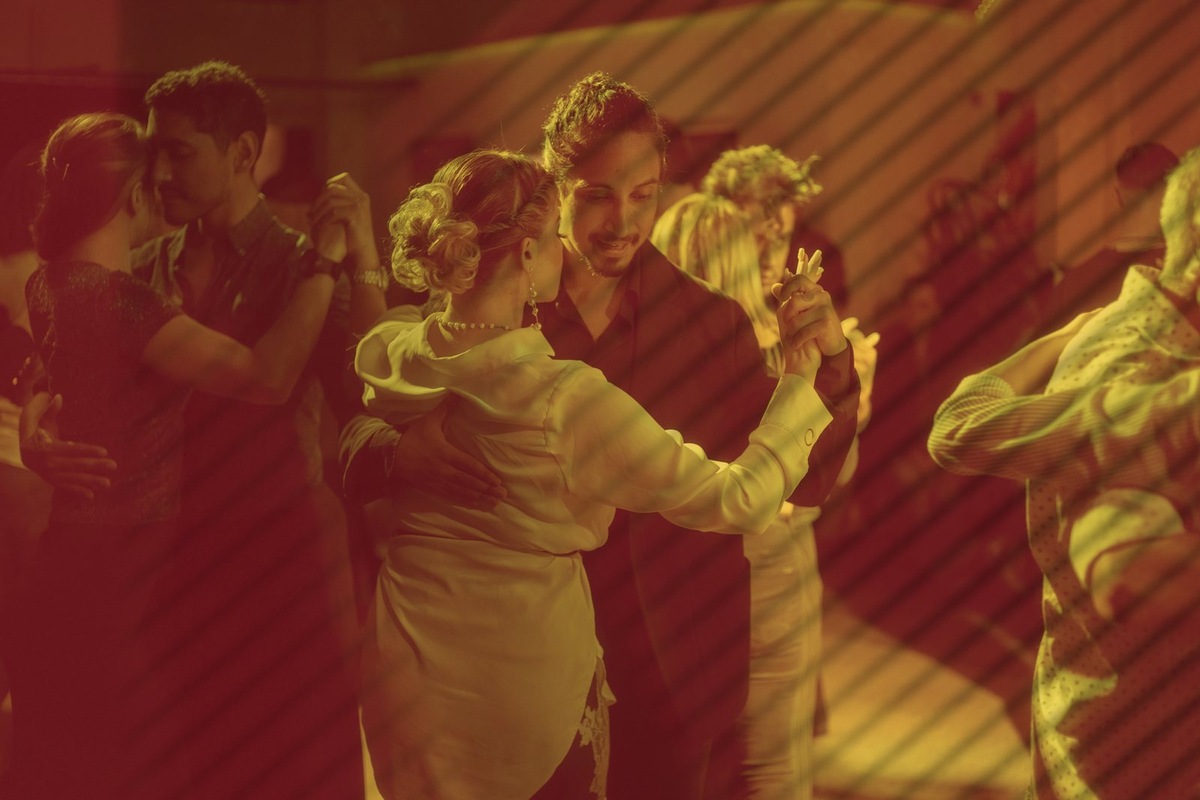
A tango holiday can begin with the simplest ambition: learning how to walk with the music and another person. Watching skilled dancers is one pleasure; understanding a little of the attention and practice involved is another. Give yourself enough time for the first lesson to feel like a beginning.
In Boedo, Avenida Tango lists classes for different levels alongside practices and milongas, the social dance gatherings that are central to tango life. Choose a beginner session and confirm the teaching language, whether you need a partner and what shoes are suitable. A private introduction may be useful if joining a larger group feels daunting.
Make this part of a longer Buenos Aires stay, with lessons spaced across several days. Ask your teacher which social evening would suit a newcomer and what etiquette to know before attending. Leave time for the city between classes. Returning to the same school can give the visit a pleasant routine, and a second or third lesson is often when an unfamiliar movement begins to make sense.
How to Choose a Hobby Holiday You Will Enjoy
Start with the amount of time you want to spend learning. Porto’s tile workshop or a Kyoto textile class can fit into an afternoon. A painting course or several tango lessons will shape more of the trip. Birdwatching and stargazing need flexibility around conditions. Choose the format that leaves you looking forward to the next session.
Before paying for accommodation, confirm the class date, teaching language, experience level and minimum group size. Ask what is included, how cancellations work and whether you will need to collect anything later. For outdoor activities, check the transport arrangements as carefully as the activity itself. These details matter more than packing the itinerary with extra stops.
For friends traveling together, agree how much of the holiday will revolve around the hobby. One person may want a full course while another would prefer a single introduction. Staying in a place with cafés, walks and museums nearby gives everyone options. Our slower escapes guide has more ideas for giving a trip room to breathe.
Leave yourself a small way to continue at home: a recipe, a sketchbook, a bird guide or the name of a local dance class. That is part of the attraction of this kind of travel. The holiday ends, but there is something enjoyable waiting for the next free afternoon.
Disclaimer: TravelCapybara is an independent media brand owned and operated by NuvexMedia LLC, publishing travel news, destination guides, research, and insights. NuvexMedia LLC may invest in or collaborate with companies across the travel, hospitality, technology, and digital media sectors. These relationships do not influence TravelCapybara’s editorial coverage. While we strive for accuracy, travel requirements, prices, schedules, availability, and local conditions may change without notice. Readers should independently verify information before making travel or purchasing decisions. This content is for informational purposes only and does not constitute professional advice. © 2026 NuvexMedia LLC. All rights reserved.