Gothic Getaways: 7 European Escapes With a Story to Tell
From Whitby’s Dracula connection to Sintra’s elaborate gardens and Ghent’s Gothic towers, seven atmospheric European escapes to explore at your own pace.
Key Notes
- Gothic Getaways feature in the latest travel forecasts, with interest in atmospheric stays and dramatic surroundings.
- Seven European escapes bring together real literary connections, cathedral cities, elaborate gardens and an island abbey.
- Plan around opening days, seasonal daylight and a comfortable base, with time to enjoy one place rather than rush between many.
A ruined abbey above the sea, a cathedral window catching the afternoon light, a narrow street that seems made for the opening chapter of a novel. Some places give a weekend away a story before you have even checked into the hotel. As autumn evenings draw in, that is a particularly appealing reason to travel.
There is a name for the mood. Expedia Group’s Unpack ’27 report identifies “Gothic Getaways” among Hotels.com’s travel trends, describing an appetite for atmospheric stays and dramatic surroundings. We have taken that idea beyond the hotel door, choosing seven European places where architecture, landscape or literature gives a trip its character.
They offer different versions of the idea. Whitby has a genuine connection to Dracula; Ghent rewards anyone who loves medieval churches; Sintra brings the theatrical imagination of a much later age. You can enjoy all of them in daylight, with a good lunch and somewhere comfortable to return to. Choose one for a long weekend, rather than trying to stitch the whole list into a single journey.
1. Edinburgh, Scotland: Old Town Streets and a Cathedral Crown
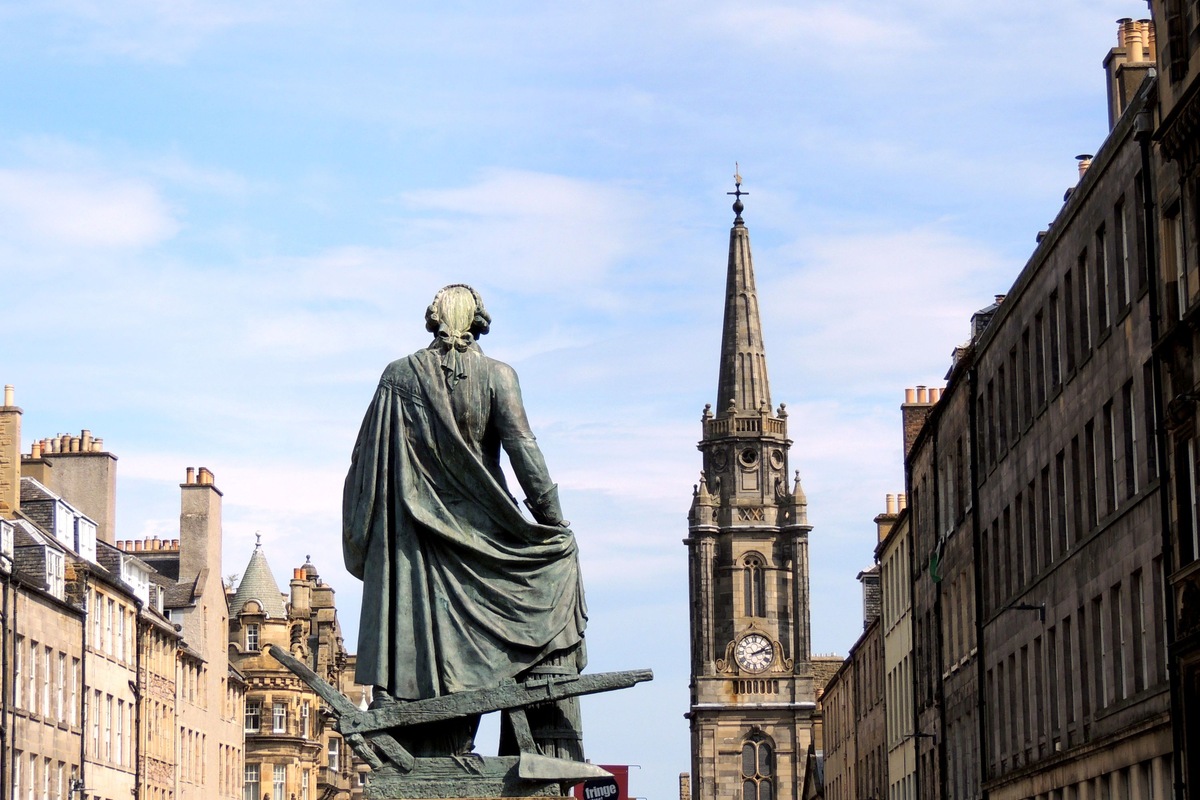
Edinburgh is a city for looking up, then turning down a side street to see where it leads. Around the Royal Mile, tall stone buildings crowd the slopes and narrow closes draw you away from the main thoroughfare. The changes in level make even a short walk feel like an exploration. Give yourself time to stop instead of marching straight between landmarks.
Make St Giles’ one of those stops. Its distinctive crown steeple is part of the Old Town skyline, while the interior offers stained glass, carved details and the richly decorated Thistle Chapel. The cathedral’s visitor arrangements now include general admission for adults from outside Scotland, so check current ticket information and tour access rather than relying on an older guide that describes entry as free.
Two or three nights work well for a first visit. Spend one morning on the Royal Mile, then make the afternoon about a museum, a bookshop or a café you have actually been looking forward to. Leave another walk for the next day, when different light changes the same streets. If you add an evening storytelling tour, choose a guide who makes the distinction between documented history and local legend clear.
2. Whitby, England: Follow a Real Literary Connection
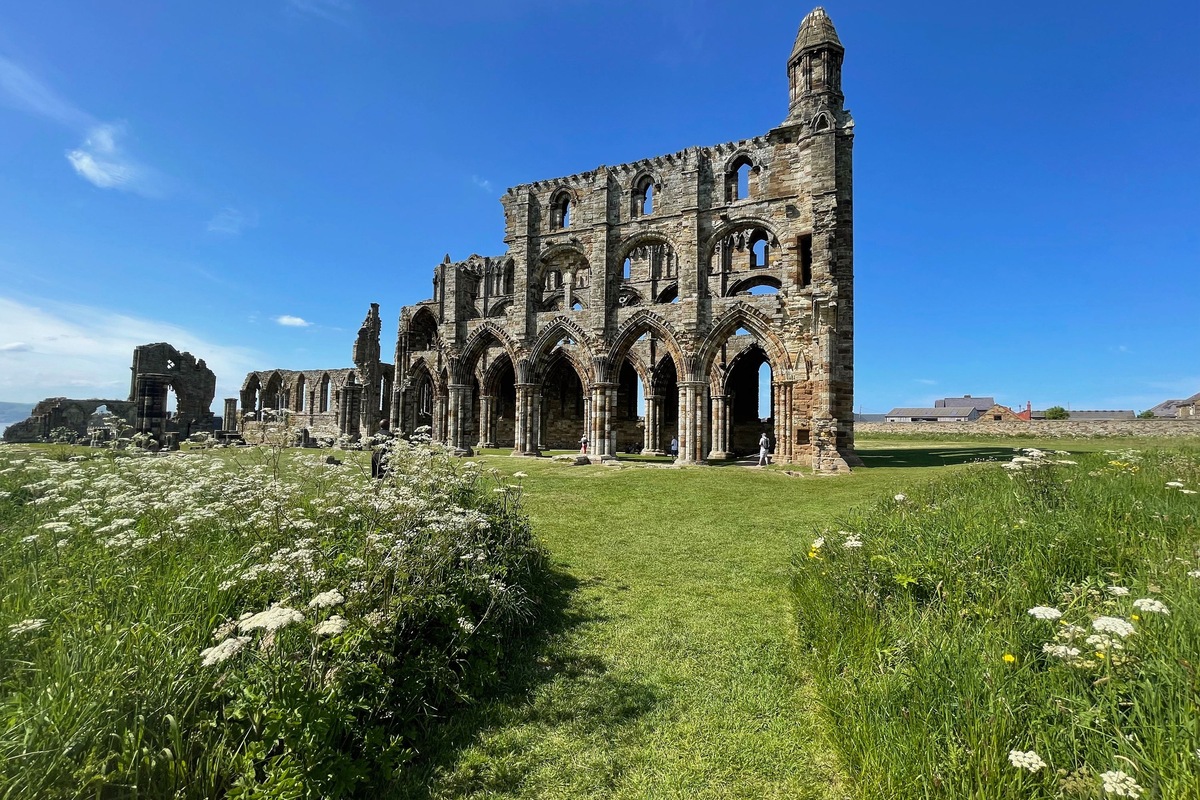
Whitby has one of the most satisfying reasons to bring a novel on holiday. Bram Stoker visited the Yorkshire harbor town in 1890, and its cliffs, churchyard and abbey ruins helped shape Dracula. English Heritage traces that literary connection in detail. Reading a few chapters while staying here gives familiar views another layer of interest.
Climb toward East Cliff and St Mary’s Church by the famous 199 steps, pausing for the view across the harbor. Farther up, the open arches of Whitby Abbey frame the sky. The ruins are impressive on a clear day, when the stone, grass and sea make a much brighter scene than a vampire story might suggest. Allow time to look at the abbey itself as well as taking the obvious photograph.
Stay for a couple of nights if you can, with the abbey visit in daylight and the harbor streets afterward. Check seasonal opening times before choosing your dates, and bring a layer that can handle the exposed headland. Halloween and Goth Weekend dates can be busy, so book accommodation early if the events are part of the attraction. Fish and chips by the water make an easy change of mood after a morning among the ruins.
3. Prague, Czechia: Stained Glass Above the City
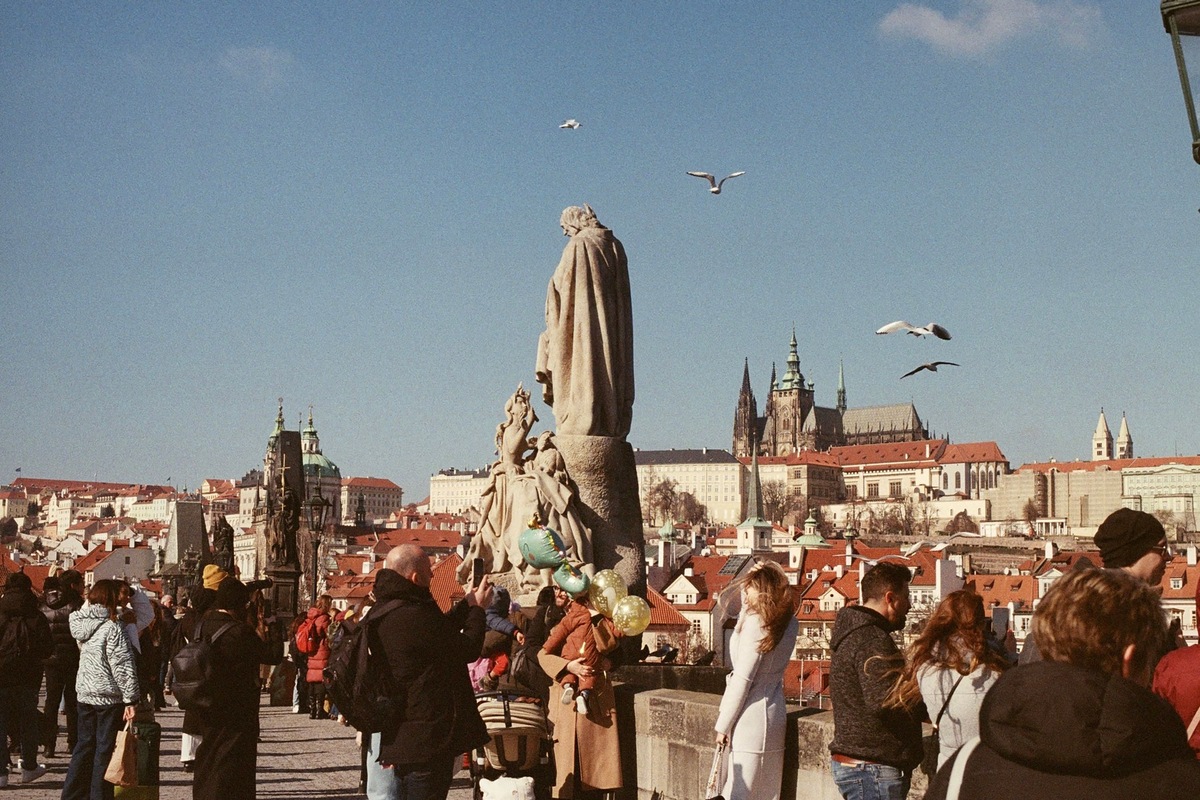
Prague’s skyline gives you a reason to keep crossing the river. From Charles Bridge, the castle complex and St Vitus Cathedral rise above the city; once you reach them, the reward is looking closely at what seemed distant from below. The walk between the two is part of the day, with plenty of opportunities to turn aside for a courtyard or a coffee.
Inside St Vitus, let your eyes adjust before moving through the building. The height of the vaults, the changing colors in the glass and the detail around the chapels deserve more than a quick circuit. The cathedral combines centuries of work, including later additions, so its beauty is also a lesson in how a landmark evolves. Its official site separates admission information from the daily program; check both because it remains a working church.
Give Prague three nights if the journey allows. Put the castle area on one day and the Old Town on another, with an unhurried meal between the larger sights. A room within an easy walk of public transport is more useful than a dramatic description on a booking page. For a broader city itinerary, our weekend breaks guide offers more ideas for shaping a short European stay.
4. Sintra, Portugal: A Garden With a Theatrical Imagination
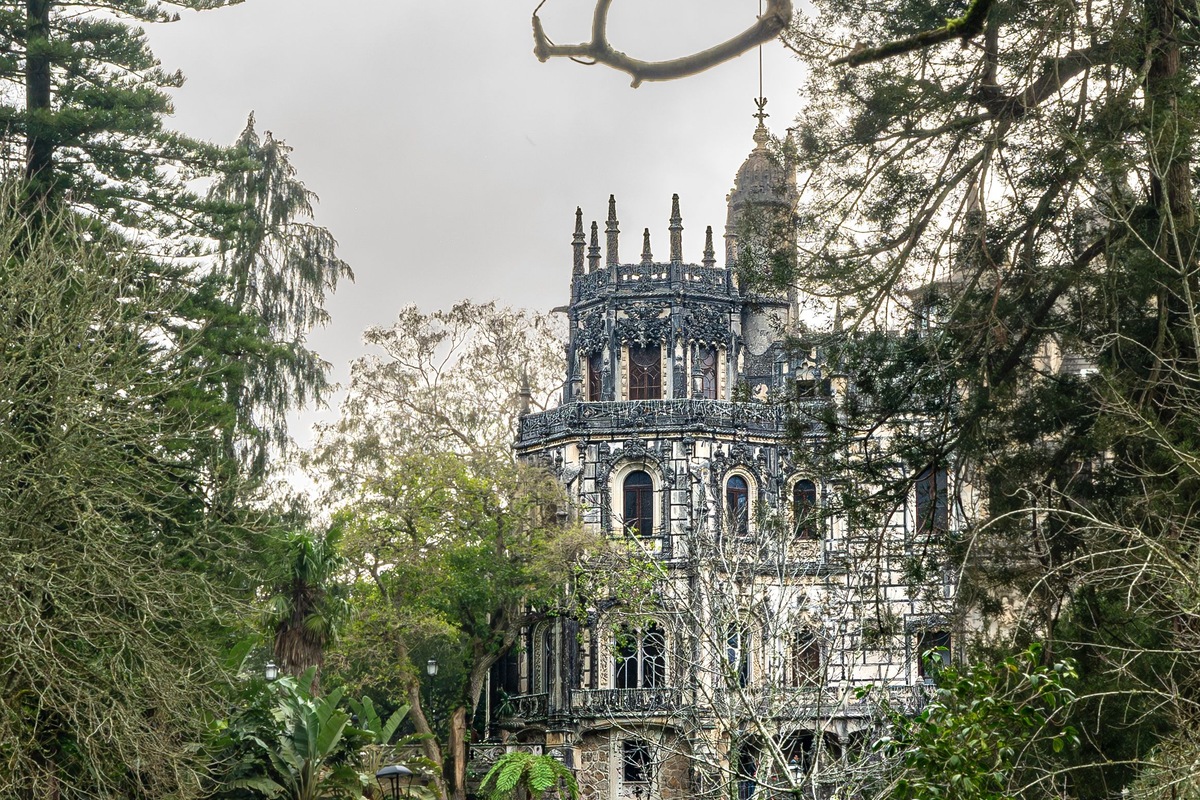
Sintra offers a greener, more elaborate take on the mood. At Quinta da Regaleira, ornamental stonework rises between trees and paths lead toward towers, grottoes and the much-photographed Initiation Well. The pleasure comes from following the layout slowly, noticing how a building appears through the planting or how a staircase changes your view of the garden.
The estate’s own history describes an eclectic revivalist design, drawing on Manueline, Renaissance, medieval and classical styles. This is the imaginative architecture associated with Romantic Sintra, rather than a medieval castle preserved intact. That distinction makes it more interesting: the place reflects the ideas of its owner and designer as much as a distant historical period.
Book through the official visitor page, which links to the authorized ticket platform. Admission is tied to a date and entry time, and access to particular areas can change. Wear shoes suited to steps and damp garden paths. Staying in Sintra for two nights gives you a chance to visit without squeezing the estate, another major palace and the journey from Lisbon into one crowded day. Leave the second afternoon for a walk, a pastry and a slower look around town.
5. Mont-Saint-Michel, France: An Abbey Between Land and Sea
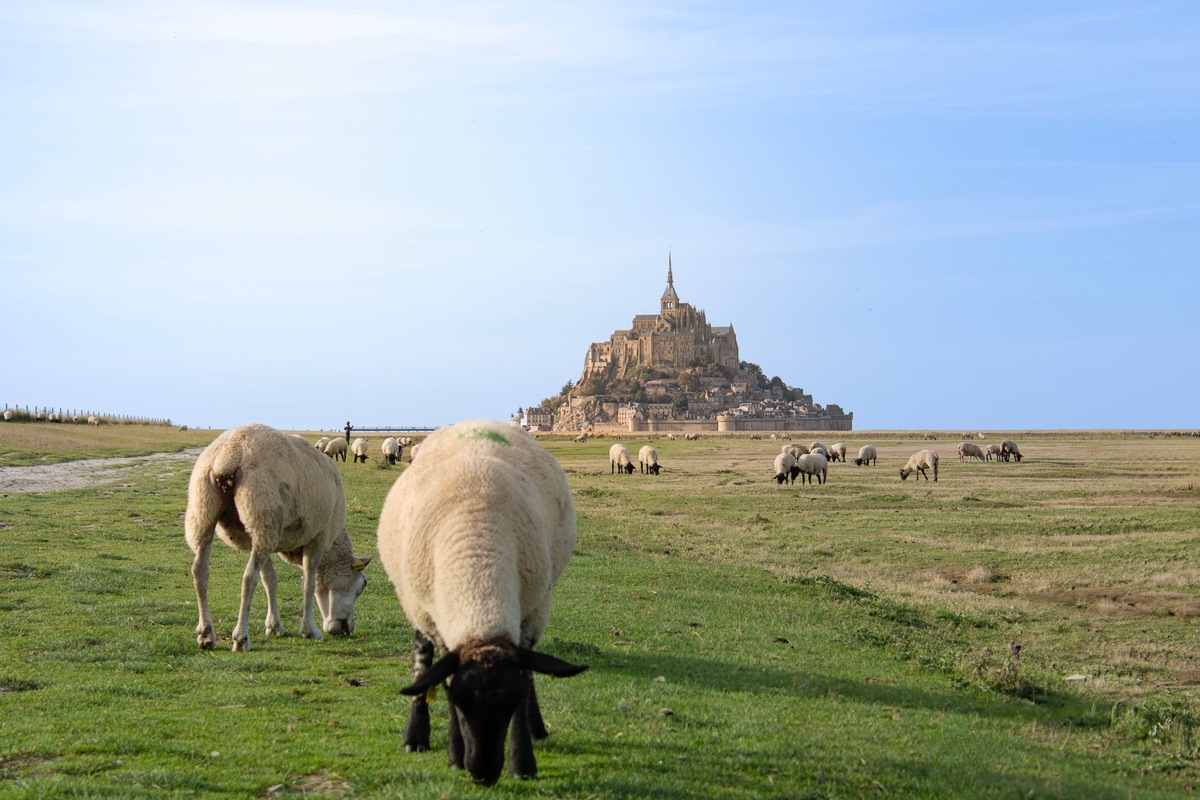
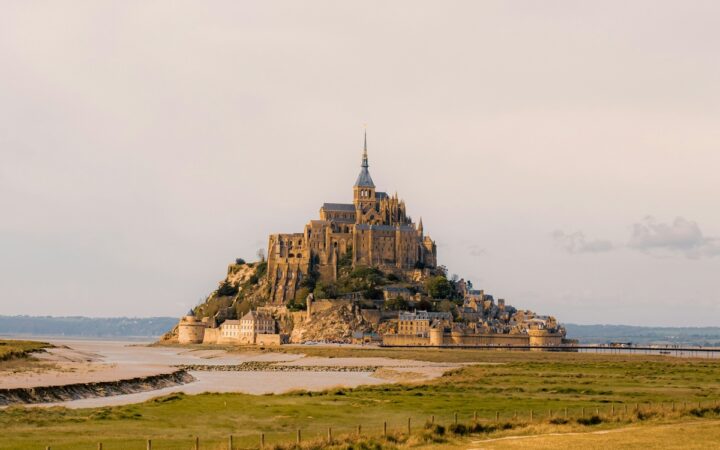
The approach to Mont-Saint-Michel is as important as the first lane inside its walls. Seen across the bay, the buildings gather into a single rising shape, with the abbey at the top. Get closer and the outline breaks into roofs, terraces, passages and stairways. It is worth arriving with enough time to experience both scales.
The abbey visit is separate from entering the village, which is freely accessible. Inside the monument, the church, cloister and great spaces of La Merveille give the island much of its architectural power. UNESCO’s heritage listing places the abbey and its bay together, a useful reminder that the setting is part of what you have come to see.
An overnight stay on the island or nearby gives you more freedom to choose when to approach and when to climb. It does not guarantee solitude, particularly during holidays. Expect uphill walking and many steps, and check the abbey’s seasonal hours before arranging your day. Keep time for a meal and a view back across the bay. A first visit feels far less rushed when the monument is the main event, rather than a brief stop between two distant cities.
6. Ghent, Belgium: Gothic Towers and Life by the Water
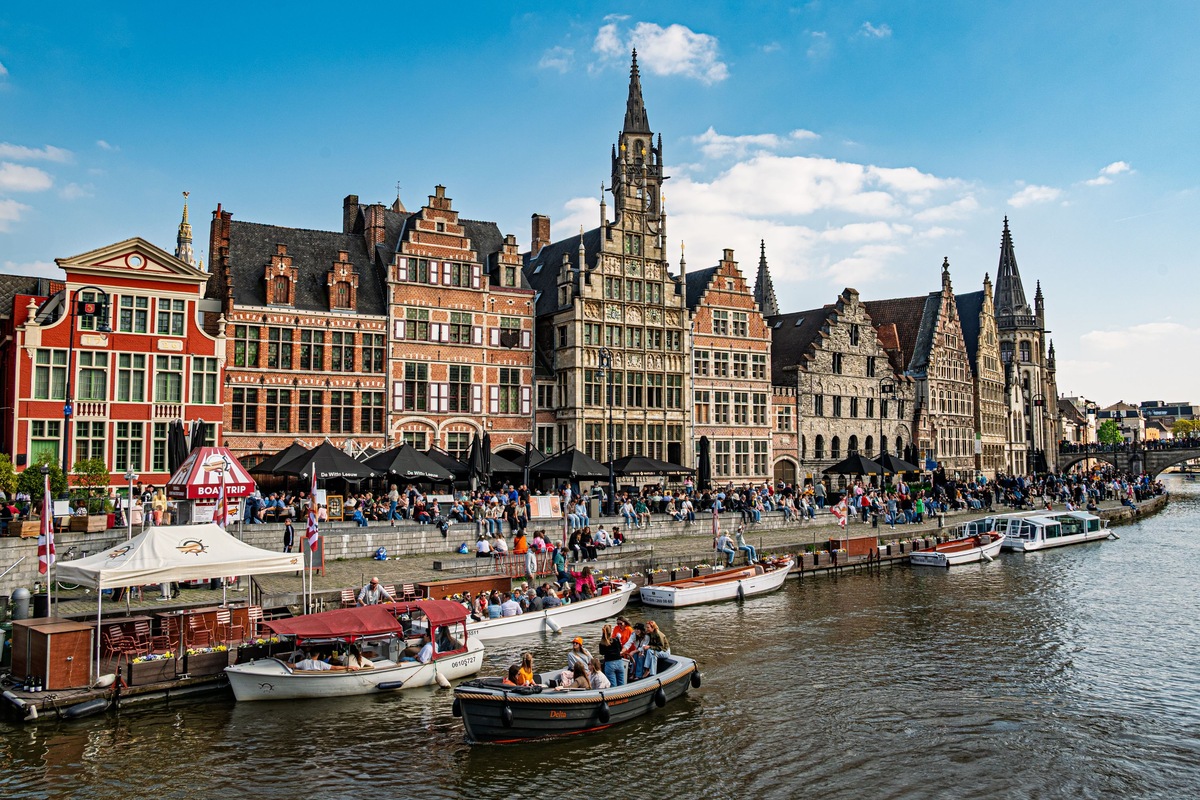
Ghent balances impressive architecture with the pleasures of an ordinary city break. Along the Graslei and Korenlei, historic façades face the river and people sit by the water when the weather allows. A walk toward St Michael’s Bridge brings the skyline into focus. You can spend a morning studying churches and the afternoon looking for somewhere good to eat.
For a particular architectural starting point, choose St Nicholas’. Visit Gent identifies it as an important example of Scheldt Gothic, built in Tournai bluestone, with a tower above the crossing that brings light into the church. It is an absorbing place to begin noticing how this regional style differs from the buildings you have seen elsewhere.
Give Ghent two nights and keep the walking routes fairly short. The riverfront, a church interior and a long lunch make a full day when you allow yourself to linger. Add a museum or another neighborhood on the second day instead of repeating the same central photo stops. Arriving by train also avoids planning around the center’s low-emission zone. If you are driving, use the city’s official guidance to check your vehicle and parking before setting off.
7. Brașov, Romania: A Gothic Church and a Colorful Old Town
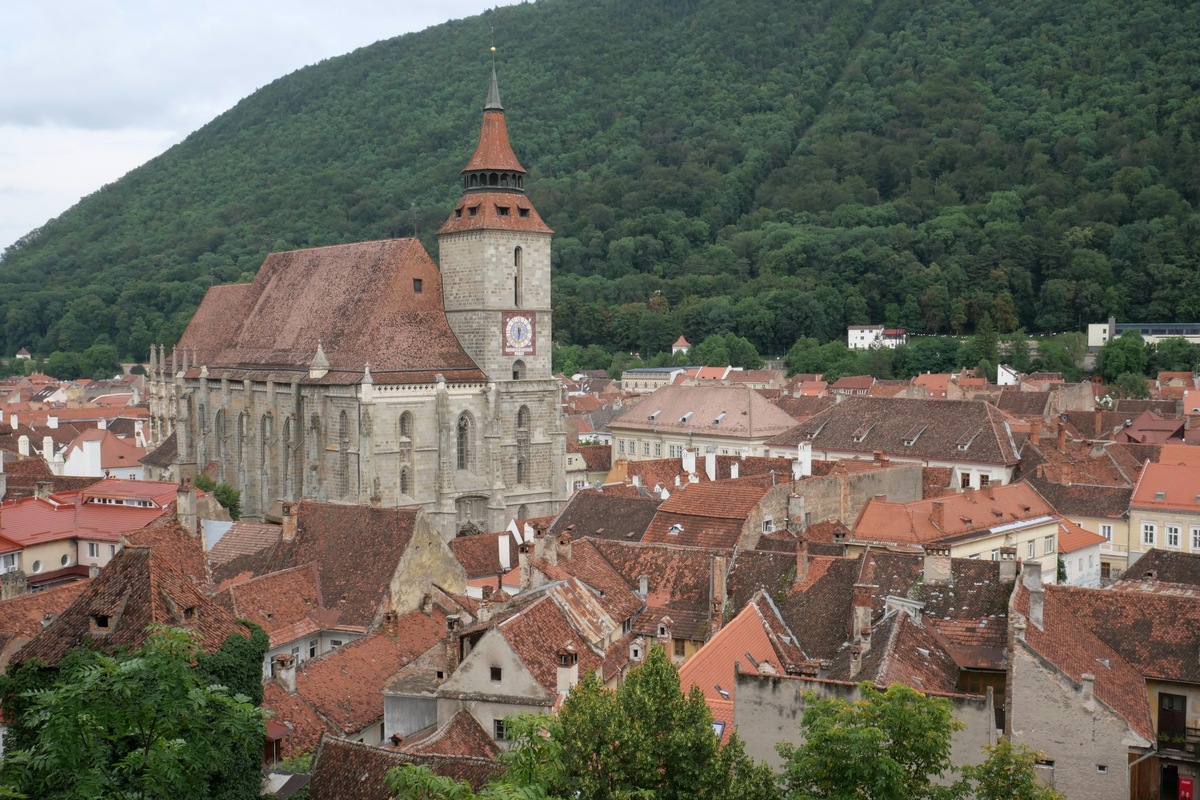
Brașov gives a Transylvania trip a strong urban base: a large square, streets of colorful façades and wooded slopes close behind the buildings. The Black Church rises above the roofs with a scale that becomes clear as you approach it on foot. Plan to spend some time in the city itself before adding day trips elsewhere.
Start with the Black Church, whose Gothic architecture gives this stop its focus. The church’s official site publishes visitor hours, services and information about its heritage. Look at the building, listen if there is a suitable musical event during your stay, and give its actual history room to hold your attention. A visit to Brașov can be rewarding without organizing every conversation around a fictional vampire.
For a first stay, allow two or three nights. Walk the historic center, return to Council Square at different times of day and choose a room that makes those walks easy. Mountain outings can be an addition when conditions and daylight suit, rather than the obligation that fills every afternoon. The appeal is the combination: substantial architecture, a compact place to explore and the wooded landscape at the edge of the city. It is a good choice when you want a little countryside in view without giving up a town-based holiday.
How to Plan a Gothic Getaway You Will Enjoy
Choose the place for the part of the idea that appeals to you most. Whitby suits a book-led coastal break. Prague and Ghent give you a city’s worth of museums, meals and architecture around the headline sights. Sintra is for gardens and elaborate design; Mont-Saint-Michel makes the landscape inseparable from the monument. Edinburgh and Brașov offer particularly satisfying walks through layered old towns.
Before booking a room, check the opening days of the attraction you most want to see. A cathedral may adjust tourist access around services, a garden may use timed admission and a coastal monument may have shorter winter hours. Those details shape a short trip more than fitting in one extra stop. Choose accommodation for its location, comfort and recent reviews; an old building can be appealing, but a warm room and a good night’s sleep matter too.
Autumn gives these places shorter days and a different kind of light, while the photographs here show the destinations in a range of seasons. Plan the outdoor walks for daylight, then leave an indoor visit or a long dinner for later. If you prefer smaller places to larger cities, our cozy towns collection has more ideas. For another route into historic landscapes, explore our UNESCO favorites.
The most memorable moment may be simple: sunlight through a high window, a harbor seen from the steps, or the first view of an abbey across open ground. Leave enough time to notice it.
Disclaimer: TravelCapybara is an independent media brand owned and operated by NuvexMedia LLC, publishing travel news, destination guides, research, and insights. NuvexMedia LLC may invest in or collaborate with companies across the travel, hospitality, technology, and digital media sectors. These relationships do not influence TravelCapybara’s editorial coverage. While we strive for accuracy, travel requirements, prices, schedules, availability, and local conditions may change without notice. Readers should independently verify information before making travel or purchasing decisions. This content is for informational purposes only and does not constitute professional advice. © 2026 NuvexMedia LLC. All rights reserved.