10 Must-Visit UNESCO World Heritage Sites
From Machu Picchu and the Taj Mahal to the Great Barrier Reef and Petra, these UNESCO World Heritage sites show how history, culture, and nature can define a journey.
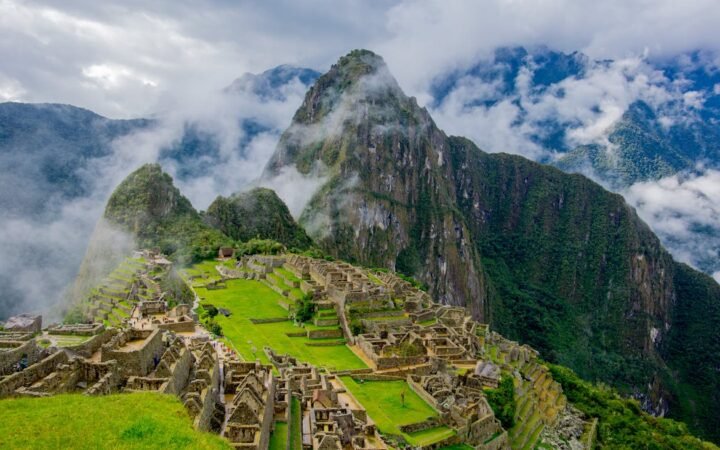
UNESCO World Heritage sites are more than famous landmarks. They are places recognized for their cultural, historical, architectural, or natural importance, often preserving stories that reach far beyond national borders. Some are ancient cities shaped by empires and trade routes, while others are landscapes where wildlife, geology, and biodiversity still feel almost untouched.
This list focuses on 10 must-visit UNESCO World Heritage sites that offer both visual impact and deeper travel value. Together, they move across continents, from the high Andes and the Indian subcontinent to East Africa, the Mediterranean, the Middle East, and the Pacific. Each one is widely known, but each still rewards travelers who arrive with time, curiosity, and a willingness to look beyond the postcard view.
Machu Picchu, Peru
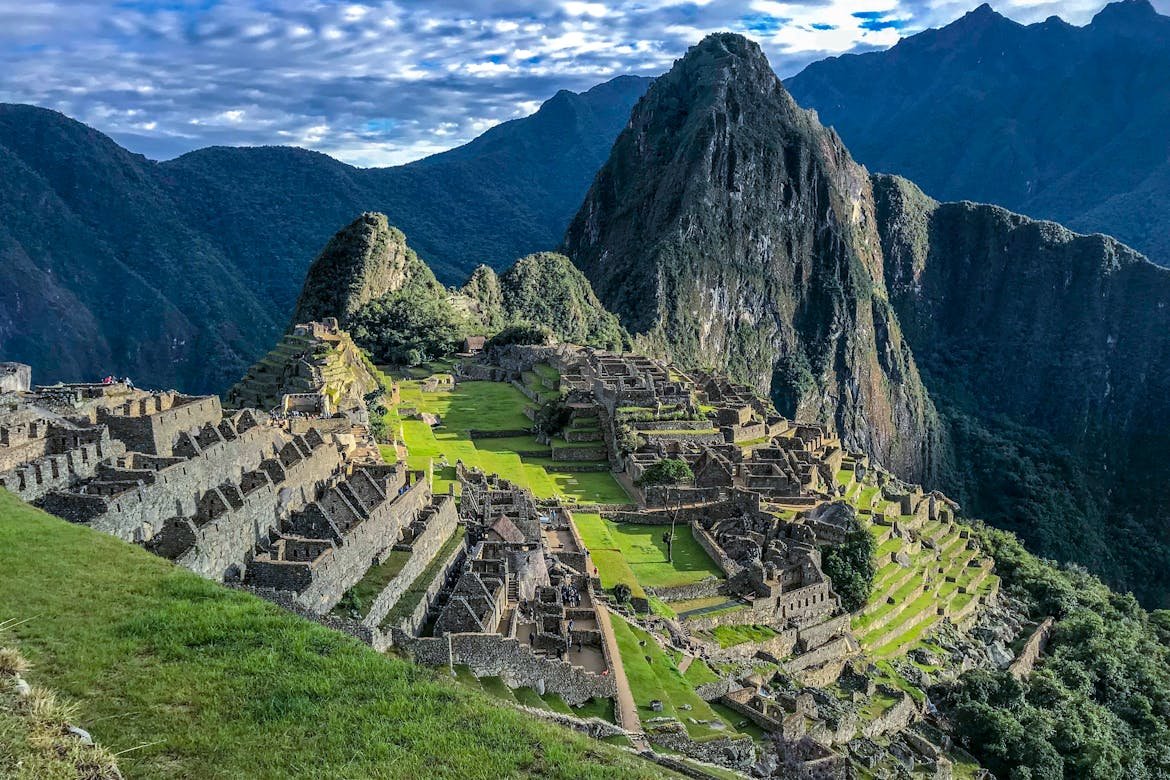
Machu Picchu remains one of the most powerful travel experiences in South America. Set high in the Peruvian Andes, the former Inca citadel combines mountain drama with architectural precision, creating a place that feels both engineered and mysterious. Its terraces, stone walls, temples, and paths are arranged with a sensitivity to the landscape that still shapes how visitors move through the site today.
Part of the appeal is the setting. Clouds often drift through the surrounding peaks, and the ruins appear to rise naturally from the ridge. The site’s best-known views are dramatic, but Machu Picchu is not only a place for photography. Walking through its agricultural terraces, ceremonial spaces, and residential areas gives a stronger sense of how the Inca adapted to altitude, weather, and difficult terrain.
The most meaningful visit is usually one that avoids rushing. Some travelers arrive by train and bus from Cusco, while others approach through multi-day trekking routes. However you get there, the site works best when seen as part of a wider Sacred Valley journey, with time to understand Inca engineering, Andean culture, and the mountain environment that made Machu Picchu possible.
Taj Mahal, India
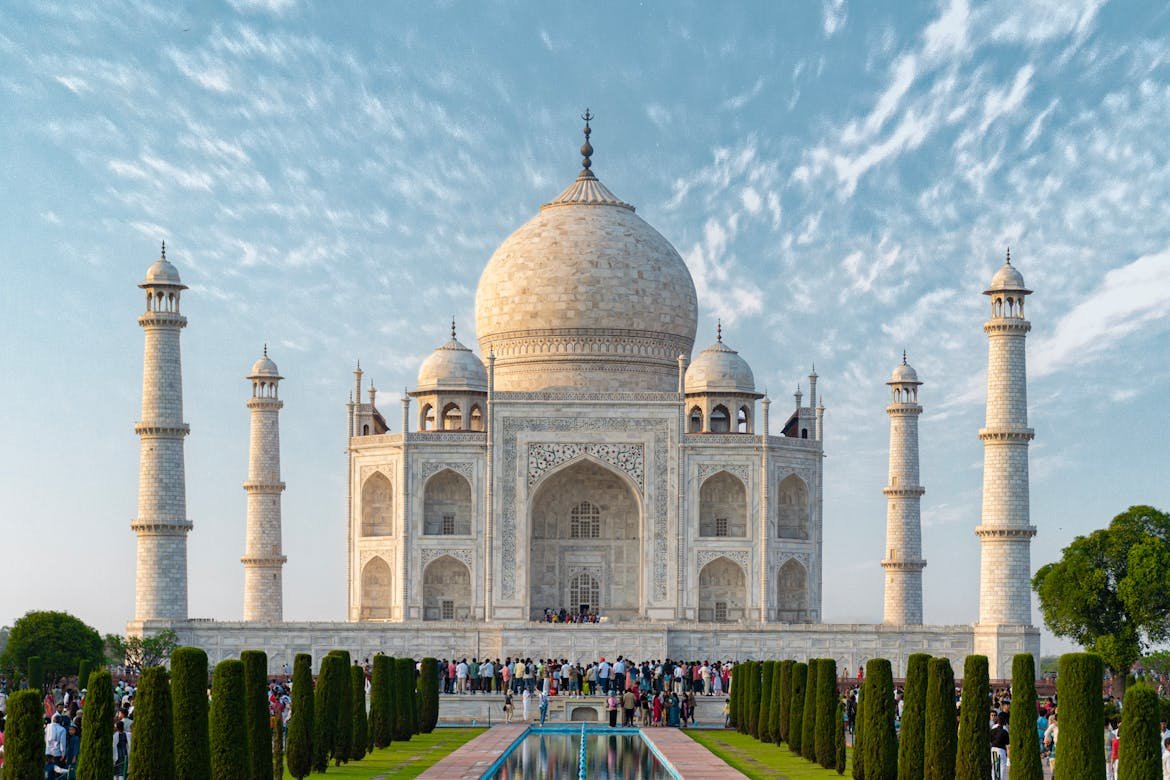
The Taj Mahal is one of the most recognizable monuments in the world, but its fame does not make the real experience feel ordinary. Built in Agra as a mausoleum for Mumtaz Mahal, the wife of Mughal emperor Shah Jahan, it is often described as a symbol of love. Yet its importance also lies in its architectural balance, craftsmanship, garden design, and the way it reflects the artistic height of the Mughal Empire.
The building’s white marble changes with the light, giving the monument a different character at sunrise, midday, and sunset. Early morning remains the most atmospheric time to visit, when the gardens are quieter and the main dome gradually appears through the soft light. Up close, the details matter as much as the silhouette: inlaid stones, carved marble screens, calligraphy, and the careful symmetry of the entire complex.
A visit to the Taj Mahal is also a reminder that major heritage sites are not isolated objects. Agra Fort, the Yamuna River, and the wider history of Mughal India all add context. The Taj may be the headline, but the surrounding city helps explain the imperial world that produced it.
The Great Wall, China
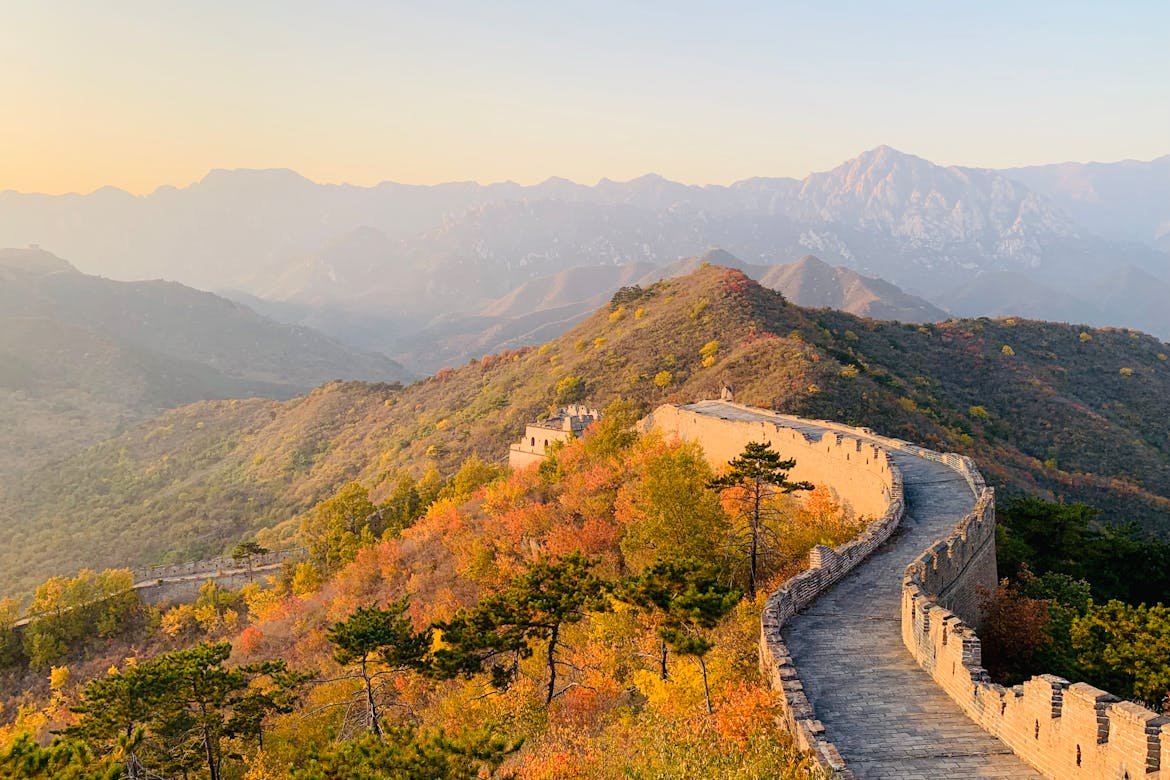
The Great Wall is not a single simple monument, but a vast defensive system built and rebuilt across centuries. Its best-known sections near Beijing, including Badaling and Mutianyu, give travelers a clear sense of scale, with stone walls climbing over hills and disappearing into the distance. The visual power is immediate, but the deeper story is one of military planning, labor, borders, trade, and imperial ambition.
What makes the Great Wall especially memorable is how closely its architecture follows the landscape. Rather than cutting through the mountains, it rides across ridgelines, watchtowers, and steep slopes. The result is both functional and cinematic. Even crowded sections can feel impressive, though quieter restored areas often offer a more reflective experience.
For many visitors, the Great Wall is a day trip from Beijing, but it deserves more than a quick stop. Different sections offer different moods, from carefully restored stonework to wilder, less polished stretches. Seeing even one part of the wall gives a sense of China’s long historical relationship with defense, territory, and endurance.
Petra, Jordan
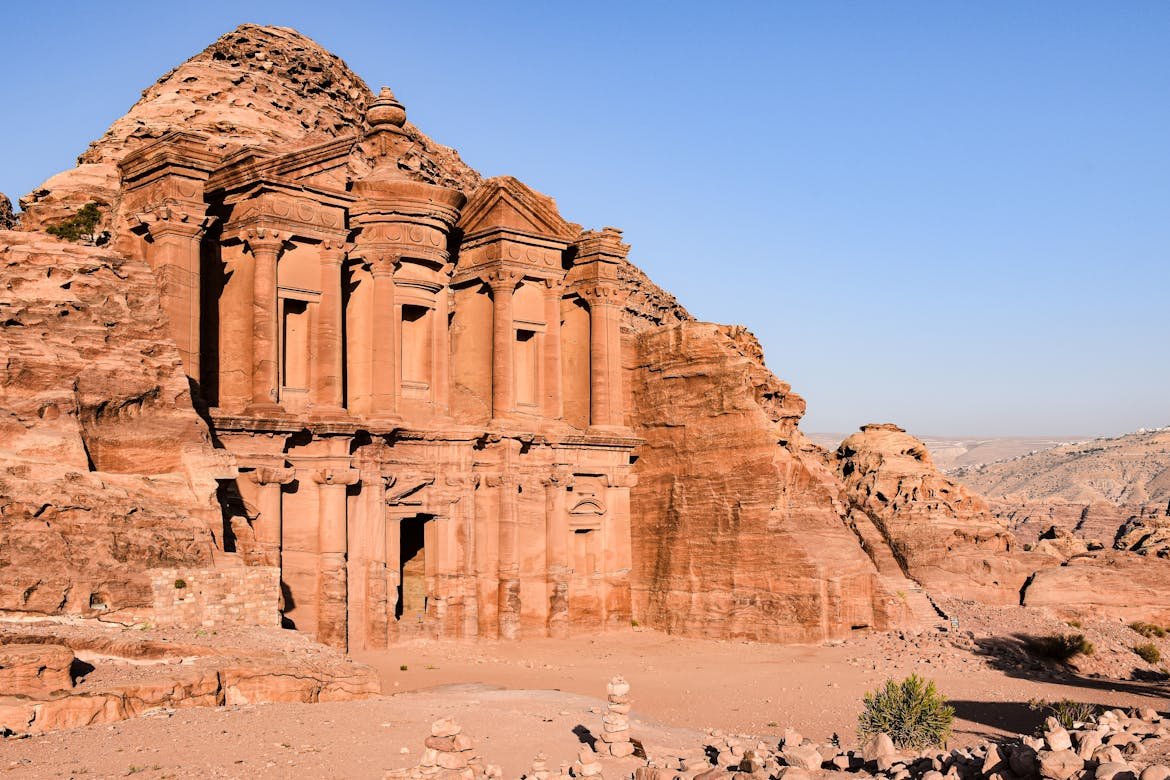
Petra is one of the most atmospheric archaeological sites in the world. The ancient Nabataean city is partly carved into rose-colored sandstone cliffs, with monumental tombs, temples, channels, and ceremonial spaces spread across a desert valley. Its location alone makes the approach unforgettable, especially the walk through the Siq, the narrow gorge that suddenly opens onto the Treasury.
The Treasury is Petra’s most famous image, but it is only the beginning. The site extends far beyond that first dramatic reveal, with a Roman-style theater, royal tombs, colonnaded streets, high places, and long paths leading toward the Monastery. Petra was once a major trading hub, and its surviving structures reveal a city shaped by commerce, water management, and cultural exchange.
Petra rewards travelers who give it time. A rushed visit can reduce it to one photograph, while a full day or two allows the city’s scale and variety to emerge. The colors of the rock shift throughout the day, and quieter corners often feel more powerful than the busiest viewpoints.
Angkor Wat, Cambodia
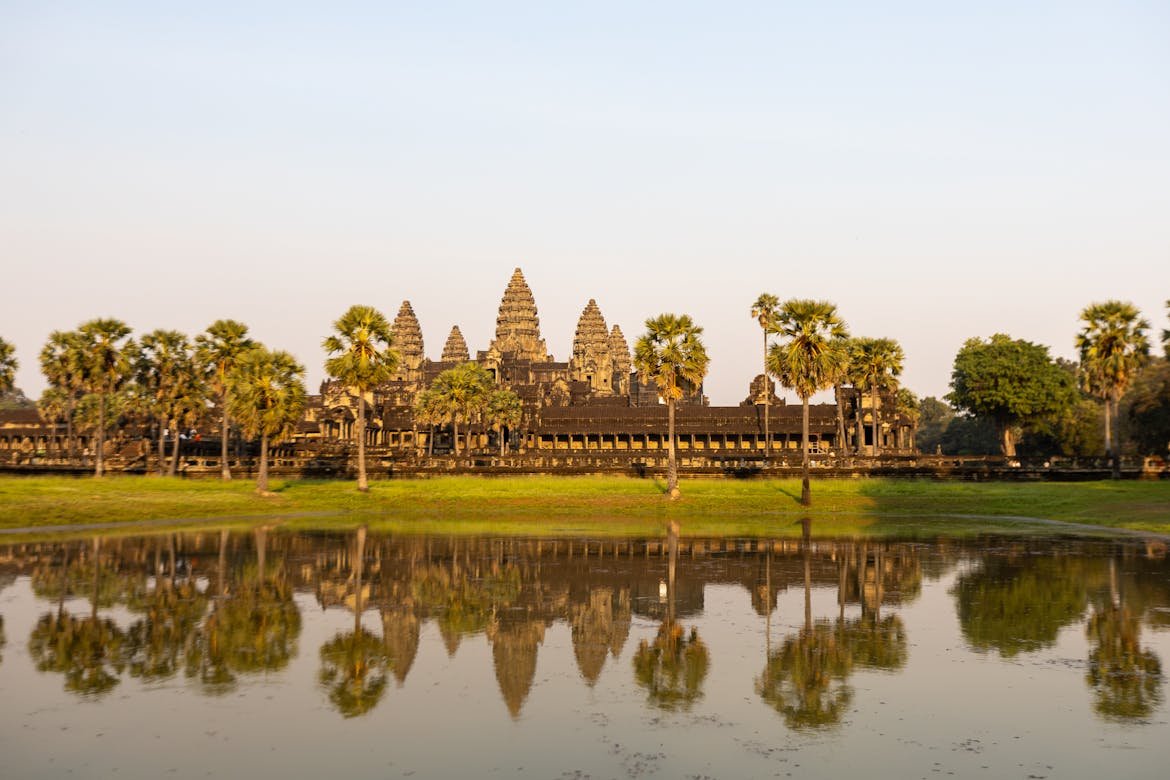
Angkor Wat is the most famous monument within the larger Angkor Archaeological Park, one of Southeast Asia’s greatest cultural landscapes. Built in the 12th century, the temple complex reflects the power of the Khmer Empire and the religious transitions that shaped the region. Its towers, bas-reliefs, galleries, and long causeways create a composition that is both monumental and deeply detailed.
The classic sunrise view draws large crowds, but Angkor Wat’s real strength is in the slow reading of its architecture. The bas-reliefs tell stories from Hindu epics and royal history, while the temple’s layout reflects cosmological ideas about mountains, oceans, and the universe. It is a place where symbolism and engineering are inseparable.
A visit should also include other major Angkor sites, from the faces of Bayon to the tree-wrapped ruins of Ta Prohm. Together, they show that Angkor was not only a collection of temples, but a vast urban and ceremonial world. Angkor Wat may be the icon, but the surrounding landscape gives it depth.
The Acropolis of Athens, Greece
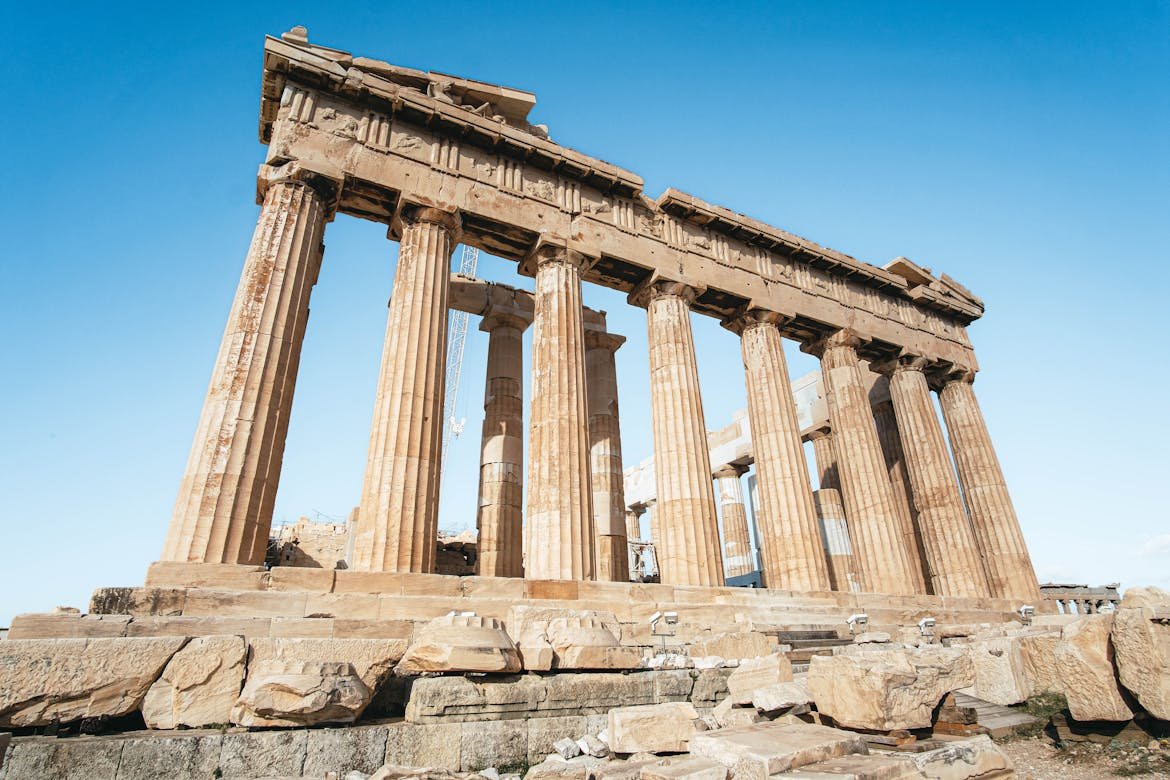
The Acropolis of Athens is one of the defining sites of the ancient Mediterranean. Rising above the modern city, it brings together monuments that shaped ideas of architecture, civic identity, art, and democracy. The Parthenon, Erechtheion, Propylaea, and Temple of Athena Nike remain central to the site’s meaning, even in their ruined state.
Its impact comes partly from contrast. The ancient citadel stands above a dense, living capital, making the past feel present rather than remote. From the hill, visitors can see Athens stretching in every direction, while the monuments themselves reveal the artistic ambition of classical Greece. The Parthenon’s proportions and sculptural history continue to influence how the world thinks about monumental architecture.
The Acropolis is best experienced alongside the Acropolis Museum and the surrounding historic neighborhoods. This helps connect the stones on the hill with their original artistic, political, and religious context. It also makes clear why Athens remains one of the most rewarding city breaks for travelers interested in history.
Serengeti National Park, Tanzania

Serengeti National Park is one of the world’s great natural heritage landscapes. Its wide plains, seasonal migrations, predators, and open horizons make it a defining safari destination. The annual movement of wildebeest and zebras is the most famous spectacle, but the park’s importance goes beyond a single event.
The Serengeti is a functioning ecosystem at enormous scale. Lions, cheetahs, elephants, giraffes, hyenas, buffalo, antelope, and hundreds of bird species all form part of a landscape where wildlife patterns are shaped by rain, grass, and movement. This is what gives the park its power: it is not a static attraction, but a living system.
A strong Serengeti trip depends on timing, patience, and good guiding. Game drives can be dramatic, but quieter moments often stay with travelers just as long: dawn light over the plains, animal tracks in the dust, or the silence before a predator appears. For travelers who want nature at its most expansive, the Serengeti is difficult to match.
Great Barrier Reef, Australia

The Great Barrier Reef is one of the most important natural UNESCO World Heritage sites on the planet. Stretching along Australia’s northeastern coast, it is the world’s largest coral reef system and a vast marine environment filled with coral gardens, fish, turtles, rays, seabirds, and islands. Its scale is hard to understand until seen from the air or experienced on the water.
For travelers, the reef offers several ways to engage with the landscape. Snorkeling and diving reveal its color and biodiversity up close, while scenic flights show the patterns of reefs and lagoons from above. Access points such as Cairns, Port Douglas, and the Whitsundays each offer a different style of trip, from day cruises to island stays.
The reef is also a place where beauty and fragility are closely linked. Climate change, coral bleaching, and environmental pressure make responsible travel especially important. Visiting the Great Barrier Reef today means seeing one of the world’s natural wonders while understanding the urgency of protecting it.
Historic Centre of Rome, Italy
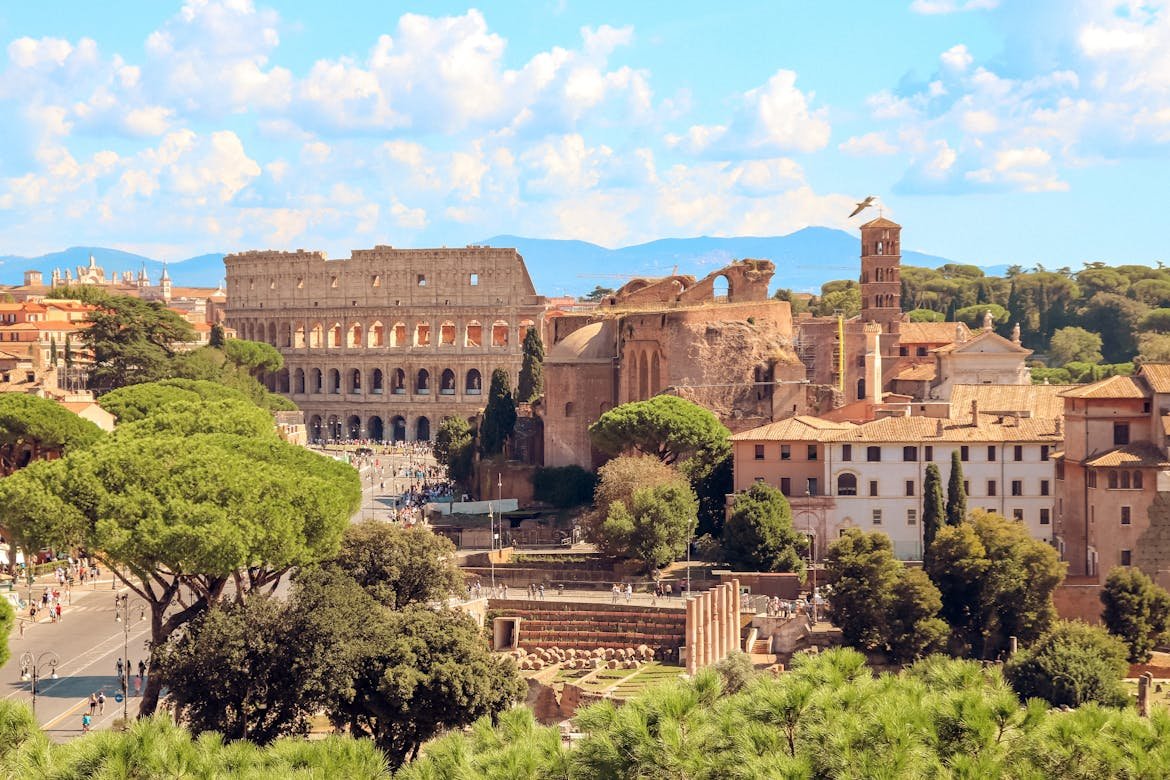
Rome’s historic center is one of the richest urban UNESCO sites in Europe. It brings together ancient ruins, Renaissance and Baroque landmarks, churches, fountains, piazzas, and archaeological layers that span more than two millennia. Few cities make history feel as visible in everyday life.
The Colosseum, Roman Forum, Pantheon, and nearby imperial sites show the scale of ancient Rome’s political and architectural ambition. But the historic center is not only about antiquity. Its later churches, palaces, streets, and squares reveal how the city kept reinventing itself while preserving traces of earlier eras.
Rome is best approached on foot, with time to wander between major monuments and less famous corners. The UNESCO value of the city lies not in one building, but in the continuity of its urban fabric. A single walk can move from ancient temples to Renaissance streets and modern cafés, making Rome one of the most layered heritage experiences in the world.
Venice and Its Lagoon, Italy
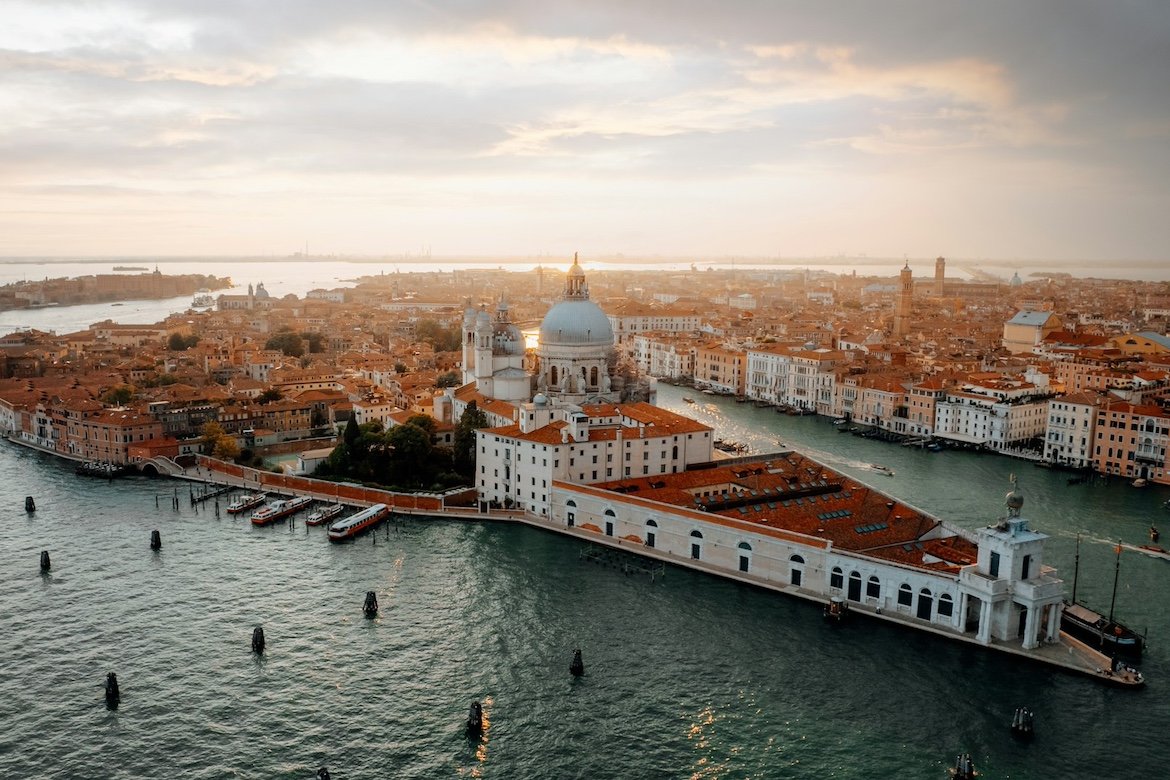
Venice is a city shaped by water, trade, art, and political power. Built across islands in a lagoon, it became one of the most influential maritime republics in Europe, and its architecture still reflects centuries of cultural exchange between the Mediterranean, Byzantium, and the wider trading world. The result is a city that feels unlike anywhere else.
St. Mark’s Basilica, the Doge’s Palace, the Grand Canal, Rialto, and the network of smaller canals are central to the Venetian experience. Yet Venice is most rewarding when travelers move beyond the busiest routes. Residential squares, quiet churches, artisan workshops, and early morning walks help reveal a city that is still lived in, not just visited.
Venice also faces serious pressure from overtourism, flooding, and long-term environmental challenges. That makes slow, thoughtful travel especially important. Staying overnight, visiting in quieter seasons, and exploring beyond the main postcard views can make the experience richer while reducing the feeling of simply passing through.
Disclaimer: TravelCapybara is an independent media brand owned and operated by NuvexMedia LLC, publishing travel news, destination guides, research, and insights. NuvexMedia LLC may invest in or collaborate with companies across the travel, hospitality, technology, and digital media sectors. These relationships do not influence TravelCapybara’s editorial coverage. While we strive for accuracy, travel requirements, prices, schedules, availability, and local conditions may change without notice. Readers should independently verify information before making travel or purchasing decisions. This content is for informational purposes only and does not constitute professional advice. © 2026 NuvexMedia LLC. All rights reserved.