Europe Ends EES Grace Period as Airports Brace for Longer Border Queues
Europe’s temporary flexibility period for the Entry/Exit System has ended, raising fresh concerns about longer passport-control queues for non-EU travelers at major airports.
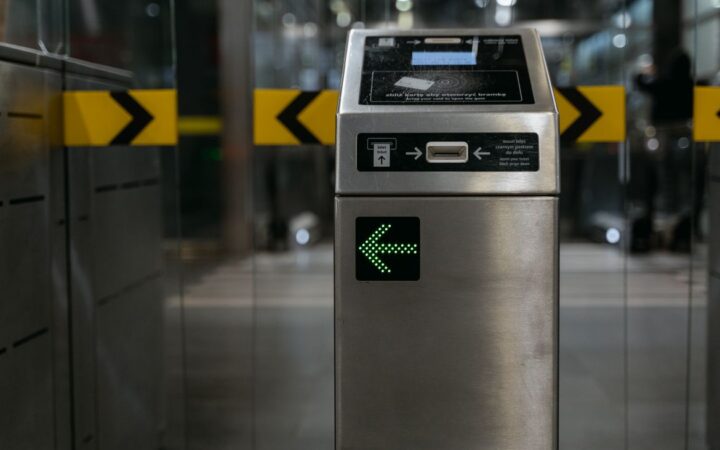
Europe’s new biometric border system is entering a more difficult phase after the temporary flexibility that allowed authorities to ease checks during severe congestion expired, removing an important safety valve that helped some airports manage summer crowds.
The EES, or Entry/Exit System, became fully operational across the Schengen Area in April. It replaces manual passport stamps with digital records and requires eligible non-EU travelers to provide facial images and fingerprints when crossing external borders.
During the initial months, border authorities could temporarily pause parts of the biometric process when queues became unmanageable. That flexibility ran through September 6. Without an extension, airports now have less room to bypass biometric processing simply because terminals are overwhelmed.
The change matters because the system has already tested the capacity of major airports across Europe. IATA estimates that passport checks that previously took around 20 to 25 seconds can take closer to 90 seconds under EES, a difference that becomes significant when several long-haul flights arrive together.
Summer Exposed the Weak Points
During July, waiting times at Frankfurt reportedly reached around 120 minutes, roughly double the previous year. Munich saw waits rise from about 31 minutes to 60, while maximum queues at Amsterdam Schiphol climbed from around 80 minutes to 120.
The pressure was visible elsewhere too. Earlier this summer, Rome airports warned that biometric processing could become incompatible with peak-season passenger volumes unless authorities retained the ability to ease checks.
Industry groups are now asking European officials to preserve some flexibility through the winter. IATA has called for temporary suspensions to remain available while governments improve staffing, infrastructure and pre-registration systems. Ryanair has gone further, urging the European Commission to extend the derogation until at least April 2027.
What Travelers Should Expect Now
For travelers, the biggest impact falls on non-EU nationals entering the Schengen Area for short stays. First-time registration is particularly likely to take longer because biometric information must be captured and connected to the traveler’s record.
The issue also fits into a broader shift in European border travel. Even within Schengen, temporary border checks have become more common when governments cite migration or security concerns, adding another layer of uncertainty to journeys that travelers once expected to be frictionless.
The immediate advice is simple: allow more time at border control and avoid tight onward connections where possible. Travelers arriving at busy hubs should be particularly cautious when several intercontinental flights are scheduled close together.
The system itself is not going away. European authorities argue that biometric records will ultimately make borders more secure and improve the identification of overstayers and people using fraudulent documents.
But the end of the flexibility period shifts the focus from rollout to execution. For destinations such as Italy, where international tourism depends heavily on large airport gateways, the challenge will be proving that stronger digital border controls can coexist with the speed travelers expect.
After a summer of long queues, that remains the central test for EES.
Disclaimer: TravelCapybara is an independent media brand owned and operated by NuvexMedia LLC, publishing travel news, destination guides, research, and insights. NuvexMedia LLC may invest in or collaborate with companies across the travel, hospitality, technology, and digital media sectors. These relationships do not influence TravelCapybara’s editorial coverage. While we strive for accuracy, travel requirements, prices, schedules, availability, and local conditions may change without notice. Readers should independently verify information before making travel or purchasing decisions. This content is for informational purposes only and does not constitute professional advice. © 2026 NuvexMedia LLC. All rights reserved.