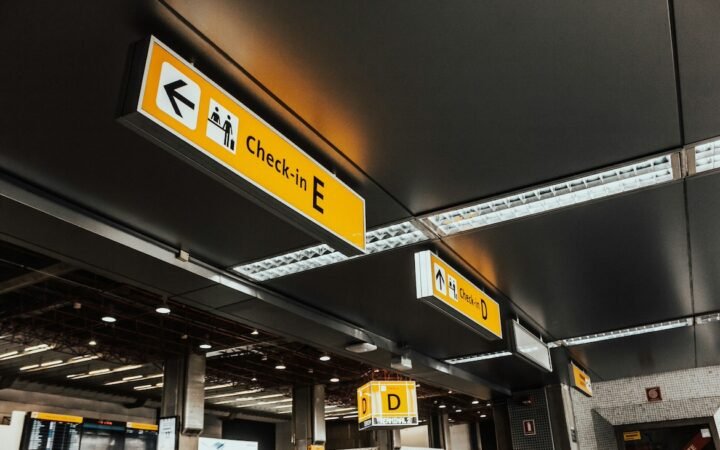
Rome’s airports may suspend parts of the European Union’s new biometric border system for non-EU travelers in an effort to avoid major summer travel disruption. The warning comes as airports across Europe prepare for peak-season passenger volumes while still dealing with delays linked to the EU Entry-Exit System, known as EES.
The system requires non-EU citizens, including British travelers, to register fingerprints and facial images the first time they enter the bloc. It is designed to modernize border control, replace passport stamping and give authorities a more accurate record of who enters and exits the Schengen area. In theory, the system should make travel more secure and more efficient over time.
In practice, the rollout has been difficult. After delays and phased implementation, EES was fully rolled out across the EU in mid-April. Since then, some airports and border points have reported long queues, technology problems and repeated checks for travelers who should already be registered in the system.
Marco Troncone, chief executive of Aeroporti di Roma, which operates Fiumicino and Ciampino airports, has warned that the process may be incompatible with the passenger volumes expected during Italy’s summer peak. He said Rome airports may need to “open up the valve” by allowing some passengers to skip parts of the enrollment process if queues become unmanageable.
Non-EU Travelers Face the Biggest Risk
The issue matters most for travelers arriving from outside the EU, particularly those entering Italy for summer holidays, cruises, business trips or onward travel across Europe. A first-time EES registration can take longer than a standard passport check because biometric data must be captured and linked to the traveler’s record.
Even small delays can become serious when thousands of passengers arrive within a short window. Rome Fiumicino is one of Italy’s busiest international gateways, serving long-haul flights, European connections and a large share of leisure traffic heading to Rome, the Amalfi Coast, Tuscany and cruise ports.
Industry groups have already warned that lines could stretch for hours at some airports during peak travel periods. Some travelers in Europe have reportedly faced waits of several hours since the system began, and airport officials fear that summer volumes could expose larger weaknesses.
There is also confusion over who can pause the system. Airports may see the operational pressure first, but individual EU governments are expected to decide whether to suspend or reduce parts of the checks. The European Commission has pointed to built-in flexibility that could allow some functions to be temporarily eased if conditions require it.
For travelers, the best strategy is to build in more time. Non-EU visitors flying into Rome this summer should arrive prepared for longer border queues, avoid tight onward connections where possible and check with airlines, airports and tour operators before departure. Cruise passengers and travelers with prepaid transfers should also allow extra buffer time after landing.
The EES is likely to remain part of Europe’s border future, but this summer may be its first major stress test. Rome’s warning shows that digital border modernization is not only a policy issue. It can quickly become a travel experience issue when technology meets peak-season crowds.
Disclaimer: TravelCapybara is an independent media brand owned and operated by NuvexMedia LLC, publishing travel news, destination guides, research, and insights. NuvexMedia LLC may invest in or collaborate with companies across the travel, hospitality, technology, and digital media sectors. These relationships do not influence TravelCapybara’s editorial coverage. While we strive for accuracy, travel requirements, prices, schedules, availability, and local conditions may change without notice. Readers should independently verify information before making travel or purchasing decisions. This content is for informational purposes only and does not constitute professional advice. © 2026 NuvexMedia LLC. All rights reserved.