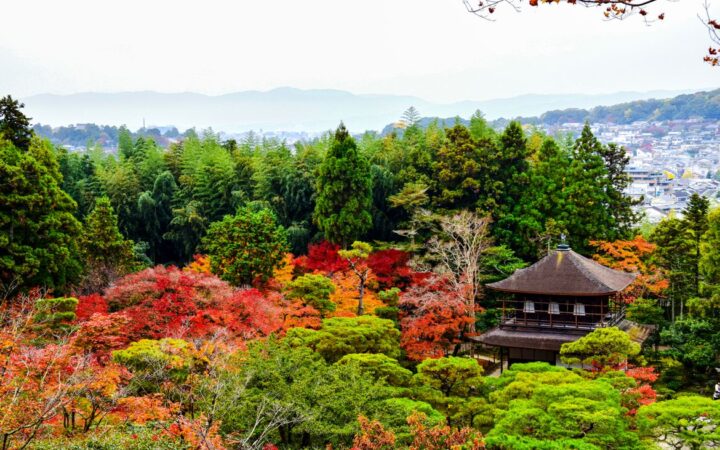
Discover Kyoto through its peaceful temples, historic streets, bamboo forests, and traditional tea houses. Our 2026 travel guide highlights the city's must-see landmarks, cultural treasures, and practical tips for exploring Japan's ancient capital.
Kyoto has a way of slowing you down. While much of Japan races forward with neon skylines and high-speed trains, the country’s former imperial capital moves to a quieter rhythm. Temple bells echo through wooded hills, narrow lanes hide centuries-old tea houses, and even the busiest districts seem to pause when evening lanterns begin to glow.
For more than a thousand years, Kyoto stood at the heart of Japanese culture, shaping traditions that still define the country today. You will find magnificent shrines, Zen gardens, geisha districts, bamboo forests, and some of Japan’s finest cuisine, all woven into a city that feels remarkably lived-in rather than preserved for tourists. Whether it is your first visit to Japan or your fifth, Kyoto remains a place that rewards curiosity and patience.
Must See
Kyoto is best explored slowly. Instead of rushing between landmarks, allow time to wander side streets, stop at neighborhood cafés, and appreciate the details that make each district unique.
Fushimi Inari Taisha
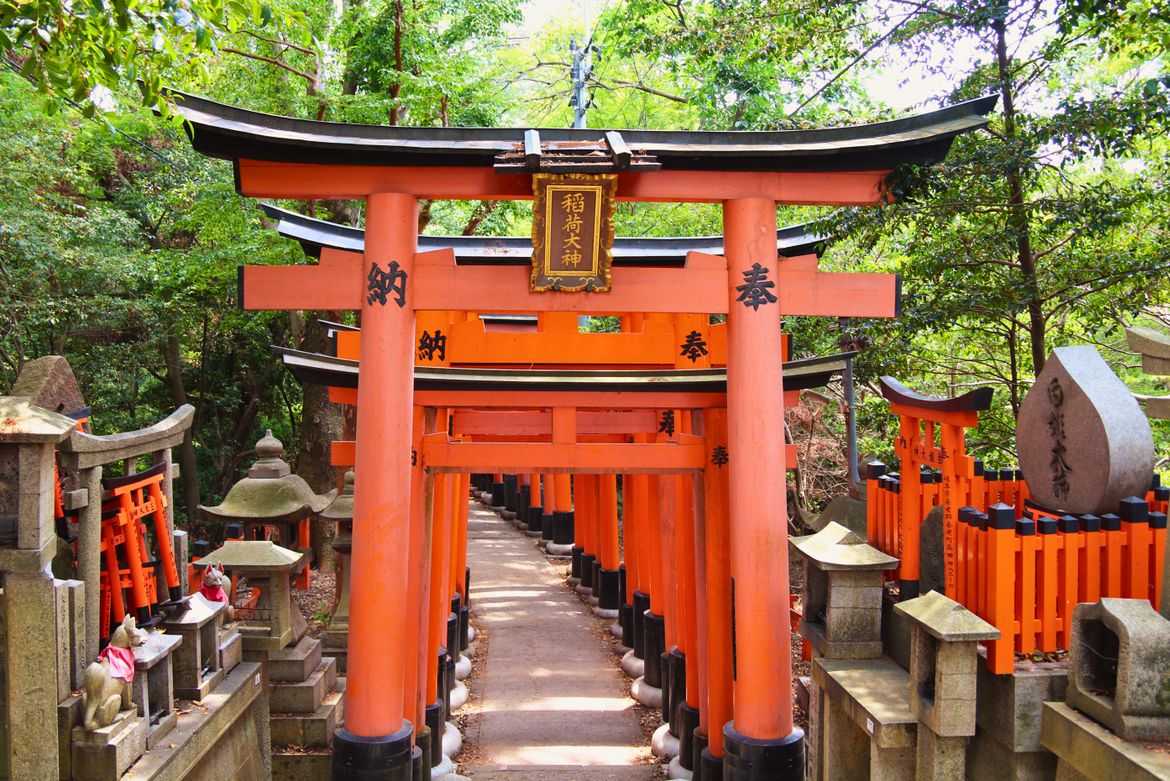
Few places are as instantly recognizable as Fushimi Inari Taisha. Thousands of bright vermilion torii gates climb the forested slopes of Mount Inari, creating one of Japan’s most photographed landscapes. The further you walk, the quieter it becomes as many visitors turn back after the first section. If you arrive shortly after sunrise, you’ll experience the shrine at its most peaceful, with soft morning light filtering through the endless rows of gates.
Kiyomizu-dera
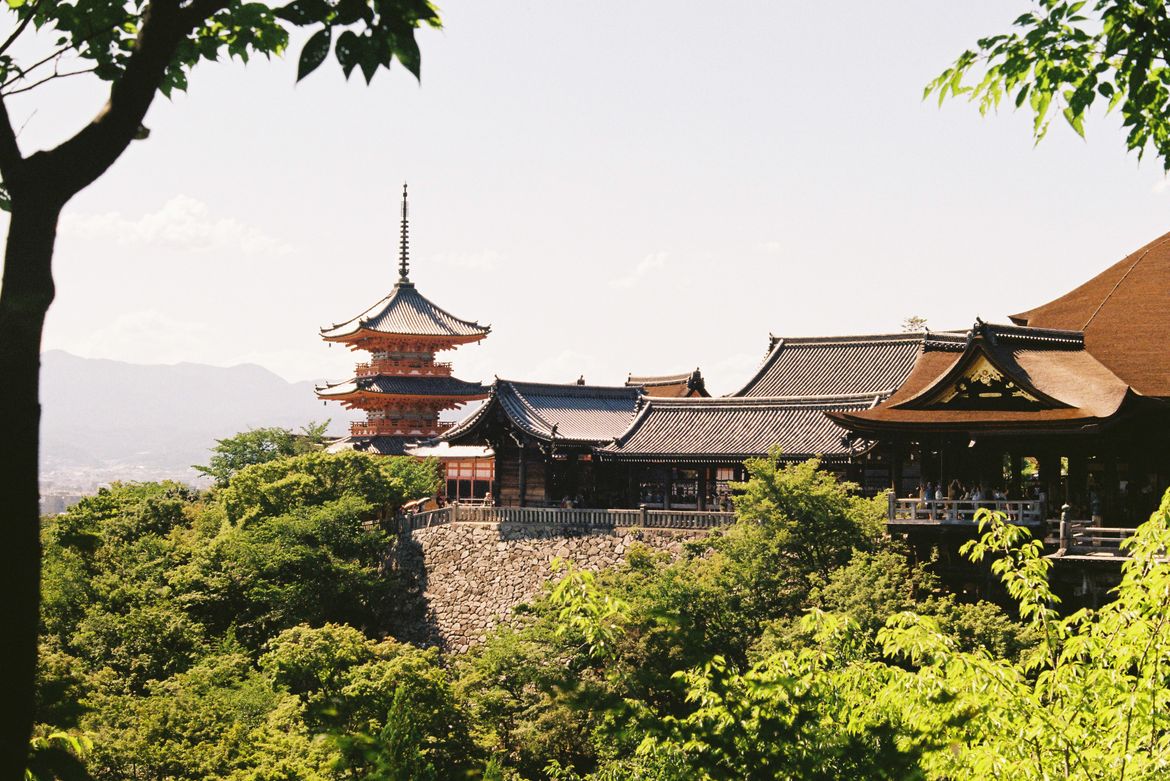
Standing high above eastern Kyoto, Kiyomizu-dera offers sweeping views across the city from its famous wooden terrace. The temple has watched over Kyoto for centuries, surviving wars and fires while remaining one of Japan’s most important religious sites. The surrounding streets of Higashiyama are just as memorable, lined with traditional wooden houses, craft shops, and small tea rooms that invite you to slow your pace.
Arashiyama Bamboo Grove
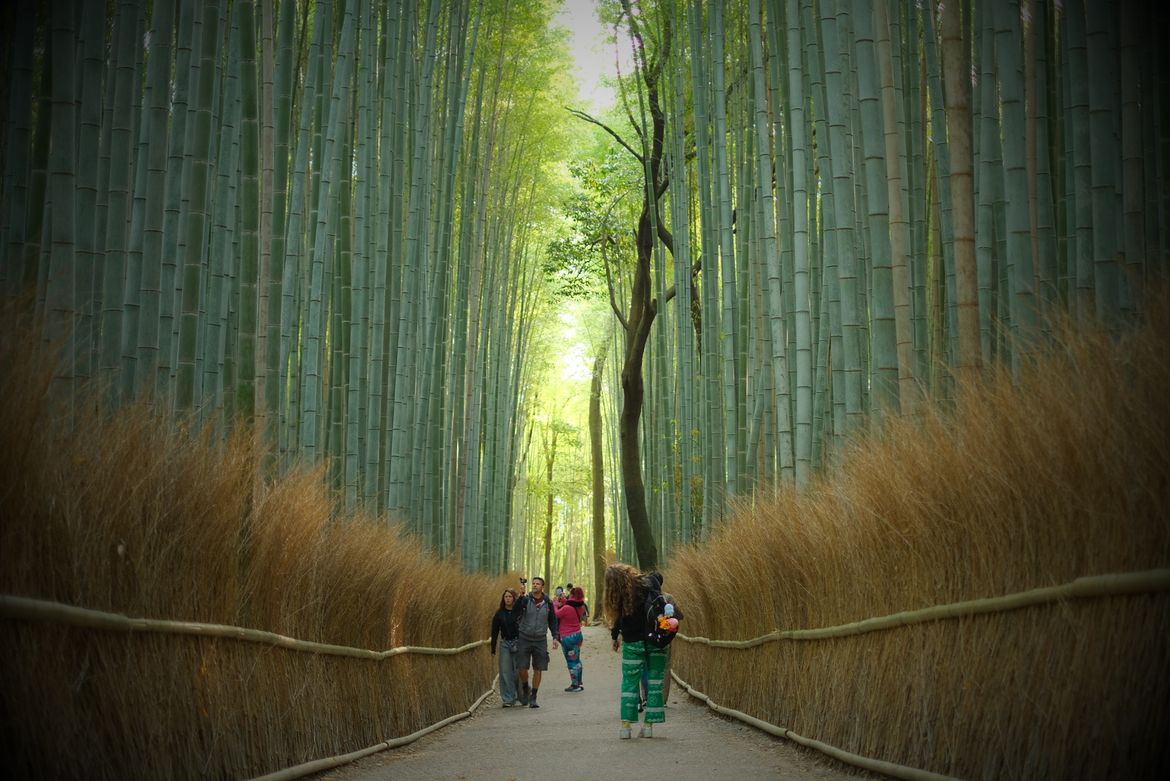
Walking through the Bamboo Grove in Arashiyama feels unlike anywhere else in Japan. Towering green stalks sway overhead while sunlight filters through the narrow path below. Although it attracts plenty of visitors, the atmosphere becomes far more tranquil if you arrive early in the morning. Beyond the famous grove, Arashiyama rewards those who keep exploring with riverside walks, mountain scenery, and quiet temples hidden away from the crowds.
Kinkaku-ji (Golden Pavilion)
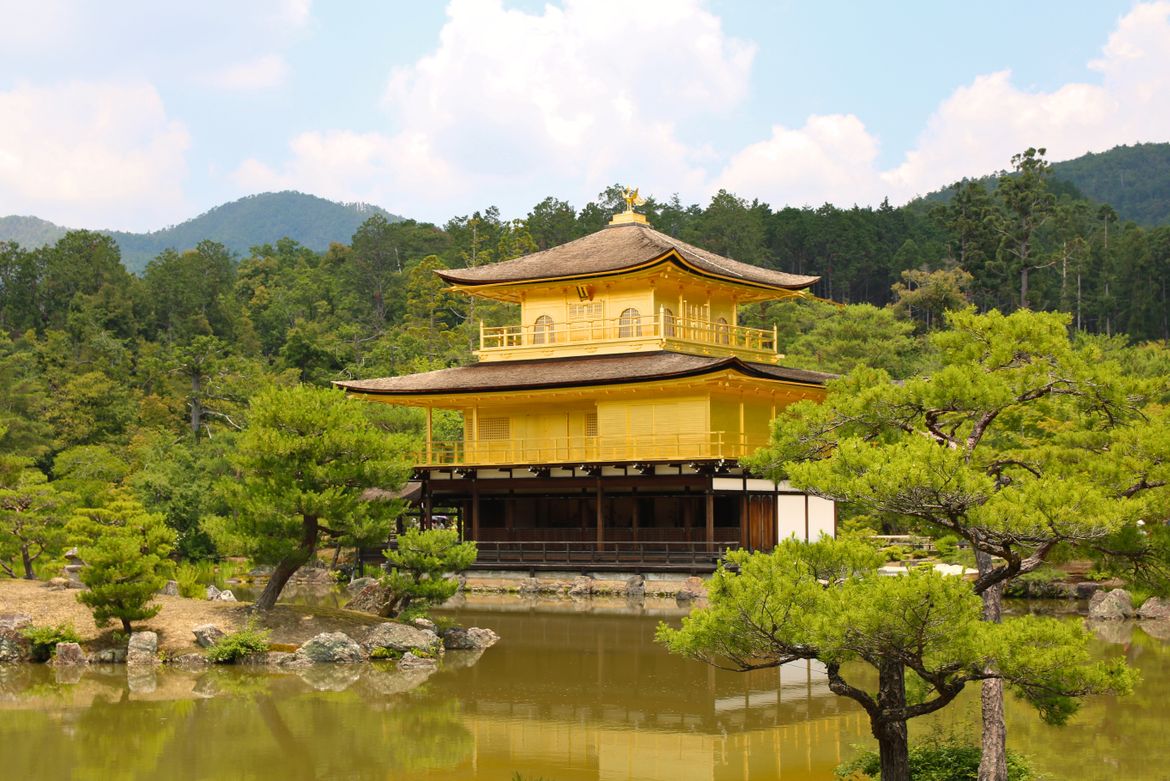
Covered in brilliant gold leaf and reflected in a perfectly landscaped pond, Kinkaku-ji is one of Kyoto’s defining landmarks. The pavilion itself cannot be entered, but the carefully designed walking route offers ever-changing views as you circle the gardens. Visit on a calm day, and the reflection of the pavilion in the water becomes just as striking as the building itself.
Gion Historic District
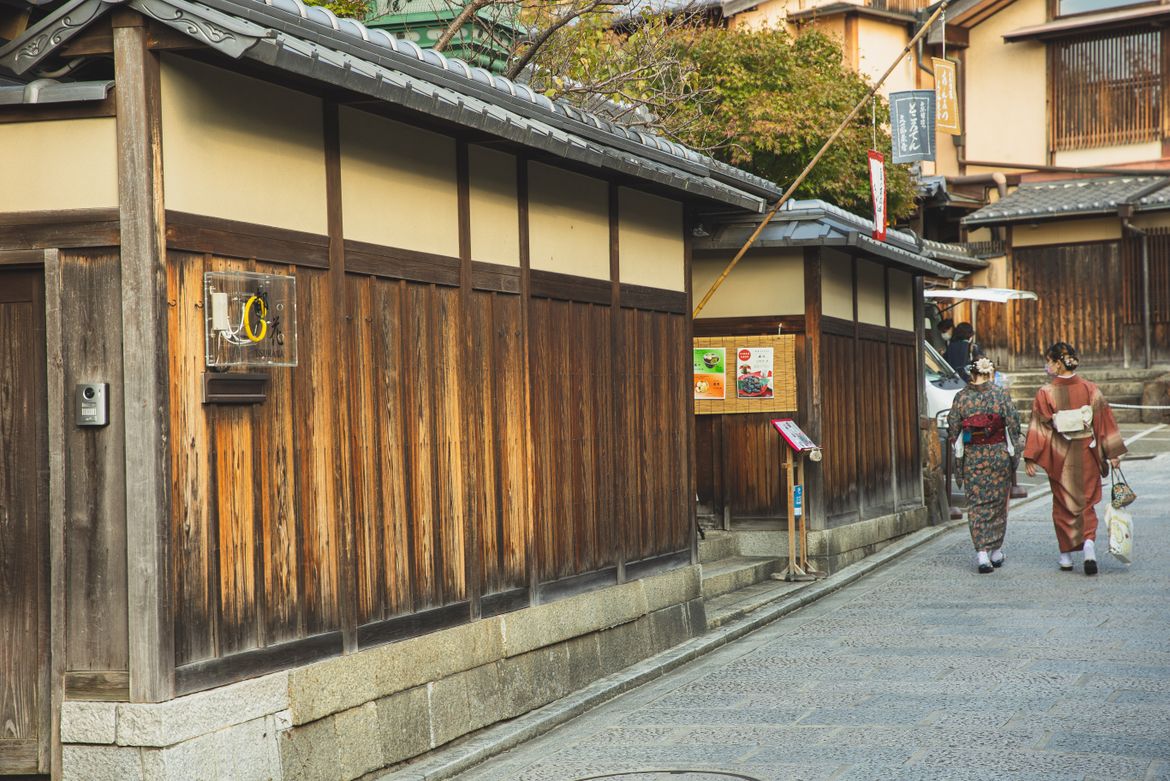
Gion remains the heart of Kyoto’s traditional entertainment culture. Narrow stone streets, wooden machiya townhouses, and softly lit lanterns create an atmosphere that feels almost unchanged for generations. In the early evening, you may even glimpse a geiko or maiko quietly making her way to an appointment. Rather than rushing through for photographs, spend time wandering the side streets where the district feels most authentic.
Nijō Castle
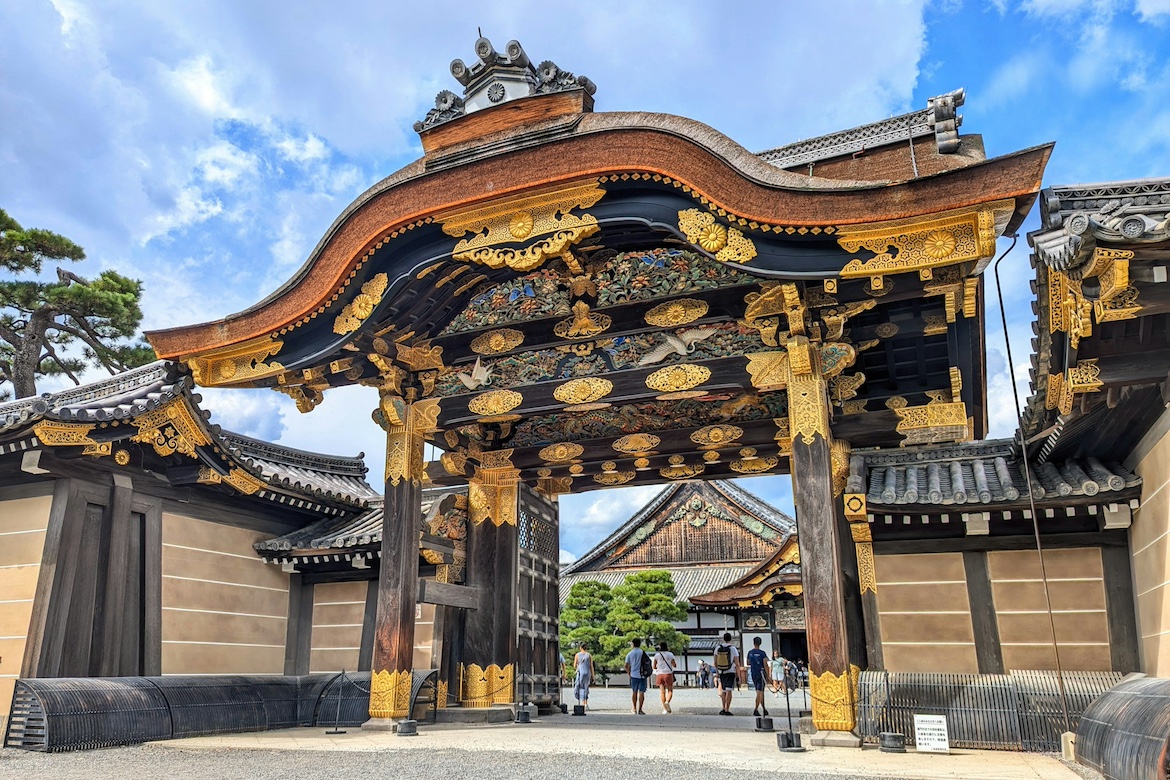
Unlike Kyoto’s temples, Nijō Castle tells the story of Japan’s powerful shoguns. The beautifully preserved palace is famous for its “nightingale floors,” designed to chirp beneath footsteps and warn against intruders. Inside, elaborate painted screens and spacious reception rooms reveal the political power that once shaped the country.
Philosopher’s Path
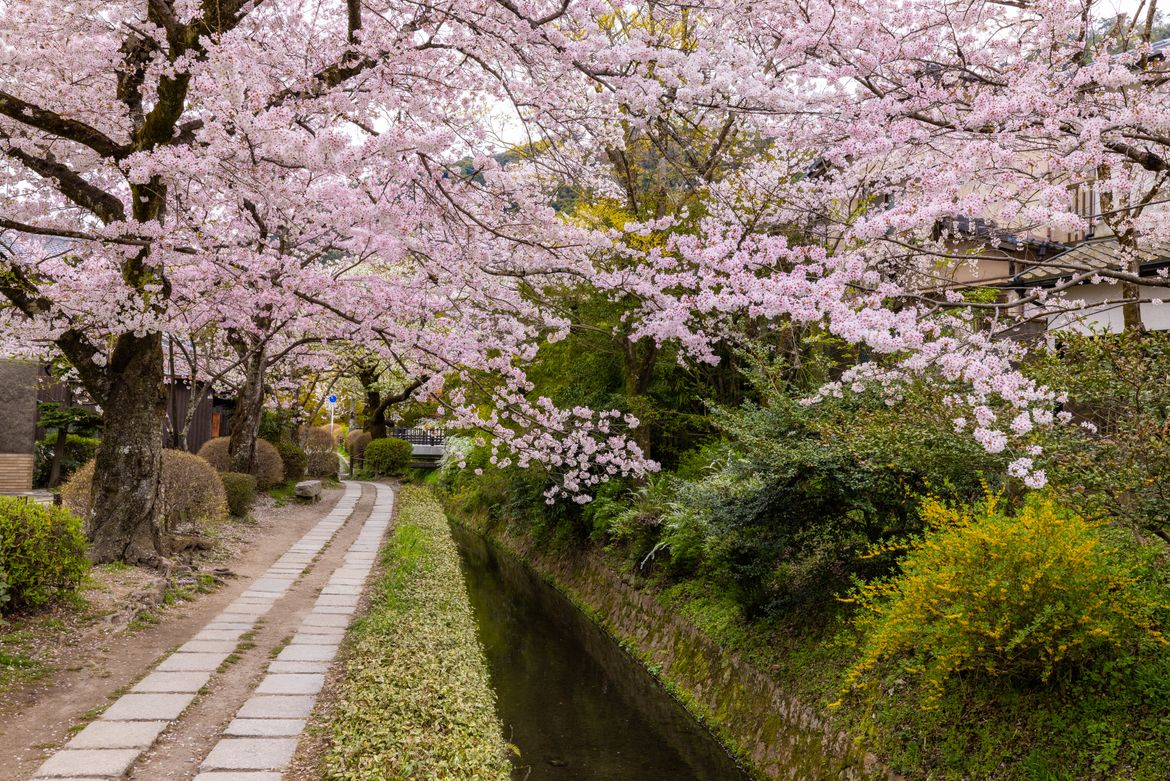
Stretching beside a quiet canal lined with cherry trees, the Philosopher’s Path offers one of Kyoto’s most relaxing walks. Named after philosopher Nishida Kitaro, who reportedly used the route during daily meditation, the path connects several smaller temples while passing cafés, galleries, and hidden gardens. Even outside cherry blossom season, it remains one of the city’s most peaceful corners.
Nishiki Market
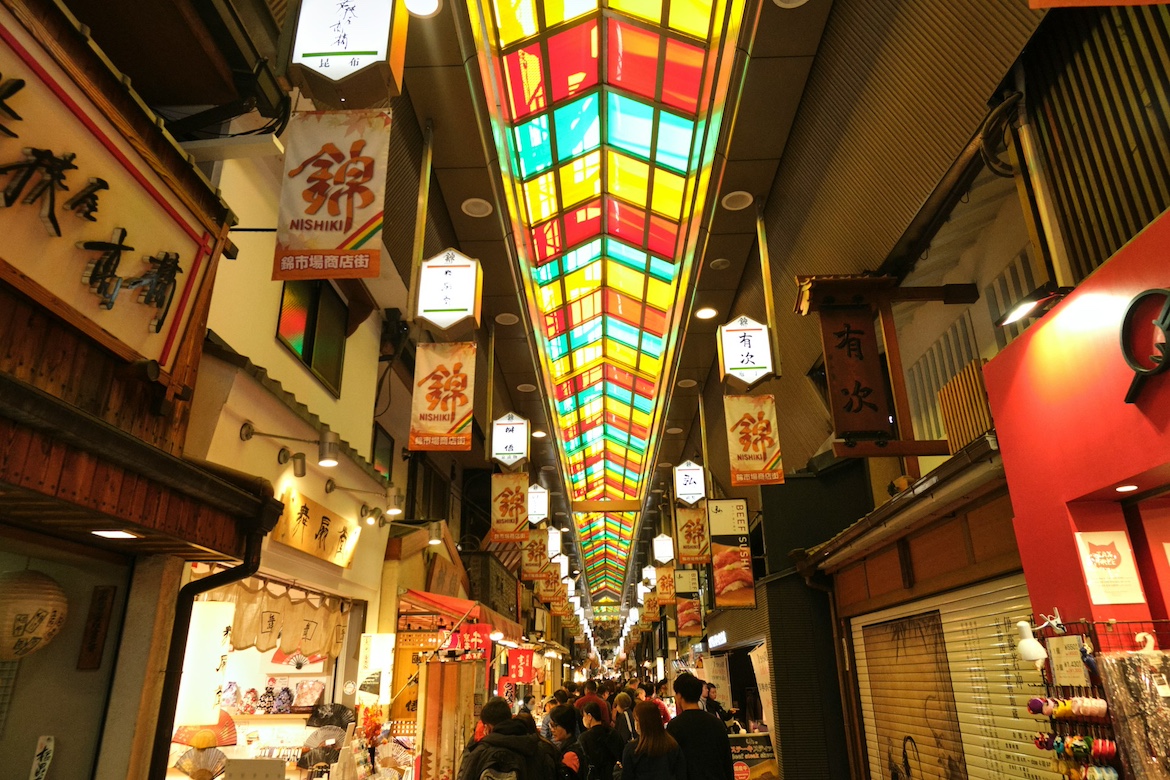
Known as “Kyoto’s Kitchen,” Nishiki Market is where the city’s culinary traditions come alive. More than a hundred small vendors sell everything from freshly grilled seafood and handmade sweets to Japanese knives, matcha products, and seasonal specialties. Sampling local food here offers an excellent introduction to Kyoto’s distinctive flavors while providing a welcome break from temple sightseeing.
Museums & Art
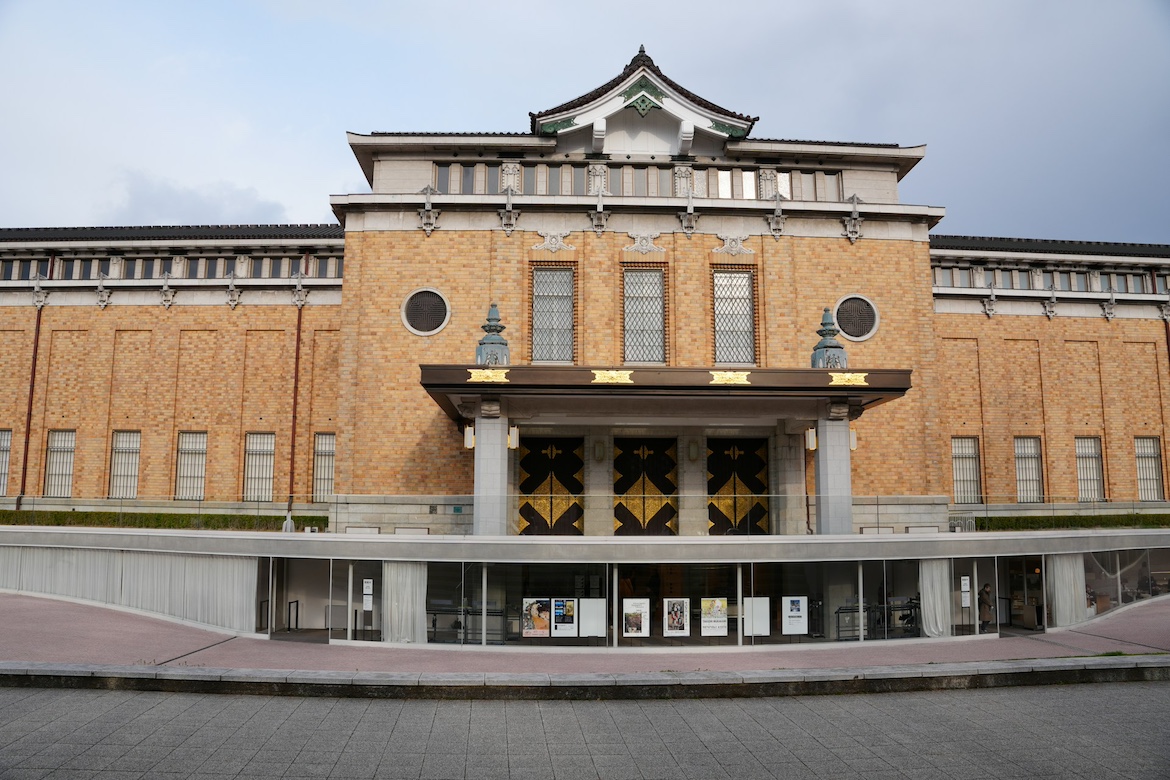
Kyoto’s museums complement the city’s temples rather than compete with them. Together, they tell the story of Japan’s art, craftsmanship, history, and cultural traditions, offering a deeper understanding of the city beyond its famous shrines.
Kyoto National Museum
One of Japan’s premier museums, the Kyoto National Museum houses an outstanding collection of Buddhist sculpture, samurai armor, ceramics, calligraphy, and centuries-old masterpieces that trace the country’s artistic evolution. Even the museum grounds combine historic and modern architecture, making the visit worthwhile before you step inside the galleries.
See info on Official Web Site
Kyoto International Manga Museum
Kyoto is not only about ancient traditions. The Kyoto International Manga Museum celebrates one of Japan’s most influential modern art forms with more than 300,000 manga volumes, interactive exhibits, and rotating exhibitions. Visitors are encouraged to browse shelves freely, making it as enjoyable for casual readers as it is for dedicated fans.
See info on Official Web Site
Kyoto City KYOCERA Museum of Art
Originally opened in 1933, Kyoto’s oldest public art museum has been transformed into one of Japan’s finest exhibition spaces. The museum balances classical Japanese works with contemporary international exhibitions while preserving its elegant historic architecture. The spacious plaza and reflecting pool outside make it an inviting place to spend time before or after your visit.
See info on Official Web Site
Sumiya Motenashi Cultural and Art Museum
Hidden away from Kyoto’s busiest tourist districts, this beautifully preserved former entertainment house offers a rare glimpse into the refined world of Edo-period hospitality. Tatami rooms, painted sliding doors, exquisite gardens, and traditional interiors create an intimate experience that feels very different from Kyoto’s larger museums.
See info on Official Web Site
Tips & Tricks
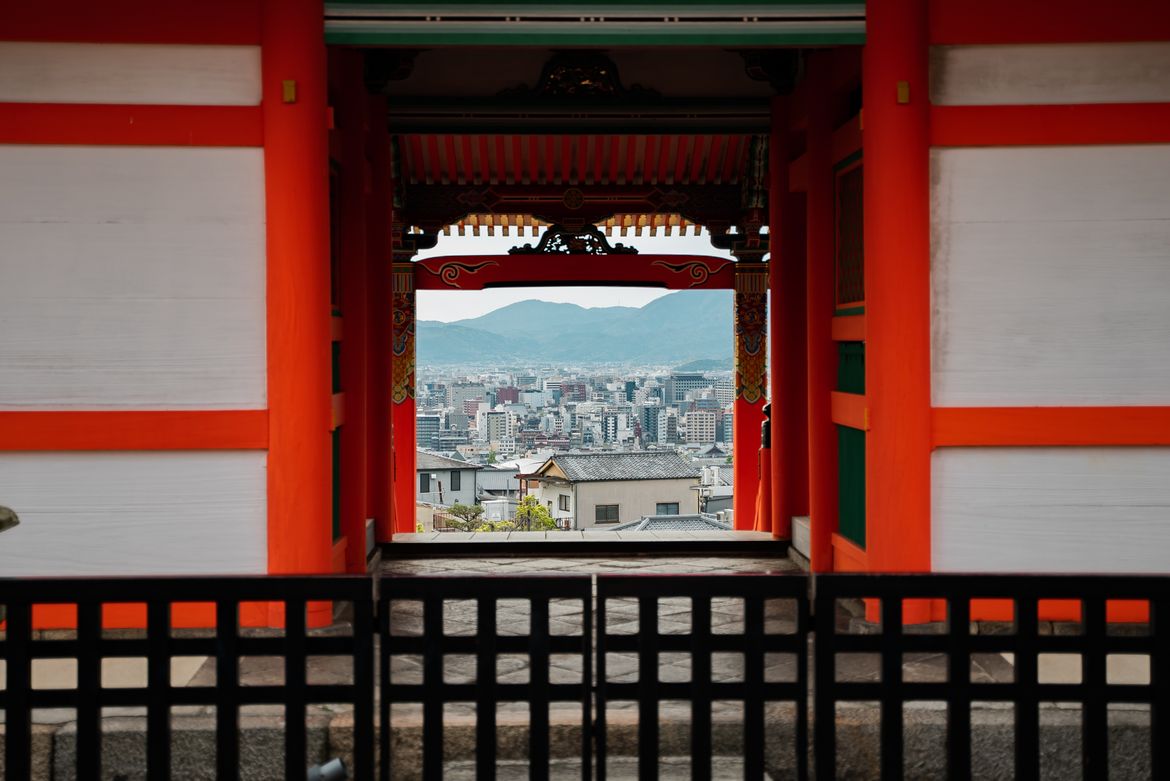
Kyoto rewards travelers who slow down. A few simple habits can make your visit far more enjoyable while helping you experience the city with greater respect for its traditions.
Start Early: Many of Kyoto’s most famous temples become crowded by mid-morning. Arriving before 8:00 a.m. often means quieter paths and better photographs.
Use Public Transport Wisely: Buses reach many major attractions but can become crowded. Combining trains, the subway, and walking is often the quickest way to explore.
Respect Temple Etiquette: Keep voices low, follow photography rules, and remember that many temples remain active places of worship rather than tourist attractions.
Take Time to Explore Side Streets: Some of Kyoto’s most memorable moments happen away from the headline attractions. Small gardens, neighborhood shrines, artisan workshops, and family-run cafés often appear just a few steps from the busiest streets.
Book Popular Restaurants Ahead: Kyoto is home to many renowned kaiseki restaurants and traditional dining experiences that require reservations weeks in advance.
Carry Cash: Although credit card acceptance continues to improve, many smaller cafés, temples, and local shops still prefer cash payments.
Visit During the Evening: Areas such as Gion, Pontochō, and Higashiyama become especially atmospheric after sunset, when lanterns illuminate the traditional wooden streets.
Allow Time Between Attractions: Kyoto is not a city to rush. Limiting yourself to three or four major sights each day often creates a much more rewarding experience than trying to see everything.
Kyoto is not defined by a single landmark but by the feeling it leaves behind. It is a city where ancient temples stand beside everyday neighborhoods, where centuries-old traditions continue without feeling staged, and where slowing your pace often leads to the most memorable discoveries.
Whether you come for the famous shrines, the seasonal gardens, or simply to experience a quieter side of Japan, Kyoto offers something increasingly rare in modern travel: a destination that invites you to pause, look closer, and appreciate the beauty found in everyday moments.
Disclaimer: TravelCapybara is an independent media brand owned and operated by NuvexMedia LLC, publishing travel news, destination guides, research, and insights. NuvexMedia LLC may invest in or collaborate with companies across the travel, hospitality, technology, and digital media sectors. These relationships do not influence TravelCapybara’s editorial coverage. While we strive for accuracy, travel requirements, prices, schedules, availability, and local conditions may change without notice. Readers should independently verify information before making travel or purchasing decisions. This content is for informational purposes only and does not constitute professional advice. © 2026 NuvexMedia LLC. All rights reserved.