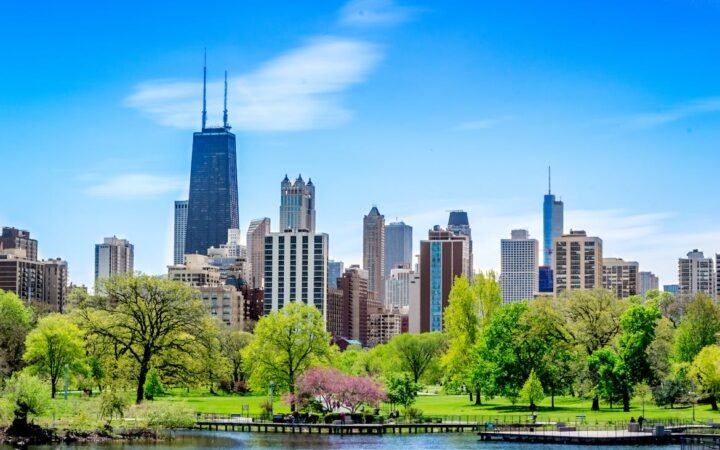
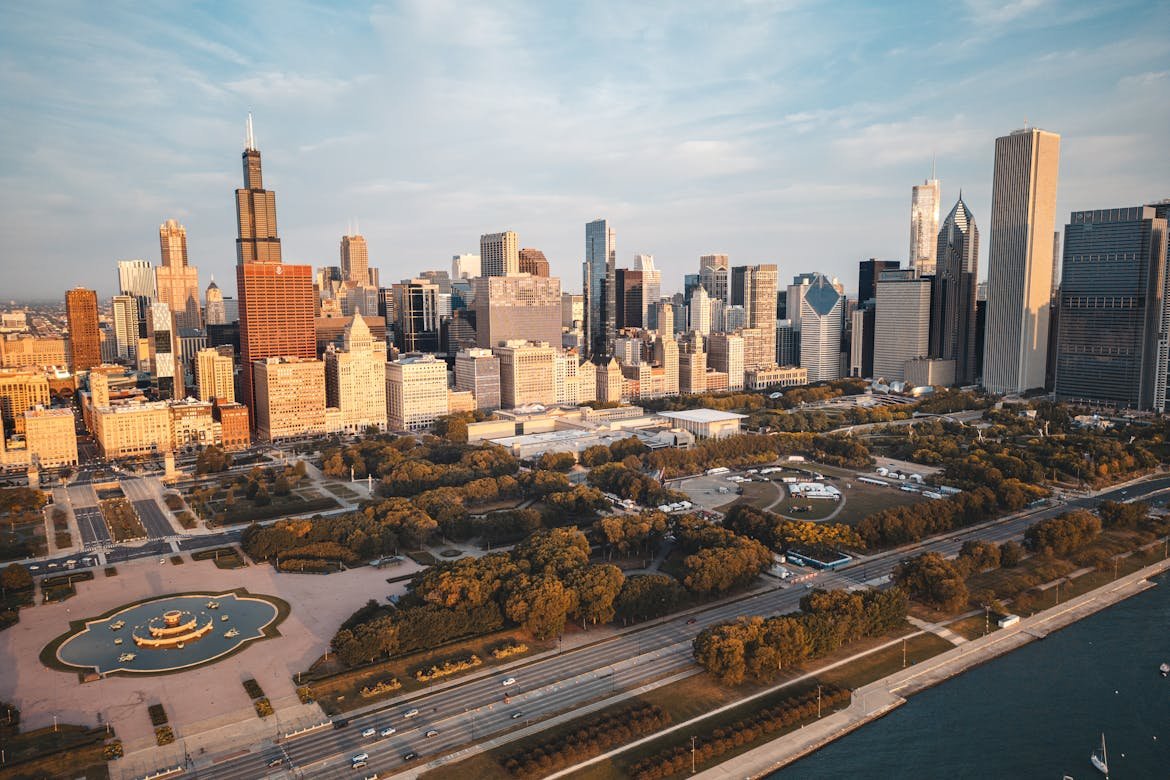
Chicago does not try to impress you all at once – it reveals itself layer by layer. At first, it is all skyline: sharp glass towers above Lake Michigan, bridges lifting over the river, and that unmistakable sense of scale when you step into the Loop. But stay a little longer and the city starts to feel warmer, more textured, more local. One neighborhood gives you historic brownstones and corner taverns, another gives you cutting-edge architecture and some of the best museums in the country.
This is a city that feels big without being overwhelming. You can spend the morning looking down from a skyscraper, the afternoon on the lakefront, and the evening eating very well in a neighborhood that has its own rhythm and personality. Chicago has the cultural weight of a global city, but it still feels approachable – and that is a big part of its charm.
Must See
Chicago is easier to explore than many first-time visitors expect. A lot of the headline sights are concentrated around downtown and the waterfront, but each one shows a different side of the city.
Millennium Park & Cloud Gate
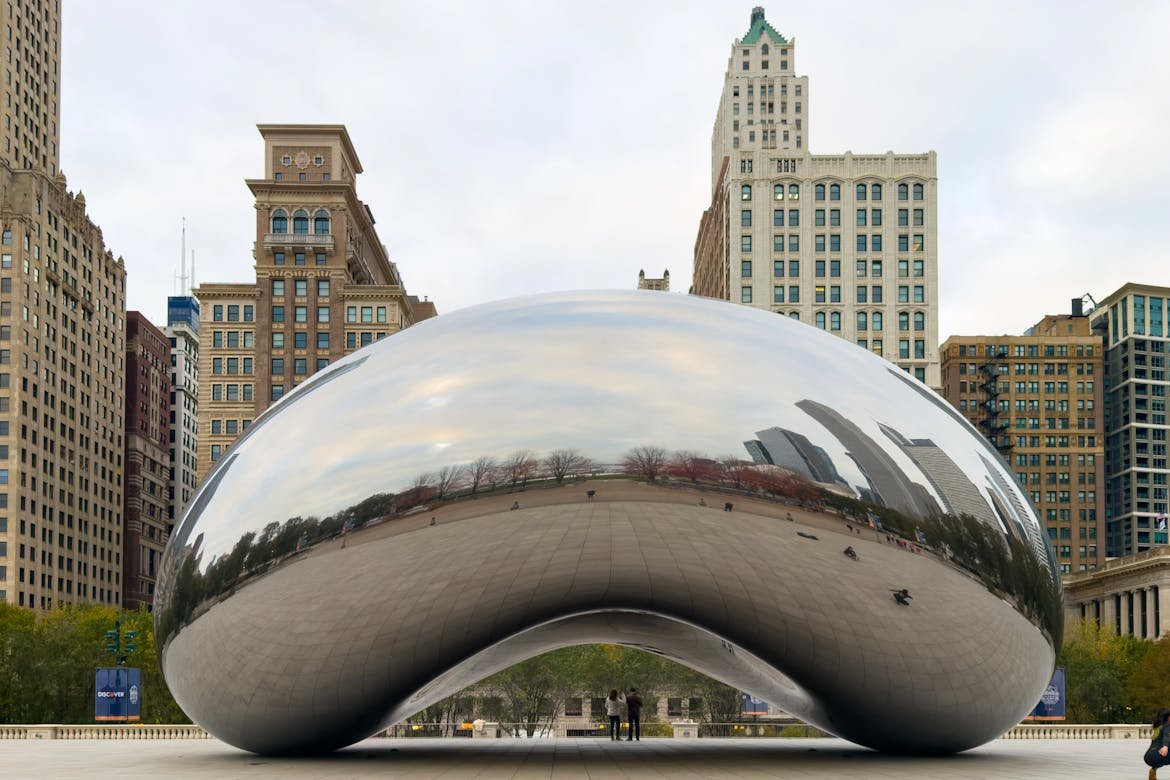
If there is one place everyone ends up sooner or later, it is Millennium Park. The main draw is Cloud Gate, better known as “The Bean,” whose mirrored surface bends the skyline into something playful and slightly surreal. Yes, it gets busy, but the mood changes depending on the time of day. Early morning feels calm and almost intimate, while late afternoon brings more energy, more people, and more of that big-city buzz that Chicago wears so well.
Chicago Riverwalk & Architecture Boat Tour
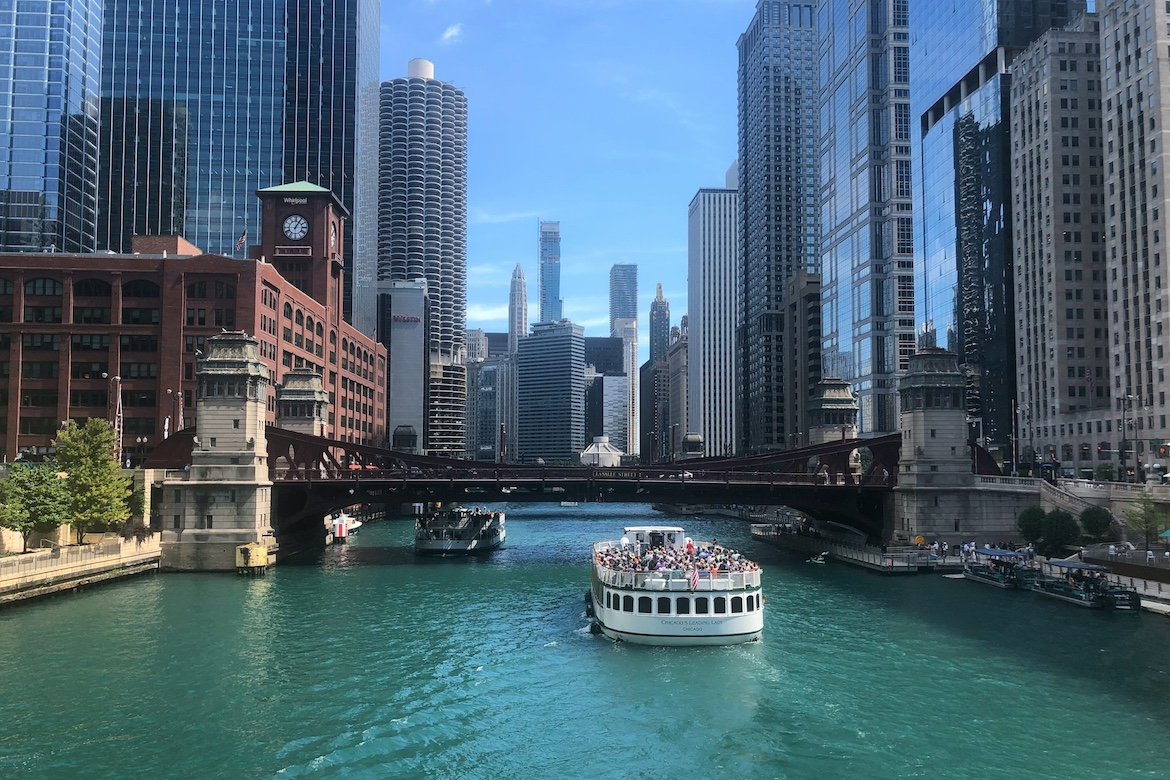
The Riverwalk is one of the best places to understand Chicago at street level. People come here to walk, sit by the water, grab a drink, or just watch the city move around them. The real standout, though, is the architecture boat tour. It may sound like the obvious tourist thing to do, but in Chicago it is genuinely one of the smartest. The city’s skyline starts making sense once you hear the stories behind the buildings.
Willis Tower Skydeck
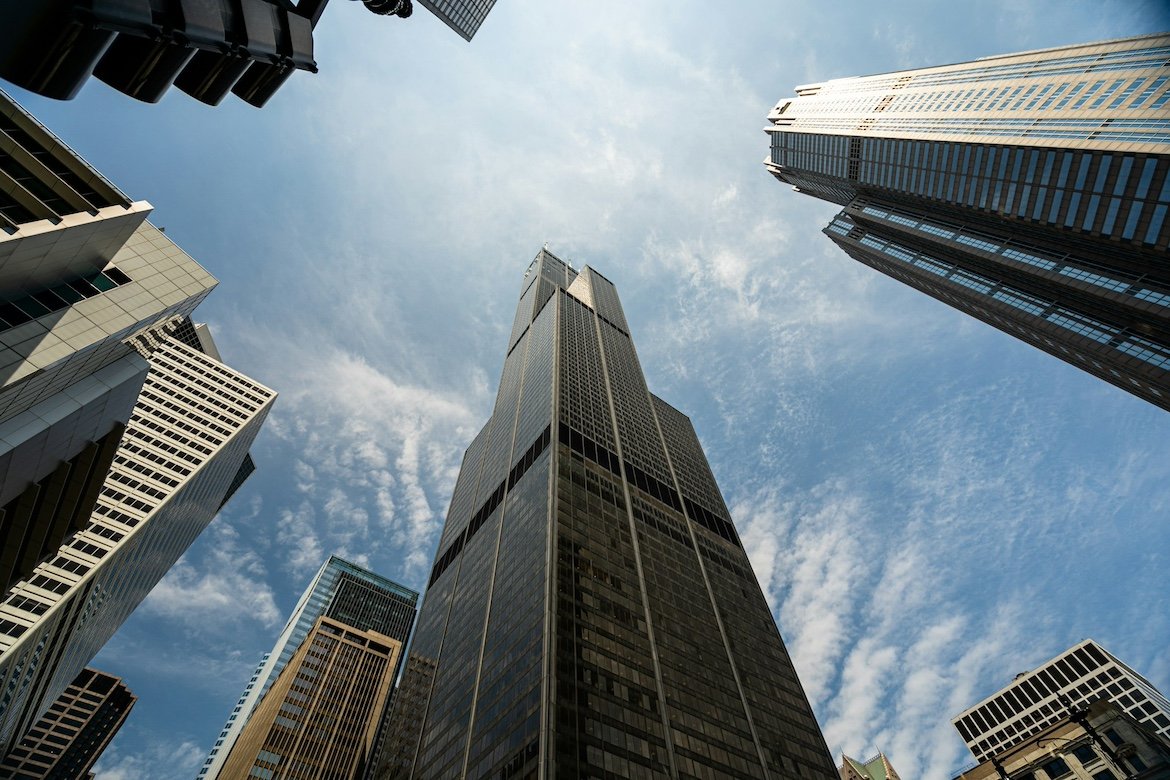
For a classic high-altitude view, head to the Skydeck at Willis Tower. The big attraction is The Ledge, those glass boxes projecting out from the building, where you can stand far above the streets below. It is dramatic, a little nerve-racking, and exactly the kind of experience people remember. Go early or near sunset if you want better light and fewer lines.
Navy Pier
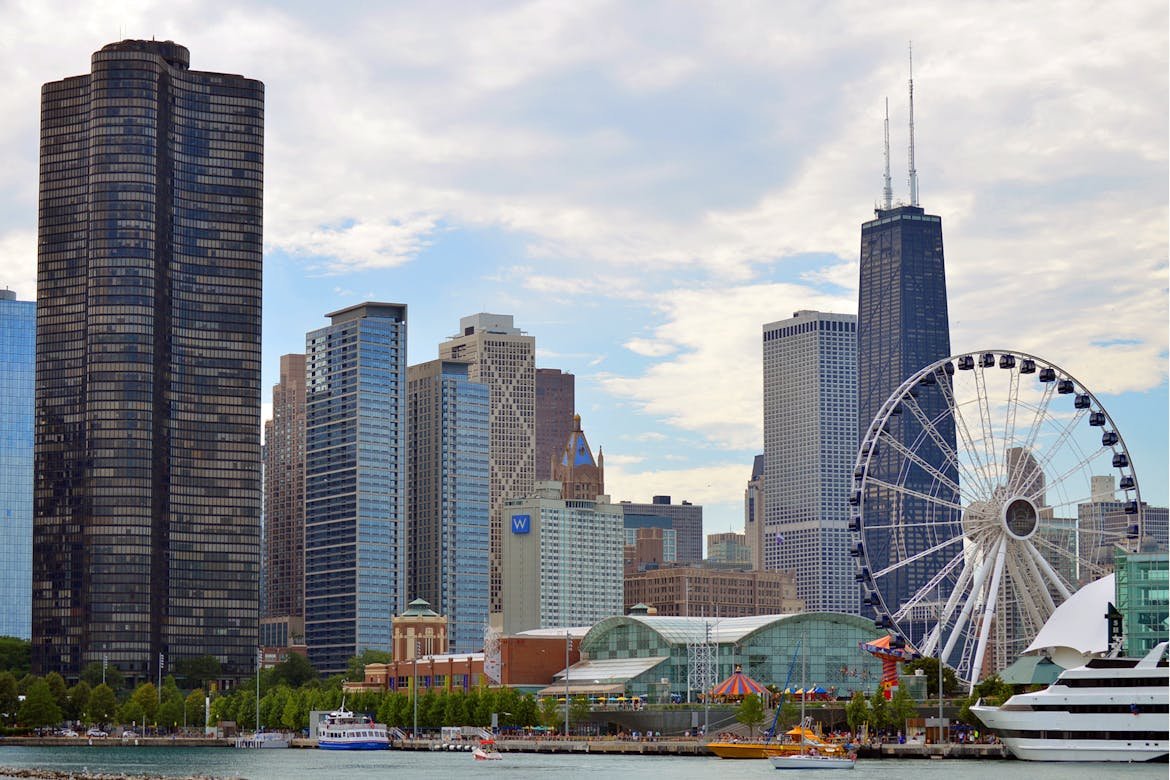
Navy Pier is busy, polished, and unapologetically geared toward visitors – but that does not mean it should be skipped. The real reason to come is the lakefront setting. You get wide-open views of Lake Michigan on one side and the skyline on the other, which makes even a simple walk here feel worthwhile. In the evening, the atmosphere softens, and the city lights over the water do a lot of the work.
Magnificent Mile
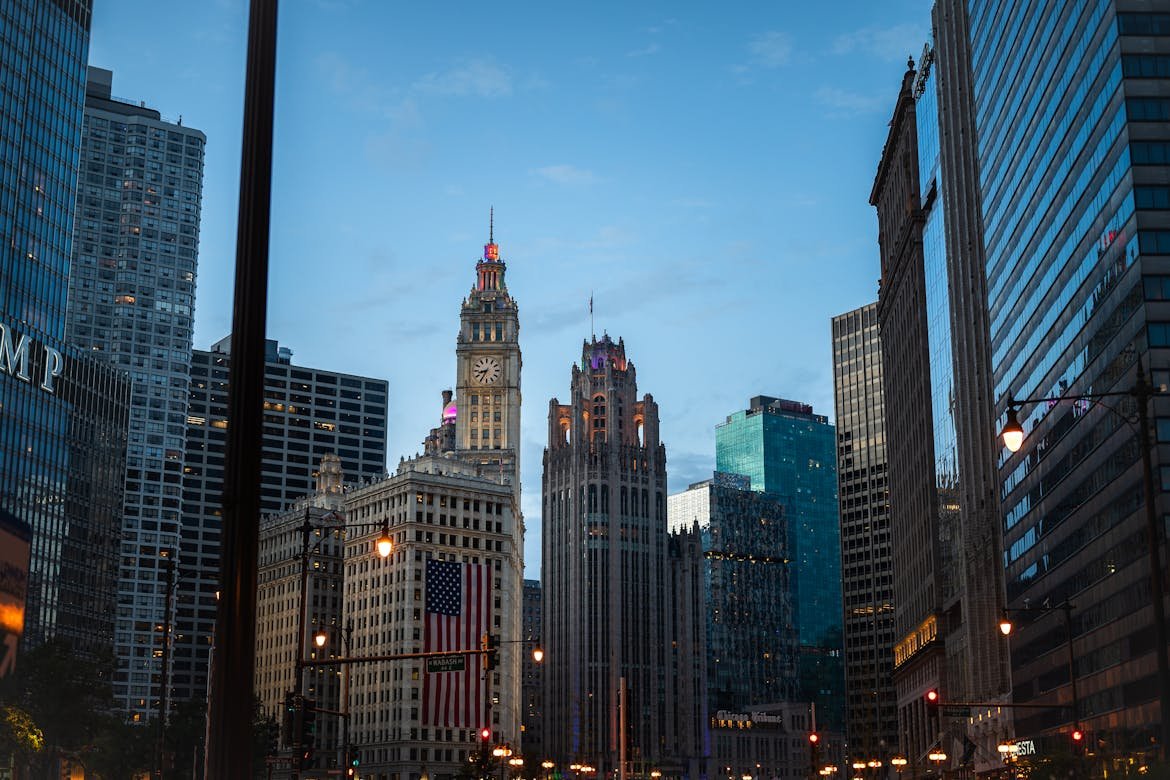
The Magnificent Mile is not just for shopping. It is one of the easiest places to feel Chicago’s scale and confidence. Michigan Avenue is lined with flagship stores, hotels, and historic high-rises, but the trick here is to keep looking up. Some of the best details are not at eye level at all – they are in the facades, the ornamentation, and the contrast between old Chicago and newer towers.
Lincoln Park & Lincoln Park Zoo
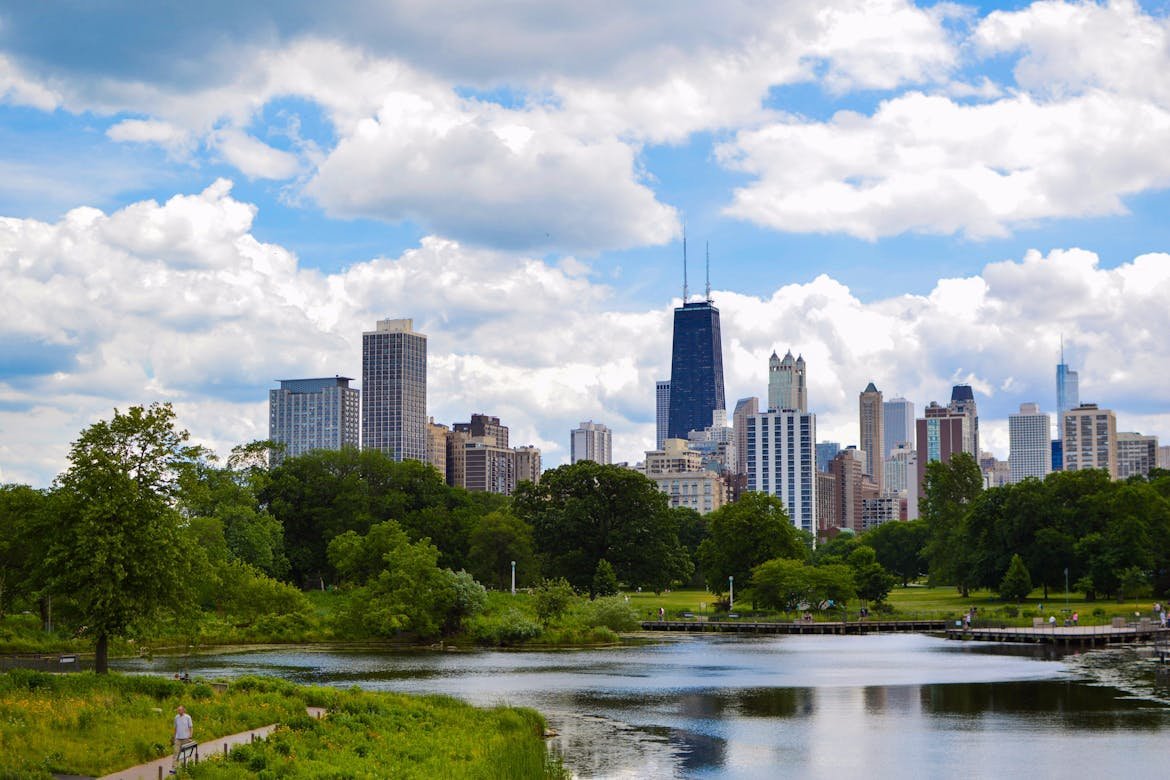
Lincoln Park is where the city exhales a little. It is green, open, and local in a way that contrasts nicely with the vertical intensity of downtown. The free zoo adds another reason to visit, but even without it, this part of the city works beautifully for a slower afternoon. Come for the paths, the lake views, and the sense that Chicago is not only about steel and glass.
Wicker Park & Bucktown
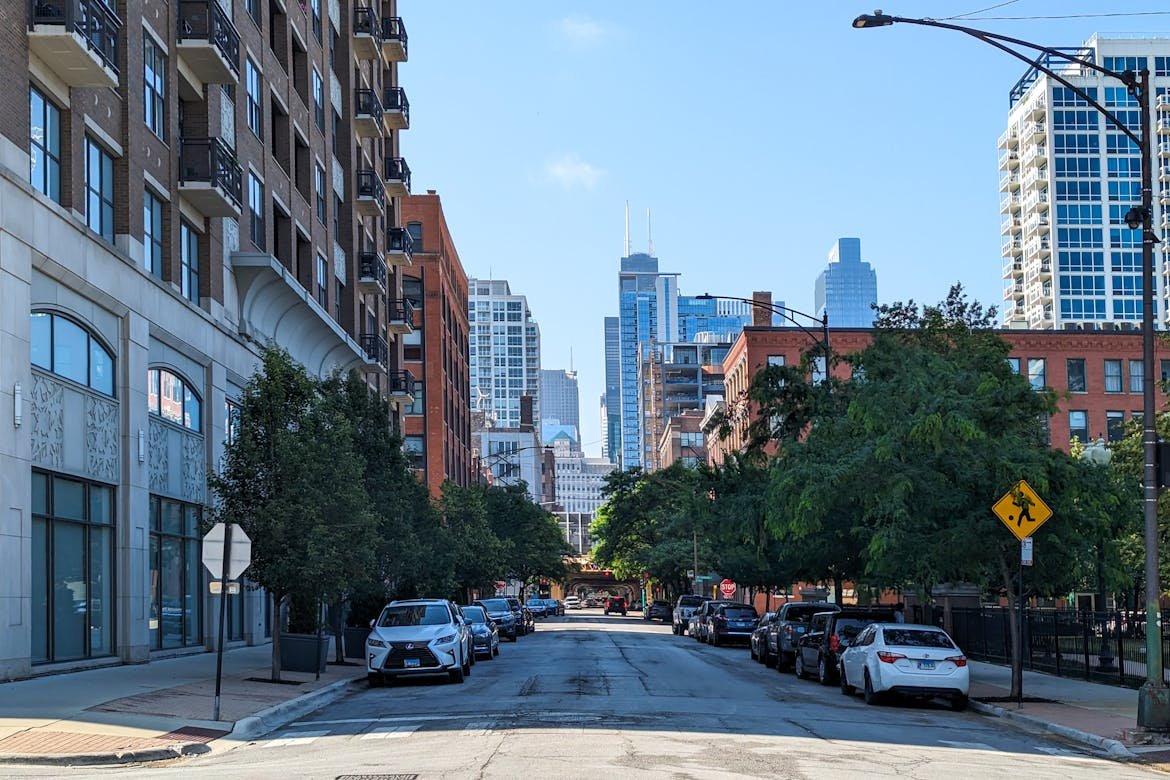
If downtown shows you Chicago’s grander face, Wicker Park gives you something more casual and lived-in. This is where you wander rather than tick things off a list. Independent boutiques, coffee shops, bars, and side streets with plenty of character make it one of the best neighborhoods to explore without a plan. It feels creative without trying too hard.
The Chicago Theatre & State Street
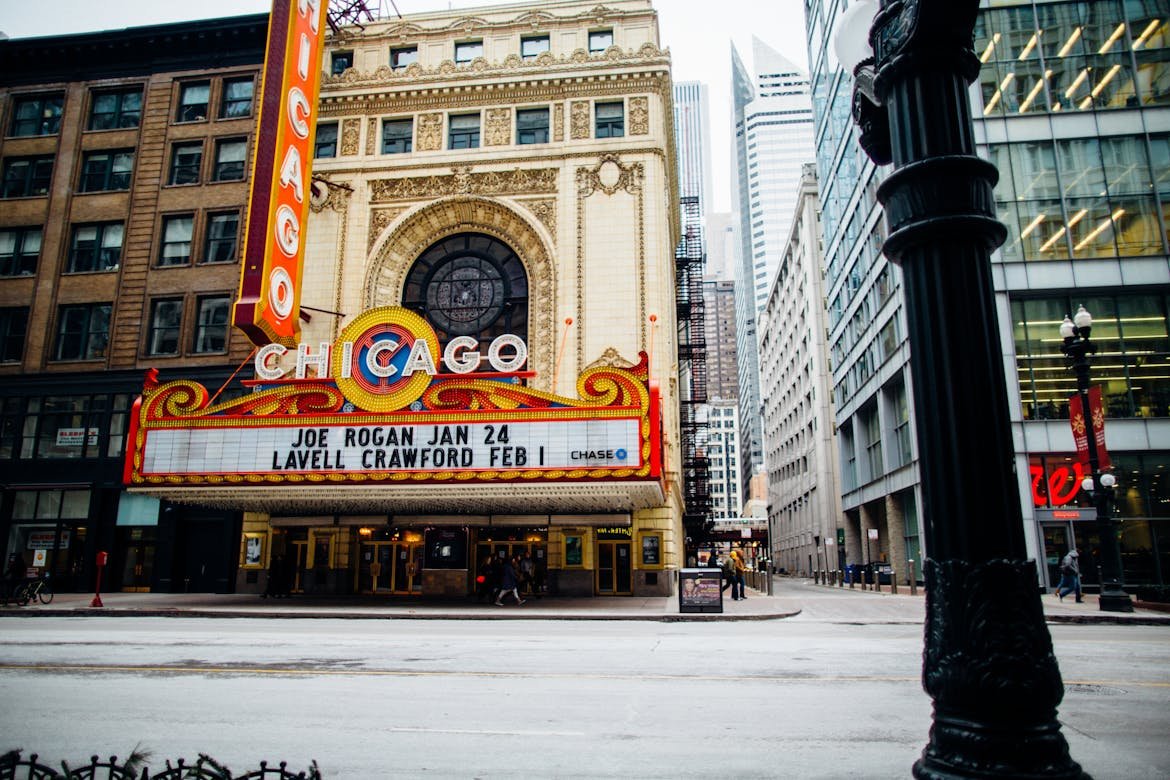
The Chicago Theatre is one of those landmarks that instantly delivers the old-school glamour people associate with the city. Its glowing marquee is iconic, especially after dark, and the surrounding stretch of State Street carries that classic downtown energy. Even if you do not go inside for a show, it is worth seeing in person – it gives the area a sense of theatrical Chicago history that still feels very alive.
Museums & Art
Chicago takes culture seriously, but it does not make it feel distant or formal. The museum scene is broad, accessible, and easy to mix into a regular itinerary. These are the ones most worth building time around.
The Art Institute of Chicago
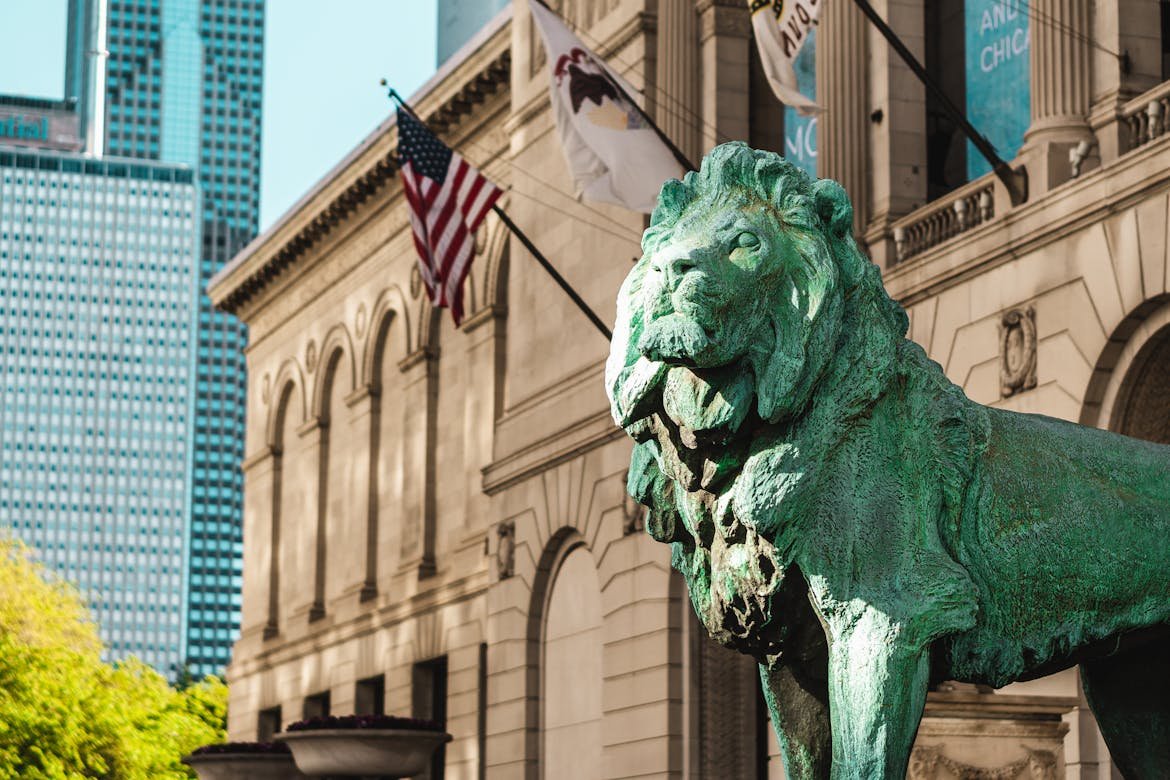
The Art Institute is one of the city’s essentials, even for people who do not usually prioritize museums. It is large enough to be world-class, but the layout still lets you move through it naturally, from Impressionist favorites to modern and contemporary works without feeling buried by the collection. The lion statues outside are iconic, but what stays with most visitors is how satisfying the museum feels once you are inside – rich, varied, and never flat.
See info on Official Web Site.
Griffin Museum of Science and Industry
This is one of the most interactive major museums in Chicago and one of the easiest to enjoy if you want something less traditional. The experience feels immersive rather than static, with full-scale environments, engineering stories, and exhibits that pull you into the subject instead of keeping you at a distance. It is especially good if you want a museum that feels energetic and hands-on.
See info on Official Web Site.
Field Museum
The Field Museum is the kind of place where scale matters. From massive dinosaur displays to deep natural history collections, it feels expansive in the best way. Even visitors who arrive mainly to see Sue, the famous T. rex, usually end up staying longer than expected. The museum manages to be educational without losing its sense of wonder.
See info on Official Web Site.
Museum of Contemporary Art Chicago
For something more current and a little less predictable, the MCA is a strong contrast to the city’s larger institutions. The exhibitions change regularly, so it feels fresher and more fluid than a collection-based museum. It is also easier to explore in a shorter visit, which makes it a good option if you want serious art without committing half a day.
See info on Official Web Site.
Tips & Tricks
Use the CTA trains: The “L” is usually the easiest way to move between downtown and the neighborhoods without getting stuck in traffic.
Dress for the lakefront: Even when the forecast looks mild, wind off Lake Michigan can change how the day feels very quickly.
Do not stay only in the Loop: Downtown is convenient, but neighborhoods like Wicker Park, Logan Square, and Pilsen give the city much more personality.
Book popular restaurants ahead: Chicago takes food seriously, and the places people really want to try are often booked out in advance.
Leave time for the lakefront: One of the simplest pleasures in Chicago is just walking or biking by the water with the skyline behind you.
Plan one museum-heavy day at most: Chicago’s museums are excellent, but the city is best enjoyed with balance – some culture, some walking, some time outside, and some very good food.
Chicago is a city of structure and surprise. It has the famous skyline, the major museums, and the architectural legacy people expect – but it also has quieter pleasures that make it feel more personal once you settle into it.
That is what makes it memorable. Chicago can absolutely impress you, but it is even better when it starts to feel familiar. And usually, that happens faster than people expect.