Hotel AI Moves Into Daily Work as Apaleo Reports 70% Usage Rise
Apaleo reports 70% growth in use of its AI connection as hotels automate room allocation, guest-request tasks and reporting inside daily operations.
Key Notes
- Apaleo reports 70% growth in MCP server use between July and September 2026.
- Hotel deployments include room allocation and automatic tasks from guest requests.
- h2c found widespread AI use among surveyed chains but limited measurable returns so far.
AI agents are taking on routine work inside hotel systems, from assigning rooms to passing guest requests to housekeeping. Property management platform Apaleo reports a 70% increase in use of its Model Context Protocol server between July and September 2026, pointing to growing activity beyond pilot projects.
The increase measures use of Apaleo’s connection for AI agents. It is not a count of hotels adopting AI or a measure of the wider industry’s productivity. The company says activity grew 23% from July to August and another 38% from August to September.
Connecting AI to the Hotel’s Working Systems
Apaleo’s MCP server gives agents a standard way to read hotel data and carry out supported actions. Its launch announcement explains how the connection reduces the need to build a separate integration for each tool and workflow.
For hotel teams, that can mean asking an agent to work with availability, rates or reservations in the property management system. The company launched the server in September 2025, adding a route for agents to act on operational information through its existing platform.
From Guest Notes to Housekeeping Tasks
One earlier deployment shows what that looks like for an actual stay. At THE FLAG Zürich, a 101-room hotel and serviced apartment property, Apaleo’s Trace Agent reads reservation comments for requests such as baby cots and extra beds, then creates tasks in the housekeeping tool Sweeply.
In its February case study, Apaleo said the agent generated about 30 tasks a day and saved an estimated 3.5 hours a week in direct task creation. The practical change is that a request recorded with the booking can reach the relevant team without someone copying it manually between systems.
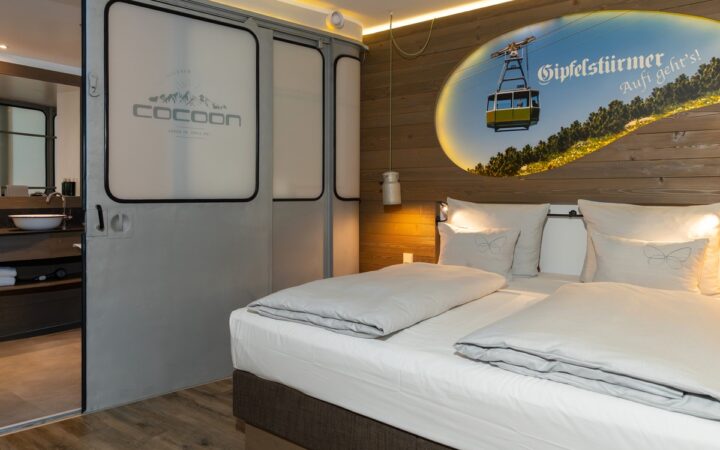
At Cocoon Hotel Munich Hauptbahnhof, a 103-room Munich property, another agent uses guest comments, preferences and group requirements to support room assignment. Apaleo and the hotel said in May that the allocation task fell from up to 45 minutes per property per day to around one minute.
These are results reported by the supplier and participating hotels for specific workflows. They illustrate how agents are being used, while leaving the effect on an individual guest’s stay dependent on the hotel’s processes and service delivery.
Wide Adoption, Uneven Results
Separate research from h2c helps put the activity in context. Its 2026 study drew 122 responses from 113 hotel chains: 91% of participating chains used AI, but only 28% reported a company-wide strategy led by senior management.
The strongest reported benefits concerned efficiency and staff productivity. Just 13% said they had achieved measurable return on investment, while 38% identified integration with existing systems as a barrier. The study was supported by eight technology sponsors, including Apaleo, and its results were not weighted by chain size.
What the Shift Means for Hotels
For operators, the next step is connecting useful tasks with the systems teams already work in. We have also covered Duetto’s FLYR Hospitality acquisition, another example of suppliers bringing AI capabilities deeper into hotel commercial operations.
The deployments show AI becoming part of everyday hotel work: interpreting a booking note, preparing an allocation or creating a task. Whether that produces better service depends on what happens after the software acts, including how teams handle exceptions and fulfil the request.
Disclaimer: TravelCapybara is an independent media brand owned and operated by NuvexMedia LLC, publishing travel news, destination guides, research, and insights. NuvexMedia LLC may invest in or collaborate with companies across the travel, hospitality, technology, and digital media sectors. These relationships do not influence TravelCapybara’s editorial coverage. While we strive for accuracy, travel requirements, prices, schedules, availability, and local conditions may change without notice. Readers should independently verify information before making travel or purchasing decisions. This content is for informational purposes only and does not constitute professional advice. © 2026 NuvexMedia LLC. All rights reserved.