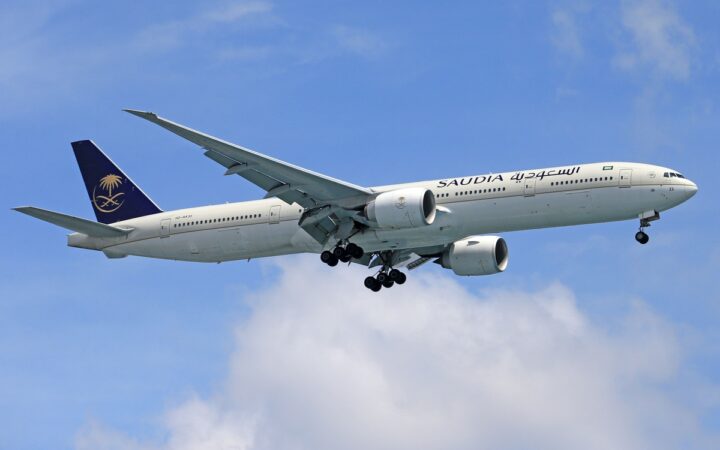
Saudi airlines are racing to move aircraft worth up to $4 billion out of Riyadh after deadly Houthi missile attacks, the Wall Street Journal reported on October 14.
For passengers, protecting aircraft and restoring a usable itinerary are separate challenges. A flight moving an aircraft away from danger does not establish that the airport has reopened for regular passenger services, or that a previously booked departure will operate.
Protecting Aircraft Is Only Part of the Recovery
The reported effort highlights the operational consequences of attacks on an aviation hub. Moving aircraft can reduce their exposure at one location, but restoring a timetable also requires suitable airport conditions, crews, ground handling and permissions. The destination of an aircraft movement alone cannot tell a traveler when their service will return.
The disruption follows the airport closure we previously covered. Travelers should distinguish between an airport-wide operating restriction, an individual airline’s suspension and the status of a specific flight. Each answers a different question, and a cancellation deadline is not a confirmed reopening date.
Etihad Lists Cancellations Through October 18 and 19
Etihad’s current notice, checked on October 15, cancels all flights between Abu Dhabi and both Riyadh and Dammam through Sunday, October 18. The airline attributes the changes to regional disruption and warns that further adjustments remain possible.
Jeddah has a different schedule. EY601 and EY602 are canceled from October 12 through October 18, while EY603 and EY604 are canceled through October 19. Passengers should match both their flight number and date against the notice rather than apply one cutoff to every Saudi route.
This updates the dates in our earlier Etihad report, which reflected the notice available at that time. The latest published Riyadh and Dammam cutoff is October 18; it should not be read as a guarantee of service on October 19.
Travel Warnings Remain a Separate Consideration
The UK’s travel advice, updated October 13, advises against all but essential travel to Riyadh province and to all Saudi airports except Medina International Airport. It also tells British nationals to stay away from King Khalid International Airport until it is secure and follow Saudi authorities’ instructions.
The U.S. State Department’s October 12 advisory remains at Level 3, Reconsider Travel. It cites armed conflict and missile and drone risks, among other concerns. It notes that commercial flights operate from Saudi Arabia but have faced significant disruption at times.
Those advisories apply differently by area and nationality. An available seat does not override them, and the UK warns that traveling against its advice could invalidate insurance. Check the guidance relevant to the traveler and ask the insurer how it affects the proposed itinerary before accepting a replacement route.
What to Check Before Rebooking
Contact the operating airline or the agent that issued the ticket before leaving for the airport. Ask for confirmation of the flight’s status and the available rebooking or refund options for that reservation. If the journey includes a connection, make sure the revised plan covers both sectors and leaves a workable transfer.
Review hotel arrivals, airport transfers and any separately booked onward travel at the same time. Keep cancellation messages and replacement confirmations together, and ensure the airline has current contact details. A change to one part of a trip can create costs or timing problems elsewhere even when an alternative flight is offered.
The immediate priority is a confirmed, usable itinerary assessed against current official advice. Aircraft relocation may protect the fleet, but passengers still need their airline to confirm when and where they can travel.
Disclaimer: TravelCapybara is an independent media brand owned and operated by NuvexMedia LLC, publishing travel news, destination guides, research, and insights. NuvexMedia LLC may invest in or collaborate with companies across the travel, hospitality, technology, and digital media sectors. These relationships do not influence TravelCapybara’s editorial coverage. While we strive for accuracy, travel requirements, prices, schedules, availability, and local conditions may change without notice. Readers should independently verify information before making travel or purchasing decisions. This content is for informational purposes only and does not constitute professional advice. © 2026 NuvexMedia LLC. All rights reserved.