Lufthansa’s Starlink Wi-Fi Rollout Reaches Austrian Airlines and SWISS
Starlink Wi-Fi is now on the first Austrian and SWISS A320neos, with more aircraft to follow and free access for eligible passengers.
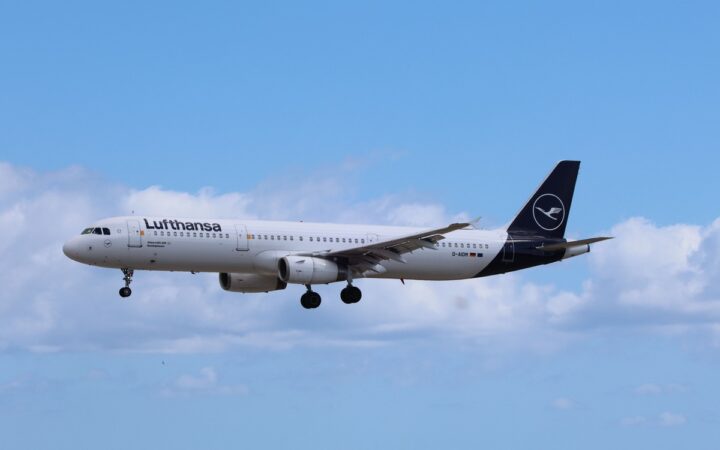
Lufthansa Group’s Starlink Wi-Fi rollout has reached Austrian Airlines and SWISS, expanding high-speed connectivity beyond the group’s flagship carrier. The first Airbus A320neo aircraft at both airlines now have the satellite technology installed, with further aircraft scheduled to follow.
The group confirmed the expansion in an October 1 update. For passengers, it is a step toward using one connectivity service across several airlines, although availability still depends on the aircraft operating the flight.
What Is Changing at Austrian and SWISS?
Austrian Airlines expects 20 aircraft to offer Starlink-powered internet by the end of the 2026/2027 winter schedule. At SWISS, three more aircraft from the Airbus A320 family are due to receive the system in the coming months, before installations expand further across its fleet.
Those figures describe the next phase of the programme. They do not mean every Austrian or SWISS flight already has the upgraded connection. The current expansion begins with selected A320neo aircraft, while SWISS’s longer-term plan is to equip its whole fleet by the end of 2029.
The distinction is useful for travelers booking a connecting itinerary through different group airlines. A flight on an equipped aircraft may offer the new service, while the next leg could still have a different onboard connectivity product.
A Group-Wide Upgrade Through 2029
Lufthansa’s launch announcement set August 19 as the debut date for the first Lufthansa A320neo with Starlink. The wider project covers approximately 850 aircraft and targets all Lufthansa Group airline fleets by 2029.
Alongside Lufthansa, Austrian and SWISS, the group’s announced rollout includes Brussels Airlines, ITA Airways, Edelweiss, Discover Airlines, Air Dolomiti, Lufthansa City Airlines and Eurowings. The new Austrian and SWISS installations show that the project is moving beyond its initial Lufthansa launch.
Starlink uses satellites in low Earth orbit. Lufthansa presents the system as an upgrade designed to support streaming, cloud-based work and other demanding applications. Those are the airline’s stated capabilities; the announcement does not establish a guaranteed connection speed for each passenger or every flight.
Who Gets Free Access?
The service is free for eligible loyalty-programme members and Travel ID users on equipped aircraft, across travel classes. Lufthansa’s Wi-Fi guide explains that passengers connect through the onboard portal using their Travel ID or Miles & More details. A free Travel ID can also be created during the flight.
The practical advantage is that access is not reserved for a premium cabin. An Economy passenger with the required account can use the service on an equipped flight. Setting up an account in advance is a simple way to reduce the time spent registering once onboard.
Faster Internet Still Has Cabin Rules
Passengers must use headphones for audio and video. Active voice and video calls are not permitted, and livestreaming from the aircraft is prohibited. Lufthansa does allow listening to a meeting or webinar through headphones, as well as messaging, email and chat.
That makes the upgrade useful for reviewing shared documents or responding to colleagues, while keeping a live conversation with a microphone switched on off the agenda. A faster connection does not change the need to follow the crew’s instructions.
Lufthansa’s current FAQ says travelers cannot yet check Starlink availability before departure during the initial rollout. A flight-search feature is planned as more aircraft are equipped. Until then, download essential documents before traveling rather than building a tight deadline around an unconfirmed onboard connection.
We have already covered the group’s 850-aircraft plan. Austrian and SWISS now provide the next milestones to watch: 20 Austrian aircraft by winter’s end, further SWISS A320-family installations and a gradual expansion toward the 2029 fleet-wide target.
Disclaimer: TravelCapybara is an independent media brand owned and operated by NuvexMedia LLC, publishing travel news, destination guides, research, and insights. NuvexMedia LLC may invest in or collaborate with companies across the travel, hospitality, technology, and digital media sectors. These relationships do not influence TravelCapybara’s editorial coverage. While we strive for accuracy, travel requirements, prices, schedules, availability, and local conditions may change without notice. Readers should independently verify information before making travel or purchasing decisions. This content is for informational purposes only and does not constitute professional advice. © 2026 NuvexMedia LLC. All rights reserved.