Key Notes
- Entry requirements deterred 43% of surveyed passengers from visiting a destination.
- Complexity was the leading concern among travelers discouraged by immigration rules.
- Interest in digital passports does not remove current document requirements.
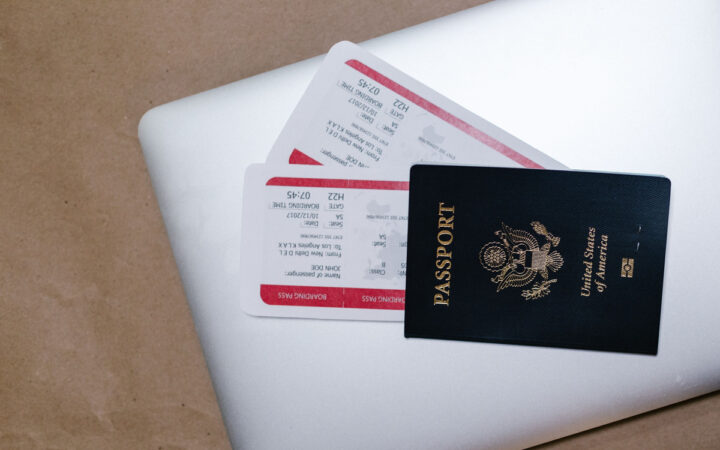
Visa and immigration requirements are becoming a bigger obstacle to travel, according to IATA’s latest passenger survey. Some 43% of respondents said entry requirements had discouraged them from visiting a destination, compared with 33% a year earlier.
The October 28 passenger survey presents a striking mismatch: travelers increasingly want digital journeys, yet the paperwork needed to take those journeys can still put them off. Among respondents deterred by immigration requirements, 53% cited complexity as the main issue.
Digital Convenience Meets Border Paperwork
Sixty percent preferred applying for a visa online, while 45% wanted to complete immigration procedures before reaching the airport. Interest in using a digital passport for online check-in reached 84%.
The survey drew more than 10,000 responses from over 200 countries. It records passengers’ experiences and preferences; it does not measure how many trips were canceled or establish that the same rules affect every nationality.
Why the Same Trip Can Require Different Preparation
A destination’s entry process can depend on the passport used, the reason for travel and the route taken. A simple-looking itinerary may therefore need more preparation than its flight time suggests.
Before buying a restrictive fare, travelers should confirm the requirements for their own circumstances with the relevant authorities. Check transit arrangements as well as the final destination, and allow for the time needed to receive any necessary permission.
Applications, travel authorization and admission are different stages. A booking confirmation or an AI-generated itinerary should not be treated as a substitute for the documents required to travel.
AI Planning Still Needs a Document Check
The survey also found that 49% of passengers had used AI for travel planning. That makes accurate entry information increasingly relevant at the point where a traveler is comparing destinations, rather than only after a ticket has been paid for.
For a complicated trip, keep a separate record of the official requirements and the date they were checked. If an assistant suggests a route, review the airports, connection arrangements and border implications before approving the booking.
Passport-Free Technology Has Limits
We have covered One ID developments, including Air New Zealand and Hong Kong airport’s new certification. Such systems can reduce repeated document presentation in supported journeys, while eligibility and the rules at each border still determine how a passenger travels.
Our coverage of the UK contactless eGate trial likewise distinguishes a technology trial from a universal change to passport requirements. The same distinction applies to survey results: enthusiasm for digital credentials does not mean travelers can leave their physical documents at home.
The practical lesson is to check the entry process early enough for it to influence the trip. A destination with an appealing fare becomes less attractive if the necessary permission cannot be obtained in time, or if the itinerary depends on an assumption about transit that proves wrong.
Disclaimer: TravelCapybara is an independent media brand owned and operated by NuvexMedia LLC, publishing travel news, destination guides, research, and insights. NuvexMedia LLC may invest in or collaborate with companies across the travel, hospitality, technology, and digital media sectors. These relationships do not influence TravelCapybara’s editorial coverage. While we strive for accuracy, travel requirements, prices, schedules, availability, and local conditions may change without notice. Readers should independently verify information before making travel or purchasing decisions. This content is for informational purposes only and does not constitute professional advice. © 2026 NuvexMedia LLC. All rights reserved.