American Airlines is rolling out a new set of digital tools designed to give travelers more control from booking to boarding. The airline is adding Venmo as a payment option, expanding Apple Pay availability, improving disruption management and making it easier for eligible customers to use TSA PreCheck Touchless ID.
The updates reflect a broader push by American to make the travel journey feel more connected and less dependent on airport lines, call centers or manual service steps. For passengers, the changes target some of the most common friction points in air travel: paying for flights, understanding delays, rebooking after cancellations and moving through security more quickly.
Venmo is now available as a payment option on American’s website, with support in the airline’s mobile app planned for the future. The move adds another digital wallet option alongside Apple Pay, which American has also expanded across more purchase paths. The airline says the goal is to let customers book travel using payment methods they already rely on in everyday life.
The payment update may seem small, but it shows how airline retailing is becoming more mobile-first. Travelers increasingly expect checkout to feel as simple as buying from an online retailer, especially when booking from a phone. Adding more wallet options can reduce steps and make trip planning feel faster.
Disruption Recovery Is Becoming More Self-Service
American is also focusing heavily on disruption management. Instead of only notifying passengers when delays or cancellations happen, the airline is building tools that explain what happened, show available options and let travelers take action through the app, email, text messaging or the website.
Customers can access self-service rebooking tools directly through American’s digital disruption platform. When eligible, they can also view hotel, meal and transportation resources without waiting in a long airport line or calling customer support. American recently introduced automated meal voucher functionality for AAdvantage members, helping qualifying travelers receive support more quickly during disruptions.
The airline is also adding more automation behind the scenes. Eligible customers traveling on rebooked itineraries can now be automatically checked in after a disruption, removing another step during an already stressful travel day. That matters because flight disruptions often create confusion at exactly the moment passengers need the clearest information.
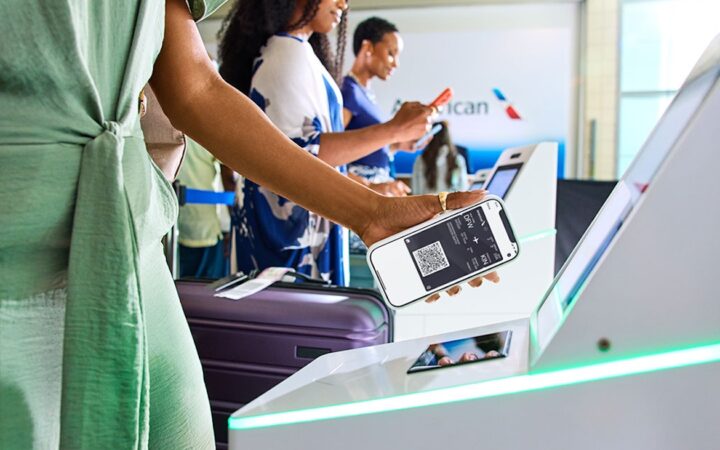
Airport movement is another focus. More than 2 million customers have already opted in to TSA PreCheck Touchless ID, which allows eligible AAdvantage members to verify identity at participating security checkpoints without showing a physical ID or boarding pass. The program is now available at all American hub airports and more than 60 locations across the network.
Later next month, eligible customers will be able to opt in during the online check-in process on American’s website, making enrollment easier. The airline is also improving partner-airline check-in on select itineraries, allowing travelers connecting between American and certain global partners to receive boarding passes for all segments through the American app.
The changes come as American continues investing in airport and digital improvements at major hubs such as Dallas Fort Worth. The broader message is clear: the airline wants more of the journey to happen inside its own digital ecosystem. For travelers, that could mean fewer lines, faster recovery when plans change and more confidence before reaching the gate.
Disclaimer: TravelCapybara is an independent media brand owned and operated by NuvexMedia LLC, publishing travel news, destination guides, research, and insights. NuvexMedia LLC may invest in or collaborate with companies across the travel, hospitality, technology, and digital media sectors. These relationships do not influence TravelCapybara’s editorial coverage. While we strive for accuracy, travel requirements, prices, schedules, availability, and local conditions may change without notice. Readers should independently verify information before making travel or purchasing decisions. This content is for informational purposes only and does not constitute professional advice. © 2026 NuvexMedia LLC. All rights reserved.