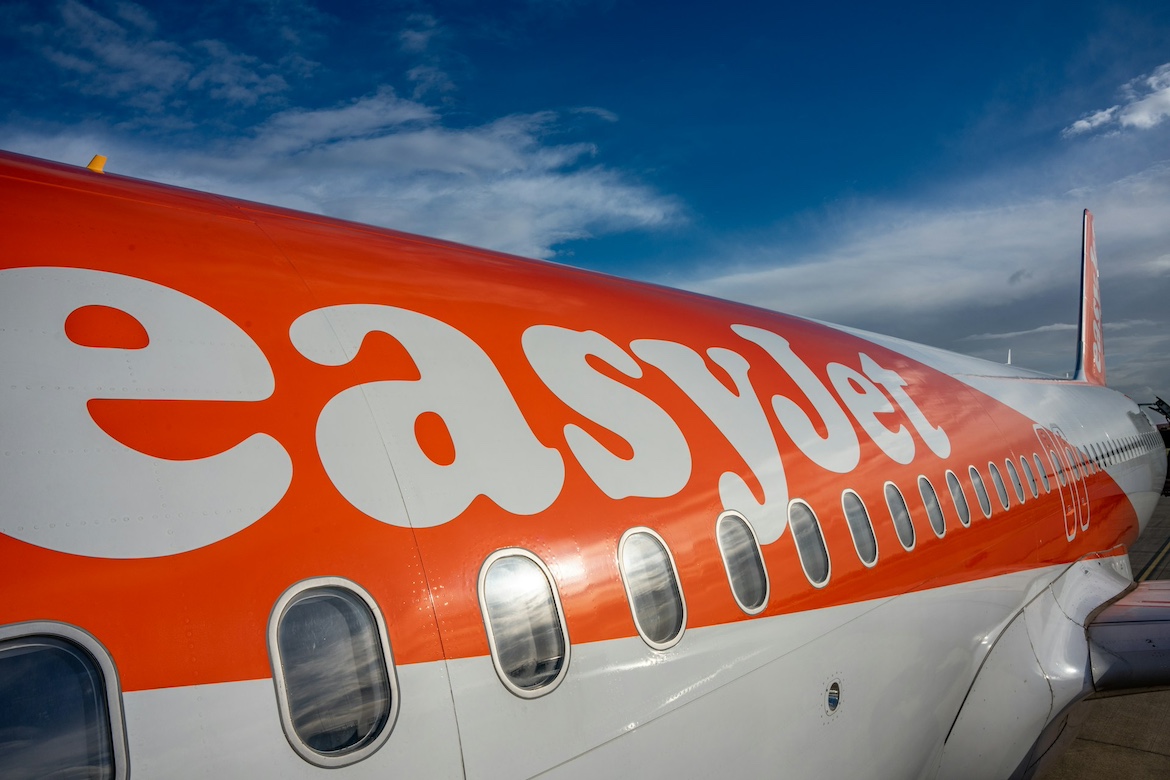
easyJet Accepts £5.7 Billion Apollo Takeover as 30-Year Airline Era Changes
easyJet has agreed to a £5.7 billion takeover by Apollo Global Management, potentially taking one of Europe’s largest low-cost airlines private.

easyJet operates in airlines, airports, and aviation and is known for large-scale low-cost short-haul aviation across Europe.
easyJet is a publicly traded company active in airlines, airports, and aviation. Headquartered in Luton, United Kingdom, the organization is best known for large-scale low-cost short-haul aviation across Europe. Its business connects travelers, suppliers, corporate customers, destination partners, or public authorities according to the structure of the market in which it operates. The easyJet name is associated with a defined operating model rather than a general travel label, and its commercial position reflects the reach of its distribution, brands, services, physical network, or technology.
The organization was established in 1995. Its current leadership is headed by Kenton Jarvis. The company developed during a period in which travel demand, transport capacity, accommodation supply, and consumer distribution changed substantially. Expansion has come through a mixture of organic growth, geographic development, new products, technology investment, partnerships, acquisitions, or brand extensions. The balance among those methods differs by company, but each has required management to integrate commercial priorities with the practical delivery of travel or hospitality services.
easyJet’s principal activities center on large-scale low-cost short-haul aviation across Europe. Its wider operating field includes passenger flights, airport services, loyalty programs, cargo capacity, and travel partnerships. Those activities often require coordination among inventory, capacity, pricing, customer identity, payments, fulfillment, support, and supplier relations. For businesses with physical locations or transport assets, service quality also depends on property, fleet, maintenance, safety, staffing, and local operating discipline. For digital businesses, the equivalent priorities include data accuracy, platform reliability, secure transactions, and consistent partner connectivity.
The business earns income through passenger fares, airport or aviation charges, cargo, loyalty activity, ancillary services, and partnerships. Revenue recognition and margin therefore depend on the role the company plays in a transaction. An operator may retain the full selling price while carrying the direct cost of service; an intermediary may record a commission or merchant margin; a software company may combine subscriptions with transaction charges; and a destination organization may rely on public or industry funding. These distinctions influence reported scale, capital requirements, cash flow, and sensitivity to changes in demand.
Geographic reach is an important part of the company’s competitive position. Travel markets differ in language, currency, regulation, labor conditions, infrastructure, seasonality, consumer protection, and preferred methods of payment. A centralized brand or technology platform can produce consistency and purchasing power, but local execution remains necessary. Companies operating across borders must also manage tax, data protection, accessibility, licensing, safety, and commercial rules that can vary significantly between jurisdictions.
Customers generally encounter easyJet through websites, mobile applications, physical locations, partner channels, travel advisers, corporate systems, or direct operational contact. The mix depends on the product. Search, booking, payment, confirmation, service delivery, disruption handling, and post-purchase support form a connected customer journey even when different organizations control individual stages. A weakness in any one stage can increase service costs and reduce trust, particularly when a traveler is away from home or working within a fixed itinerary.
Competition is based on more than price. Selection, schedule or location, brand recognition, loyalty, reliability, customer service, supplier terms, digital usability, and the ability to respond during disruption all affect purchasing decisions. Large companies may benefit from scale, marketing resources, and broad distribution, while focused competitors can challenge them with specialist inventory, local knowledge, simpler products, or lower operating costs. Maintaining differentiation becomes harder when search tools make offers easier to compare.
The organization is exposed to the wider risks of the travel economy. Economic cycles, fuel and energy costs, weather, geopolitical events, public-health restrictions, labor availability, cybersecurity, privacy obligations, and supplier performance can affect demand or operations. Asset-heavy companies face additional financing and utilization risk, while marketplaces and software providers depend on partner participation and transaction volume. Regulatory investigations, service failures, or inaccurate information can also weaken customer and commercial relationships.
easyJet’s long-term position depends on disciplined investment and the ability to adapt without undermining its core service. Important priorities commonly include digital distribution, automation, data quality, direct customer relationships, loyalty, operational resilience, and product development. Sustainability requirements are also affecting fleet decisions, buildings, supply chains, reporting, and consumer communications. The financial return from these investments may take time, particularly when implementation must occur across many properties, markets, brands, or legacy systems.
Future development will be shaped by execution under Kenton Jarvis, access to capital or institutional support, and the pace at which traveler behavior changes. Artificial intelligence, connected inventory, alternative payments, mobile commerce, and new retailing systems are altering how travel products are discovered and sold. The company must decide where technology improves efficiency or relevance and where human judgment remains essential. Its ability to combine reliable operations with commercially useful innovation will influence market share, partner confidence, and financial performance over time.
large-scale low-cost short-haul aviation across Europe
Web, mobile, partner, data, and operational systems
passenger fares, airport or aviation charges, cargo, loyalty activity, ancillary services, and partnerships
easyJet has agreed to a £5.7 billion takeover by Apollo Global Management, potentially taking one of Europe’s largest low-cost airlines private.
easyJet cabin crew unions in France have issued a strike notice covering August 7 through September 2. Industrial action could be announced with as little as 48 hours’ notice as unions push…
Ryanair’s quarterly profit fell 34 percent as weaker consumer confidence pushed fares lower while jet fuel costs climbed. The airline is withholding full-year guidance as it waits to assess late-summer bookings.
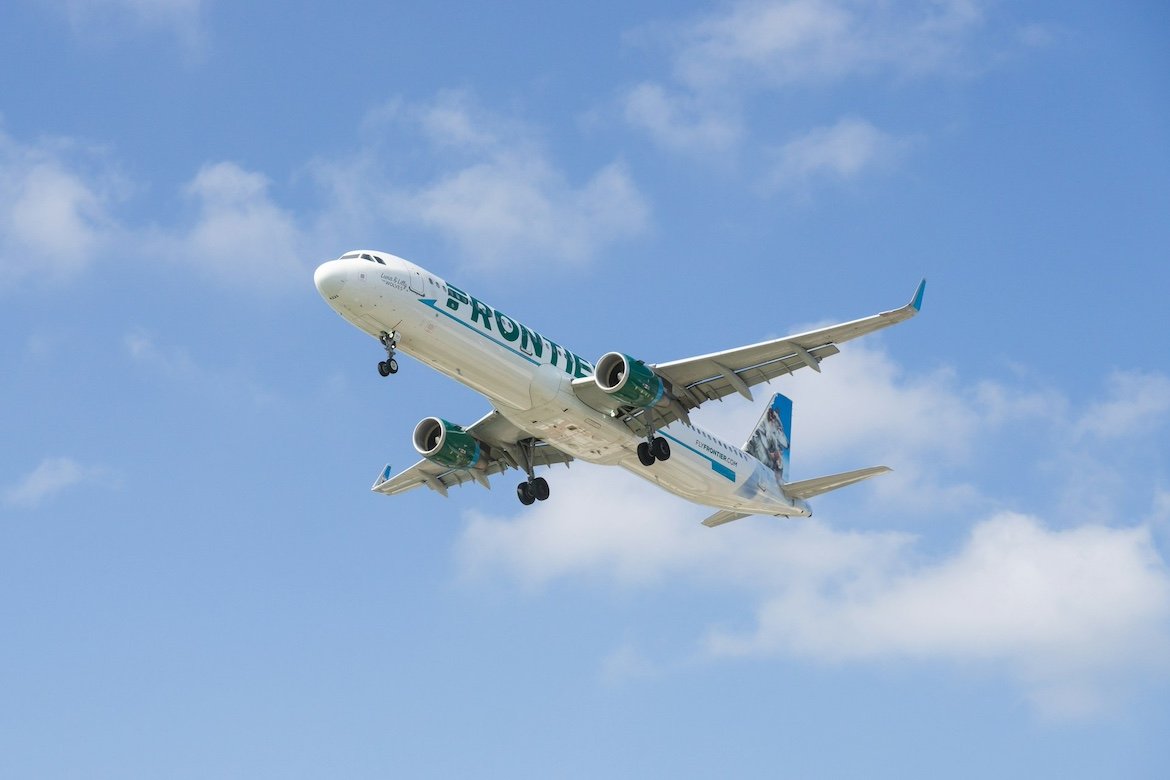
Frontier Airlines will add Starlink Wi-Fi from early 2027, joining a wider push by budget carriers to offer more premium inflight services.
easyJet has agreed in principle to a £5.2 billion takeover proposal from Castlelake after months of rejected bids. The non-binding agreement moves the process forward, but regulatory and shareholder hurdles still stand…
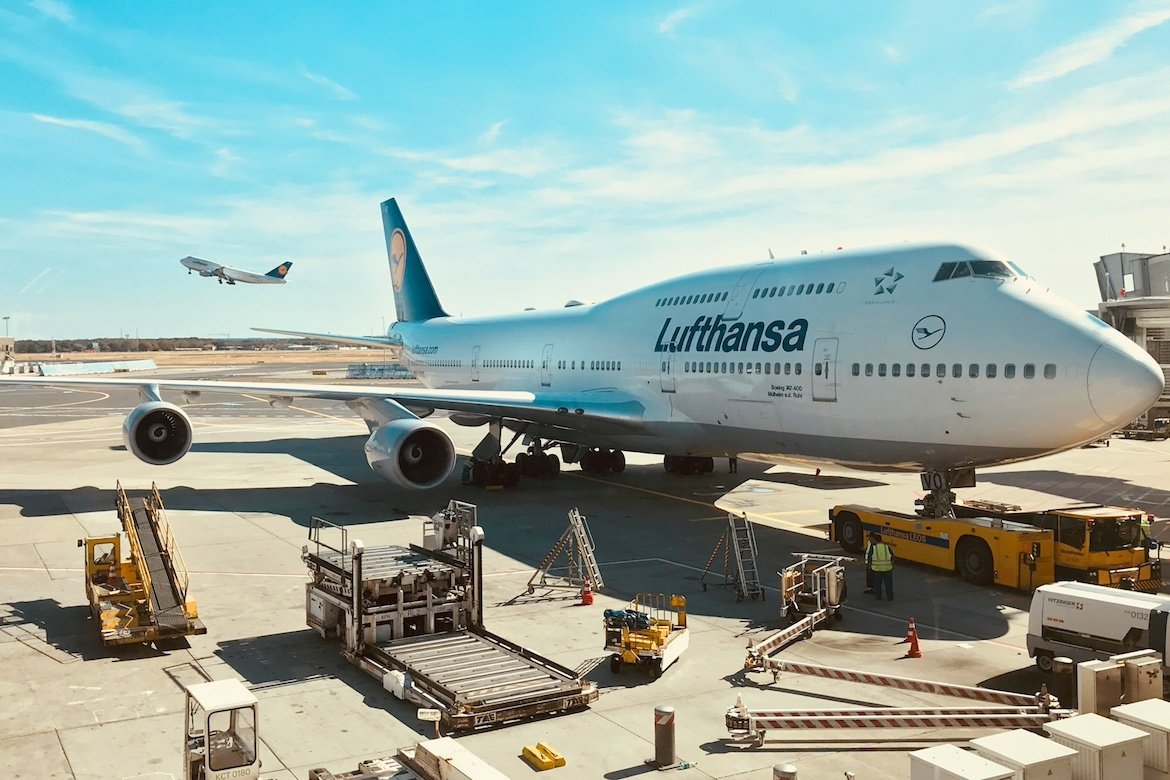
European airlines are cutting flights and grounding aircraft as soaring jet fuel costs linked to the Iran conflict reshape schedules ahead of the summer travel season.
EasyJet shares fell after the airline warned that higher fuel costs and Middle East tensions are weighing on its forward outlook. The update points to a tougher balance between preserving demand and…
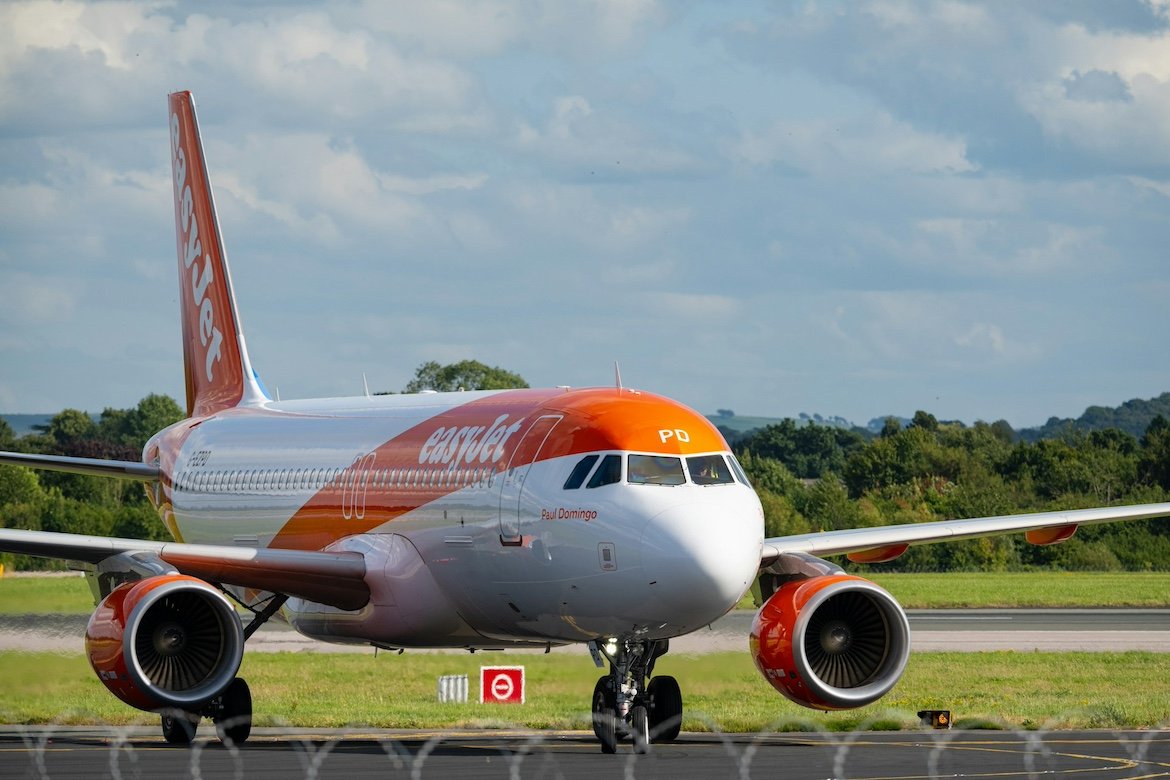
easyJet opens a new base in Newcastle while investing in fleet efficiency and next-generation seats to support growth and sustainability.
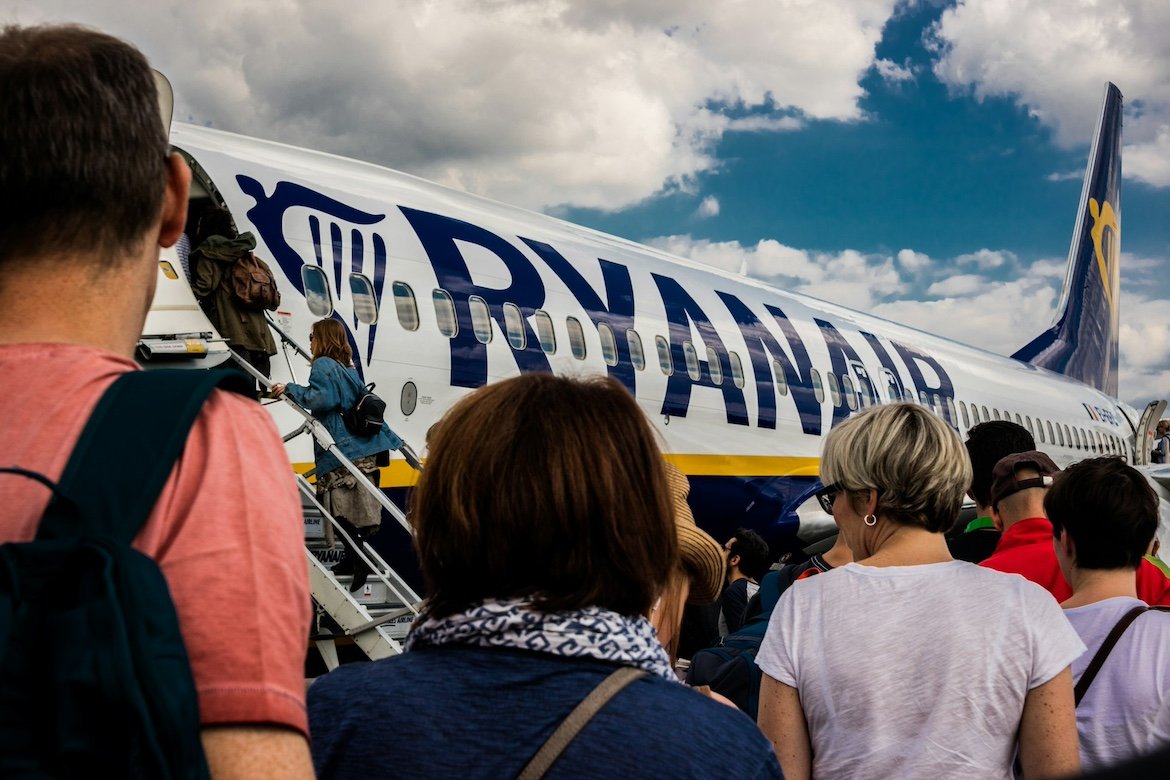
A new UK passenger survey ranks Ryanair and Wizz Air among the worst short-haul airlines, highlighting growing frustration over add-on fees and onboard comfort.

A new global analysis reveals which airlines kept passengers waiting the longest in 2025, with delays adding up to years of lost time worldwide.