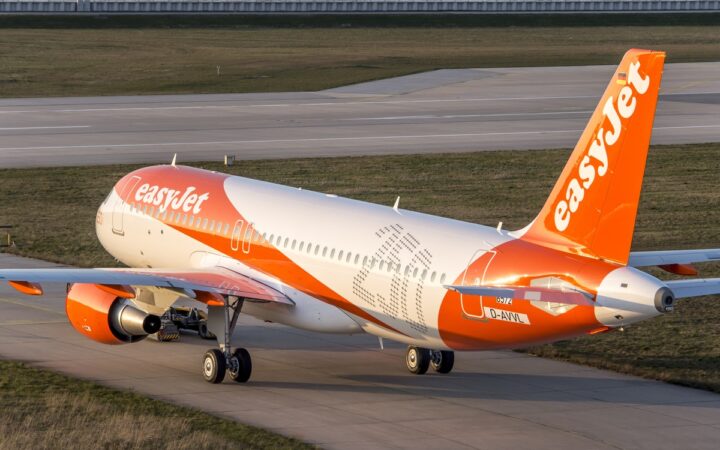
easyJet has agreed in principle to a £5.2 billion takeover proposal from U.S. investment firm Castlelake, marking a notable shift after months of resistance from the airline’s board. The latest proposal values the company at 690 pence per share in cash, a level the board said it would be prepared to recommend if a formal offer is submitted. Castlelake must now decide whether to convert the non-binding agreement into a firm bid before the regulatory deadline in early August.
The development follows four earlier offers that easyJet rejected as too low. Castlelake gradually increased its approach from earlier bids in the 560 pence to 650 pence range before reaching the current level. That progression matters because it shows the board was not simply open to a deal at any price, but was waiting for an offer it believed better reflected the airline’s scale and market position. If completed, the transaction would take one of Europe’s largest low-cost carriers private, making it one of the more significant airline buyouts in recent years.
The central challenge now is regulatory structure. Because easyJet must comply with European Union airline ownership and control rules, Castlelake cannot simply acquire the company through a straightforward U.S.-controlled vehicle. The proposed structure is expected to rely on majority EU control within the acquisition entity, with former easyJet executive Peter Bellew reportedly set to play an important role. That requirement helps explain why investors remain cautious, with the share price still trading below the proposed offer level.
The timing is also important. European airlines are dealing with higher fuel costs, geopolitical disruption, and uneven margin pressure, even where travel demand remains relatively resilient. Against that backdrop, private capital may see listed airlines as undervalued relative to their long-term strategic assets, particularly brand strength, slots, and fleet scale. For easyJet, the proposed transaction raises immediate questions about governance and ownership, but for the wider sector it may also signal that more private equity interest could emerge if public market valuations stay under pressure.
Disclaimer: TravelCapybara is an independent media brand owned and operated by NuvexMedia LLC, publishing travel news, destination guides, research, and insights. NuvexMedia LLC may invest in or collaborate with companies across the travel, hospitality, technology, and digital media sectors. These relationships do not influence TravelCapybara’s editorial coverage. While we strive for accuracy, travel requirements, prices, schedules, availability, and local conditions may change without notice. Readers should independently verify information before making travel or purchasing decisions. This content is for informational purposes only and does not constitute professional advice. © 2026 NuvexMedia LLC. All rights reserved.