Europe’s aviation sector is moving from concern to action as the jet fuel shock tied to the Middle East conflict begins to hit airline schedules in a visible way. What started as a cost problem is now becoming an operational one, with major carriers trimming flights, accelerating fleet retirements, and preparing for a more difficult summer if energy supplies do not stabilize.
The immediate issue is not yet a full physical shortage across Europe, but the combination of sharply higher kerosene prices, fears over future availability, and mounting pressure on already thin margins is forcing airlines to cut where they can.
The latest moves show how quickly the situation is changing. Airlines are not waiting for tanks to run dry. Instead, they are pulling back on less profitable flying now, trying to reduce fuel exposure before the crisis deepens. That strategy may help preserve cash in the near term, but it also points to a summer season that could bring higher fares, tighter schedules, and less flexibility for travelers across Europe.
Lufthansa and KLM Start Trimming Capacity
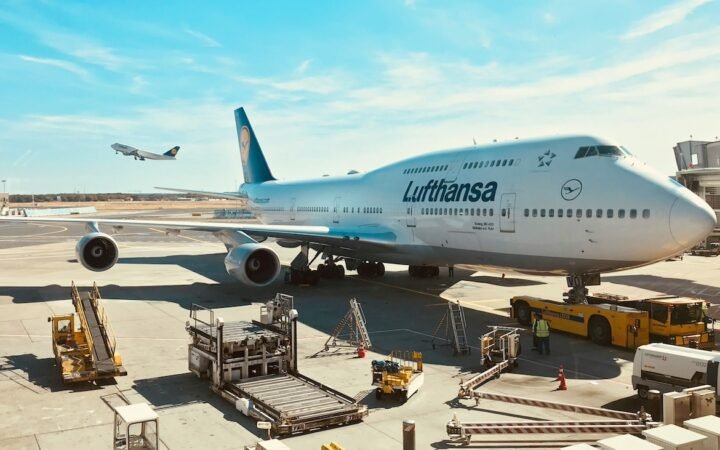
Lufthansa has taken one of the most aggressive steps so far, announcing the early retirement of the entire 27-plane fleet of its CityLine subsidiary. The group had already planned to phase out those aircraft, but the fuel crisis has accelerated the move. Lufthansa is also withdrawing older long-haul aircraft later this year and reducing additional capacity in its winter 2026-2027 schedule, bringing its overall fleet reduction to 38 planes.
KLM has also started cutting back, saying it will operate fewer return flights from Amsterdam Schiphol in May. The reductions are focused on routes with multiple daily frequencies, including major European city pairs where passengers can more easily be moved to other departures. The cuts represent a small share of KLM’s total schedule, but they are significant because they show even large network carriers are no longer treating the fuel crisis as a temporary market fluctuation.
These decisions reflect a broader calculation now spreading across the industry. Airlines with heavy hedging programs are somewhat protected, but not fully insulated. Those with weaker protection are more exposed and have fewer tools available beyond fare hikes, schedule cuts, or financial support.
Rising Costs Spread Pressure Across the Industry
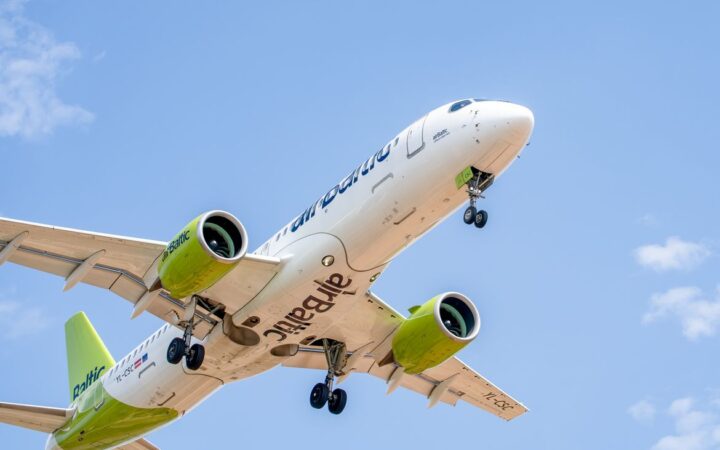
The fuel spike is hitting low-cost and financially weaker airlines especially hard. EasyJet has already warned that higher fuel expenses are deepening its losses, while airBaltic required government-backed support as liquidity concerns intensified. In that sense, the crisis is becoming a stress test for Europe’s airline business models, separating carriers with stronger balance sheets and better hedging from those with less room to absorb shocks.
Warnings from energy and airport officials have added urgency. Estimates suggesting Europe may have only several weeks of jet fuel supply left have raised the risk that what is now mostly a pricing crisis could eventually turn into a more direct supply problem. Even where airlines insist there is no immediate shortage, the market is behaving as though tighter conditions are coming.
For travelers, the message is becoming clearer. Airlines are protecting profitability by trimming marginal routes and grounding older aircraft, and that means fewer choices and potentially more expensive tickets. If the Strait of Hormuz disruption continues, Europe’s aviation market may face a difficult stretch in which schedule reliability, capacity, and affordability all come under renewed pressure.
Disclaimer: TravelCapybara is an independent media brand owned and operated by NuvexMedia LLC, publishing travel news, destination guides, research, and insights. NuvexMedia LLC may invest in or collaborate with companies across the travel, hospitality, technology, and digital media sectors. These relationships do not influence TravelCapybara’s editorial coverage. While we strive for accuracy, travel requirements, prices, schedules, availability, and local conditions may change without notice. Readers should independently verify information before making travel or purchasing decisions. This content is for informational purposes only and does not constitute professional advice. © 2026 NuvexMedia LLC. All rights reserved.