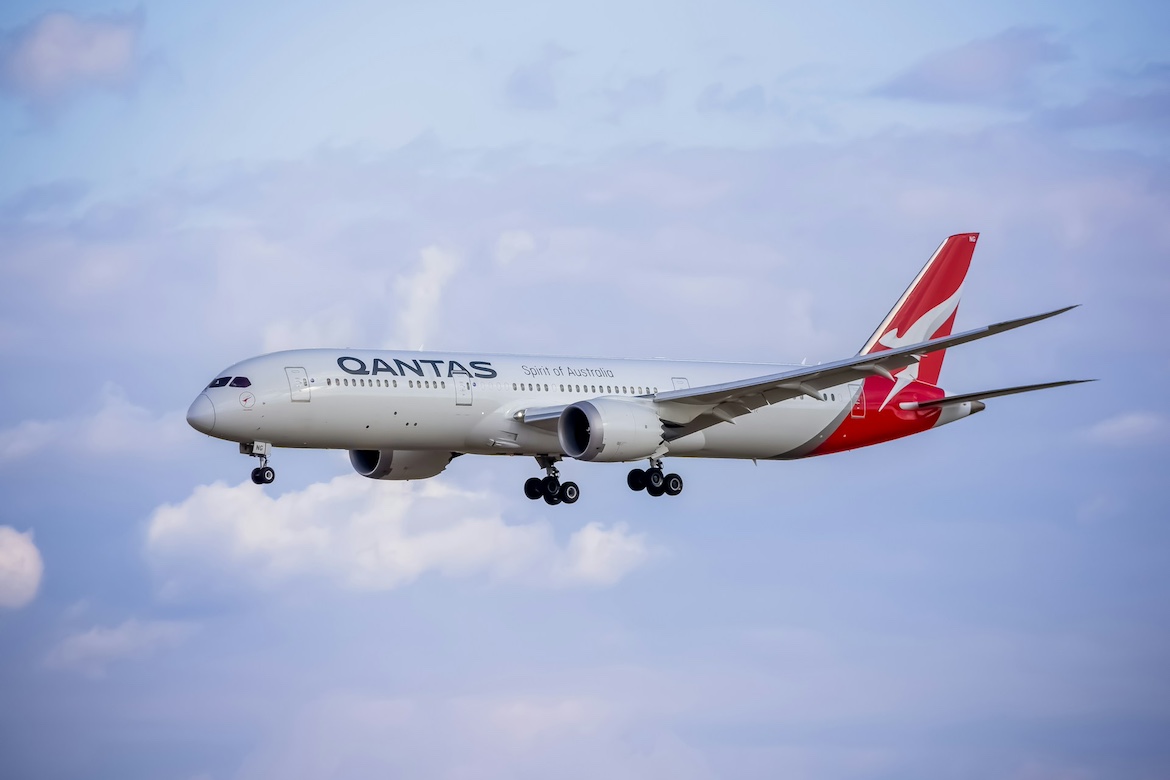
Qantas A350 Flies 24 Hours Nonstop as Project Sunrise Nears World’s Longest Route
A Qantas Airbus A350-1000ULR completed a 24-hour nonstop test flight from Melbourne to Toulouse, bringing Project Sunrise closer to commercial service.

Qantas is Australia’s flag carrier and a global airline group operating passenger, freight, loyalty, and low-cost travel businesses.
Qantas is Australia’s flag carrier and a global airline group operating passenger, freight, loyalty, and low-cost travel businesses. Based in Mascot, New South Wales, Australia, it belongs to the airlines and aviation sector. The company’s role is best understood through the complete system around its customer offer: the brand, distribution, operations, technology, partners, and support processes that turn a travel need into a usable service.
The company’s development provides context for its present position. Created in the Queensland outback in 1920, the airline grew from short regional services into Australia’s best-known international aviation brand. Its name originated as an abbreviation of Queensland and Northern Territory Aerial Services. That history matters because established distribution, operating knowledge, supplier relationships, and customer habits do not appear overnight. At the same time, the organization has had to adapt its original proposition to digital channels, changing traveler expectations, new competitors, and a travel economy that can shift quickly when confidence, capacity, regulation, or technology changes.
Today, its principal products and services include Domestic and international flights, regional aviation, air freight, loyalty programs, airport lounges, holiday packages. The group combines a premium full-service airline with the Jetstar low-cost network, regional flying through QantasLink, freight capacity, and one of Australia’s largest loyalty ecosystems. These offerings are not isolated items: they share customer identity, marketing, payments, inventory, service, and data. The breadth of the portfolio can make the company relevant at several points in a journey, although availability and specific terms vary by market. Travelers should always review the current product page and conditions before buying or relying on a service.
The organization serves a multi-sided customer base. Leisure travelers, corporate customers, regional communities, exporters, and frequent flyers use different parts of the group, while airline and retail partners participate in its loyalty network. This mix shapes product decisions because the needs of the traveler are only one part of a successful travel platform or operator. Suppliers, employees, regulators, distribution partners, local communities, and financial partners also influence whether the service is available, reliable, fairly priced, and sustainable over time. Balancing those groups is a recurring management task rather than a one-time product decision.
Its revenue model is based on passenger fares, freight, loyalty partnerships, ancillary services, holiday packages, and partner commissions. This mix reduces dependence on a single route or customer group, although passenger demand, fuel costs, fleet availability, and currency movements remain important earnings drivers. For readers comparing companies, the revenue model explains important behavior: who pays, when revenue is recognized, whether the company owns physical capacity, how much transaction risk it carries, and whether growth depends mainly on volume, price, subscriptions, advertising, or long-term partner contracts. Those distinctions can make two companies in the same vertical economically very different.
At an operating level, Qantas connects Australian cities with major destinations in Asia, the Americas, Europe, the Pacific, and Africa, supported by domestic hubs and a large regional network. Scale can improve selection, coverage, brand awareness, purchasing power, and the amount of data available for planning. It can also raise the cost of coordination. Local rules, currencies, languages, consumer protections, accessibility requirements, taxes, and service expectations must be handled consistently without ignoring the characteristics of each destination. The quality of that execution is often more important to travelers than the company’s headline size.
Technology is part of the operating model rather than a separate feature. Digital booking, disruption management, check-in, operational planning, revenue management, and loyalty personalization all shape the customer journey before, during, and after a flight. The company’s platform and tools include Qantas website and mobile app, digital check-in, Frequent Flyer platform, partner distribution systems. These systems must remain available during demand spikes and disruptions, protect personal and payment data, communicate changes clearly, and give employees or partners enough context to solve exceptions. Automation creates the most value when it removes repetitive work while preserving a practical path to human support.
Within Airlines & Airports, the company occupies a recognizable competitive position. Its strongest differentiators are brand recognition in Australia, valuable airport slots, a broad domestic network, premium long-haul capability, and the reach of Qantas Frequent Flyer. Competitors may challenge it through lower prices, specialized inventory, stronger local knowledge, a different ownership model, more flexible technology, or better service. The company therefore has to defend both sides of its proposition: a reason for customers to return and a reason for suppliers or partners to keep participating on attractive terms.
From the traveler’s perspective, the service should be evaluated as part of the whole trip. The airline’s usefulness is not limited to the aircraft seat: lounges, status benefits, partner points, connections, baggage services, and customer support influence the complete trip. A smooth purchase can still lead to a poor outcome if the underlying conditions are unclear or support is difficult to reach. Conversely, transparent information and effective disruption handling can create loyalty even when travel does not go to plan. Reviews, official notices, accessibility details, and current cancellation policies are useful checks before commitment.
Like every large travel business, Qantas faces structural and day-to-day risks. The company must manage safety, regulation, labor relations, fleet renewal, weather disruption, geopolitical events, and intense competition while maintaining customer trust and reliable operations. Travel demand is exposed to economic cycles and unexpected events, while reputation can change rapidly when service failures spread through social and review platforms. Long-term resilience depends on financial discipline, secure technology, capable people, dependable partners, regulatory engagement, and honest communication with customers when operations are under pressure.
Looking ahead, Fleet modernization and ultra-long-haul flying are central to its next phase, alongside improvements to digital service, operational resilience, sustainability, and the economics of the group’s domestic and international networks. The strongest opportunity is to use the organization’s existing reach and knowledge to make travel simpler without obscuring price, responsibility, or choice. This profile should be read as an editorial company overview rather than a promise of current availability or investment advice. Leadership, employee counts, products, market values, and policies can change, so the official links remain the appropriate source for live booking, support, and corporate information.
Passenger aviation, network connectivity, premium long-haul travel, loyalty, freight, and low-cost air travel
Qantas website and mobile app, digital check-in, Frequent Flyer platform, partner distribution systems
Passenger fares, freight, loyalty partnerships, ancillary services, holiday packages, and partner commissions
A Qantas Airbus A350-1000ULR completed a 24-hour nonstop test flight from Melbourne to Toulouse, bringing Project Sunrise closer to commercial service.
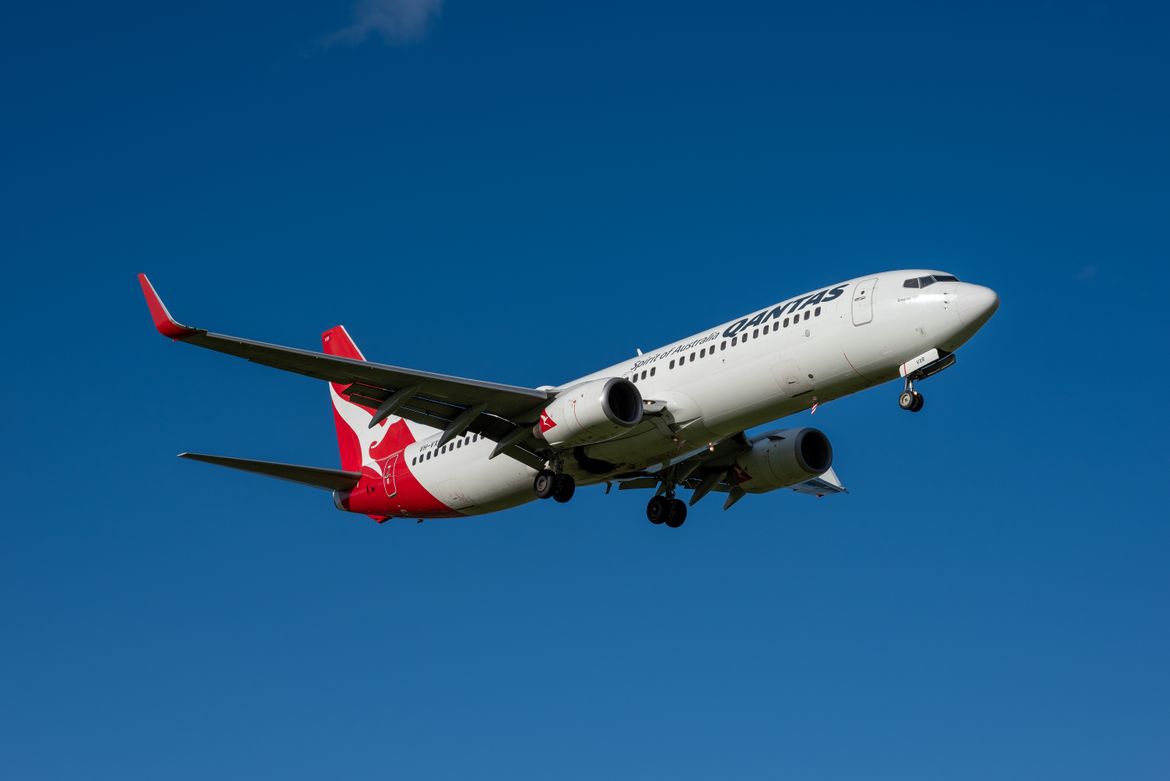
Qantas completed a 19-hour Airbus A350-1000ULR test flight from Toulouse to Melbourne, moving Project Sunrise closer to launch.
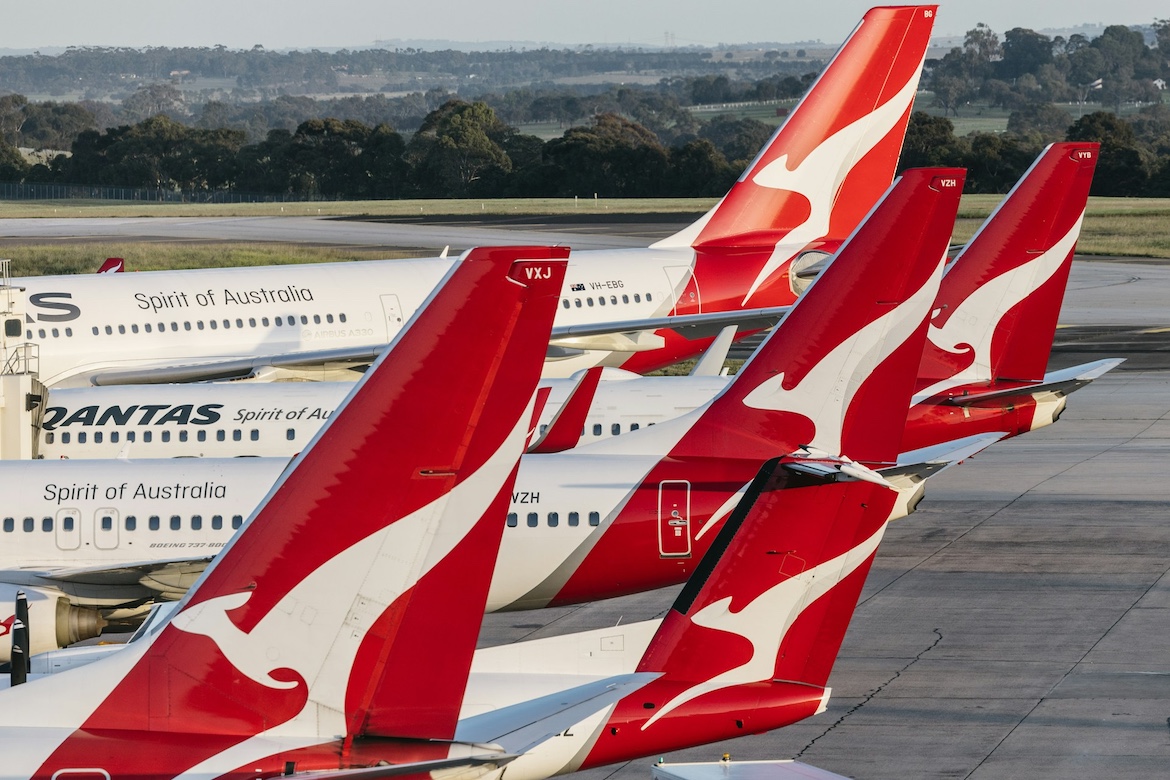
Qantas has named Sydney-London as the first Project Sunrise route, setting up what is expected to become the world’s longest nonstop passenger flight.
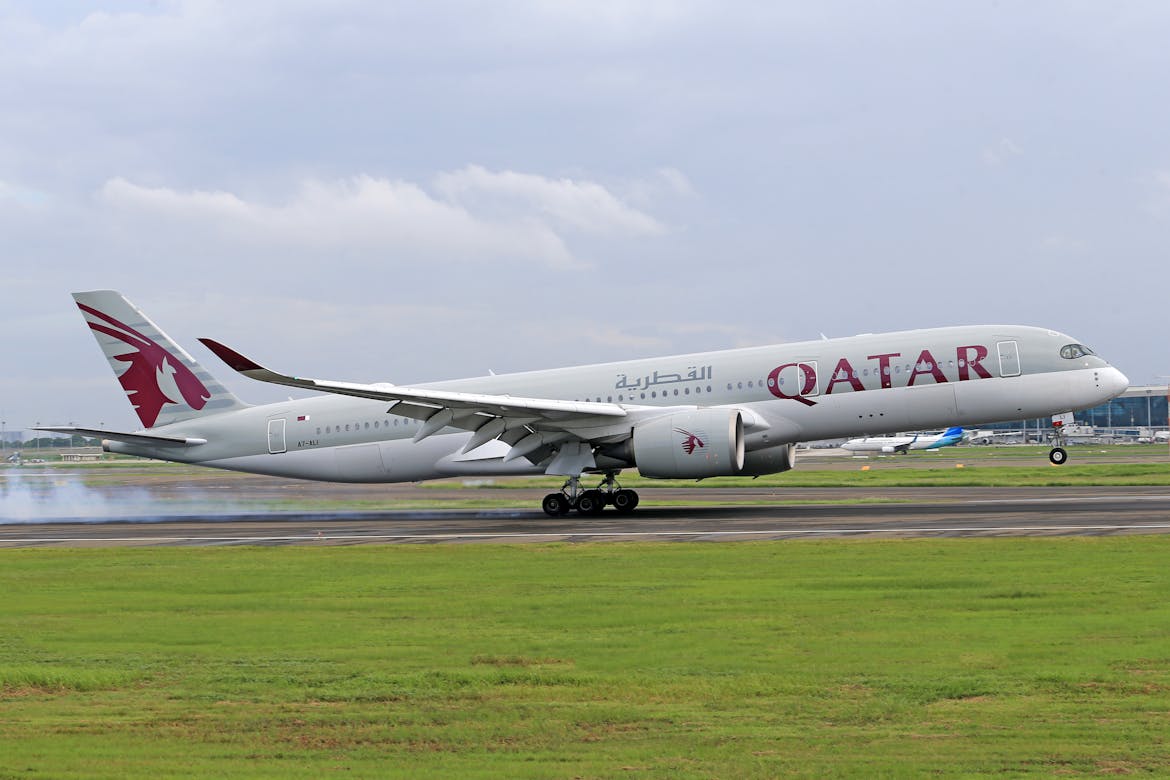
Airlines across Europe, Asia, North America, and the Gulf are suspending routes, trimming capacity, and raising fees as Middle East disruption and fuel costs reshape summer travel.
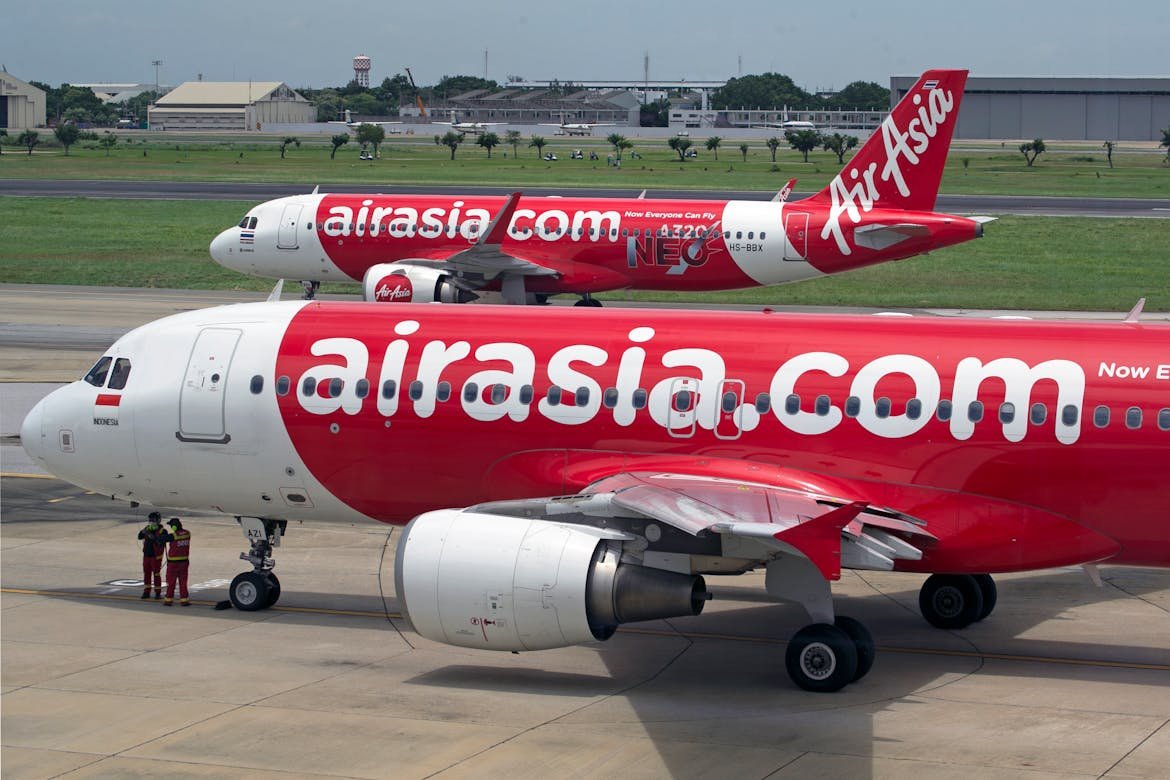
Airlines are raising fares, adding surcharges, and cutting flights as the Middle East conflict drives a sharp rise in jet fuel costs. The pressure is now spreading from airline balance sheets to…
Qantas is set to sell its entire stake in Jetstar Japan, marking another step in the airline’s strategy to refocus on its core Australian brands.
Iberia has disclosed a cyberattack on one of its technology contractors, exposing customer names, emails, and loyalty numbers but not financial data.
Singapore and China are powering New Zealand’s tourism rebound, with Christchurch Airport gearing up for its busiest summer ever amid new routes, increased capacity, and record visitor arrivals.

Qantas Airways has confirmed that a cyberattack exposed data from nearly six million customers, marking one of Australia’s largest security incidents in recent years.