Ryanair reported a 34 percent decline in after-tax profit for the three months through June as the war in the Middle East weakened consumer confidence and increased fuel expenses. Profit fell to €538 million, missing analyst expectations of €579 million. Average fares declined 6 percent as the airline used lower prices to stimulate demand, while operating costs rose 11 percent, largely because the price of Ryanair’s unhedged fuel more than doubled.
Chief executive Michael O’Leary said travelers had shown greater hesitation because of economic uncertainty, concerns about possible European jet fuel shortages, and a shift toward later booking patterns. Ryanair said fares in the current quarter remained modestly lower despite a recent improvement in reservations. The airline declined to provide full-year guidance for the period ending March 2027 because results will depend heavily on late bookings during August and September.
Ryanair has hedged 80 percent of its fuel needs through March at approximately $67 per barrel, providing some protection as oil prices rise. Chief financial officer Neil Sorohan said suppliers remained confident about fuel availability and argued that travelers should not delay bookings because of supply concerns. Even so, higher fuel costs and a strong U.S. dollar are expected to remain major pressures across the European airline industry.
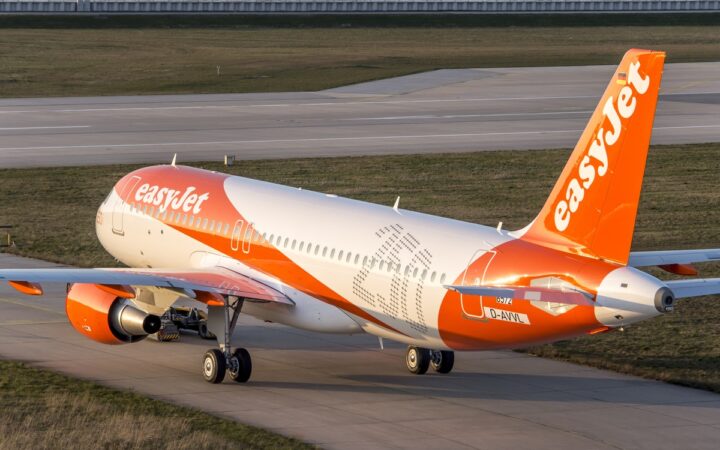
The carrier also sees a possible competitive advantage if consolidation or financial pressure causes other European airlines to limit capacity. Rival easyJet is preparing to go private following a takeover agreement with U.S. investment group Apollo, while weaker carriers may struggle through a winter of elevated fuel prices. For Ryanair, the immediate challenge is balancing fare stimulation with the need to protect margins as operating costs rise.
Disclaimer: TravelCapybara is an independent media brand owned and operated by NuvexMedia LLC, publishing travel news, destination guides, research, and insights. NuvexMedia LLC may invest in or collaborate with companies across the travel, hospitality, technology, and digital media sectors. These relationships do not influence TravelCapybara’s editorial coverage. While we strive for accuracy, travel requirements, prices, schedules, availability, and local conditions may change without notice. Readers should independently verify information before making travel or purchasing decisions. This content is for informational purposes only and does not constitute professional advice. © 2026 NuvexMedia LLC. All rights reserved.