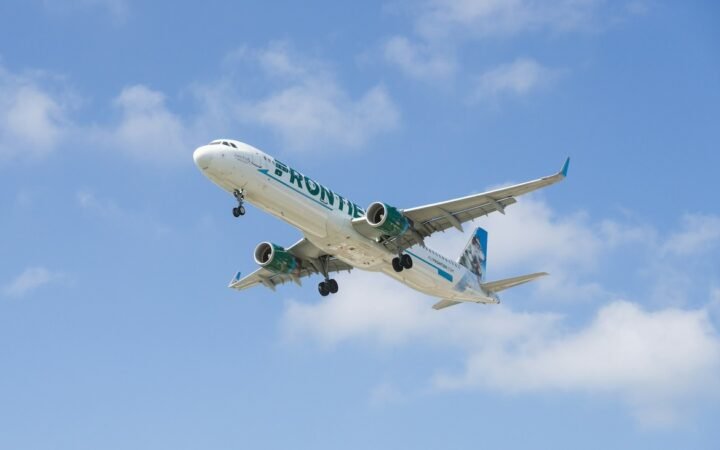
Frontier Airlines is preparing to add inflight Wi-Fi through SpaceX’s Starlink, marking a major shift for one of the last large U.S. carriers without onboard internet. The Denver-based airline plans to begin installing Starlink across its fleet in early 2027, with its first equipped Airbus aircraft expected to roll out that year.
The deal makes Frontier the first ultra-low-cost U.S. carrier to sign on with Starlink, moving the airline into a fast-growing connectivity race already reshaping the passenger experience. Starlink has signed agreements with more than 40 airlines worldwide, including major U.S. carriers such as United Airlines and American Airlines.
For Frontier, the move is especially notable because the airline has long built its model around low fares and fewer included amenities. Former leadership had previously expressed caution about adding Wi-Fi because of equipment weight and cost. Now, the airline is moving in the opposite direction, investing in a product many travelers increasingly expect as standard.
Frontier has not said whether passengers will be able to use the Starlink service for free. Several major airlines that have announced Starlink deals have positioned complimentary Wi-Fi as a loyalty program benefit, giving members another reason to join or stay engaged. Frontier’s decision on pricing could determine whether the service becomes a true competitive advantage or another paid add-on.
The rollout is part of a larger Starlink agreement involving five budget carriers connected to Indigo Partners, the private equity firm led by airline investor Bill Franke. Frontier, Mexico’s Volaris, European budget carrier Wizz, Chile’s JetSmart and the Philippines’ Cebu Pacific are expected to install Starlink on more than 1,000 aircraft combined.
That scale matters because it suggests satellite Wi-Fi is no longer just a premium airline feature. Low-cost carriers are beginning to see connectivity as part of the basic competitive landscape, even if the economics remain complicated. Installing Starlink can require significant investment, potentially running into hundreds of millions of dollars for large fleets.
The timing also fits Frontier’s broader effort to move slightly upmarket. The carrier has already announced plans for first-class seating and made loyalty program changes aimed at attracting higher-spending customers. Adding fast satellite Wi-Fi gives Frontier another tool as budget airlines face pressure from larger rivals that are growing revenue through premium cabins, upgraded services and stronger loyalty ecosystems.
Not every low-cost airline is convinced. Ryanair and easyJet have both raised questions about the cost of inflight connectivity and whether premium products can generate enough return for budget carriers. That debate is likely to intensify as more airlines weigh the expense of better internet against passenger expectations.
Starlink’s advantage is its low-Earth-orbit satellite network, which can generally deliver faster speeds and lower latency than older geostationary satellite systems. For travelers, that could mean a more reliable connection for messaging, browsing, streaming or working in flight.
Frontier’s move shows how quickly the definition of a no-frills airline is changing. Low fares still matter, but travelers increasingly want basic digital convenience in the air. By adding Starlink, Frontier is betting that even budget flyers now expect to stay connected.
Disclaimer: TravelCapybara is an independent media brand owned and operated by NuvexMedia LLC, publishing travel news, destination guides, research, and insights. NuvexMedia LLC may invest in or collaborate with companies across the travel, hospitality, technology, and digital media sectors. These relationships do not influence TravelCapybara’s editorial coverage. While we strive for accuracy, travel requirements, prices, schedules, availability, and local conditions may change without notice. Readers should independently verify information before making travel or purchasing decisions. This content is for informational purposes only and does not constitute professional advice. © 2026 NuvexMedia LLC. All rights reserved.