Plan four days in Washington, DC with the National Mall, free museums, Capitol Hill and Georgetown, plus timed-ticket tips, hotels and airport connections.
Washington, DC is a city you can enjoy without buying an attraction pass. Spend a morning among the memorials, step into a museum when the weather turns, then leave the government buildings behind for a market lunch or a walk beside the Potomac. The capital’s famous sights are a strong beginning, but its neighbourhoods make a longer stay worthwhile.
This Washington, DC travel guide builds a first visit around four days: the National Mall, a carefully chosen museum day, Capitol Hill and Georgetown. There is room for art, food and an evening out, along with the practical details that matter here: free timed-entry passes, security queues, long walking distances and choosing the right airport connection.
Washington, DC at a Glance
- How long to stay: four full days for the main sights and two neighbourhood outings; three days if you are selective about museums.
- Best base: downtown or Penn Quarter for sightseeing, Dupont Circle for a neighbourhood stay with Metro access.
- Getting around: Metro and walking, with a bus or taxi useful for Georgetown and tired feet.
- Book first: any museum that requires a timed pass, a Capitol tour and the Library of Congress if they are priorities.
- Leave space for: an unhurried memorial visit, a meal away from the Mall and a change of plan when the weather shifts.
Getting Your Bearings
The National Mall forms the core of a first visit. The Capitol is at its eastern end, the Washington Monument rises farther west and the Lincoln Memorial faces the Reflecting Pool beyond it. The Smithsonian museums sit along the central section, while the Tidal Basin and its memorials take you south of the main east–west route.
The map can make this look like one convenient cluster. On foot, it is a substantial area, with large lawns, broad roads and lengthy museum visits between stops. Divide it into sections instead of attempting the whole sweep in one day. Downtown and Penn Quarter lie north of the Mall; Capitol Hill extends east of the Capitol, while Georgetown is a separate outing to the northwest.
Must See in Washington, DC
The capital rewards a mix of large public spaces and smaller, focused visits. Start with the places that interest you most, then use the neighbourhoods to give each day a different character. A memorable trip might include only two major museums, with plenty of time spent outside their doors.
The National Mall and Lincoln Memorial
Begin with the western part of the National Mall. The view between the Lincoln Memorial and Washington Monument gives you the scale of the capital immediately. The Vietnam Veterans Memorial, Korean War Veterans Memorial and World War II Memorial are nearby, each calling for a different pace and a little quiet attention.
Choose a manageable loop and pause at the places you came to see. Early morning and the evening can be rewarding, with a different light and atmosphere from the middle of the day. Take water and plan a rest stop; on a hot afternoon, adding another memorial is less appealing than it looked on your hotel-room map.

The Washington Monument
You can enjoy the monument from the grounds without going inside. For the observation level, check the official ticket information before planning around it. Admission is free, but advance online reservations currently carry a $1 service fee per ticket, and limited same-day tickets are available while supplies last.
Reserve if the view is a priority, then allow time for the entry process. Weather and maintenance can affect access, so keep an alternative in mind. There is still plenty to enjoy in the area if you miss a ticket; avoid sacrificing an entire morning to a queue simply because the attraction itself is free.
The Smithsonian Museums
Use the Smithsonian directory to choose by interest and location. Natural History suits visitors drawn to the natural world; American History offers a different route into the country’s past. General admission to the Smithsonian museums in Washington is free, but the National Air and Space Museum on the Mall and the National Museum of African American History and Culture require free timed-entry passes.
Give one museum the main part of your morning. A second can work after lunch if you still have the energy, but it should be a choice rather than an obligation. The Air and Space Museum’s downtown building and its Steven F. Udvar-Hazy Center near Dulles are separate sites. Check the address on your booking so you do not plan a short walk between them.
The National Gallery of Art
The National Gallery is another major free attraction. Its collection gives art lovers good reason to set aside a generous visit, while the buildings and Sculpture Garden can also anchor a shorter stop. It is a separate institution from the Smithsonian, so use its own visitor information when checking exhibitions and opening arrangements.
Choose a collection or exhibition you particularly want to see and build out from there. If you are travelling with someone who prefers a shorter gallery visit, agree on a few rooms and a meeting point. Free entry makes it easier to enjoy a focused hour without feeling you must cover everything to justify the ticket.
The Capitol and Library of Congress
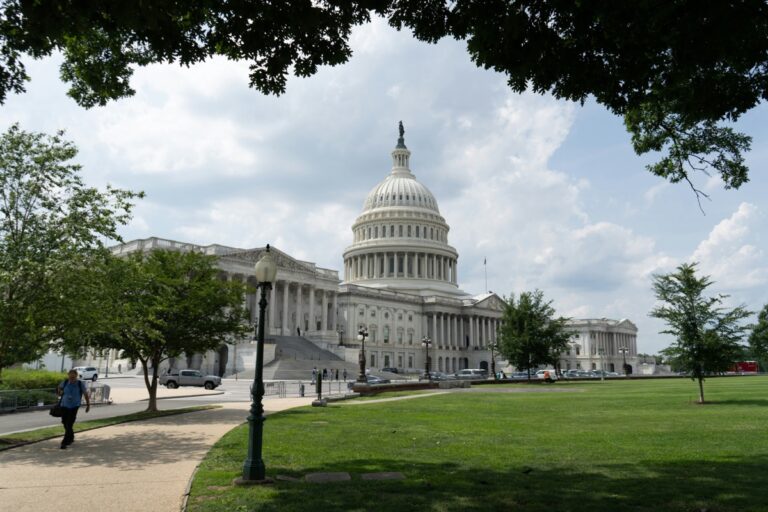
A visit inside the US Capitol requires a guided tour. Tours are free and reservations are recommended; the standard route does not include the House or Senate galleries. Leave time for security and read the prohibited-items guidance before leaving your hotel.
Nearby, the Library of Congress requires a free timed-entry ticket for its Thomas Jefferson Building. Its architecture and exhibitions make it worth considering even if you are not a devoted reader. Visitor access is distinct from researcher access, and the public visiting schedule currently excludes Sunday and Monday. Check the day before arranging both buildings together.

Eastern Market and Capitol Hill
After the official buildings, spend time in the residential streets of Capitol Hill. Eastern Market provides an easy focus: indoor food merchants, with outdoor produce and arts-and-crafts stalls on weekends. The market is closed on Mondays, which matters if it is central to your lunch plan.
Walk a few blocks beyond the market, look at the row houses and choose somewhere to sit. Nearby Barracks Row adds restaurants along 8th Street SE. This is a useful change of rhythm after a morning of booked entry times, and a good place to let lunch become part of the visit rather than a rushed break between institutions.
Georgetown and the Potomac
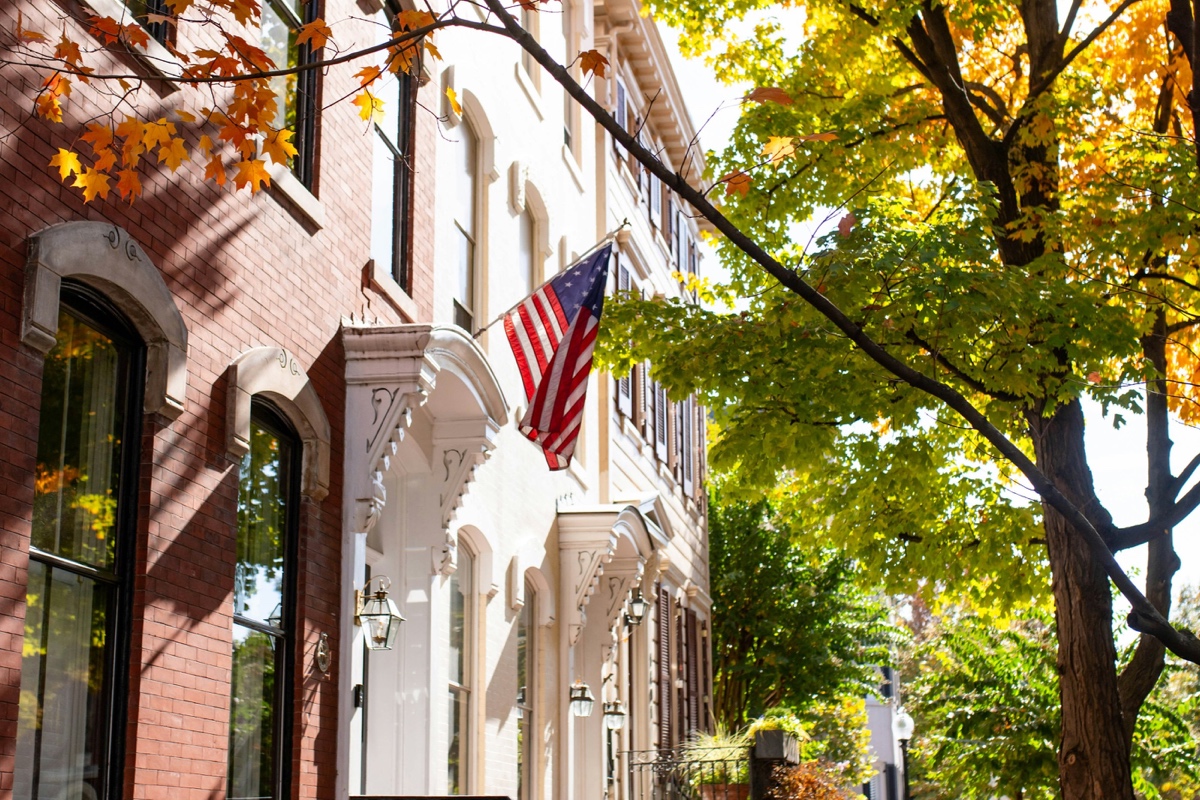
Give Georgetown at least a half-day. M Street and Wisconsin Avenue provide the shopping, but the residential side streets, C&O Canal and waterfront are just as good a reason to come. Build a walk that moves between them instead of staying on the busiest retail blocks.
Have lunch or coffee, take time beside the Potomac and leave the steeper streets for when you feel like climbing. Georgetown has no Metro station in the heart of the neighbourhood; plan the final connection rather than assuming the train will deliver you to M Street. Comfortable shoes help with the uneven surfaces as well as the distance.
The Tidal Basin
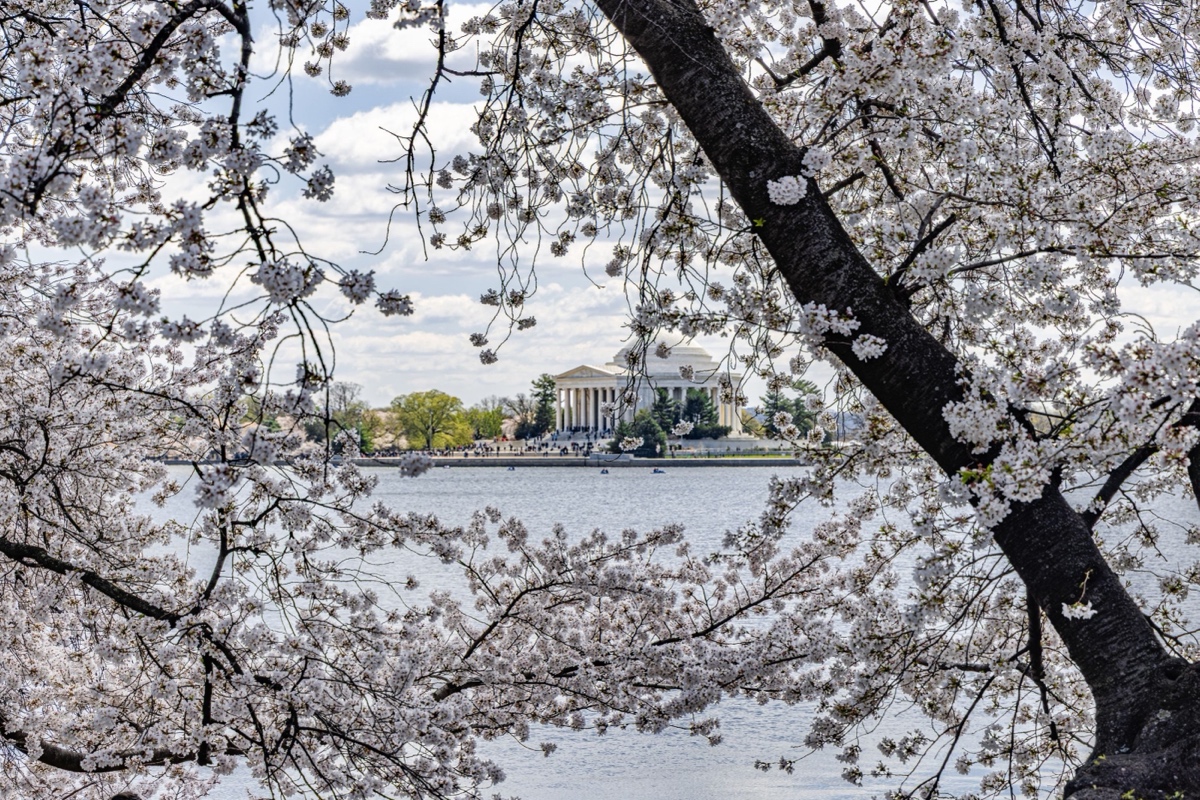
The Tidal Basin brings together the Jefferson, Franklin Delano Roosevelt and Martin Luther King, Jr. memorials around a waterside route. It is best treated as a dedicated walk, especially if you want to read the inscriptions and spend time at each memorial. Add it to the western Mall only if the distance and weather suit you.
Cherry blossoms make spring especially photogenic, but flowering dates vary and crowds can be substantial. Do not build a non-refundable trip around a guessed peak-bloom day. At any time of year, check the National Park Service’s current access information: maintenance and path work can change the route you had in mind.
Dupont Circle and U Street
Dupont Circle offers bookstores, cafés, galleries and a natural place to sit around the central fountain. It is an appealing counterweight to a morning spent in formal exhibition spaces. You can keep the visit simple, or choose a specific museum or gallery and make more of the afternoon.
For a different evening, head towards U Street, with its Black cultural history, restaurants and music venues. Look at the programme of a venue before going rather than relying on the idea that a neighbourhood guarantees a particular kind of night. Dinner followed by a booked performance is an easy way to give the evening a focus.
A Four-Day Washington, DC Itinerary
Day One: The Western Mall and Memorials
Start around the Lincoln Memorial and Reflecting Pool, then visit the memorials that matter most to you. Continue towards the Washington Monument, using an observation ticket only if you have secured one. Keep lunch and the afternoon flexible, especially after a long flight or in summer heat.
If you want more walking, use the Tidal Basin as an afternoon extension. Otherwise, return to the hotel and go out again for dinner. You can revisit one favourite view after dark without repeating the entire route. A shorter day with time to absorb what you see is a better beginning than a marathon.
Day Two: Museums and Penn Quarter
Choose one Smithsonian museum for the morning, with a timed pass where required. Plan lunch before deciding whether to add the National Gallery or another museum. Keep the second visit focused: perhaps a particular collection, an exhibition or an hour of browsing.
Later, head into Penn Quarter for dinner or a change of scene. This is also the day to protect from a poor weather forecast. The museums give you flexibility, but a free pass still needs to fit the actual day; allow enough time between bookings for security, walking and a meal.
Day Three: Capitol Hill and Eastern Market
Combine a reserved Capitol tour with the Library of Congress if you want both, leaving a generous interval between entry times. Then move away from the formal buildings for lunch around Eastern Market and an afternoon among Capitol Hill’s streets.
Swap this day with another if the Library or market is closed. On a weekend, you can reverse the order to enjoy the outdoor stalls first, provided that it works with your reservations. The itinerary should follow opening days and your interests, rather than force every attraction into a fixed sequence.
Day Four: Georgetown and a Neighbourhood Evening
Spend the morning in Georgetown, moving between shops, side streets and the canal before reaching the waterfront. Make lunch part of the outing. Keep the afternoon for Dupont Circle, a gallery or a rest, according to how much walking you have already done.
Finish with dinner around your accommodation, or choose U Street for a performance and an evening meal. If you have only three days, keep Georgetown as a half-day and reduce the number of museums. You will lose less by seeing one collection well than by rushing through three.
What to Eat and Drink
Washington’s food scene deserves time beyond the museum café. Use Eastern Market for a daytime stop, Georgetown for a leisurely lunch and a neighbourhood such as U Street for an evening that includes more than dinner. You do not need to cross the city for every recommendation; choose a few places that fit where you will already be.
A half-smoke at Ben’s Chili Bowl is one familiar DC option. U Street also offers Ethiopian food and a broader mix of restaurants, making it useful when your group wants different price points or styles. Check current opening hours and reserve popular dining rooms before committing the rest of the evening around them.
Keep one meal simple on a museum-heavy day. Carrying a plan for lunch is particularly useful around the Mall, where a distant restaurant can turn a break into another long walk. Compare the full cost, including tax and any service charge, and check how a restaurant explains its charges before adding a tip.
Where to Stay in Washington, DC
- Downtown and Penn Quarter: practical for a first visit focused on museums and central sights. Compare the exact walk to a Metro station and the restaurants around the hotel.
- Dupont Circle: a good fit for cafés, evening meals and a more residential-feeling base with rail access. Check the distance from the station rather than relying on the neighbourhood name.
- Capitol Hill: appealing for a slower stay around row houses and Eastern Market. Being near a useful Metro stop helps with the western Mall and other neighbourhoods.
- Georgetown: attractive if shopping, dining and the waterfront are priorities. Weigh its atmosphere against the extra connection to the Metro network.
For a short visit, a convenient base often matters more than an impressive list of hotel facilities. Compare the total stay price and the cost of reaching the places you plan to visit. If you choose accommodation outside the District, check both the station connection and the actual journey time, particularly for an early flight.
Getting to Washington and Around the City
Check which airport is on your ticket. Metro airport connections differ: Reagan National is served by the Blue and Yellow lines, while Dulles is on the Silver Line. Allow for the walk between the terminal and station as well as the train journey.
Baltimore/Washington International is a different arrangement. A rail trip to or from central Washington generally involves MARC or Amtrak between Union Station and BWI Rail Station, plus the airport shuttle. Compare the whole transfer when judging a cheaper flight, including the timetable that applies to your arrival day.
Within the city, combine Metro with walking and occasional buses or taxis. Use the operator’s current journey planner for service changes, fares and payment options. Most visitors following this itinerary will not need a rental car: central parking and the distance from a garage can add inconvenience to an otherwise straightforward trip.
Check addresses carefully, including the NW, NE, SW or SE quadrant. For accessibility, look at the precise route, station lift status and each attraction’s entry arrangements. On the Mall, a short-looking transfer can involve a long outdoor stretch, so leave room for rest breaks and an easier return journey.
When to Visit and What to Book
Spring brings blossom-season interest and demand, while autumn can suit long walks between outdoor sights. Summer calls for early starts, water and indoor breaks when the heat builds. Winter is workable for a museum-led stay, with outdoor visits arranged around daylight and the forecast.
Book the experiences you most want first, then build the rest of the day around them. Free timed passes, Capitol tours and the Library of Congress deserve attention before restaurant reservations fill every gap. Check the official sites again shortly before travel for closures, security requirements and changes to access.
For costs, Washington gives you unusual freedom to spend selectively. Major museums and memorials can fill much of the itinerary without admission fees, leaving accommodation and food as larger decisions. Paid tours can add context, but you can also plan independent walks and put the saving towards a well-located room or a memorable meal.
Before You Go
Choose two or three priorities, reserve what needs reserving and give the rest of the trip room to develop. The most useful DC itinerary balances the capital’s scale with smaller moments: a quiet memorial, a market lunch, a side street in Georgetown and an evening spent where people live and go out.
For another US city break, our Boston and New York guides offer different ways to extend a trip in the eastern United States. In Washington, start with the famous places, then make time to discover what lies between them.
Disclaimer: TravelCapybara is an independent media brand owned and operated by NuvexMedia LLC, publishing travel news, destination guides, research, and insights. NuvexMedia LLC may invest in or collaborate with companies across the travel, hospitality, technology, and digital media sectors. These relationships do not influence TravelCapybara’s editorial coverage. While we strive for accuracy, travel requirements, prices, schedules, availability, and local conditions may change without notice. Readers should independently verify information before making travel or purchasing decisions. This content is for informational purposes only and does not constitute professional advice. © 2026 NuvexMedia LLC. All rights reserved.