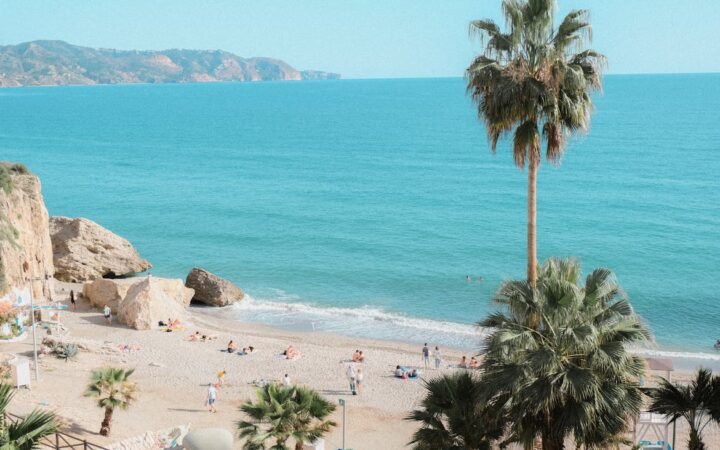
Spain has set a new record in the 2026 Blue Flag program, earning 794 awards across beaches, marinas and tourism boats and strengthening its position as one of the world’s most reliable destinations for coastal travel. The country received 677 Blue Flags for beaches, 111 for marinas and six for tourism boats, putting it ahead of Greece and Türkiye in the latest international rankings.
The result marks a sharp gain from 2025, when Spain received 750 Blue Flags. It also means that Spanish beaches now account for about 15% of all Blue Flag beaches worldwide, a striking figure for a country that already relies heavily on coastal tourism. With nearly 8,000 kilometers of coastline, Spain has long been associated with beach holidays, but the latest awards underline more than scenery. They point to water quality, accessibility, safety, environmental management and visitor information – the factors that increasingly shape how travelers choose where to swim, stay and spend.
The Valencian Community led Spain’s beach rankings with 151 Blue Flags across 48 municipalities, followed by Andalusia with 143, Galicia with 118, Catalonia with 101 and the Canary Islands with 52. For marinas, Catalonia, Andalusia and Valencia received the strongest recognition, while the six tourism boat awards were shared between Andalusia and Valencia.
For travelers, the numbers create a useful map for planning 2026 trips. Valencia’s Playa de la Malvarrosa remains one of the country’s most accessible urban beach options, combining a wide stretch of sand with a promenade, restaurants and space for volleyball, swimming and water sports.
In Andalusia, El Encinarejo offers a different model: an inland Blue Flag beach set by a reservoir in Jaén province, where calm water and rural scenery make it a quieter alternative to Spain’s busier coastal resorts. Near Madrid, Playa de la Virgen de la Nueva on the San Juan Reservoir shows how the Blue Flag program now extends beyond classic seaside holidays, with kayaking, wakeboarding, hiking and mountain biking available nearby.
The Blue Flag label has become more important as travelers look beyond postcard beaches and ask harder questions about sustainability and safety. The program, first created in France in 1985 by the Foundation for Environmental Education, is now active in more than 50 countries and covers more than 5,000 locations worldwide. Each year, an international jury evaluates beaches, marinas and tourism boats against environmental and operational standards.
Spain’s latest result is also a reminder of how competitive Mediterranean tourism has become. Clean water and safe beach infrastructure are now part of the destination economy, not just background services. For Spain, the 2026 record gives coastal regions another advantage as they compete for summer visitors, while also reinforcing the idea that beach tourism can be measured by management standards as much as natural beauty.
Disclaimer: TravelCapybara is an independent media brand owned and operated by NuvexMedia LLC, publishing travel news, destination guides, research, and insights. NuvexMedia LLC may invest in or collaborate with companies across the travel, hospitality, technology, and digital media sectors. These relationships do not influence TravelCapybara’s editorial coverage. While we strive for accuracy, travel requirements, prices, schedules, availability, and local conditions may change without notice. Readers should independently verify information before making travel or purchasing decisions. This content is for informational purposes only and does not constitute professional advice. © 2026 NuvexMedia LLC. All rights reserved.