20 Places to Visit at Least Once in Your Lifetime
From Paris and the Greek islands to Patagonia and the Galápagos, discover 20 places worth visiting at least once in your lifetime and the experiences that make each journey special.
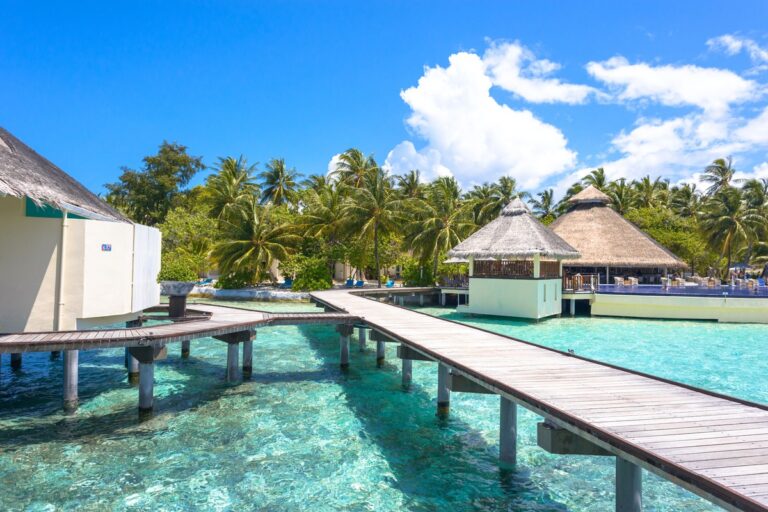
From island stays to remarkable cities and wild landscapes, these 20 destinations offer different reasons to make the journey at least once in your lifetime. Photo: Asad Photo Maldives / Pexels
Key Notes
- The 20 destinations combine celebrated cities, cultural landmarks, islands and wild landscapes, with experiences for different interests and travel styles.
- Choose fewer stops and allow enough time at each place, whether that means several days in Japan, an overnight Grand Canyon stay or time to explore Angkor beyond one temple.
- Seasonal access, transport reservations and the choice of local operator can shape a trip, particularly in the Canadian Rockies, on safari and around reefs or islands.
Some places stay on your travel wish list for years. You picture walking through Rome, seeing Japan’s temples or watching wildlife on an African safari. Others catch your attention through a single photograph: Patagonia’s granite peaks, a Maldivian lagoon or the vast dunes of Namibia.
These 20 destinations bring together some of the world’s most memorable journeys. Whether you travel for history, food, wildlife or extraordinary scenery, there is somewhere here worth making time for at least once in your lifetime.
This is a list to return to, rather than a route to complete. Some entries suit a long weekend; others deserve a substantial part of your annual leave. The pleasure is in choosing the experience that means something to you, then giving it enough time.
1. Italy: Rome, Florence, Venice and the Countryside
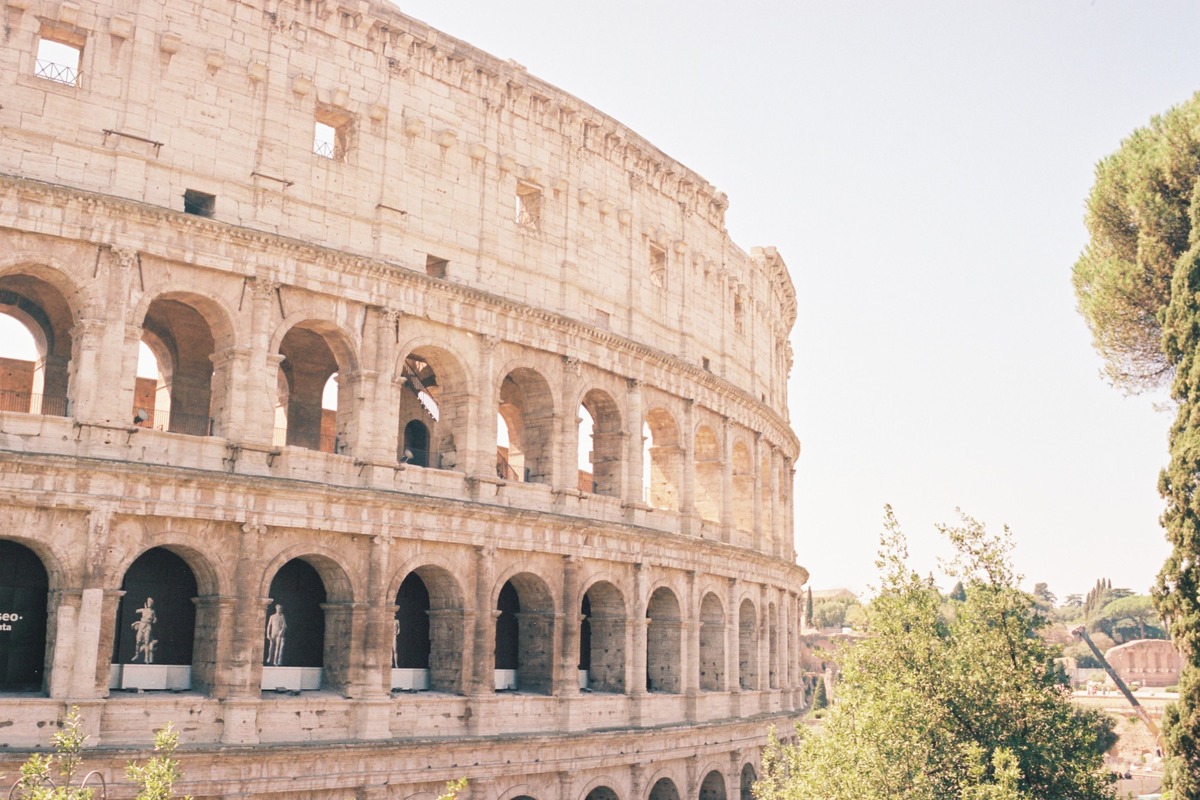
Italy makes a persuasive case for the classic first trip to Europe. Rome puts ancient monuments among the everyday workings of a capital; Florence brings Renaissance art into a remarkably walkable centre; Venice changes the rhythm altogether, replacing traffic with boats, bridges and the sound of footsteps beside a canal.
The temptation is to fit all three into a few frantic days. Give them more room, or choose two and spend the remaining nights somewhere smaller. A Tuscan village or an Umbrian hill town can be as memorable as another museum, especially when lunch runs long and there is nothing more pressing than an evening walk.
Italy’s rail connections make a city-based journey practical. Save the car for a countryside stay that genuinely needs it. Reserve the particular artwork or monument you most want to see, then leave gaps for markets, neighbourhood restaurants and the Italy between the major sights.
2. Paris, France

There is no need to find an obscure reason to visit Paris. Seeing the Eiffel Tower, walking beside the Seine and sitting down to a good lunch are perfectly sound ambitions. The city earns its place on a lifetime list because those familiar images belong to a much larger world of museums, bakeries, bookshops and neighbourhood streets.
Build a first visit around a few things you actually want to do. Spend a morning with a particular museum collection, make time for a neighbourhood beyond your hotel, and let a walk take longer than the map suggests. Paris becomes much more enjoyable when every afternoon is not tied to another admission slot.
If going up the tower matters, choose the level and access option before buying through the official website. A view from the ground, followed by dinner somewhere you have chosen for the food, can be just as satisfying.
3. The Greek Islands
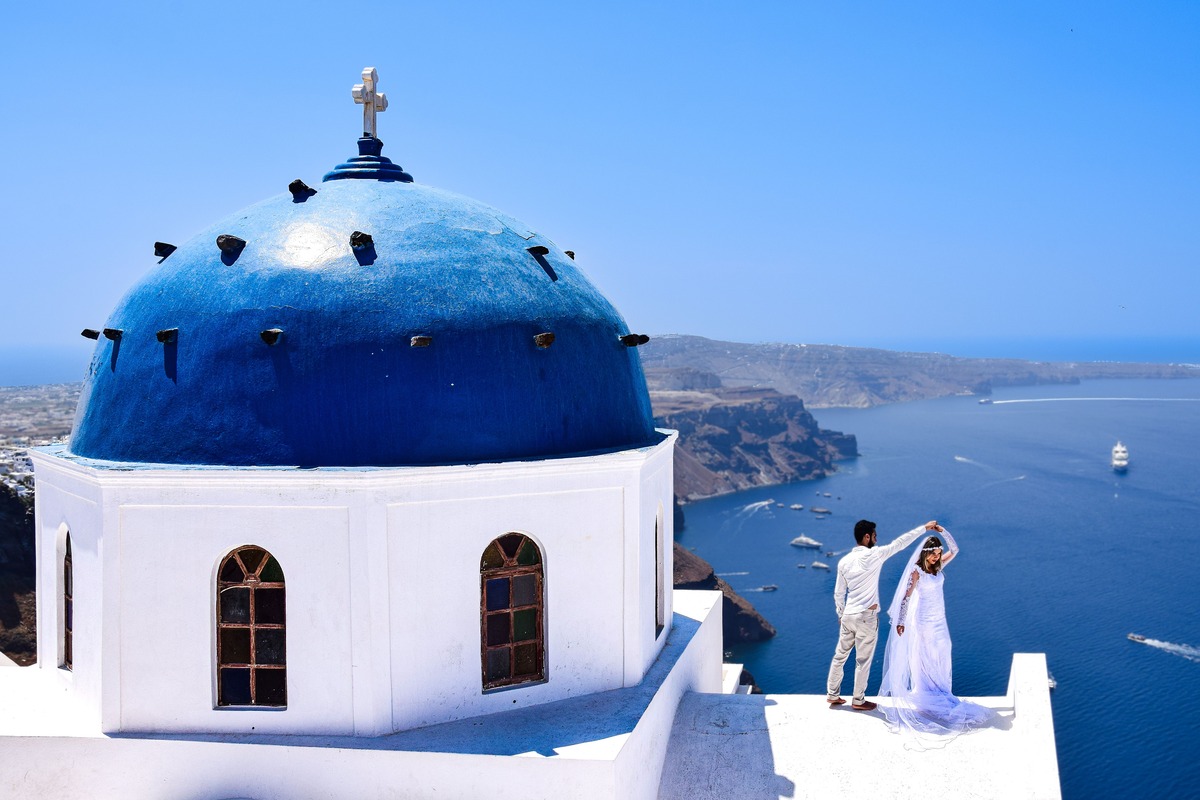
A Greek island holiday can mean a terrace above Santorini’s caldera, a long lunch beside a fishing harbour or a beach reached after a walk through farmland. The islands are not interchangeable, which is precisely why choosing between them is part of the pleasure.
In the Cyclades, Santorini offers volcanic drama, while Naxos brings villages, agriculture and beaches into the same trip. Milos appeals for its unusual coastline; Paros offers another balance of seaside towns and inland excursions. Pick the setting that matches the holiday you want, rather than assuming the most photographed island must be the best fit.
One island can comfortably be the whole holiday. Two can work well when the connections are straightforward and you have enough nights. Check the actual ferry timetable for your dates before booking separate stays, especially outside the busiest season. A morning swim and an unhurried village lunch deserve space on the calendar too.
4. Iceland
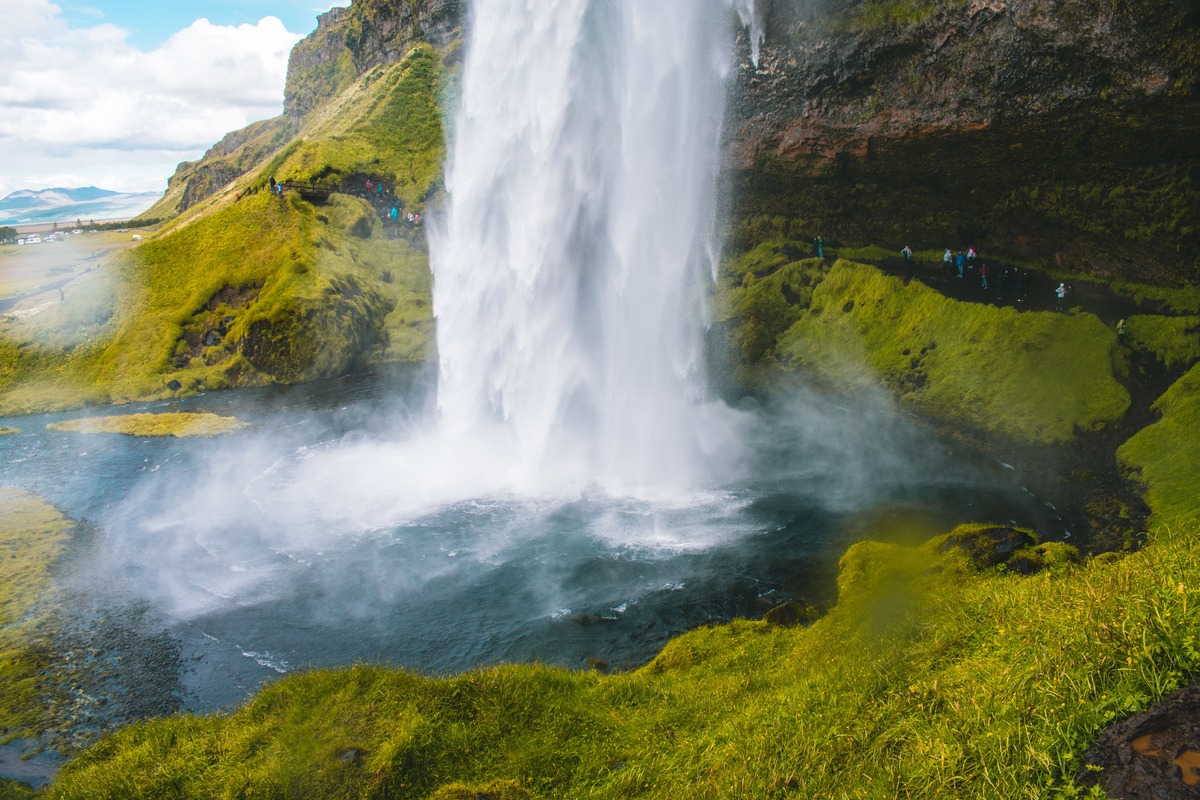
Iceland brings the workings of the landscape unusually close. Waterfalls tumble over green cliffs, steam rises from geothermal ground, and stretches of volcanic coast seem to change character with the light. It is a place where the journey between stops can be as absorbing as the destination.
A first trip need not attempt the whole island. The south coast offers a compelling starting point, with waterfalls, black-sand shores and glacier country along a route linked by small towns. Allow time to stop in those towns, eat well and take a walk rather than moving from one roadside photograph to the next.
Choose the season for the experience you want. Long summer days and a winter journey are quite different propositions, and highland access is seasonal. Keep a flexible day instead of filling every hour. The best version of this trip leaves room to enjoy the conditions you get, rather than chase an image at any cost.
5. Lofoten, Norway

In Lofoten, red fishing cabins sit beside water backed by mountains that look far too steep for the villages beneath them. It is an Arctic landscape with a strong human presence: working harbours, drying fish, small galleries and houses that make the scenery feel inhabited.
Stay long enough for something beyond the famous viewpoints. A cabin stay, a meal built around local fish and a coastal walk can give the islands more substance than a fast drive through. The official trip planner is useful for matching activities to the part of Lofoten you choose.
Summer brings extended daylight and opportunities for walking; the darker months offer a different atmosphere and the possibility of northern lights, never a guarantee. You do not need to climb the most demanding peak to have a worthwhile visit. Choose accommodation and outings for your abilities, then let the weather determine which day belongs on the mountain and which belongs by the harbour.
6. New York City, USA

New York delivers the big-city moments: the skyline arriving into view, the first walk among Manhattan’s buildings, the anticipation before a theatre performance. Yet its lasting appeal is often much more specific. A museum room, a neighbourhood bakery or an unexpectedly good evening can become the part you talk about most.
Let your interests decide the shape of the trip. Art, architecture, live music, theatre and food can each sustain several days without an obligatory march through every landmark. Choose one or two anchors for a day, then explore the streets around them. Include a neighbourhood outside the most familiar Midtown circuit.
The city’s official tourism site is a starting point for ideas across the five boroughs. For more regional possibilities, our North America selection looks beyond the usual city break. For this first visit, though, resist adding another destination simply because it is on the same continent.
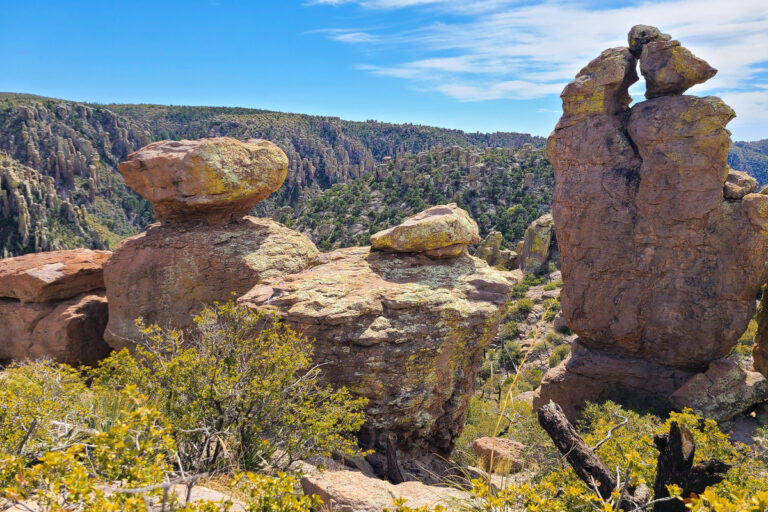
7. The Grand Canyon, USA

The Grand Canyon is one of those places where a familiar photograph does little to prepare you for the scale. From the rim, layers of rock run towards a horizon that seems difficult to judge. Stay as the light changes and the same view can become a different landscape.
The South Rim is a natural starting point for many first visits. The National Park Service keeps current access information, walking options and transport advice together. An accessible viewpoint or a manageable stretch of rim trail can be a complete experience; going deep into the canyon is a separate undertaking.
If possible, give the park an overnight stay rather than the brief interval between a long drive in and a long drive out. You gain the chance to see both evening and morning light. Choose any hike for the conditions and the return climb, not simply for how close the river looks on a map.
8. The Canadian Rockies
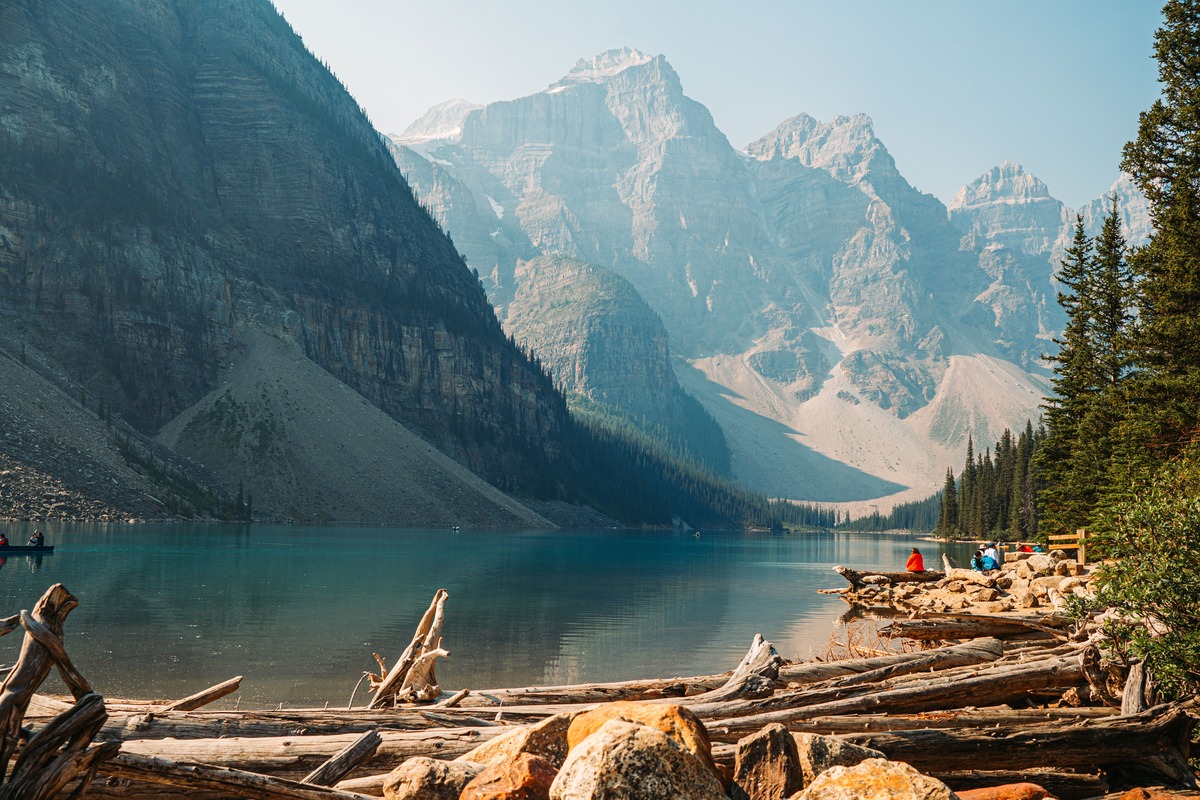
The Canadian Rockies have all the ingredients of a grand mountain journey: turquoise lakes, forests, glaciers and roads that invite frequent stops. The famous views around Banff and Lake Louise are excellent reasons to go, but they need not occupy every hour of the visit.
Choose a few bases and make time for the landscapes around them. A lakeshore walk, a quieter picnic or an afternoon watching the mountains change in the light can balance the larger excursions. The protected park landscape extends well beyond a single celebrated lake.
Some of those celebrated places take planning. Moraine Lake Road is closed to personal vehicles, and the Parks Canada shuttles require reservations during their operating season. Treat access as part of choosing your dates, rather than something to sort out on arrival. Summer lake visits, autumn walks and winter mountain stays each offer a different trip; the same itinerary will not work unchanged for all three.
9. Japan: Tokyo and Kyoto
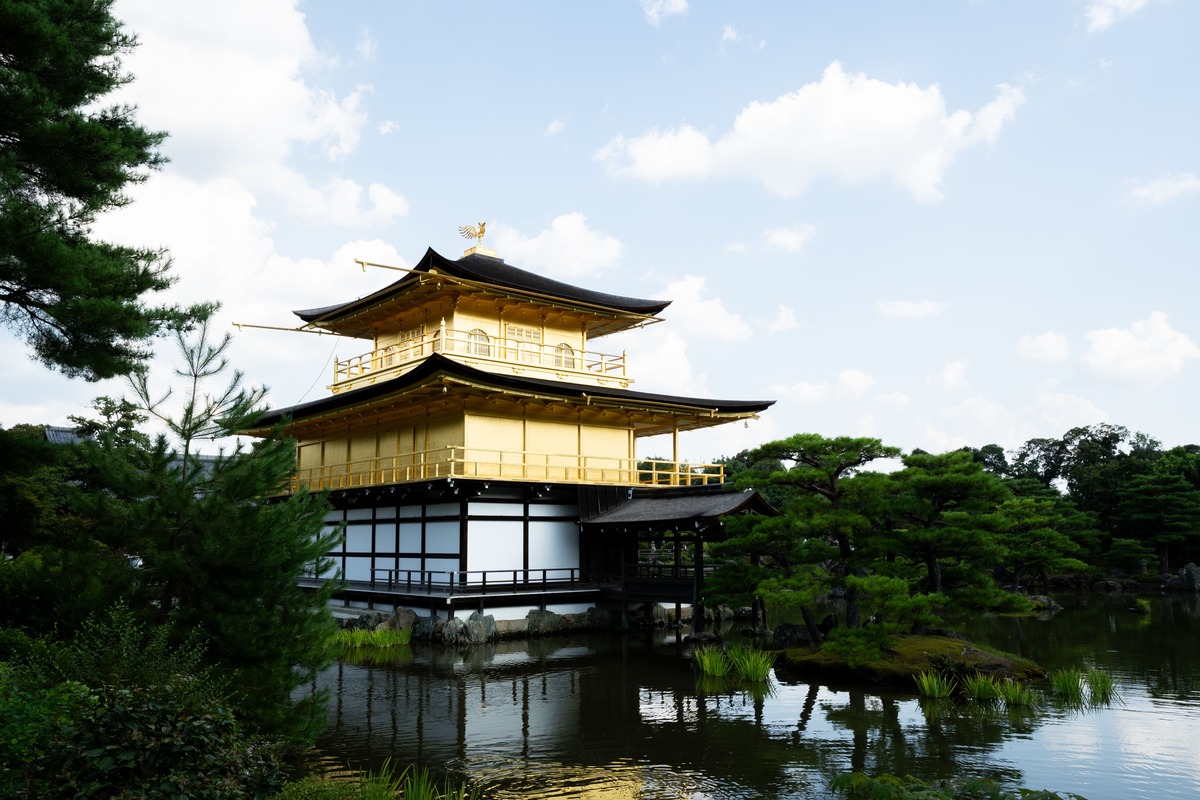
Tokyo and Kyoto make a rewarding first pairing because they offer such different ways to spend a day. In Tokyo, a neighbourhood can lead you from a tiny restaurant to an ambitious museum or a street full of specialist shops. Kyoto invites a slower pace through gardens, temple grounds and streets where craftsmanship still shapes what is made and sold.
Give both cities several days if you can. Japan’s Golden Route shows how they can fit into a longer journey, but a first visit does not need every possible stop. More time in fewer places makes room for the meal, exhibition or neighbourhood that was never on the original list.
A traditional inn can add another dimension, provided you choose it for the stay itself rather than a hurried overnight stop. Let food become an occasion too. As our breakfast feature explores, a morning meal can change how you experience a place.
10. The Taj Mahal and Agra, India
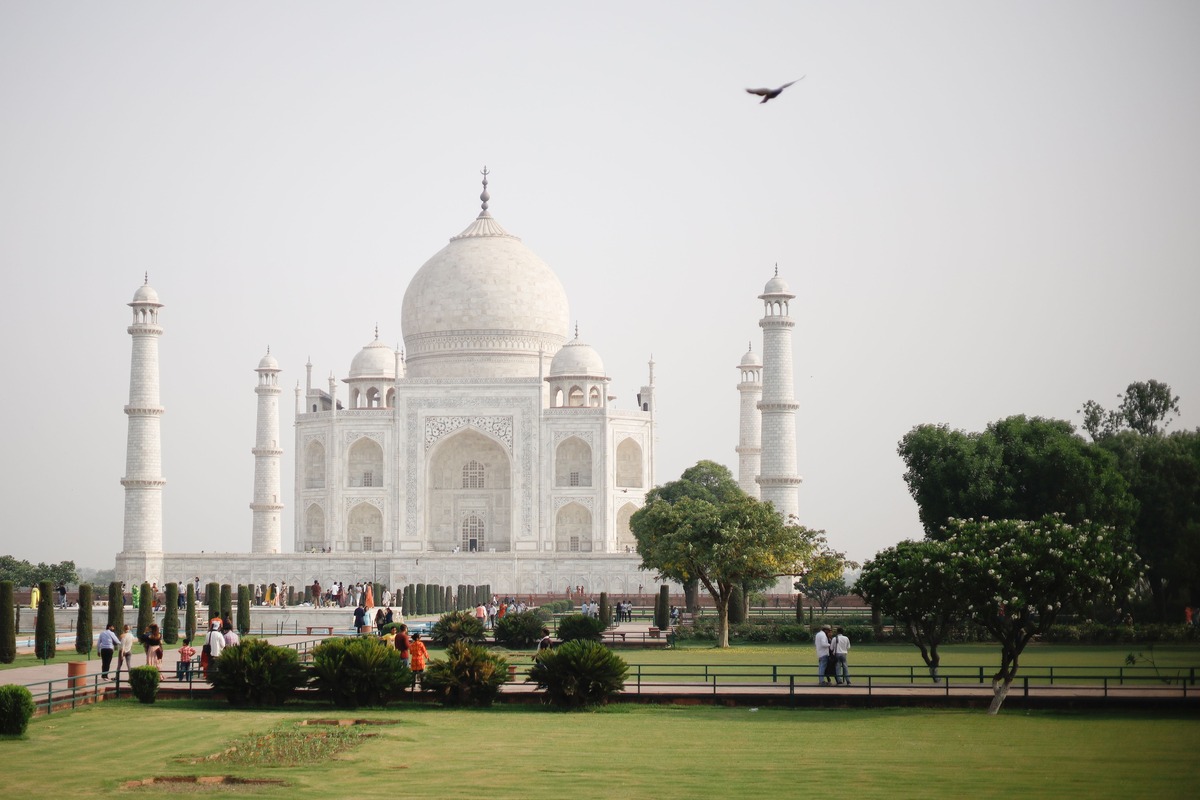
The Taj Mahal is a familiar silhouette, but the experience is also about the approach: gardens, symmetry, changing light and the details that only become clear as you draw closer. It deserves more attention than the few minutes needed for the expected photograph.
Make Agra a stay rather than a dash in and out if your itinerary allows. Pair the mausoleum with Agra Fort and allow enough time to understand the Mughal history connecting them. A good guide can turn an impressive monument into a much richer visit, explaining the architecture and the people behind it.
The Taj Mahal is closed on Fridays for general visiting, an important detail when arranging a short trip. Decide whether you want an early visit and check the ticket options before fixing transport. Keep the rest of the day manageable; the monument is better appreciated when it is the centre of the day rather than another hurried appointment.
11. Angkor, Cambodia
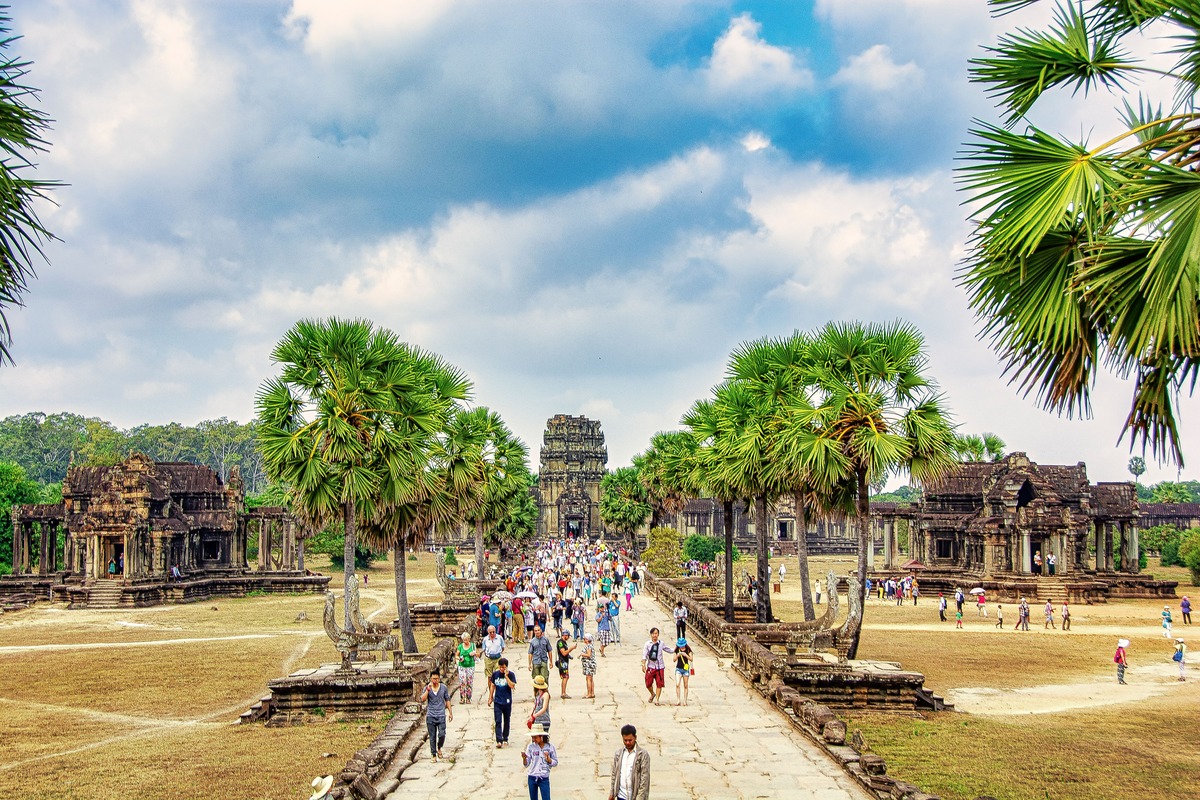
Angkor Wat may bring you to Cambodia, but the wider Angkor landscape is the reason to stay. Monumental gateways, carved faces, temple courtyards and buildings threaded with tree roots make this much more than a single celebrated structure.
A sunrise visit can be memorable, but it should not become the measure of whether the trip has succeeded. Spread your temple visits over a few well-paced sessions, with time for shade, food and the return to Siem Reap. A knowledgeable local guide helps distinguish the buildings and their histories, rather than allowing one extraordinary temple to blur into the next.
The official Angkor passes offer one-, three- and seven-day options. Choose for your interest and energy, not just the number of monuments you might squeeze in. Several calmer visits can leave a stronger impression than a single very long day. Our selection of World Heritage experiences offers more ideas for journeys built around places like this.
12. Cappadocia, Türkiye
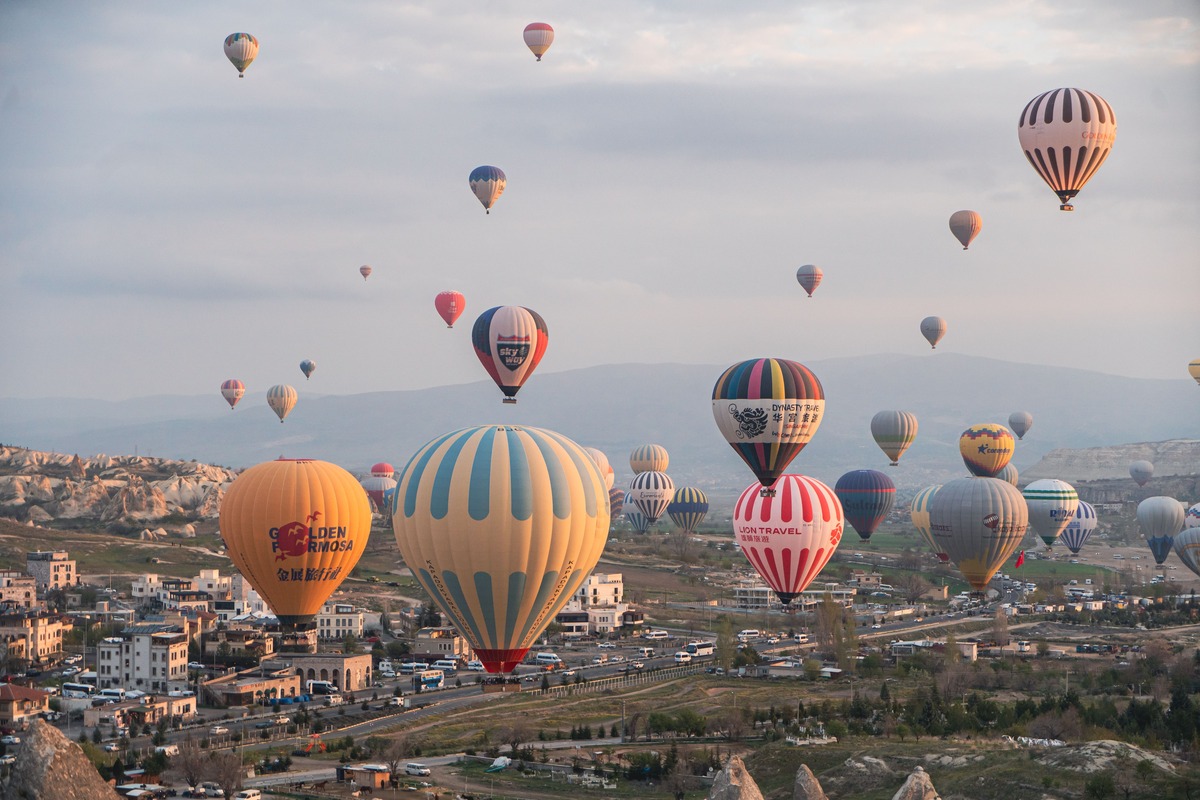
Cappadocia’s balloons are an appealing invitation, but the landscape beneath them is the real reason to make the journey. Valleys filled with unusual rock formations, rock-cut churches and underground settlements reward attention long after the balloons have landed.
Give the region a few nights. Stay somewhere chosen for comfort and location as well as the promise of a cave room, take a guided look at the rock-cut heritage, and spend time on foot in a valley suited to your abilities. Türkiye’s tourism overview brings together the landscape, historic sites and local traditions that make a fuller visit possible.
If a balloon flight matters to you, discuss weather cancellations and rescheduling with the operator before booking. Leaving more than one possible morning gives the plan some flexibility, though it cannot guarantee a flight. Cappadocia should still feel worth visiting if you spend your mornings watching the light move across the valleys from the ground.
13. Egypt: The Pyramids and the Nile
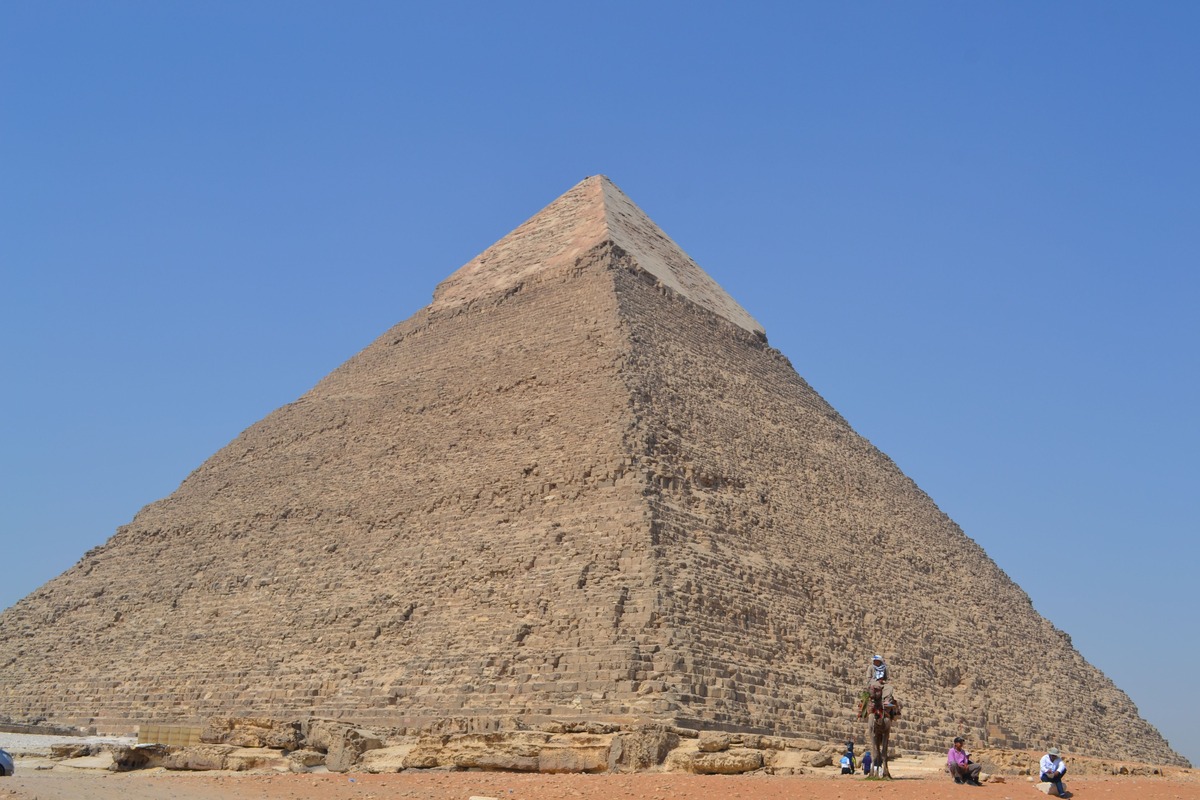
Few journeys connect so directly with places first encountered in a schoolbook. At Giza, the pyramids are enormous physical structures rather than illustrations; farther south, the temples and tombs around Luxor give ancient Egyptian history a much wider setting.
Build the trip around understanding a few sites well. A visit to the pyramids followed by time in Luxor can make more sense than collecting every possible excursion. The ancient Thebes landscape includes Karnak, Luxor and the royal necropolises, with far more to absorb than one rushed afternoon allows.
A Nile journey can add slower hours between archaeological visits. Look closely at an actual sailing itinerary: the boat, included guiding and time ashore matter more than a brochure’s long list of temple names. For a trip you may only make once, a good guide and a sensible pace are often better investments than another stop squeezed into the hottest part of the day.
14. The Okavango Delta, Botswana
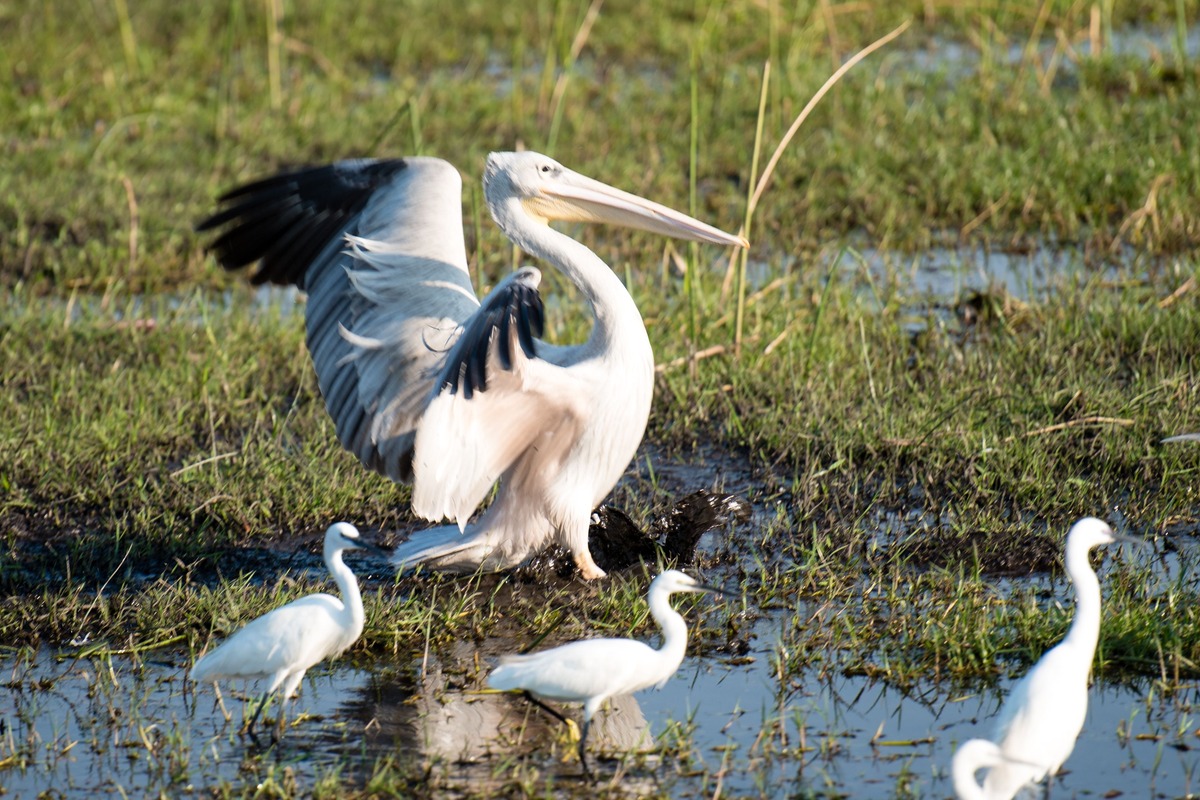
The Okavango offers a different picture of safari: water channels, reed beds, open floodplains and birdlife as well as larger animals. It is an inland delta whose changing water shapes both the habitats and the ways visitors move through them.
That makes the choice of camp particularly important. A stay focused on water activities and a camp built around game drives can produce quite different experiences. Ask what is normally possible at that specific location during your intended dates, rather than assuming every delta stay includes the same outings.
The delta’s annual flood cycle is central to its character. The right time to travel depends on what you hope to see and do, with no promise of particular wildlife. Leave room for the quieter parts: watching birds from camp, listening across the water and noticing how much is happening in a small stretch of wetland. Those hours can be as memorable as the headline sightings.
15. Namibia: The Dunes of Sossusvlei
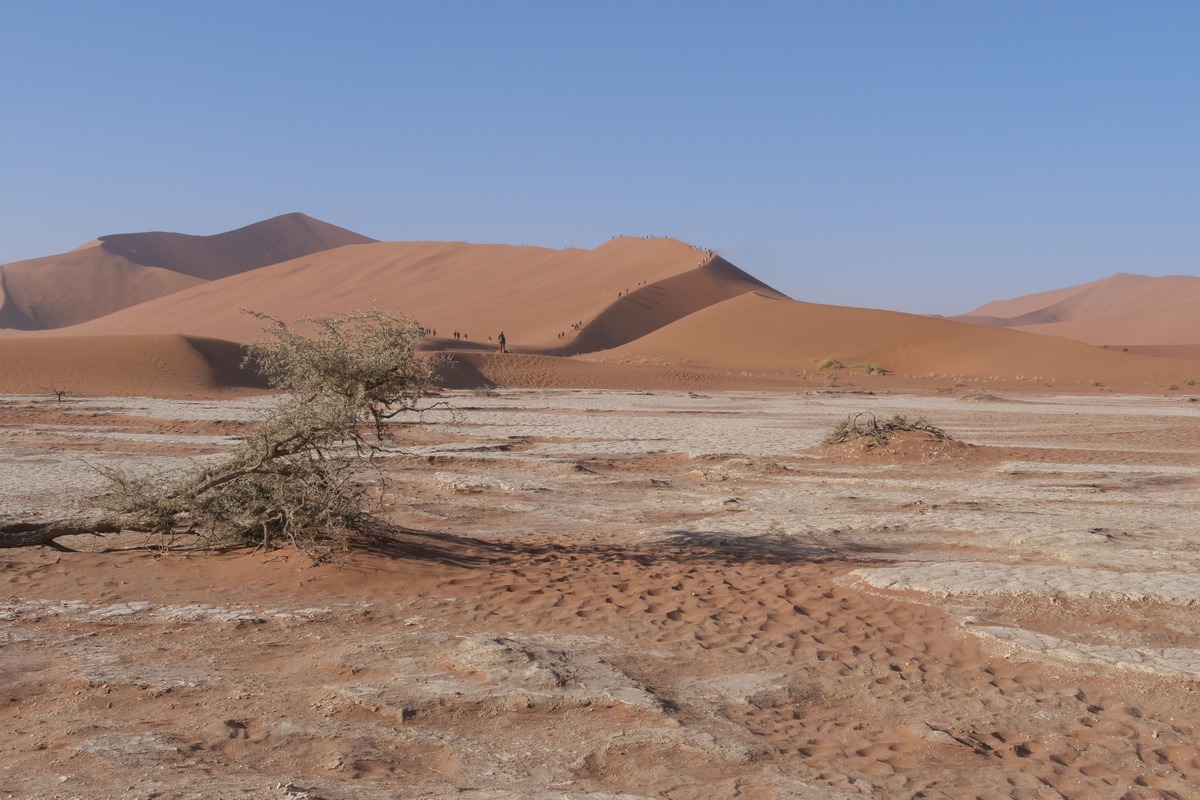
Namibia’s dune country offers a striking change of scale. The land opens out, the road seems to run towards an enormous horizon, and the colour of the sand changes as the sun moves. Around Sossusvlei, shape and light become reason enough to stop and look.
Make room for an early start and an unhurried stay in the area rather than treating the dunes as a brief detour on a very long road trip. The wider Namib Sand Sea helps explain what makes this desert landscape so distinctive, beyond the photographs of individual dunes.
Accommodation location and access arrangements can make a real difference to how your days work. Check those details before booking, and be realistic about driving distances. A shorter route with time to enjoy the desert is more appealing than arriving at every stop tired. The point of this journey is having space to notice what is in front of you.
16. Torres del Paine, Chile
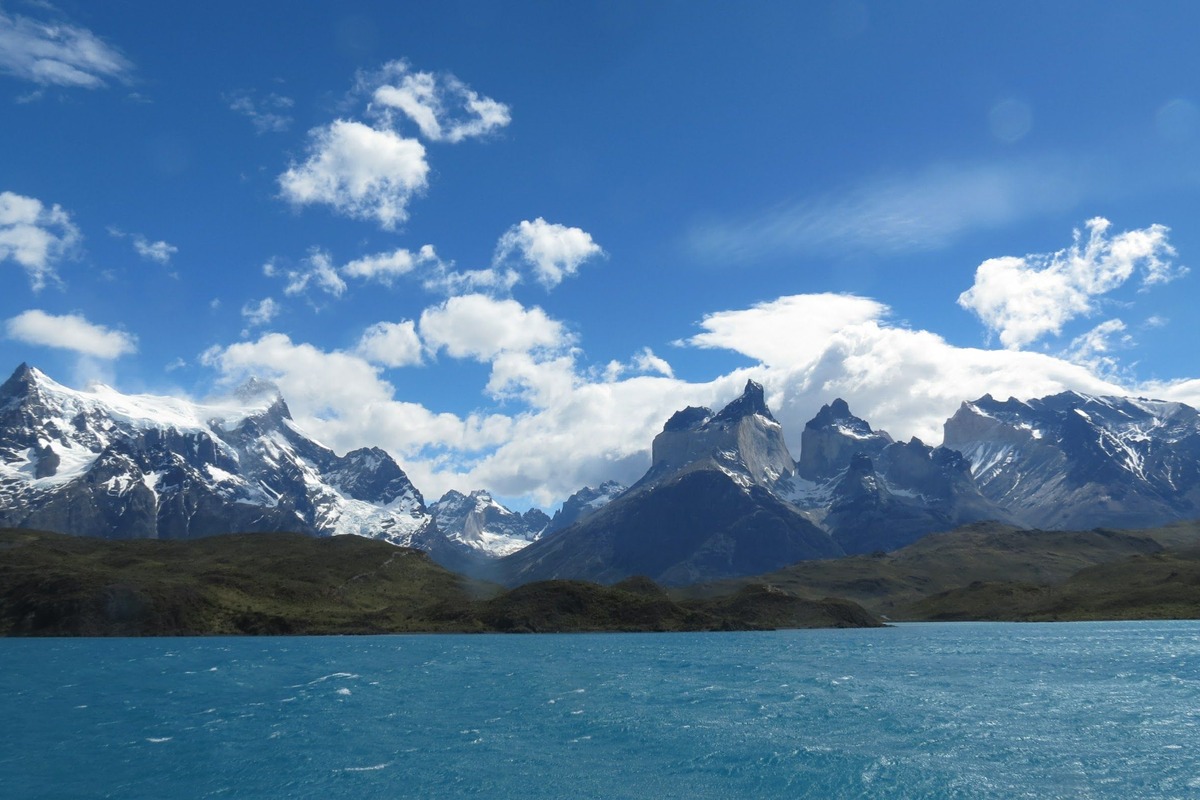
Patagonia is often imagined as a demanding expedition, but Torres del Paine can be approached in several ways. Granite peaks, lakes, grasslands and glacier scenery give it a place on a lifetime list even if a multiday trek is not your idea of a holiday.
Choose the experience first. You might want a lodge-based stay with shorter walks, or you might be ready to build a trip around a longer route. The park authority’s visitor information is the place to check current conditions and requirements before committing to particular walks.
If you want the longer trekking experience, arrange the necessary accommodation or campsites before assuming the route is settled. Keep space around the most important days, since weather can change the plans. There is no need to earn the landscape through the hardest available walk: a well-chosen viewpoint, a lakeside stop and a comfortable return can make an equally lasting memory.
17. The Galápagos Islands, Ecuador
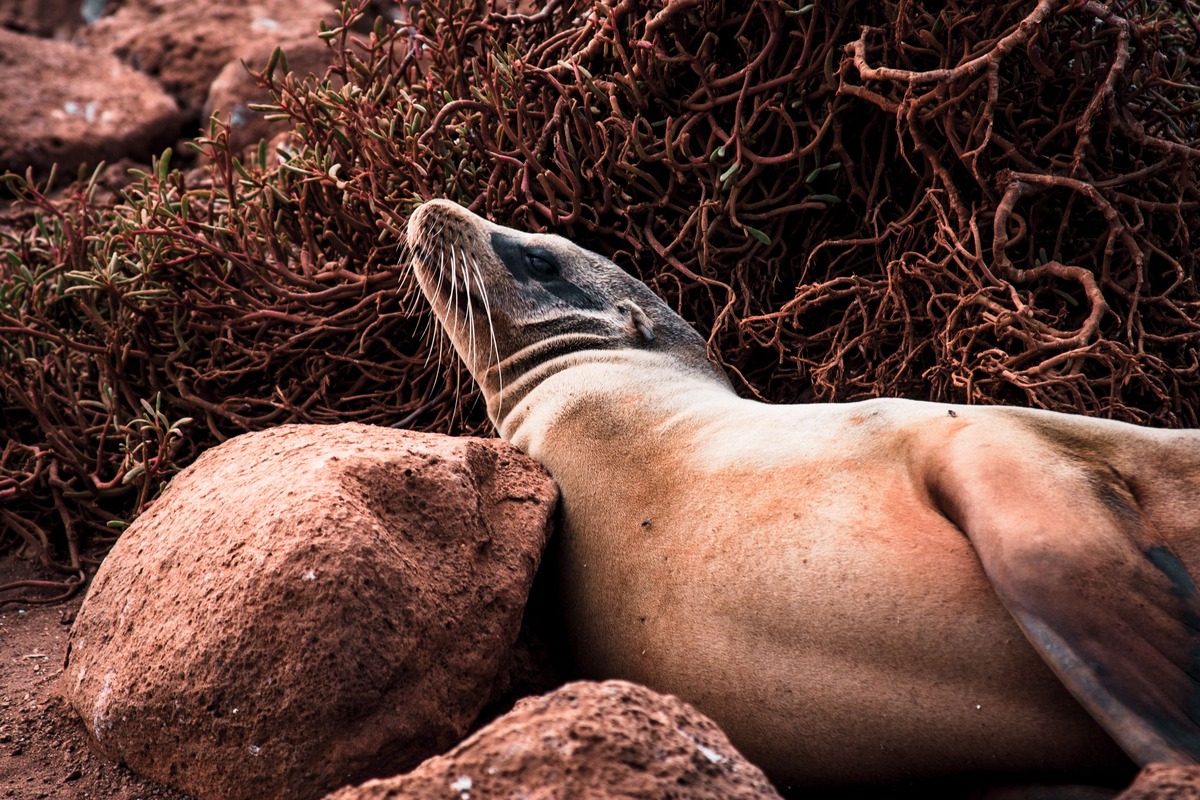
In the Galápagos, wildlife is part of the foreground. Sea lions rest by the shore, marine iguanas occupy volcanic rock, and the islands bring opportunities to observe animals whose lives are shaped by this unusual environment. The appeal lies in watching, not in getting as close as possible.
A small-ship voyage and an island-based stay offer different ways to experience the archipelago. Compare the actual islands, landings and time in the water, rather than assuming one style automatically covers everything. Think about how comfortable you are on boats and how much of the trip you want to spend snorkelling.
The protected archipelago depends on careful visitor behaviour. Follow licensed guides and marked routes, and give animals space rather than trying to stage a photograph. Choosing an itinerary around the habitats and experiences that interest you is a better starting point than a promise to tick off every famous species.
18. The Maldives

The Maldives earns its place through the simplest holiday pleasures: warm water, a good swim, sand underfoot and the rare opportunity to let several days pass without a complicated plan. An overwater room can be part of the dream, but it is not the only way to enjoy the islands.
Start with the kind of stay you want. A private-island resort and a guesthouse on an inhabited island provide different settings, facilities and experiences. For a resort, look beyond the room photographs to the beach, swimming access, dining arrangements and the activities you would actually use.
Transfers deserve the same attention as accommodation. The official travel information explains the mix of speedboat, seaplane and domestic-flight connections. Check the complete journey and cost with your chosen property, including how it fits your international flights. Once those details are settled, the most successful itinerary may be the one that leaves very little to organise.
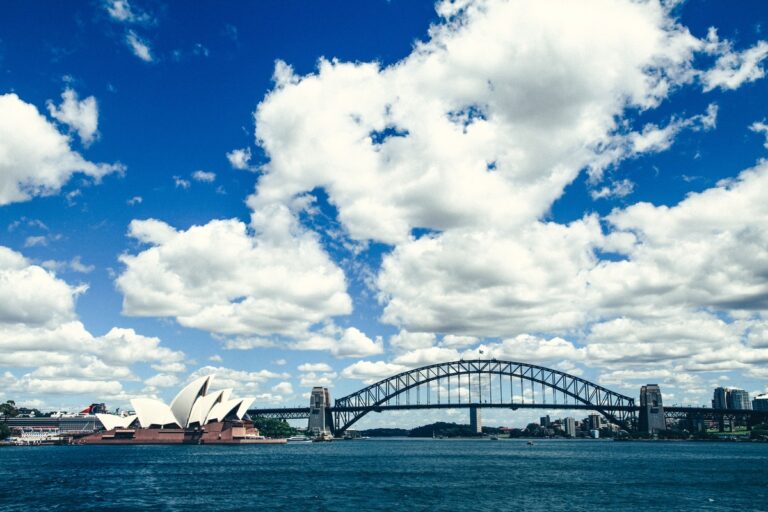
19. The Great Barrier Reef, Australia
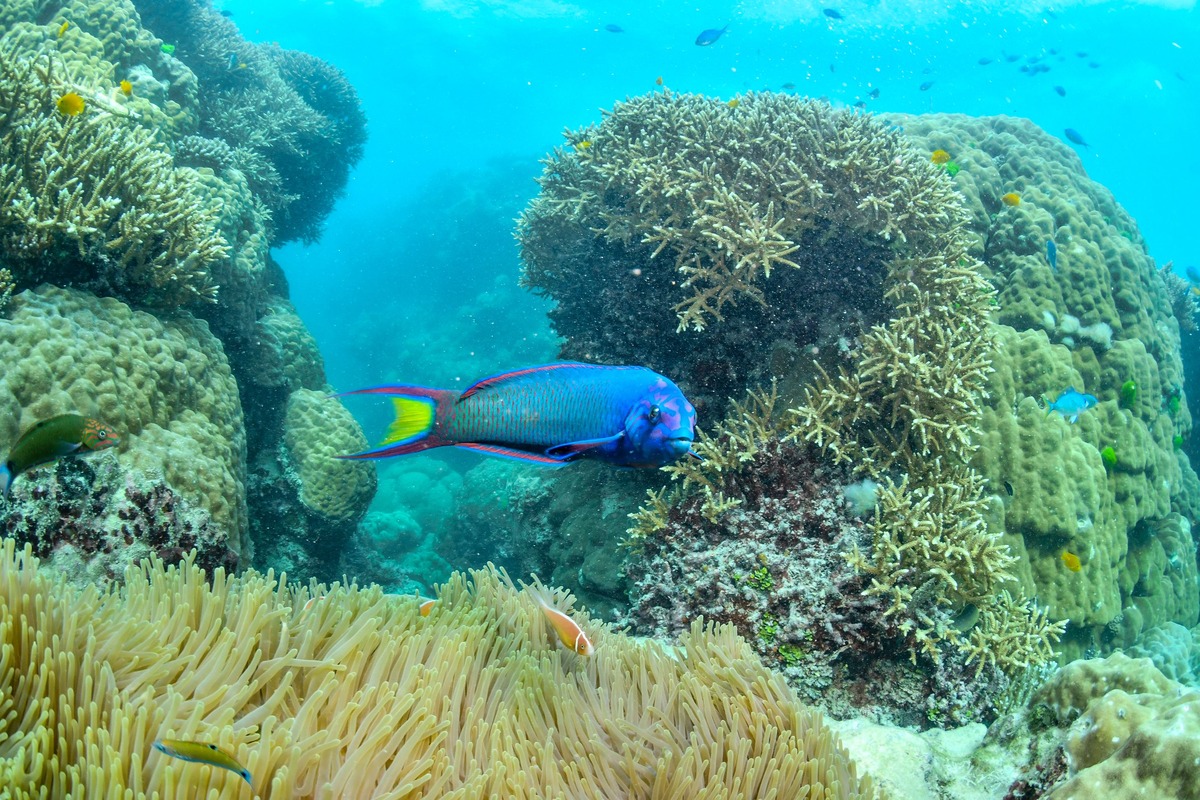
The Great Barrier Reef is a destination for looking closely. Beneath the broad blue view from a boat or aircraft is a much more detailed world of coral, fish and movement. For many visitors, the first good snorkelling session is the moment the long journey begins to make sense.
Choose a base and outing for your confidence in the water and the sort of day you want. A guided snorkel, a dive trip, an island stay and a scenic flight offer different experiences. The Reef Authority outlines the ways to visit and identifies independently certified tourism operators.
Ask about the actual sites, travel time and support available, rather than booking on the strength of a generic reef image. This is a living, changing environment under pressure, and conditions differ across it. A thoughtful operator can help you understand what you are seeing as well as enjoy the day.
20. Fiordland, New Zealand
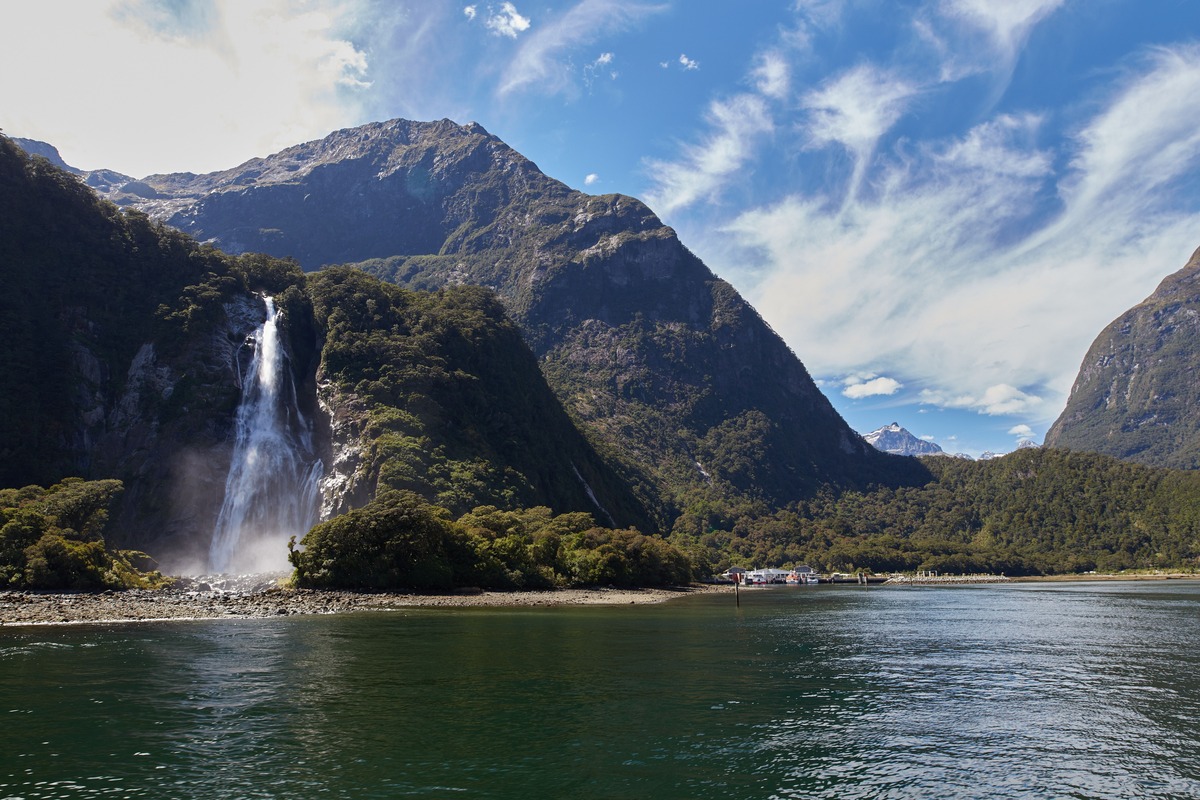
Fiordland gives a South Island journey a dramatic destination: steep mountains, rainforest, deep water and waterfalls that seem to appear from the rock. Milford Sound is the familiar name, while the wider landscape offers reasons to stay longer than a quick excursion.
A boat trip is an accessible way to experience the scale. Compare a daytime sailing with an overnight stay if you want more time on the water. Tourism New Zealand’s cruise information provides a starting point for understanding the options and connections from Te Anau or Queenstown.
Make the approach part of the journey rather than a distance to get through as quickly as possible. A closer base can leave more room for stops and a less hurried day. Fiordland is a fitting final entry because it offers something beyond a single landmark: the feeling of being in a landscape that keeps drawing your attention back outside.
Choosing the Trip You Will Actually Remember
You do not need to visit all 20 places for this list to have served its purpose. Start with the one you keep coming back to, then ask what would make the journey worthwhile for you: a particular landscape, time with someone you love, a cultural interest or simply a proper break.
Put your budget towards that experience. Sometimes it means a good local guide or a few extra nights; sometimes it means choosing a smaller room so you can travel more comfortably between places. A lifetime trip does not have to be the most expensive holiday you ever take. It should give you time for the things that made you want to go in the first place.
Disclaimer: TravelCapybara is an independent media brand owned and operated by NuvexMedia LLC, publishing travel news, destination guides, research, and insights. NuvexMedia LLC may invest in or collaborate with companies across the travel, hospitality, technology, and digital media sectors. These relationships do not influence TravelCapybara’s editorial coverage. While we strive for accuracy, travel requirements, prices, schedules, availability, and local conditions may change without notice. Readers should independently verify information before making travel or purchasing decisions. This content is for informational purposes only and does not constitute professional advice. © 2026 NuvexMedia LLC. All rights reserved.