15 Places to Visit in North America and the Caribbean in 2027
From Memphis’s new riverfront museum to Québec wine country and Dominica’s rainforest trails, these 15 places offer fresh ideas for a 2027 trip.
From music cities and wine country to rainforest islands, these 15 places offer different reasons to travel in 2027. Photo: Taylen Lundequam / Pexels
Key Notes
- Memphis’s new art museum gives 2027 a timely cultural draw, while the wider selection pairs cities with wine regions, coastal landscapes and Caribbean islands.
- Choose a place around the experience you want, from locally led outings on Vancouver Island and rainforest walks in Dominica to markets in Oaxaca and wine weekends in Québec.
- Match the travel season to your main activity and confirm museum dates, tasting appointments and guided departures before committing to the rest of the trip.
A good travel shortlist should make you want to do something, rather than simply collect another place name. For 2027, we would start with the experiences: a riverfront museum in Memphis, a conversation across an Oregon tasting-room counter, a boat ride into Vancouver Island’s coastal landscape or an evening on the water in Puerto Rico.
Our selection brings together 15 places across the United States, Canada, Mexico and the Caribbean. Some have a timely reason to go; others deserve attention because they offer the kind of trip that can easily get lost between headline openings and familiar resort choices. This is a collection of possibilities, not a ranking or a route to complete in one holiday.
There are cities here, but also lake shores, wine regions and islands where the best decision may be to stay longer in one place. Choose the experience first, then the season and the accommodation. The resulting trip will usually feel more personal than a calendar filled with compulsory stops.
1. Memphis, Tennessee: A New Riverfront Chapter
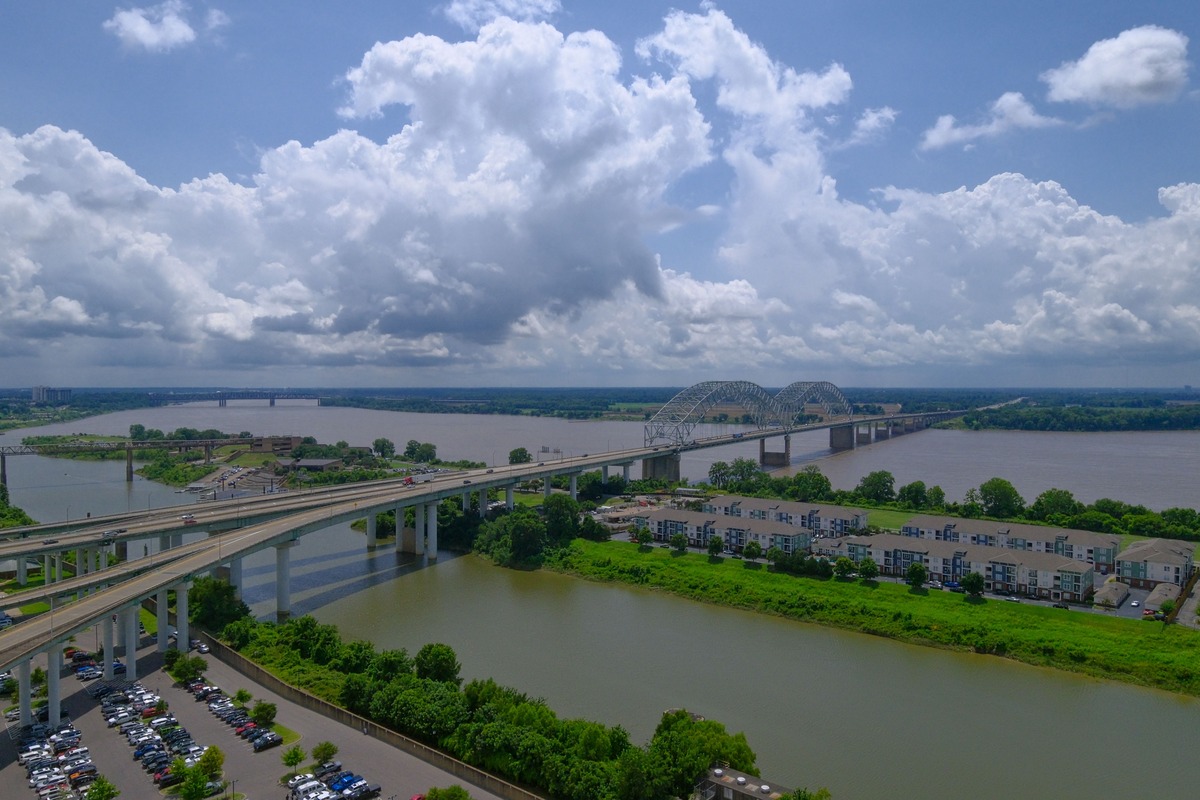
Memphis gives art lovers a particularly good reason to look at 2027. The new Memphis Art Museum is scheduled to open on December 6, 2026, bringing a Herzog & de Meuron-designed campus to the downtown riverfront. Its inaugural exhibition programme includes Making Beauty: Hooks Brothers Studio, 1907-1984, on view through July 5, 2027, exploring the work of a Black family photography studio.
That is a strong starting point for a trip that looks beyond a familiar greatest-hits version of the city. Give the museum a proper afternoon, then leave room for live music, a long meal and a walk beside the Mississippi. Combining visual art with the city’s musical history makes Memphis a more rounded cultural break than a quick stop between bigger destinations.
We would build the visit around the exhibition that most interests you and choose a music night separately. Check the new museum’s opening arrangements before booking, particularly if you are travelling specifically for one show. The pleasure here is in connecting different parts of Memphis, rather than rushing from one famous doorway to another.
2. Oregon’s Willamette Valley: Wine Country With Time to Talk
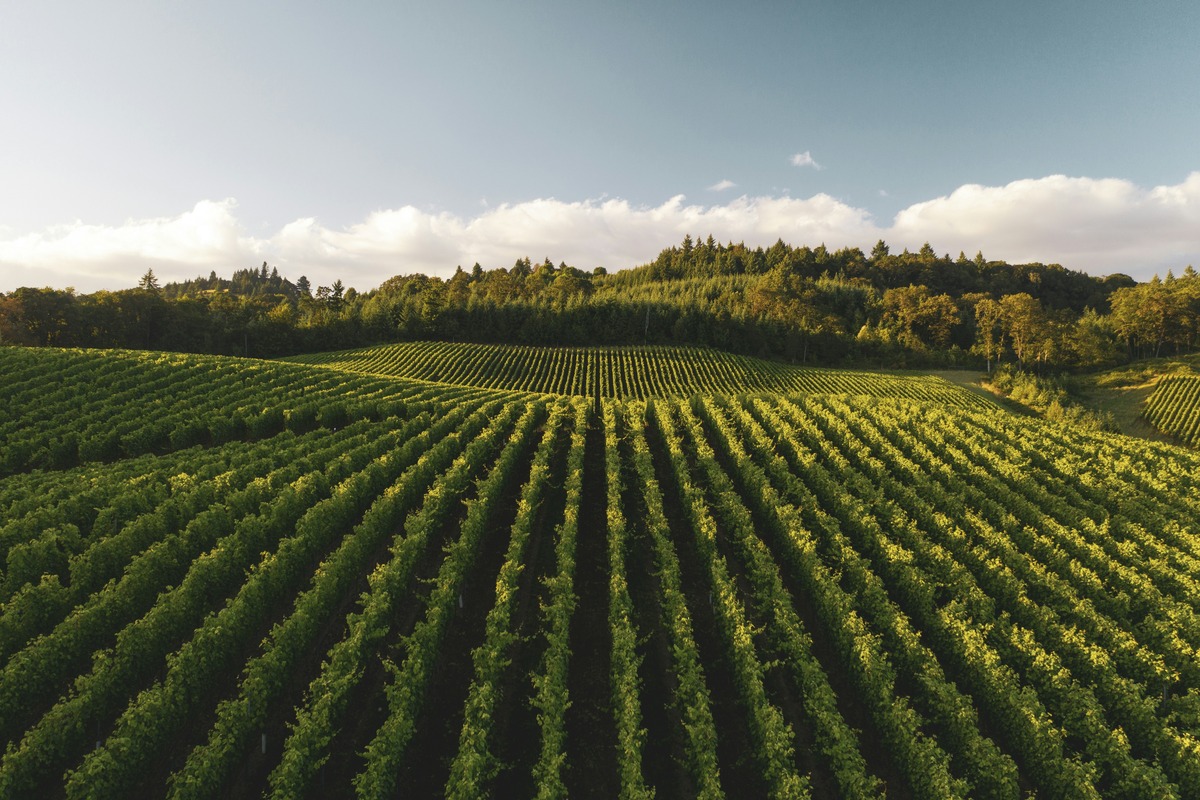
The most appealing version of a Willamette Valley holiday involves fewer tasting rooms than you might expect. Choose a small cluster, spend time with the people pouring the wine and leave a generous gap for lunch. The region’s tasting advice recommends checking reservation requirements and allowing at least 90 minutes for a visit, rather than treating each stop as a brief sample.
There is also a useful balance between vineyard settings and walkable towns. McMinnville, Dundee and Carlton offer different ways to combine tasting rooms, dinner and an overnight stay. A country hotel might deliver the view you want, while a town base can make the evening much simpler. Neither choice needs a packed driving circuit to justify it.
For a 2027 trip, reserve the producer you most want to meet, arrange a driver for a day of wine tasting and keep the rest flexible. A weekday visit can offer more space for conversation. The point is to come home remembering a wine, a landscape and the person who explained their connection.
3. Santa Fe and Northern New Mexico: Make Something, Then Go Looking

Santa Fe becomes more interesting when art is something you participate in. Its creative workshops offer a starting point for travellers who would like to spend part of a holiday learning, whether that means cooking or working with a material they have never tried. One booked session gives the trip a focus without turning the whole week into a course.
From there, the appeal widens into northern New Mexico: adobe architecture, open country and time spent noticing how light changes the landscape. In Santa Fe itself, Canyon Road’s galleries make browsing part of the day. You can look closely at a few places rather than setting yourself the impossible task of seeing every collection.
We would choose a workshop before choosing the hotel, then decide how much driving belongs in the trip. Visits to Indigenous communities require checking each place’s current visitor arrangements and photography rules. Give those encounters their own attention. This is a region best approached through particular people, places and traditions, rather than a single sweeping idea of the Southwest.
4. Michigan’s Upper Peninsula: Follow the Lake, Not the Clock
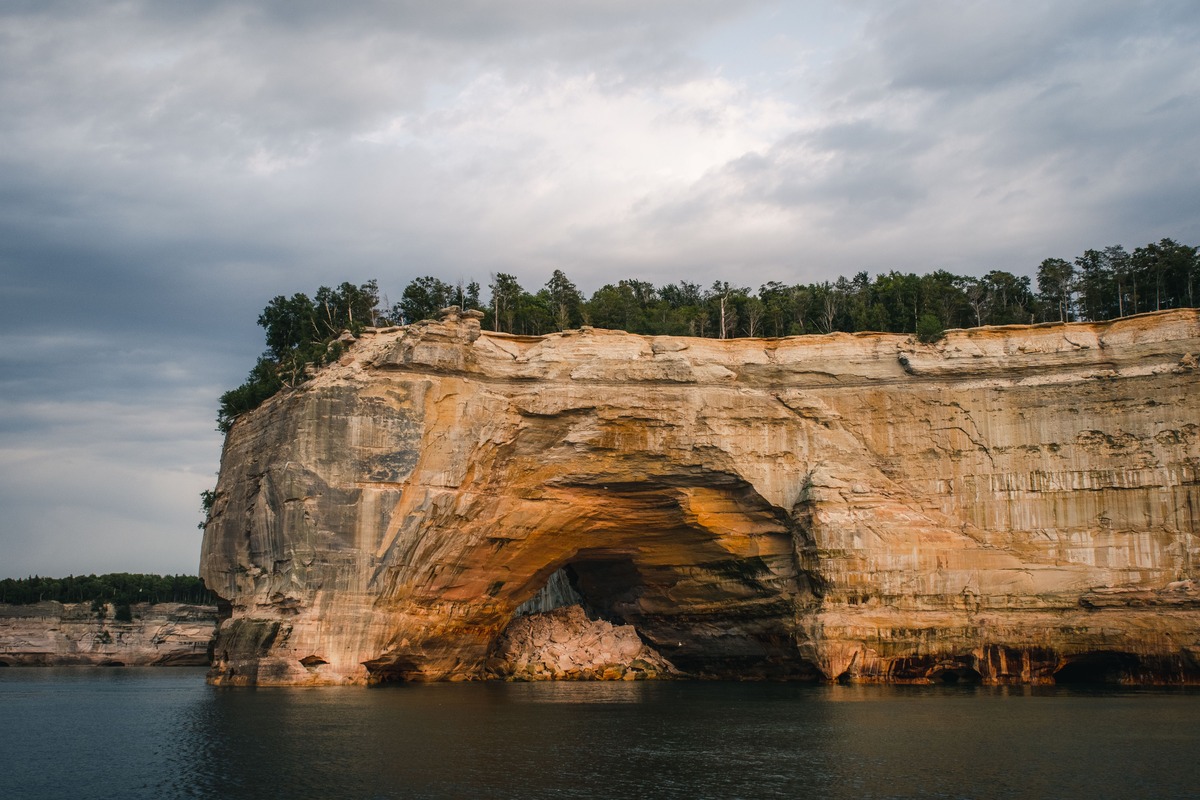
On a map, the Upper Peninsula can look like a stretch of land to cross. On the ground, Lake Superior’s shoreline gives you reasons to keep stopping. The cliffs around Pictured Rocks, wooded roads and small lakeside communities suggest a holiday built around a section of coast, with enough time to change your plans when the water or weather does.
The regional tourism board’s Great Lakes overview is a useful starting point for choosing the experience that matters: a shoreline walk, a boat outing or simply several days near the water. These are different holidays, and they do not all require the same base or level of exertion.
Summer suits a trip centred on longer outdoor days; autumn brings another reason to go, with fall colours varying by location and weather. Pick a manageable area rather than trying to cover the whole peninsula. Book the excursion you care about, then keep an alternative day available so one windy morning does not decide the entire visit.
5. Chicago, Illinois: Architecture Is Only the Beginning
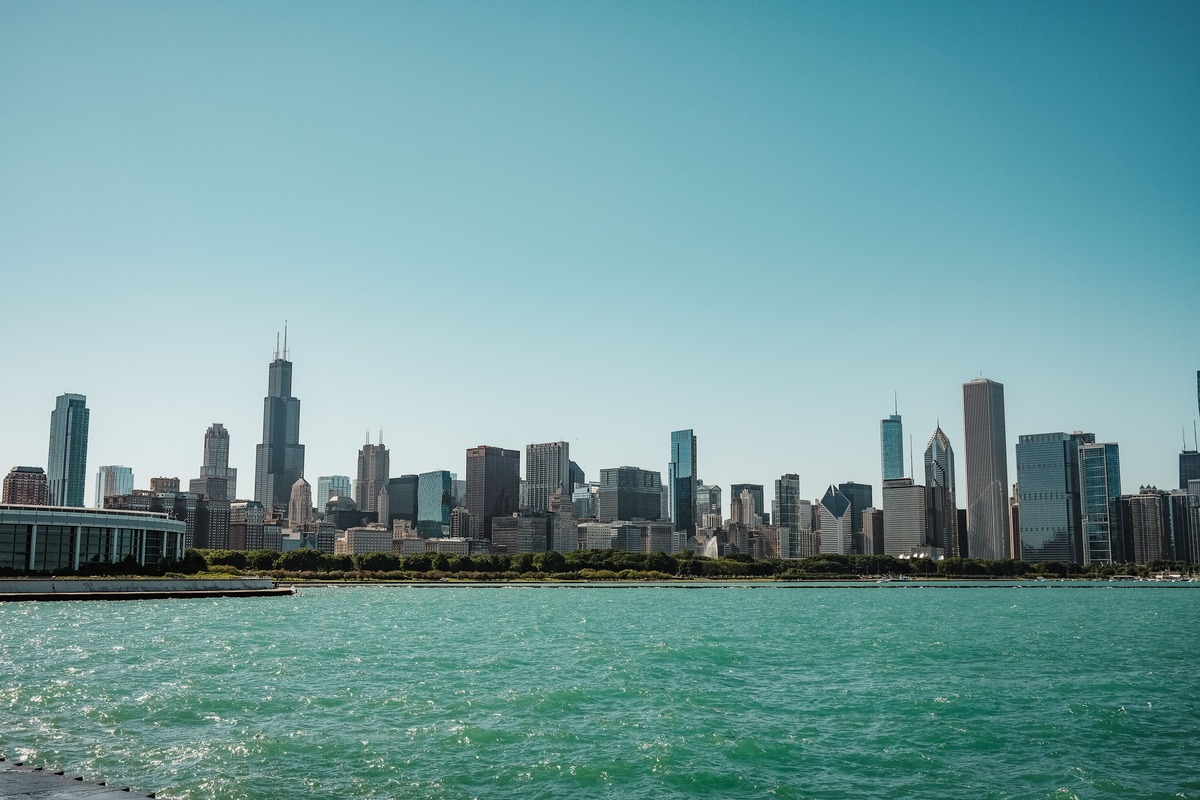
Chicago’s architecture is a compelling reason to arrive, but it should not be the only thing you see. A river cruise gives shape to the skyline and helps explain how the city fits together. The local tourism office distinguishes between boat experiences on the river and Lake Michigan, so choose the route for what you want to understand rather than booking the first departure available.
After that, let a neighbourhood meal or an evening performance take you away from the landmark circuit. Chicago works particularly well for travellers who like a cultural break with room to improvise: a museum one morning, the lakefront later, then a dinner that becomes the main event of the day.
We would give the city several nights instead of making it a rushed add-on. Choose accommodation with the journeys you will actually make in mind, not just the view from the room. In warmer months, leave a clear stretch of time for the water and the parks; in colder weather, build the visit around the indoor experiences you would happily travel for anyway.
6. Vancouver Island, British Columbia: Let Local Knowledge Lead
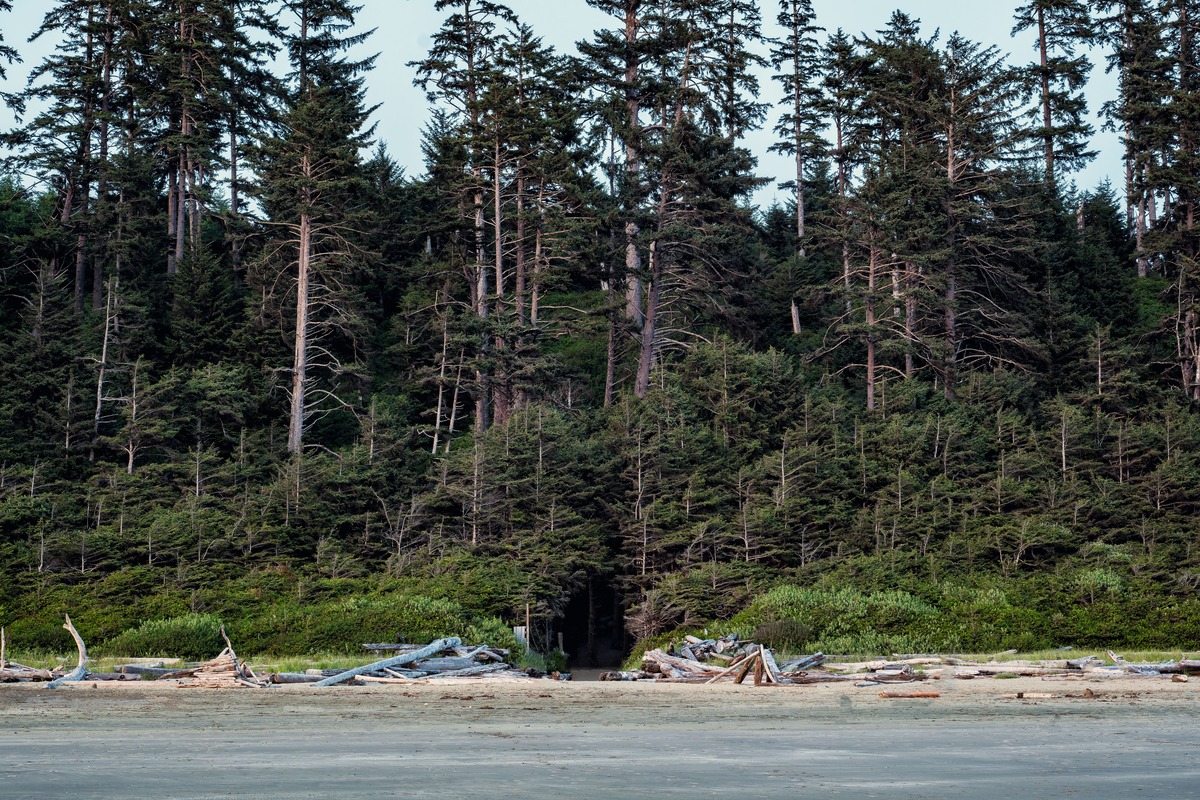
Vancouver Island’s west coast can deliver an impressive photograph almost by accident. The richer trip comes from understanding what you are looking at. In Tofino, Ahous Adventures, owned and operated by the Ahousaht Nation, offers coastal excursions that connect landscapes and wildlife with local knowledge and cultural perspectives.
Its experiences include trips to Hot Springs Cove and wildlife outings, giving visitors alternatives to treating the coast as scenery seen from a car window. Wildlife is never a guaranteed performance. Choose a departure because you want to spend time in this environment and listen to the people guiding you, rather than because one particular animal must appear.
For 2027, we would allow several nights on the coast and book one substantial guided outing. Leave another day available in case conditions affect the schedule. Combine that with unhurried beach walks and meals close to where you are staying. Trying to fit the island into one fast road trip can mean spending more time moving between landscapes than experiencing any of them.
7. Québec’s Eastern Townships: A Countryside Holiday in Small Portions
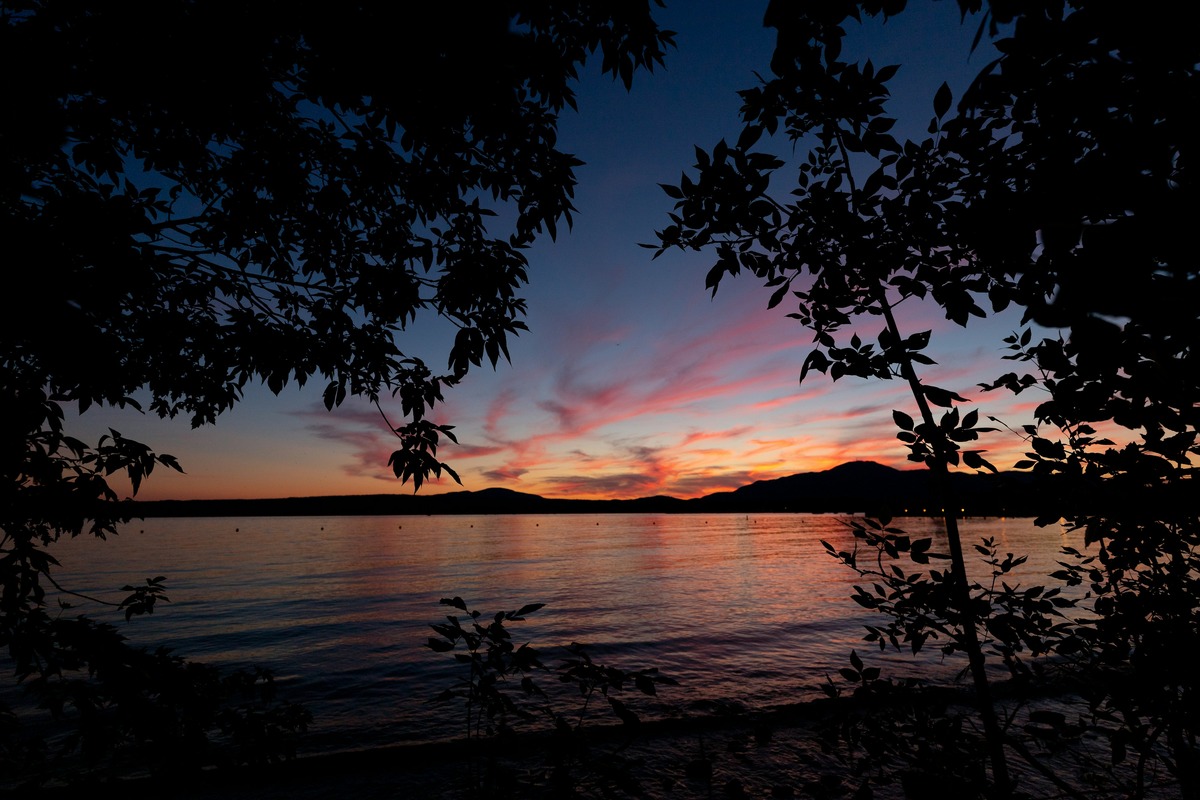
Québec’s Eastern Townships offer a different kind of Canadian trip from a big-city pairing or a journey across the Rockies. The attraction lies in the smaller scale: a country inn, a village café, a lake and a vineyard that gives one afternoon a purpose. You can build a satisfying stay from a few well-chosen places without turning it into a long-distance expedition.
The Brome-Missisquoi wine route provides a useful thread through part of the region, connecting vineyards and villages. It is a framework to borrow from rather than a checklist to finish. Pick a tasting or two, decide who is driving and leave time for lunch and the countryside in between.
A summer visit lends itself to lakeside time, while autumn can shift the emphasis towards the landscape and slower evenings indoors. Check individual businesses’ seasonal hours before settling your dates. We would stay several nights in one area, choosing a base for the atmosphere and food as much as its position on the map.
8. Nova Scotia, Canada: A Road Trip With a Taste of the Coast
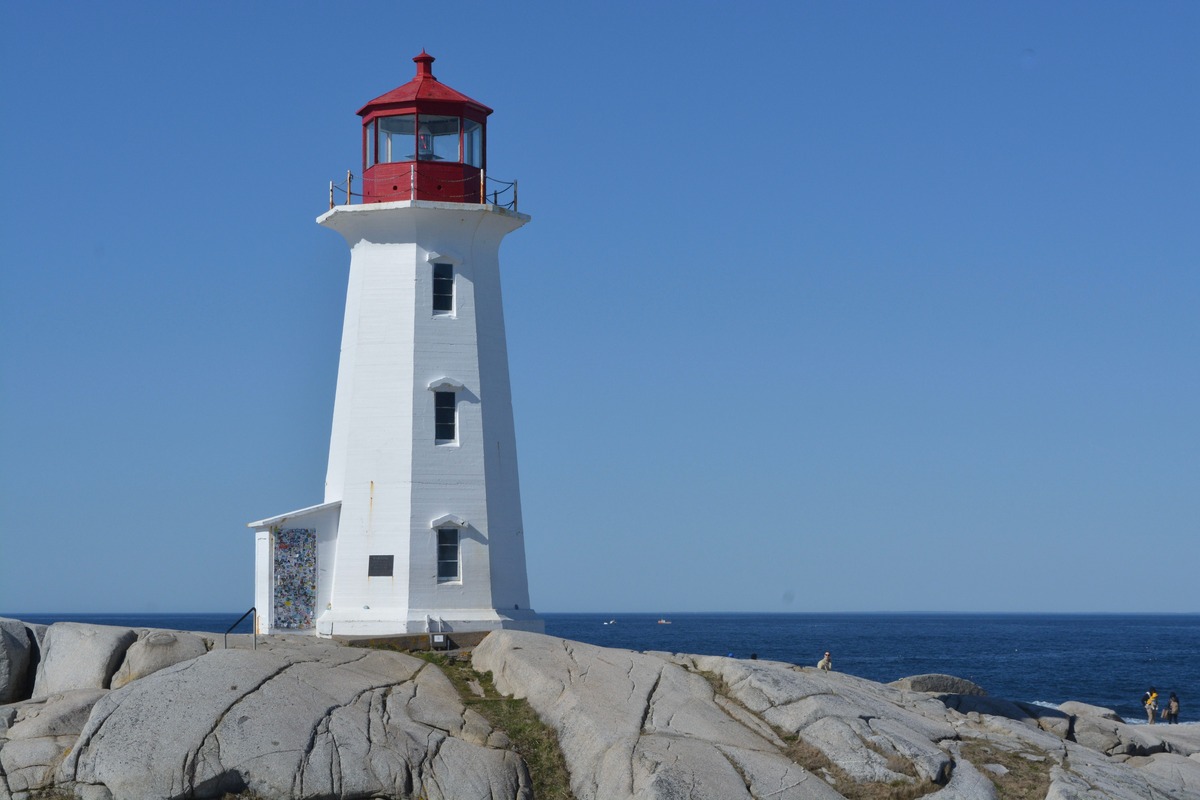
Nova Scotia invites a coastal journey, but it does not require you to drive every stretch of coastline. Halifax, the South Shore and Cape Breton each offer enough material for a trip of their own. The province’s regional overview helps establish the geography before you start joining favourite photographs with an overambitious line on a map.
Food gives the journey a natural rhythm. A harbour lunch, a bakery stop or a meal chosen for local seafood can be more memorable than another hurried viewpoint. Build driving days around the places where you want to stop and eat, with time to walk afterwards. A lighthouse photograph becomes a better memory when it belongs to an afternoon you enjoyed.
We would choose one part of the province for a shorter holiday and save a wider circuit for a longer stay. Check seasonal opening dates for smaller businesses and boat trips, especially outside the main summer period. The extra night in a coastal town often adds more to the holiday than the next hundred kilometres.
9. Valle de Guadalupe, Mexico: Stay for the Dinner, Not Just the Tasting

Valle de Guadalupe makes a convincing case for travelling around a meal. In this part of Baja California, vineyard landscapes, restaurants and small hotels sit close enough to shape a holiday around food and wine. The official wine-region overview describes a destination where local produce and Baja Med cooking are as much a draw as the cellars.
Choose the dinner you most want to experience, then work out where to sleep and how to get there. Staying in the valley changes the pace: you can enjoy an evening without making the last tasting feel like the end of a day trip. One or two vineyard visits are enough if they leave room for a long lunch and a slow start the next morning.
Book transport for wine-tasting days and check opening schedules before choosing a midweek stay. Baja California’s visitor information notes that many local restaurants and vineyards concentrate their opening days towards the weekend. The right plan is the one that gives the places you came for time to be themselves.
10. Oaxaca, Mexico: Travel With an Appetite for Detail
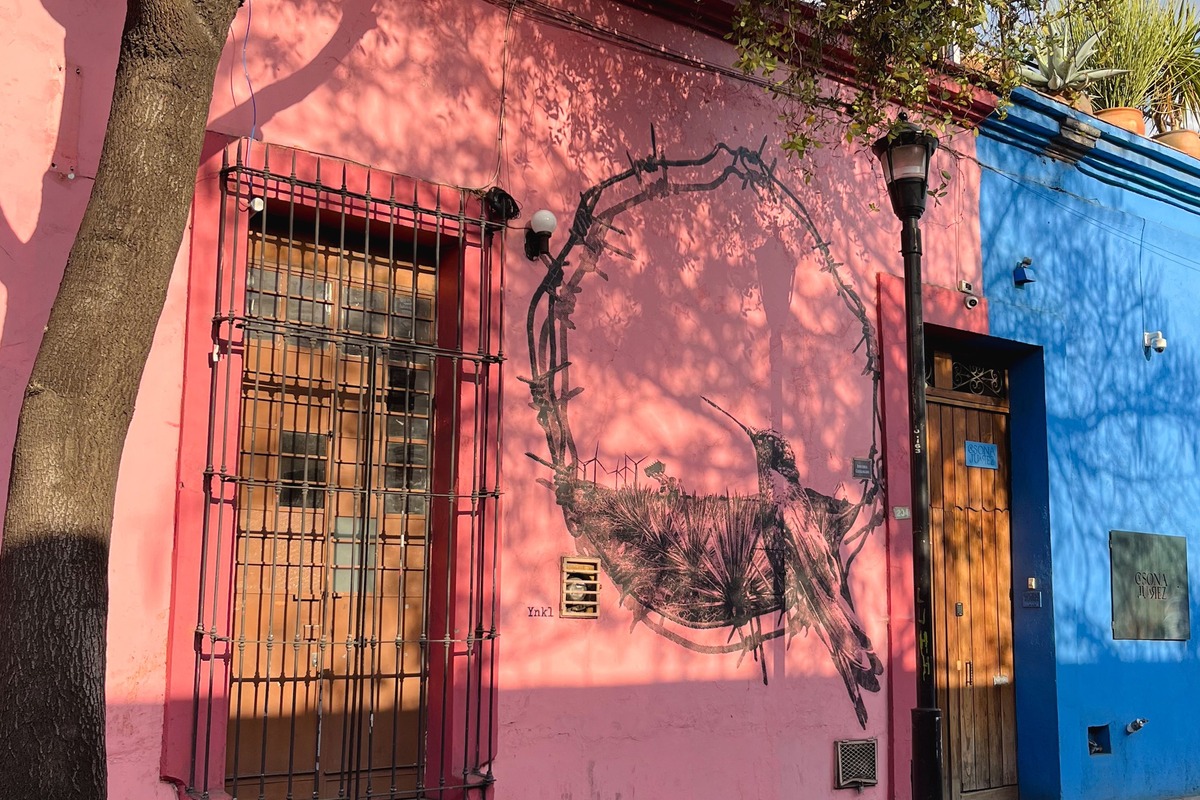
Oaxaca belongs on a food-minded shortlist, but it rewards a more curious approach than collecting famous dishes. The Benito Juárez market brings regional ingredients, prepared foods and everyday shopping into the same setting. Spend time looking and asking questions rather than expecting one stop to explain a whole culinary culture.
A market visit can lead naturally to a cooking session or a conversation with a maker. The best choice depends on your interest: how an ingredient is used, how a textile is produced or how a family business has developed. Book an experience with a clear description of who will host it and what you will actually do, rather than an itinerary that promises everything in a few hours.
Leave some meals unplanned. Our feature on breakfast traditions explores why the first meal can be an experience in its own right. In Oaxaca, giving a morning that same attention is an appealing alternative to organising every day around a dinner reservation.
11. Yucatán, Mexico: Go Inland and Give the Water Time
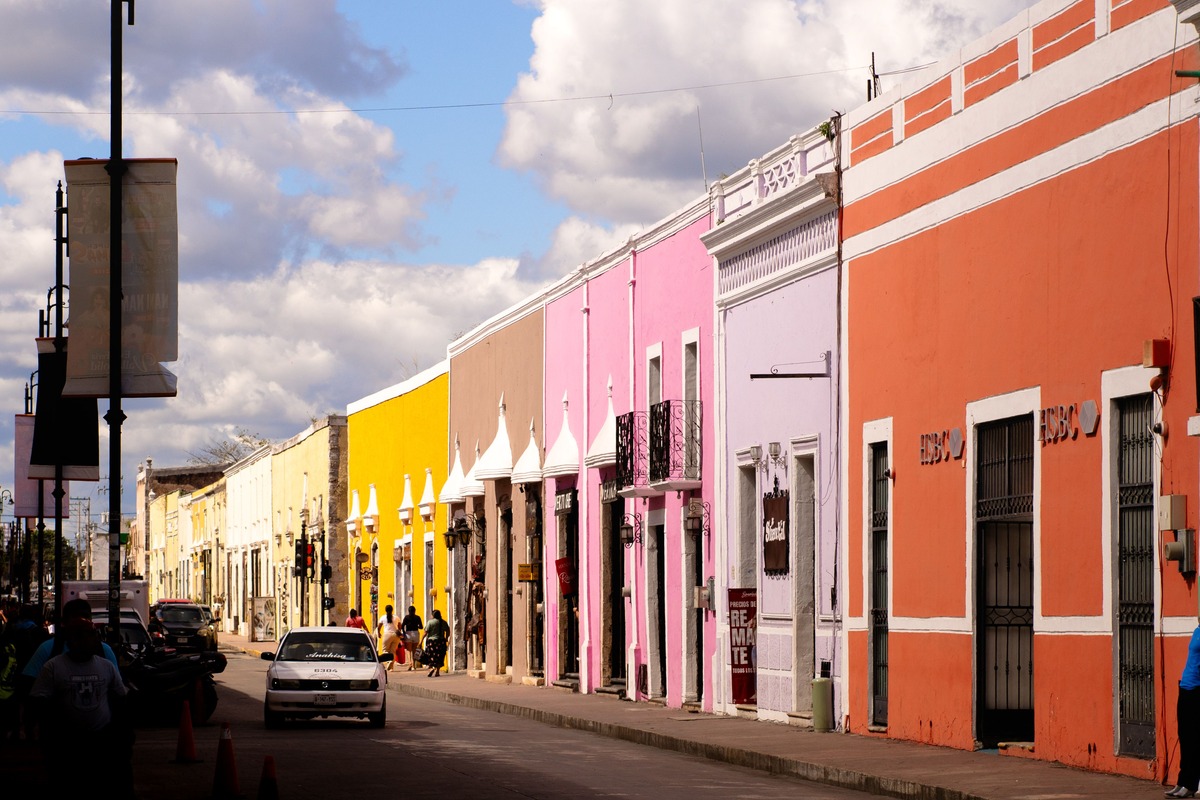
Yucatán offers a different rhythm from a holiday spent entirely beside the sea. Towns, cenotes and living Maya culture give inland travel its character. Valladolid can provide a starting point for a stay in which a morning walk, a regional meal and a swim do not have to compete with a long transfer back to the coast.
The state tourism board’s cenote information is useful for understanding that these places are not interchangeable attractions. Choose an experience for its setting and access arrangements, then check current rules with the operator. A quieter visit with time to appreciate the surroundings is preferable to counting how many swimming stops you can fit into a day.
For 2027, consider making the inland stay a proper part of the holiday, not a single excursion between resort days. Spread the experiences out, use locally led visits where they add context and leave the hottest part of the day less demanding. One well-chosen base can reveal more than an ambitious loop.
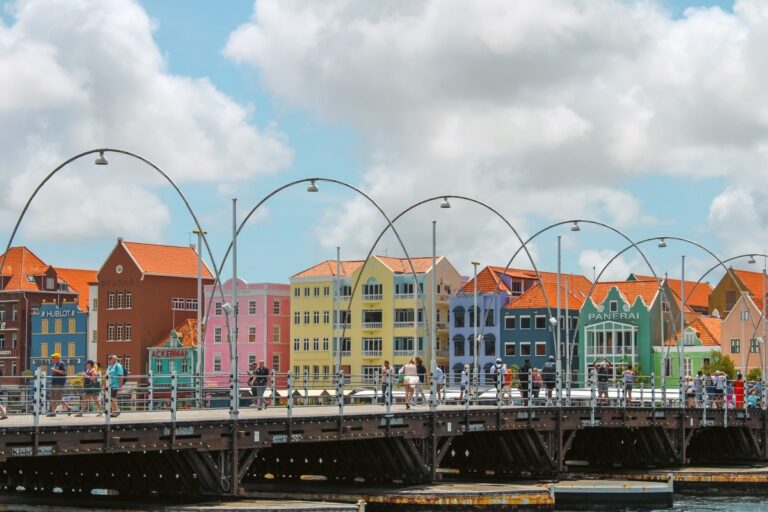
12. Curaçao: Keep the City in Your Island Holiday
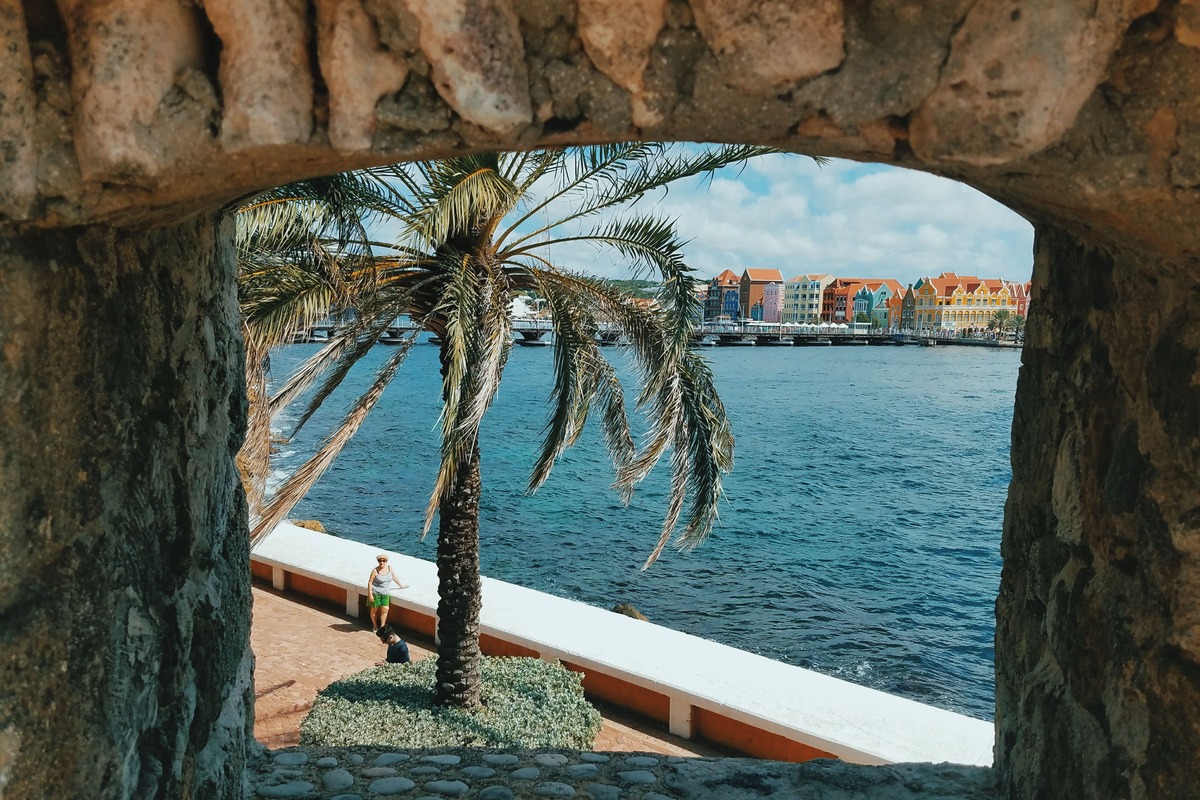
Curaçao is an appealing choice for travellers who want beach time without giving up the pleasures of a town. Willemstad’s waterfront architecture supplies the familiar image, but its neighbourhoods, museums and food give the visit substance. The tourism board’s island overview also points west towards a more rural landscape and the parks around Christoffel and Shete Boka.
That contrast is the reason to go. Spend part of the stay with easy access to Willemstad, then plan time for coves and the island’s inland scenery. You do not need to change hotels repeatedly to vary the experience, but your choice of base should reflect whether you want walkable evenings or a more secluded setting.
We would resist booking an excursion for every day. Leave time to return to a favourite swimming spot and explore a neighbourhood without a fixed schedule. A Caribbean holiday can have a strong cultural thread while still leaving room for a long, gloriously uneventful afternoon by the water.
13. Dominica: An Island for People Who Like the Walk
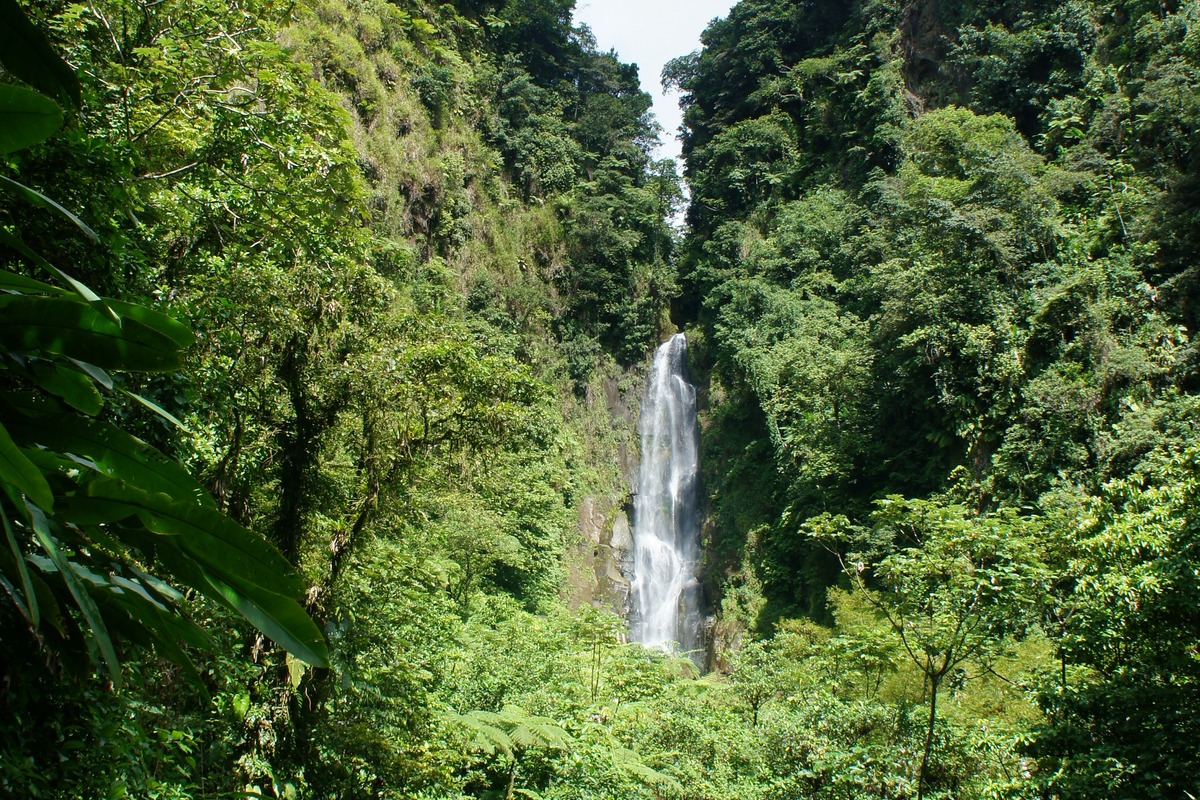
Dominica is the choice here for travellers whose idea of an island holiday includes muddy shoes. Rainforest, waterfalls and walking routes give the landscape a different emphasis from a resort-first beach break. Start with Discover Dominica’s outdoor experiences and choose activities for your fitness and interests, rather than assuming every attractive trail makes an easy morning outing.
The Waitukubuli National Trail offers a framework for understanding the island on foot, but a holiday does not have to mean attempting a long-distance trek. A suitable guided section, a waterfall visit and a day near the coast can make a more satisfying combination than taking on the most demanding walk simply because it is well known.
Ask about current trail conditions when booking and allow for changes after rain. A guide’s local knowledge is part of the experience, not just a way to find the route. We would give Dominica enough nights to alternate active days with slower ones and enjoy the island without treating every outing as an achievement.
14. Puerto Rico: Save an Evening for the Water
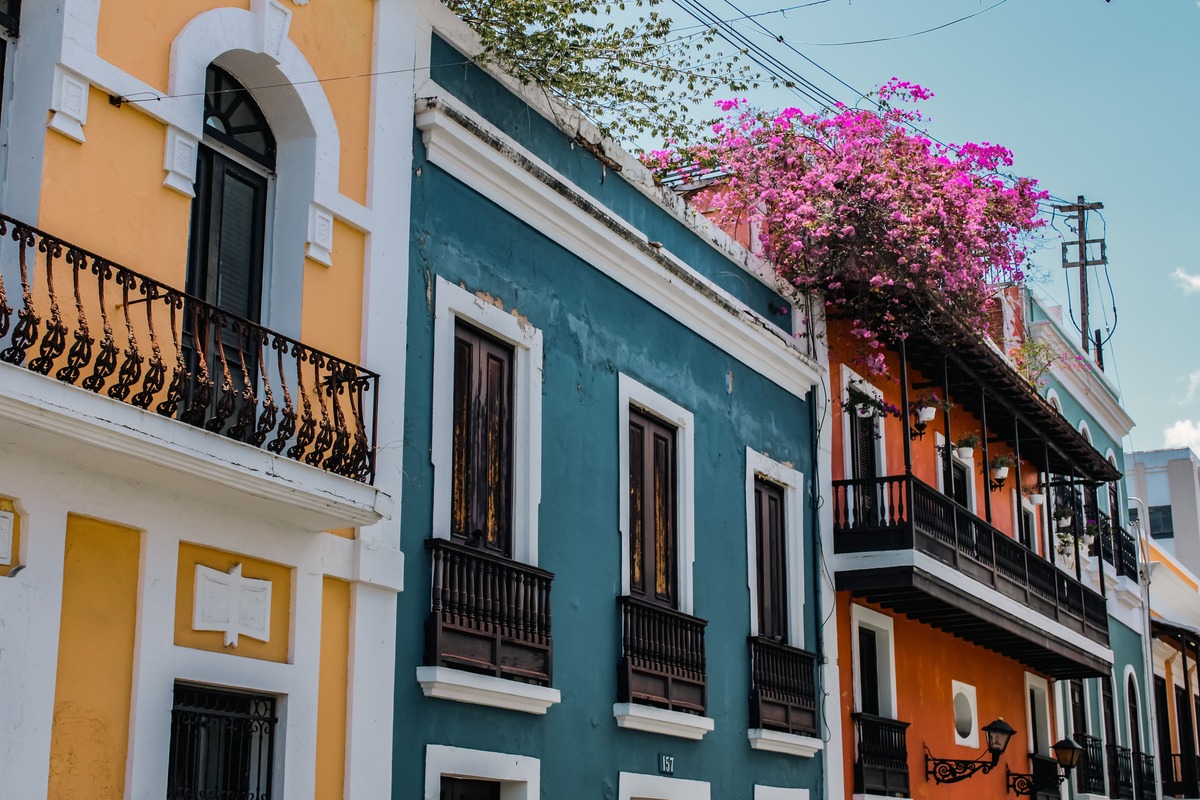
Puerto Rico can begin in San Juan with the colourful streets of its old town, then take quite a different turn after dark. Its bioluminescent bays make the timing of an evening as important as the choice of beach. Discover Puerto Rico’s bioluminescence overview explains the appeal of these waters, where conditions and moonlight influence what visitors see.
Book with a local operator and ask which departure suits the dates of your trip. Do not build expectations around an intensely blue photograph: the experience is natural and its appearance varies. A well-led outing is about understanding the environment as well as noticing the light when the water moves.
Choose the rest of the holiday around one or two areas rather than trying to cover the whole island and its offshore destinations in a few days. A stay that combines historic streets, regional food and time on the coast already has plenty of variety. Leaving an evening free for the bay gives the trip something distinctive to anticipate.
15. Saint Lucia: Enjoy the Pitons at Your Own Pace
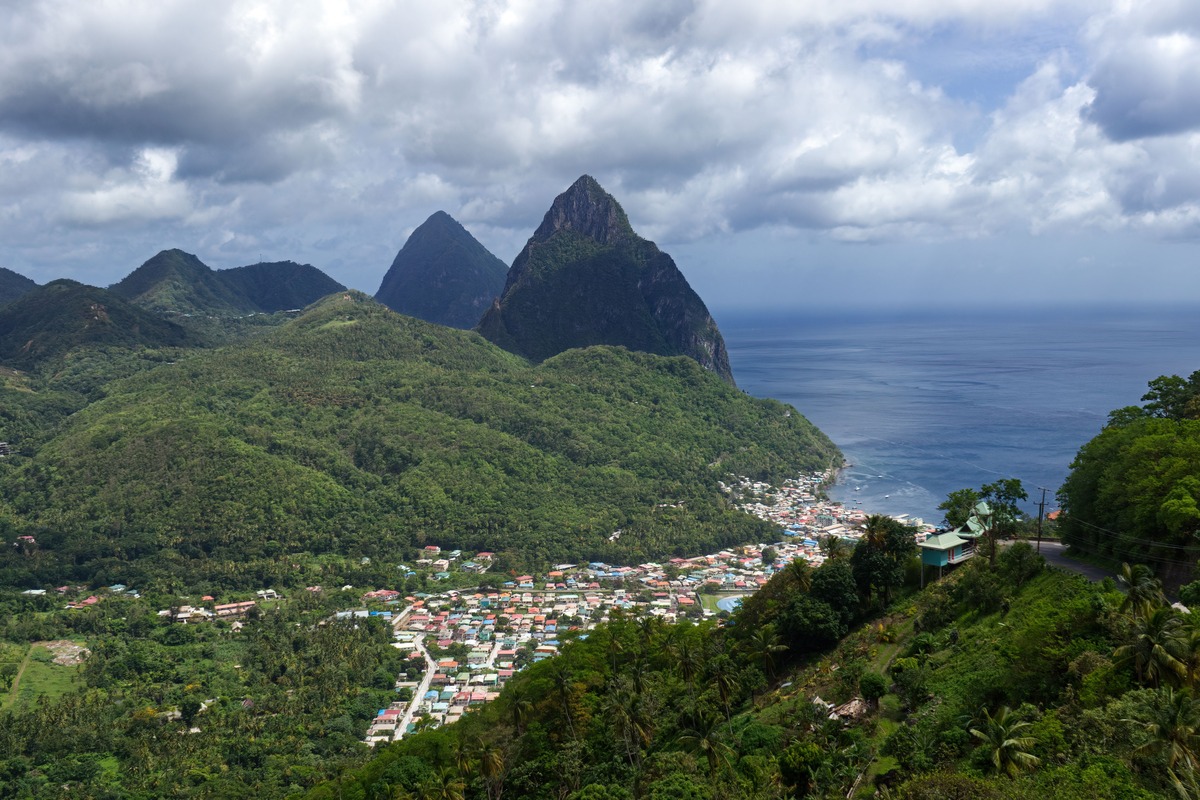
The Pitons give Saint Lucia an unmistakable outline, but enjoying them does not require reaching a summit. The southwest coast offers the pleasure of looking at the landscape from different angles, with time for the water and an unhurried lunch. Choose a place to stay for the experience you want, whether that means a dramatic view, easier access to excursions or more time on a beach.
For walkers, the official Piton information is a starting point for understanding the challenge and arranging a guided climb. Be honest about fitness and interest. A demanding hike is worthwhile for someone who wants the walk; it is unnecessary for someone who simply wants to spend time in this beautiful part of the island.
Saint Lucia’s seasonal guidance identifies December to April as the drier, busier period. For a 2027 holiday, weigh preferred weather against availability and the full cost of the stay. Leave at least one day without a major booking, so the view can be something you live with for a while rather than rush past.
Choose the Trip Before You Choose the Date
These places suit different holidays, which is the point of putting them together. Memphis and Chicago offer cultural city breaks; the Willamette Valley, Eastern Townships and Valle de Guadalupe put food and wine at the centre; Vancouver Island, the Upper Peninsula and Dominica ask you to make room for the landscape.
Start with the experience you would be disappointed to miss, then check its season, availability and practical requirements. Published museum schedules, tour departures and opening hours can change before 2027. Book around what is confirmed, keep the rest of the plan manageable and leave enough room for the discoveries that never appear on a shortlist.
Disclaimer: TravelCapybara is an independent media brand owned and operated by NuvexMedia LLC, publishing travel news, destination guides, research, and insights. NuvexMedia LLC may invest in or collaborate with companies across the travel, hospitality, technology, and digital media sectors. These relationships do not influence TravelCapybara’s editorial coverage. While we strive for accuracy, travel requirements, prices, schedules, availability, and local conditions may change without notice. Readers should independently verify information before making travel or purchasing decisions. This content is for informational purposes only and does not constitute professional advice. © 2026 NuvexMedia LLC. All rights reserved.