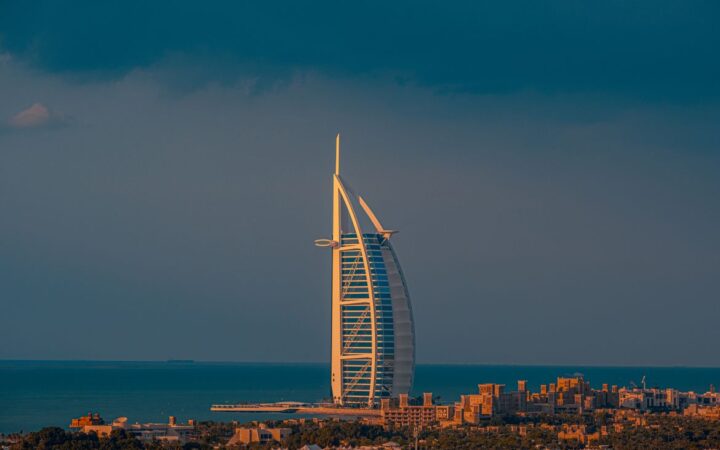
Dubai’s Burj Al Arab is expected to reopen in October 2027 after an extensive 18-month restoration designed to update one of the world’s most recognizable luxury hotels without erasing the extravagant identity that made it famous.
The sail-shaped Jumeirah property closed in April 2026, marking the first major restoration since it welcomed guests in December 1999. Although Jumeirah has not announced an exact reopening day, the current construction schedule points to an October 2027 return.
French interior architect Tristan Auer is leading the project across the 198-suite hotel. His brief is less about reinventing Burj Al Arab than preserving its distinctive character while carefully modernizing spaces that have been in continuous use for more than 25 years.
Around 70% to 80% of the existing décor is expected to be retained and restored. Signature materials including gold leaf, Statuario marble, Swarovski crystal and specialist decorative finishes will remain central to the design. Jumeirah is using skilled artisans to repair existing elements wherever possible instead of replacing large sections with new materials.
That approach is important for a property whose visual excess has become part of its identity. Burj Al Arab’s vast atrium, bold colors and gold-heavy interiors are as recognizable as its exterior architecture, and a radical redesign could risk removing the features travelers associate with the hotel.
The entrance aquarium and distinctive lobby are expected to remain, while other areas will undergo more significant changes. Spa circulation and internal guest flow will be redesigned, and discreet technology upgrades will be introduced throughout the property.
Auer describes his approach as “haute decoration,” combining bespoke fabrics, exclusive finishes and contemporary details with the hotel’s original design language. His previous work includes restoration and hospitality projects such as Hôtel de Crillon in Paris and Les Bains Douches.
Jumeirah CEO Thomas B. Meier has described Burj Al Arab as more than a hotel, calling it a symbol of ambition, craftsmanship and enduring excellence. The restoration is intended to extend that legacy rather than reposition the property around a completely new concept.
Built on its own man-made island, Burj Al Arab became one of the defining images of modern Dubai and gained an unofficial “seven-star hotel” reputation through its extreme approach to service and luxury.
Its closure therefore removes one of Dubai’s most famous hospitality landmarks from the market for another full year.
When Burj Al Arab returns in 2027, the challenge will be unusual: making a hotel famous for excess feel contemporary without making it look unfamiliar. Jumeirah is betting that careful restoration, rather than reinvention, is the answer.
Disclaimer: TravelCapybara is an independent media brand owned and operated by NuvexMedia LLC, publishing travel news, destination guides, research, and insights. NuvexMedia LLC may invest in or collaborate with companies across the travel, hospitality, technology, and digital media sectors. These relationships do not influence TravelCapybara’s editorial coverage. While we strive for accuracy, travel requirements, prices, schedules, availability, and local conditions may change without notice. Readers should independently verify information before making travel or purchasing decisions. This content is for informational purposes only and does not constitute professional advice. © 2026 NuvexMedia LLC. All rights reserved.