Brand USA is moving to address confusion around U.S. visa, entry and tourism fee policies with a new traveler information initiative aimed at rebuilding confidence in inbound travel. The program, called “Get Facts. Get Going.,” is being launched as part of the organization’s broader America the Beautiful marketing platform and comes at a difficult moment for U.S. tourism.
The campaign is designed to give international travelers and travel advisors a clearer source of information on entry requirements, visa-related costs, national park fees and border process updates. Brand USA says the goal is to counter misconceptions that may be discouraging some travelers from planning trips to the United States.
The initiative arrives as inbound U.S. visitation remains under pressure. International visits fell in 2025, making the United States one of the weakest performers among major global tourism markets. Travel industry leaders have pointed to a mix of factors, including geopolitical tensions, negative global perceptions, confusion around immigration enforcement, tariff-related headlines and uncertainty over potential travel fees.
Clarifying Entry Rules and Travel Costs
The new campaign will focus on practical questions international travelers may have before booking a U.S. trip. That includes whether the country remains welcoming to foreign visitors, what fees are currently in place, which proposed policies have not taken effect and how existing visa exemptions work for travelers from key source markets.
One issue Brand USA plans to clarify is the planned $250 Visa Integrity Fee. While the fee has been passed by Congress, the campaign will explain that it is not yet in effect and would not apply to travelers from many major U.S. tourism source countries covered by the Visa Waiver Program. That distinction matters because headlines about new fees can quickly create a perception that all visitors will face higher costs.
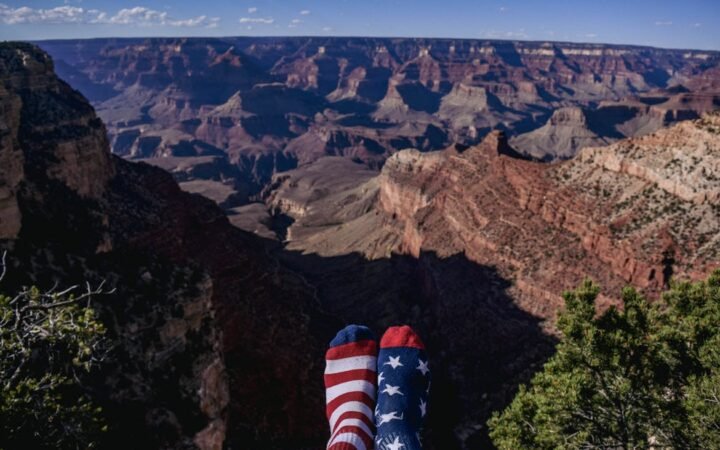
The campaign will also address national park entrance fees. A proposed surcharge for non-U.S. residents has raised concerns among international visitors, but Brand USA aims to explain where the fee applies and how travelers can potentially save money through broader federal recreation passes. For overseas visitors planning multi-park trips, that information could make the difference between hesitation and booking.
Another point of clarification involves a proposal to collect five years of social media history from travelers from Visa Waiver Program countries. Brand USA plans to make clear that the proposal has not become policy. It will also highlight process improvements such as Mobile Passport Control, which can make arrival procedures more efficient for eligible travelers.
A Marketing Push During a Critical Tourism Window
The timing is strategic. The campaign was announced as major travel industry events opened in Fort Lauderdale and Frankfurt, giving Brand USA a platform to reach both U.S. destinations and international travel sellers. It also comes as the United States prepares for major tourism opportunities, including the 2026 FIFA World Cup and America’s 250th anniversary.
Brand USA is also pairing the information campaign with “American Originals,” a storytelling series focused on distinctive U.S. people, places and cultural experiences. Early films highlight themes such as Monument Valley’s role in Western films, Elvis and rock ’n’ roll, barbecue and Broadway. Together, the two efforts combine reassurance with inspiration: one addresses travel friction, while the other reminds travelers why the U.S. remains culturally compelling.
The challenge is that marketing alone may not reverse inbound travel weakness if travelers continue to perceive the U.S. as expensive, complicated or politically tense. But clear information can help reduce avoidable uncertainty, especially for travelers who are still interested in visiting but unsure about rules, fees or arrival procedures.
For Brand USA, the message is direct: the United States wants international visitors to feel informed, prepared and welcome. In a competitive global tourism market, that confidence has become as important as the destination pitch itself.
Disclaimer: TravelCapybara is an independent media brand owned and operated by NuvexMedia LLC, publishing travel news, destination guides, research, and insights. NuvexMedia LLC may invest in or collaborate with companies across the travel, hospitality, technology, and digital media sectors. These relationships do not influence TravelCapybara’s editorial coverage. While we strive for accuracy, travel requirements, prices, schedules, availability, and local conditions may change without notice. Readers should independently verify information before making travel or purchasing decisions. This content is for informational purposes only and does not constitute professional advice. © 2026 NuvexMedia LLC. All rights reserved.