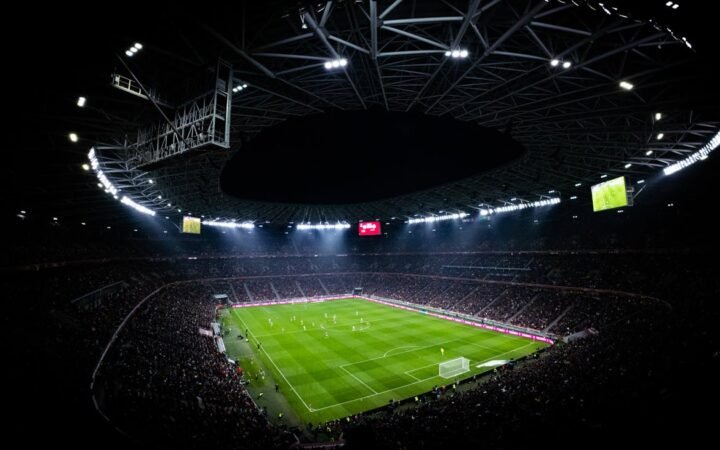
The 2026 FIFA World Cup is being billed as one of the largest tourism events North America has ever hosted, but the cost of attending is quickly becoming part of the story. With matches spread across the United States, Canada and Mexico, the tournament is expected to draw millions of visitors and generate strong demand for hotels, restaurants, transport and entertainment. Yet for many fans, the price of simply being there is rising far beyond the match ticket.
The United States will host most of the tournament’s games, with 11 cities preparing for crowds that could strain transport systems, public safety budgets and local infrastructure. The promise is familiar: global exposure, packed hotels and a short-term visitor boom. The concern is also familiar. Host cities often carry large costs for security, logistics, transit and venue operations, while FIFA controls many of the most lucrative revenue streams, including ticketing, sponsorships and broadcast rights.
That imbalance is becoming more visible as fans begin to calculate the full price of a World Cup trip. Premium tickets, hospitality packages and transportation costs suggest the tournament is moving deeper into the high-end live-event economy, where access increasingly depends on income rather than enthusiasm.
Host Cities Face the Bill
For cities, the World Cup can deliver a surge of visitors, but it can also expose weaknesses in how mega-event tourism is financed. Public agencies may need extra trains, buses, staff, police, signage and crowd-control systems, even when the direct revenue from the event flows elsewhere. That has led to difficult decisions over whether local taxpayers or visiting fans should absorb the cost.
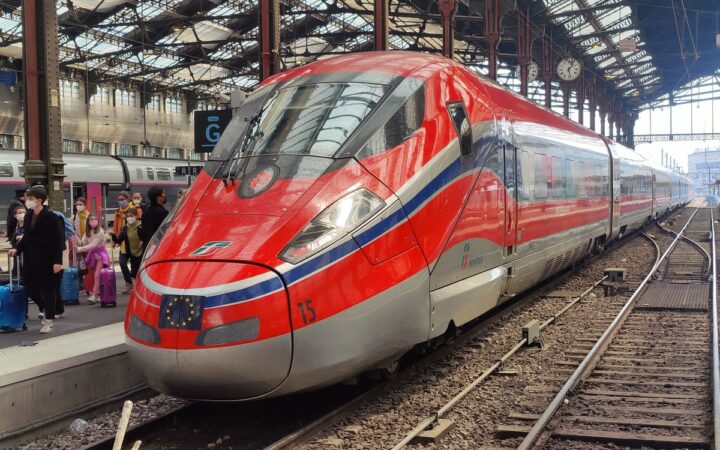
New York and New Jersey have become the clearest example. Round-trip rail service to MetLife Stadium is set to cost far more than a normal commuter fare, reflecting the added expense of moving tens of thousands of fans safely between Manhattan and the stadium area. Boston is also planning higher-priced event transport to Gillette Stadium. In both cases, officials have framed the increases as cost recovery rather than profit.
Other host cities are taking a different approach. Philadelphia has secured a sponsorship-supported transit plan that will keep local travel costs far lower for fans, while some cities are offering limited lower-cost shuttle or public transport options. The result is a patchwork experience where the price of attending a match may depend not only on the ticket, but on which city is hosting it.
Live Tourism Moves Upmarket
The World Cup is also becoming a case study in the broader shift toward premium live tourism. Major concerts, sports finals and global events have learned that affluent travelers will pay heavily for rare experiences, especially when access is packaged with status, convenience and exclusivity. FIFA is now applying that logic on a global scale.
That strategy may generate enormous revenue, but it risks changing the character of the event. Football’s global appeal has always rested partly on mass participation and emotional access. If transportation, lodging, tickets and hospitality packages price out ordinary fans, the World Cup becomes less of a public festival and more of an elite travel product.
For the tourism industry, the upside is clear. Hotels, restaurants, airlines and entertainment venues in host cities should see strong demand, particularly from high-spending international visitors. But the long-term value for cities is harder to prove. Short bursts of spending may benefit specific sectors, while public costs can remain difficult to measure.
The 2026 tournament will likely still produce memorable crowds and major tourism gains. The more important question is whether host cities and fans will look back on the cost and feel that the experience was worth it.
Disclaimer: TravelCapybara is an independent media brand owned and operated by NuvexMedia LLC, publishing travel news, destination guides, research, and insights. NuvexMedia LLC may invest in or collaborate with companies across the travel, hospitality, technology, and digital media sectors. These relationships do not influence TravelCapybara’s editorial coverage. While we strive for accuracy, travel requirements, prices, schedules, availability, and local conditions may change without notice. Readers should independently verify information before making travel or purchasing decisions. This content is for informational purposes only and does not constitute professional advice. © 2026 NuvexMedia LLC. All rights reserved.