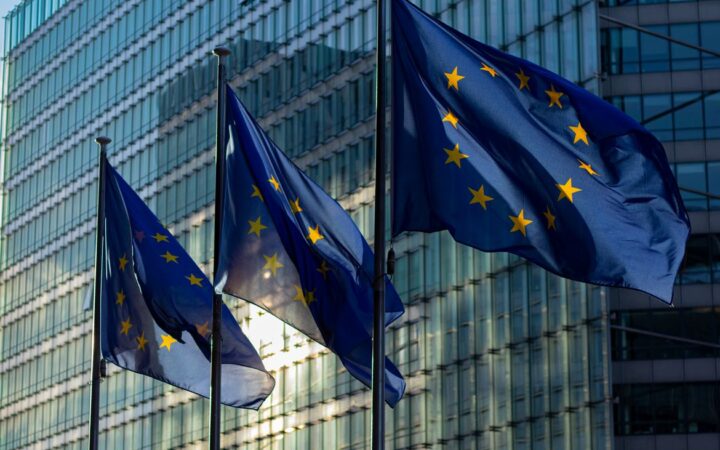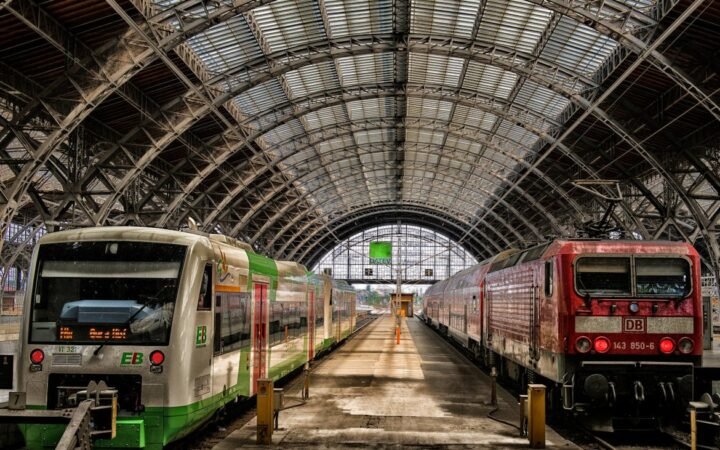
The European Commission has proposed new rules that could make rail travel across Europe easier to book, compare and complete, especially for passengers using more than one operator on the same journey. The package, presented on May 14, targets regional, long-distance and cross-border rail trips within the European Union and is designed to address one of the biggest frustrations in European train travel: fragmented ticketing.
Under the proposal, passengers would be able to search, compare and buy combined services from different rail operators as one ticket in a single transaction. These bookings could be made either through independent ticketing platforms or through rail companies’ own sales channels. The goal is to make a multi-leg journey involving several operators feel more like booking one connected trip rather than piecing together separate tickets with different rules.
The most important change concerns passenger rights. When travelers book a multi-operator journey under one ticket, their protections would apply across the entire trip. If a delay causes a missed connection, passengers would be entitled to assistance, rerouting, reimbursement and compensation. Today, travelers can lose those protections when they book separate tickets, even if the trip functions like one continuous journey.
The Commission is also seeking to regulate how rail tickets are displayed and distributed. Ticketing platforms would be required to present offers neutrally, helping passengers compare options without hidden bias toward specific operators. Where possible, platforms would also allow sorting by greenhouse gas emissions, reflecting the EU’s broader push to make rail a more attractive low-carbon alternative to flying or driving.
The proposal would require transport operators and ticketing platforms to reach fair, reasonable and non-discriminatory commercial agreements. That provision matters because integrated rail booking depends not only on technology, but also on whether operators are willing to share data, inventory and access on equal terms. Without those agreements, passengers may continue to face gaps between available services and what booking platforms can actually sell.
The initiative arrives as rail use remains central to Europe’s sustainable transport strategy. EU rail passengers made 8.7 billion trips in 2024, with Germany, France and Italy recording the highest passenger transport performance. Yet cross-border rail still often feels less seamless than air travel, particularly when passengers need to combine national operators, regional trains or high-speed services.
The proposals will now go to the European Parliament and the Council under the ordinary legislative procedure. Member states are also being urged to speed up work on multimodal transport data sharing through national access points.
For travelers, the measure could eventually make European rail feel more unified, predictable and consumer-friendly. For the tourism industry, easier train booking could support more multi-country itineraries, city breaks and low-emission travel across the continent. The challenge will be implementation, but the direction is clear: Europe wants rail to compete not just on sustainability, but on convenience.
Disclaimer: TravelCapybara is an independent media brand owned and operated by NuvexMedia LLC, publishing travel news, destination guides, research, and insights. NuvexMedia LLC may invest in or collaborate with companies across the travel, hospitality, technology, and digital media sectors. These relationships do not influence TravelCapybara’s editorial coverage. While we strive for accuracy, travel requirements, prices, schedules, availability, and local conditions may change without notice. Readers should independently verify information before making travel or purchasing decisions. This content is for informational purposes only and does not constitute professional advice. © 2026 NuvexMedia LLC. All rights reserved.