Indian Prime Minister Narendra Modi’s appeal for citizens to work from home, conserve fuel and limit foreign travel is turning an energy crisis into a tourism story. The message, delivered at a public event in Hyderabad, reflects how the continuing Iran war and disruption around the Strait of Hormuz are beginning to affect not only oil markets, but also the way people commute, plan trips and think about discretionary travel.
Modi framed the appeal as a national conservation effort. He urged Indians to return to online meetings where possible, use public transport, carpool and avoid unnecessary travel. He also asked people to buy less gold, another measure aimed at preserving foreign exchange. For the travel sector, however, the most important signal was his call to limit foreign trips at a time when India’s outbound tourism market has been one of the fastest-growing forces in global travel.
India imports most of its crude oil, leaving the country highly exposed to higher energy prices and supply disruptions in the Gulf. The pressure is already visible in the rupee, inflation concerns and the broader cost of imported goods. If crude prices remain high, the impact could move deeper into travel budgets, airfares, corporate mobility and consumer confidence.
Outbound Tourism Faces a New Reality
India’s outbound travel market has expanded rapidly in recent years, supported by rising incomes, stronger air connectivity and growing demand for international vacations, destination weddings, shopping trips and education-linked travel. Modi’s appeal does not amount to a formal travel restriction, but it may influence how households and companies assess non-essential overseas trips in the coming months.
The first effect is likely to be psychological. When a prime minister links foreign travel to national savings, international trips become part of a larger public conversation about responsibility and economic pressure. Some travelers may postpone leisure trips, choose shorter regional itineraries or shift spending toward domestic destinations if the rupee weakens further and long-haul flights become more expensive.
Airlines and travel agencies could also feel a change in demand mix. Essential travel, visiting friends and relatives, business travel and education-related journeys may hold up better than discretionary vacations. Premium leisure and destination weddings may prove more resilient, but middle-class travelers could become more price-sensitive if fuel costs feed into fares and household budgets.
A Turning Point for Domestic and Sustainable Travel
The same pressure could create an opening for India’s domestic tourism industry. If outbound travel slows, destinations within India may benefit from travelers looking for lower-cost alternatives that do not require foreign exchange spending. Beach destinations, hill stations, spiritual circuits, wildlife tourism and short urban breaks could see renewed interest, especially if rail and road options remain more affordable than international flights.
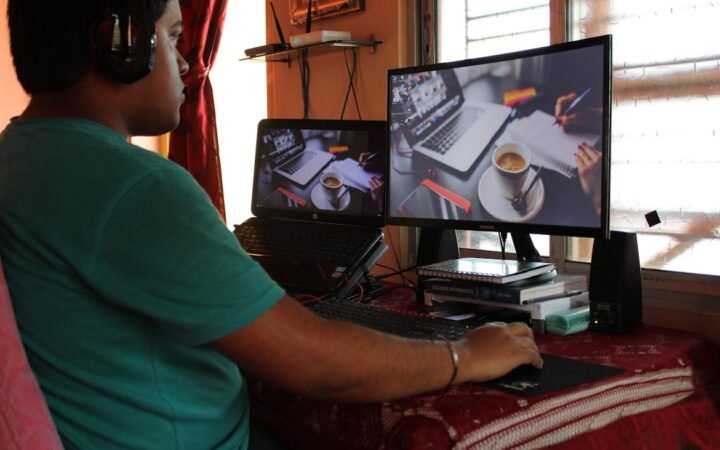
Modi’s emphasis on remote work also points to a broader shift in the future of travel. Work-from-home and virtual meetings reduce commuting and business trips, but they may also support longer domestic stays, workations and slower travel patterns. Companies that return to hybrid models could cut routine travel while allowing employees more flexibility around where they work.
For tourism, the bigger lesson is that energy security is becoming part of travel planning. The Iran war has shown how quickly geopolitical disruption can affect airfares, currency markets and consumer behavior far from the conflict zone. India’s travel future may not be defined by demand alone, but by how travelers, companies and governments balance mobility with cost, fuel use and economic resilience.
Disclaimer: TravelCapybara is an independent media brand owned and operated by NuvexMedia LLC, publishing travel news, destination guides, research, and insights. NuvexMedia LLC may invest in or collaborate with companies across the travel, hospitality, technology, and digital media sectors. These relationships do not influence TravelCapybara’s editorial coverage. While we strive for accuracy, travel requirements, prices, schedules, availability, and local conditions may change without notice. Readers should independently verify information before making travel or purchasing decisions. This content is for informational purposes only and does not constitute professional advice. © 2026 NuvexMedia LLC. All rights reserved.