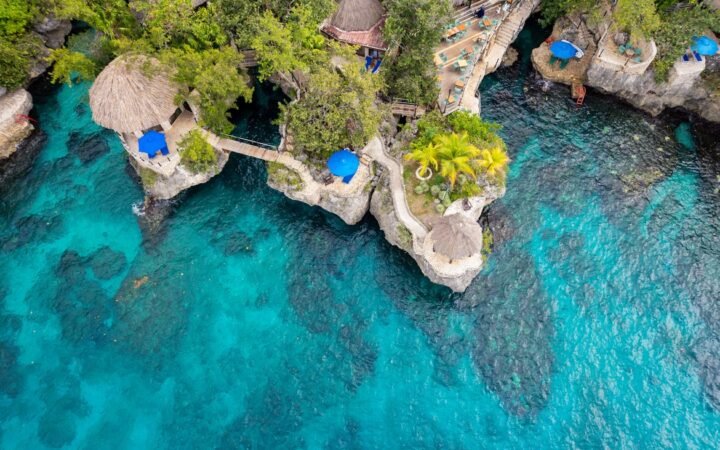
Jamaica is preparing for a major tourism expansion, with new airline routes, a multibillion-dollar hotel development pipeline and a regional aviation summit planned as the island looks to build on a strong rebound in visitor demand. Tourism Minister Edmund Bartlett announced the developments at the Caribbean Hotel and Tourism Association’s Caribbean Travel Marketplace 2026, positioning the island for long-term growth after a difficult period marked by Hurricane Melissa.
The announcements come after Jamaica reported more than one million visitors and about $956 million in foreign exchange earnings in the first quarter of 2026. That performance, recorded only six months after the hurricane affected the island, has become a key part of Jamaica’s tourism message: the destination is not only recovering, but actively expanding.
The government and tourism officials are framing the latest moves as part of a broader shift toward a more diversified tourism economy. Jamaica’s visitor model has long been anchored by beaches, resorts and cruise ports, but officials are now emphasizing a wider mix of gastronomy, wellness, music, adventure, boutique hospitality and cultural events.
New Air Routes Strengthen Access to Jamaica
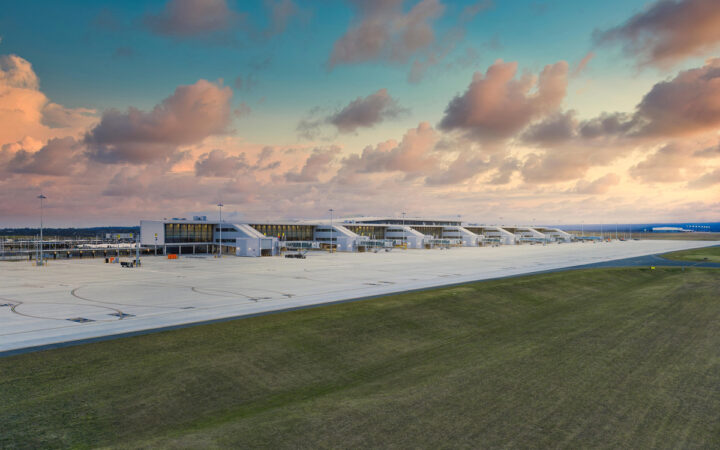
Air connectivity is central to the island’s growth plans. Porter Airlines will launch nonstop service to Montego Bay from Toronto Pearson, Ottawa and Hamilton, adding nearly 5,000 seats for the winter travel season. The additional Canadian capacity is expected to support one of Jamaica’s most important source markets at a time when travelers are seeking more direct access to Caribbean destinations.
Jamaica is also seeing airlift expansion from Latin America through Wingo, while Virgin Atlantic continues to grow service from the United Kingdom. Those moves support the island’s market diversification strategy, which is already showing results. Year-to-date arrivals from Latin America increased 25%, while arrivals from Asia grew 7%.
The aviation push will continue in February 2027, when Jamaica hosts the Caribbean Tourism Organization’s Air Connectivity Summit in Kingston. The event is expected to bring together airline executives, government officials and tourism leaders to discuss how the Caribbean can improve regional and international access.
For Jamaica, stronger air links are not only about tourism volume. Each new route supports hotel jobs, local suppliers, tour operators, restaurants, transport providers and small businesses that depend on visitor spending.
Hotel Pipeline Points to Long-Term Growth
Jamaica’s hotel development pipeline is now expected to deliver between 15,000 and 20,000 new rooms over the next five to 10 years, representing an estimated $5 billion in investment. Key projects include The Pinnacle, a large residential and hospitality development, and continued growth along the Rose Hall Tourism Development Corridor.
The scale of the pipeline suggests that investors continue to see Jamaica as one of the Caribbean’s most durable tourism markets. It also reflects a change in what travelers are seeking. Large all-inclusive resorts remain important, but the island is also looking to expand into more experience-led segments, including culinary tourism, wellness stays, music-driven travel and adventure.
Cruise tourism is also contributing to the momentum. Jamaica recorded 591,861 cruise visitors between January and April 2026, surpassing the same period in 2025. That growth gives the island another channel for visitor spending, particularly in port communities and excursion markets.
The island’s global visibility is adding another layer. Earlier this year, the TODAY show broadcast live from Jamaica, bringing the destination to millions of U.S. viewers. Meanwhile, events such as Carnival in Jamaica, Reggae Sumfest, the Jamaica Blue Mountain Coffee Festival and Lost in Time Festival continue to give travelers reasons to visit beyond the traditional winter peak.
Jamaica’s latest tourism push is ultimately about resilience and positioning. The island is using airlift, hotel investment and cultural visibility to turn recovery into expansion, while trying to ensure that growth remains connected to local communities and the authenticity that keeps Jamaica distinct.
Disclaimer: TravelCapybara is an independent media brand owned and operated by NuvexMedia LLC, publishing travel news, destination guides, research, and insights. NuvexMedia LLC may invest in or collaborate with companies across the travel, hospitality, technology, and digital media sectors. These relationships do not influence TravelCapybara’s editorial coverage. While we strive for accuracy, travel requirements, prices, schedules, availability, and local conditions may change without notice. Readers should independently verify information before making travel or purchasing decisions. This content is for informational purposes only and does not constitute professional advice. © 2026 NuvexMedia LLC. All rights reserved.